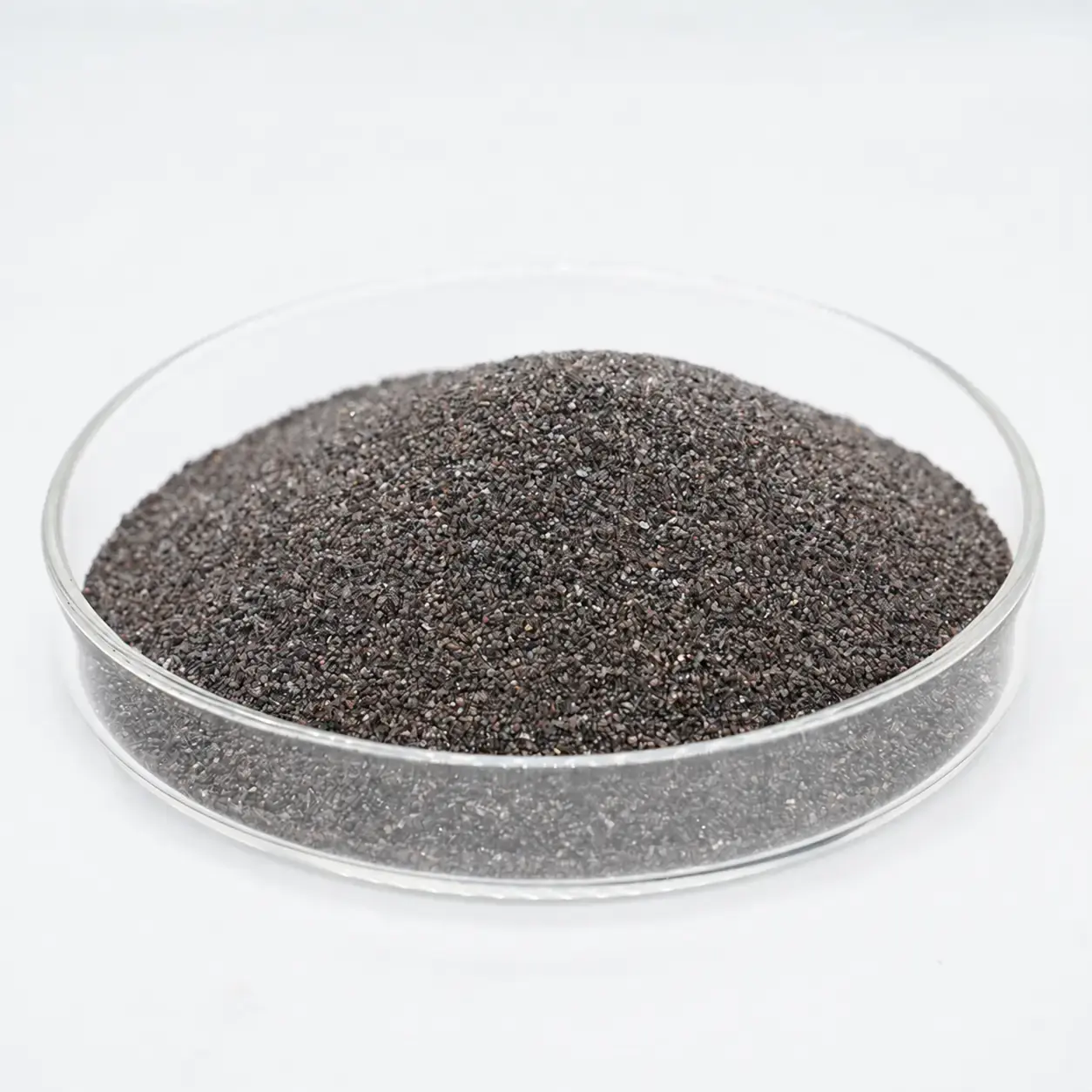
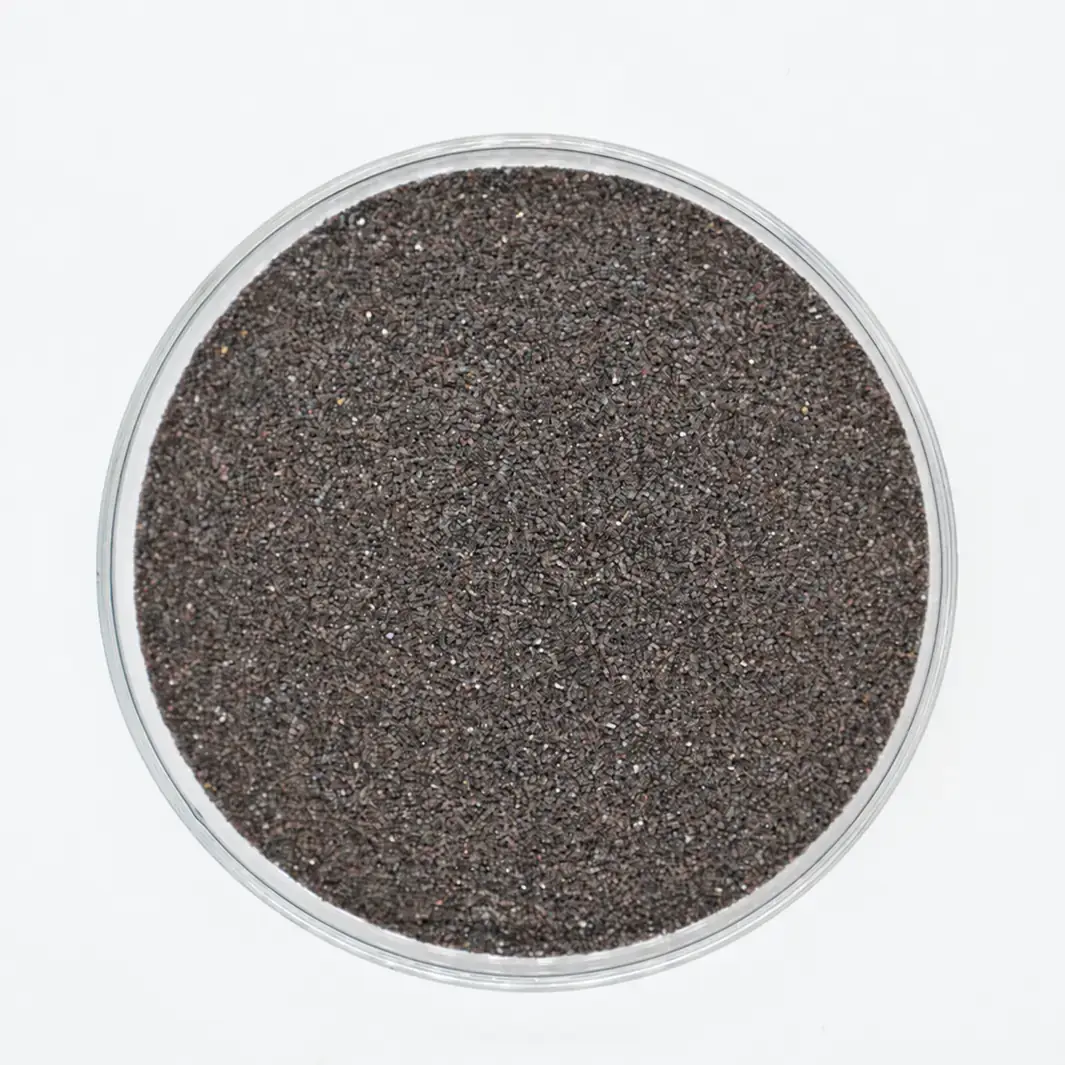
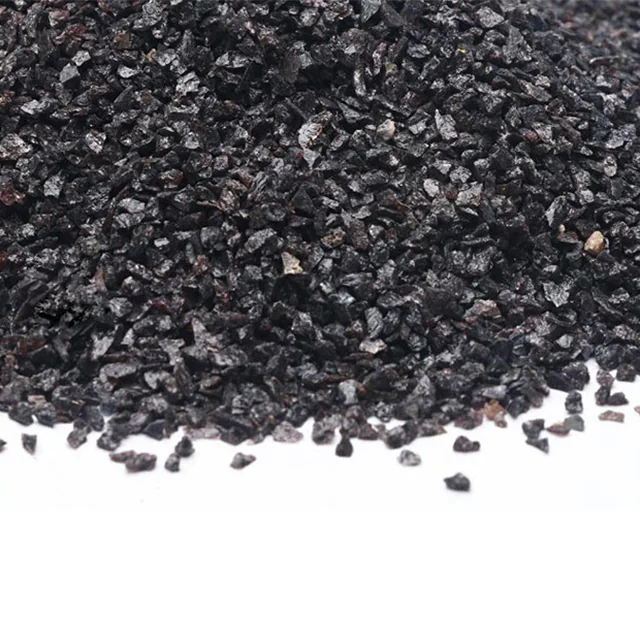
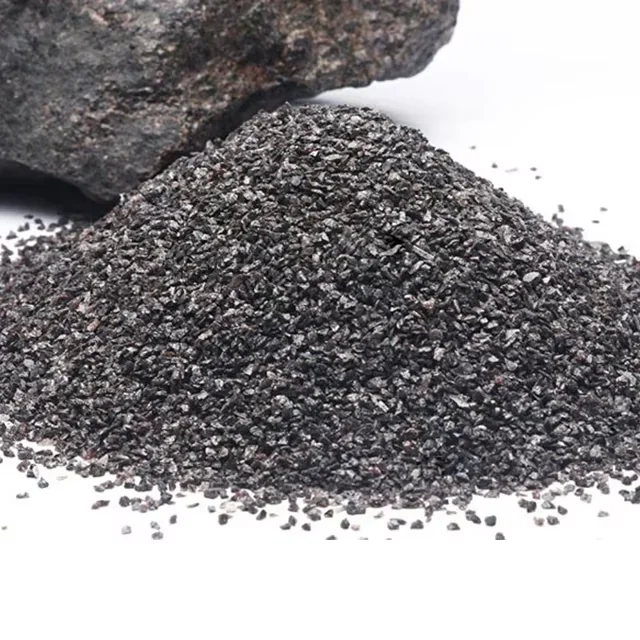
Fused alumina abrasives for metal grinding and polishing
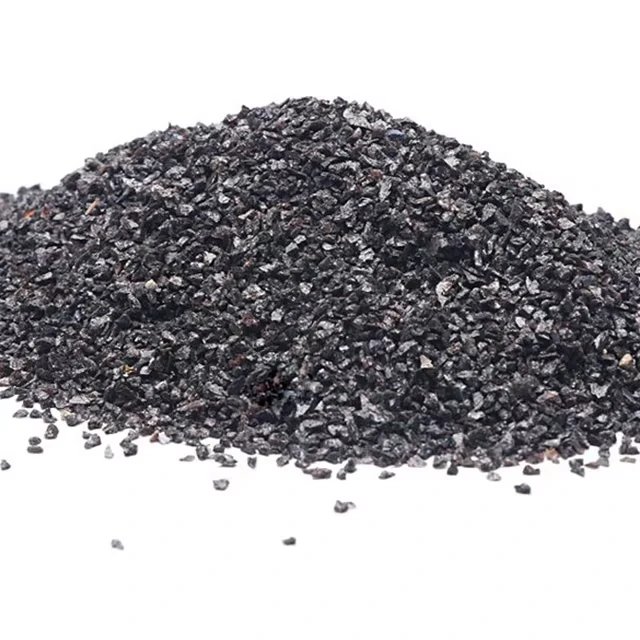
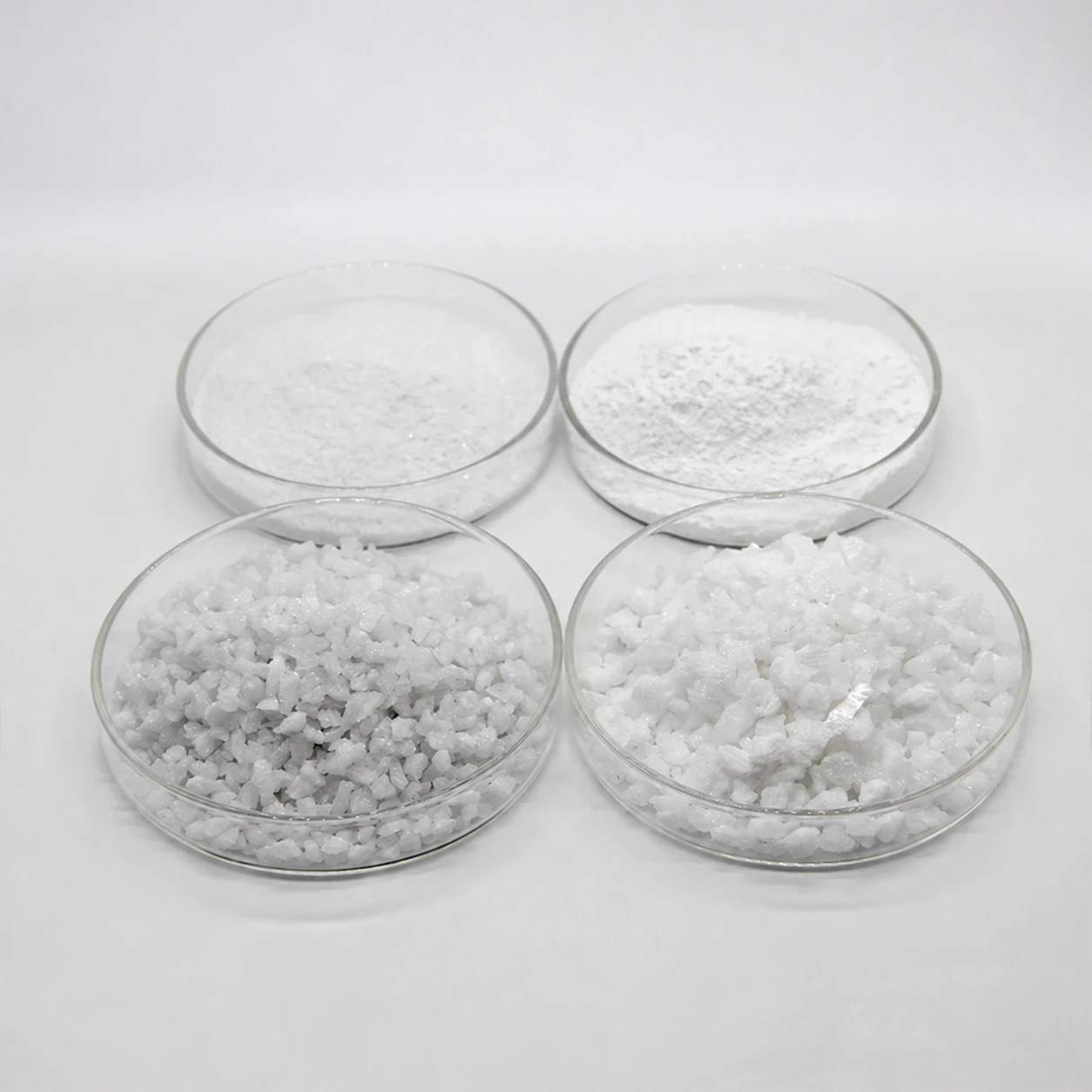
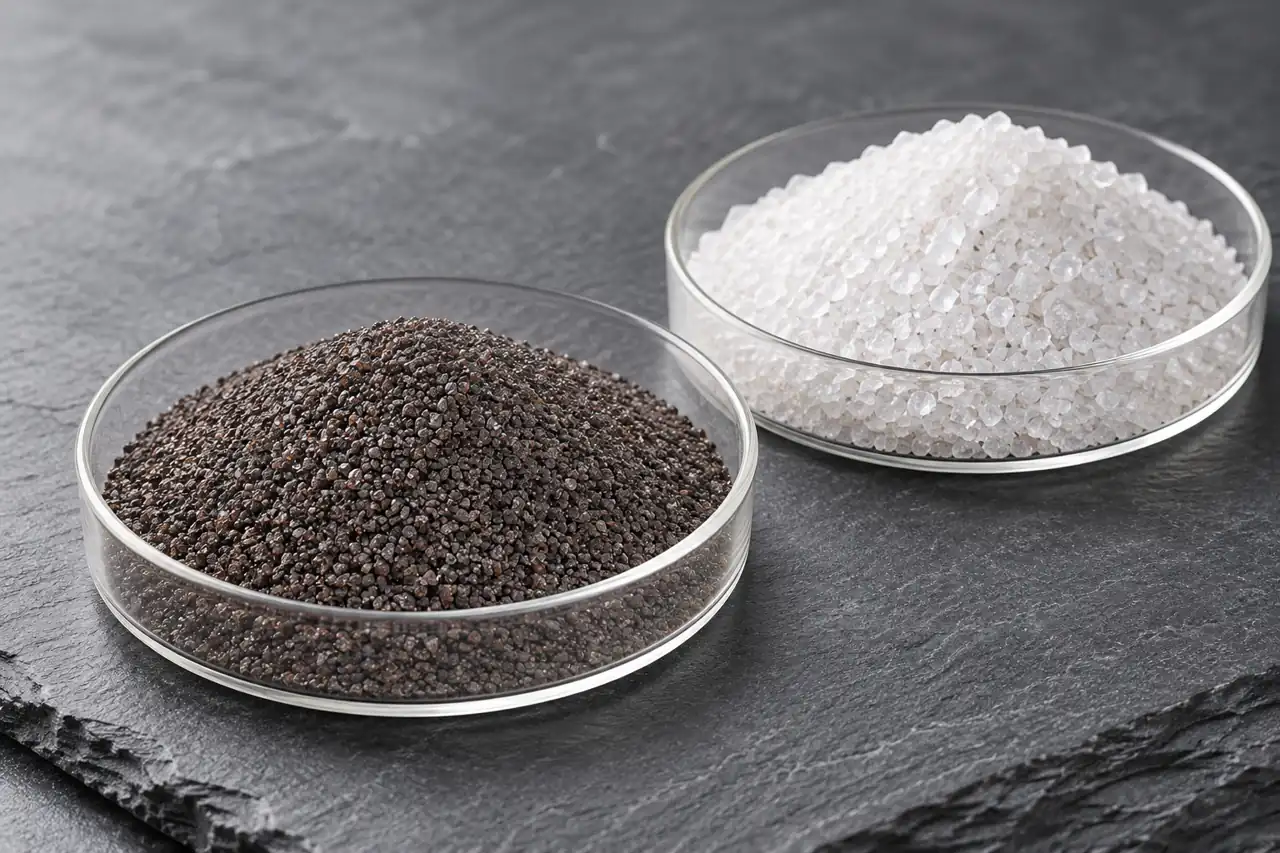
Compare brown and white fused alumina by the grain specification and impurity limits your metal process requires. Our catalogue contains both material families, but colour does not establish performance or equivalence. We can review the proposed grade with you; acceptance should connect actual material evidence to a production-representative trial.
Define the abrasive's role in your process
State whether you are buying loose grains for a process, feedstock for an abrasive product or another defined use. Include the metal, surface requirement and process conditions relevant to approval. This prevents a generic alumina offer from being treated as suitable for a use that needs a different grade or form.
Review brown and white offers on the same basis
Request the actual material description and available composition records for each candidate. Ask which impurity limits are controlled and how they relate to your specification. Avoid declaring one colour superior without that context. The useful comparison is whether each proposed grade meets the requirements of the application and trial.
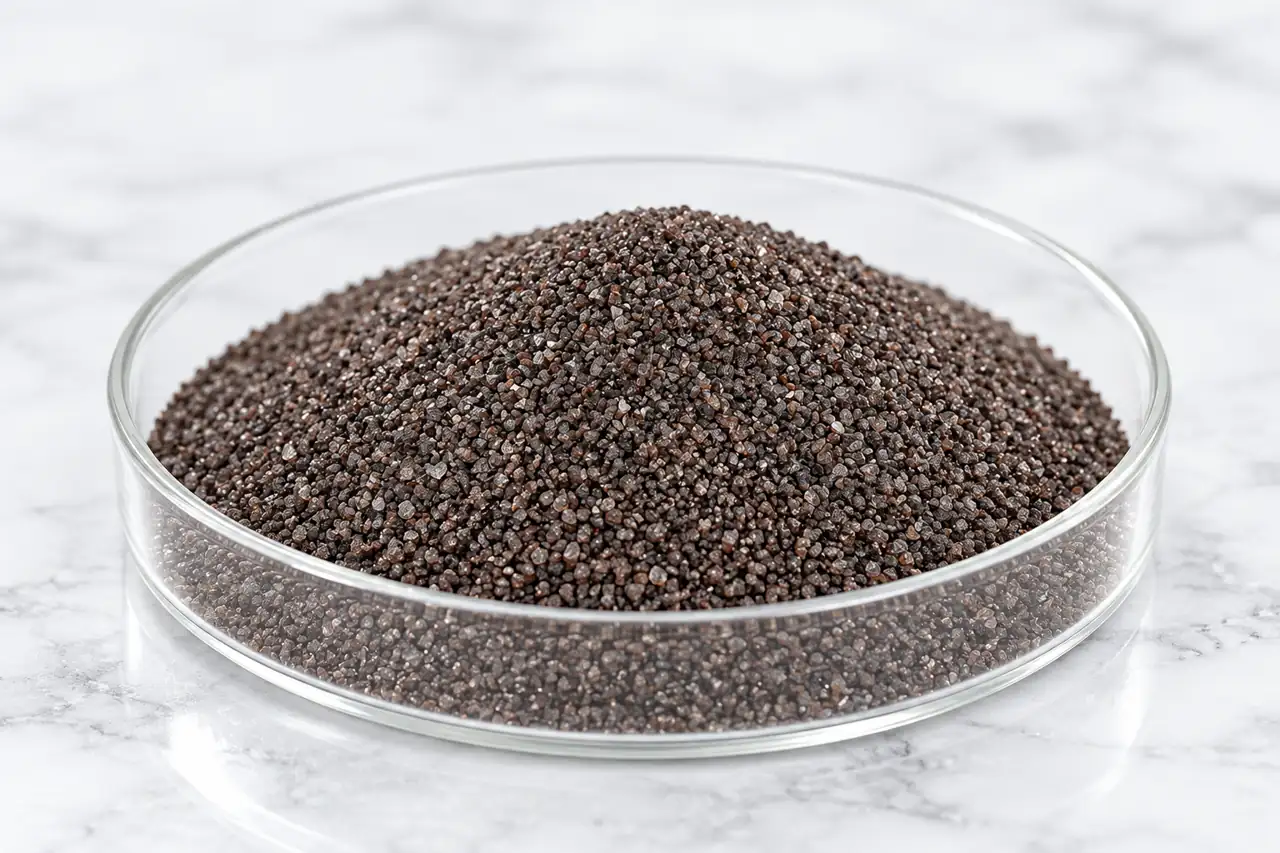
State the grain grading system explicitly
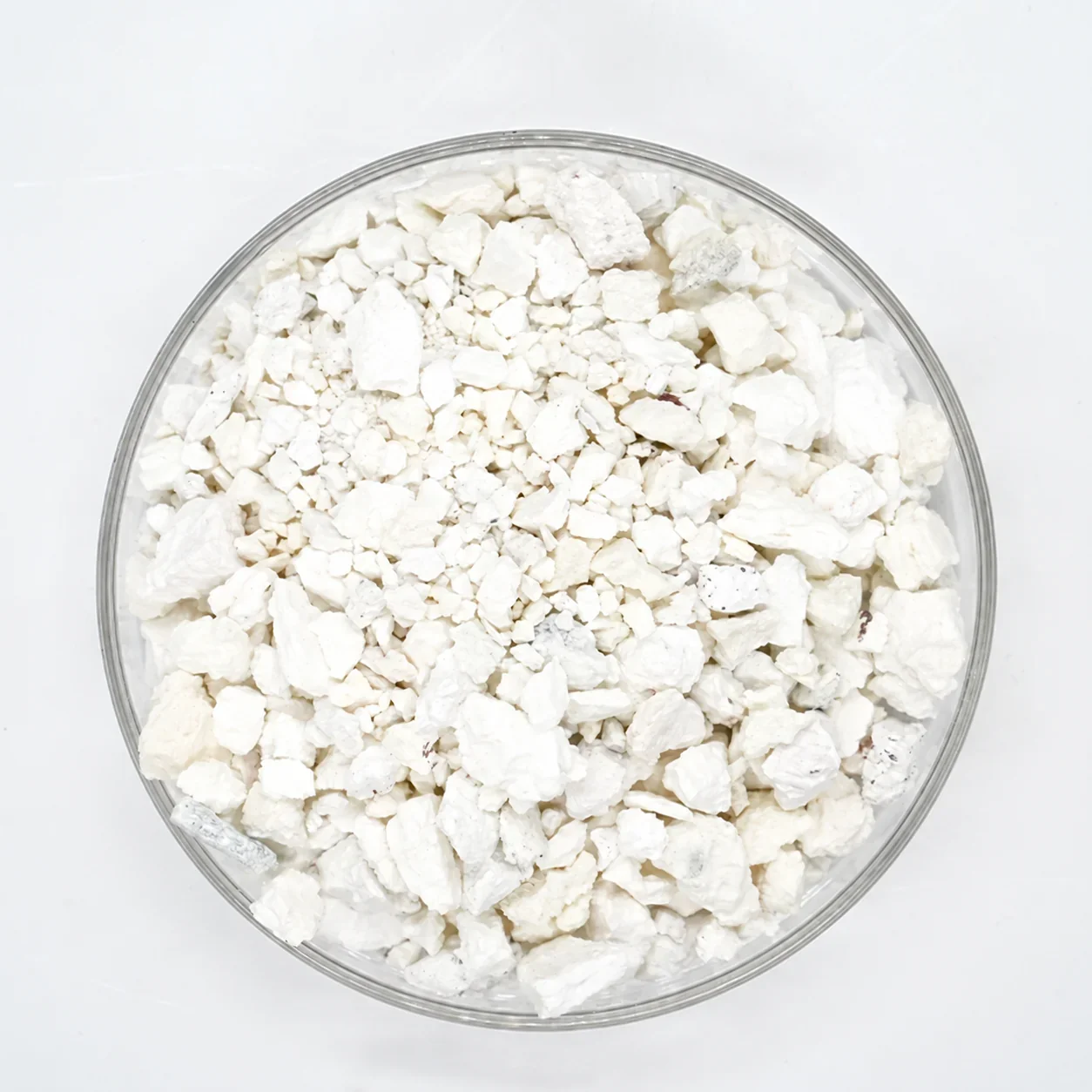
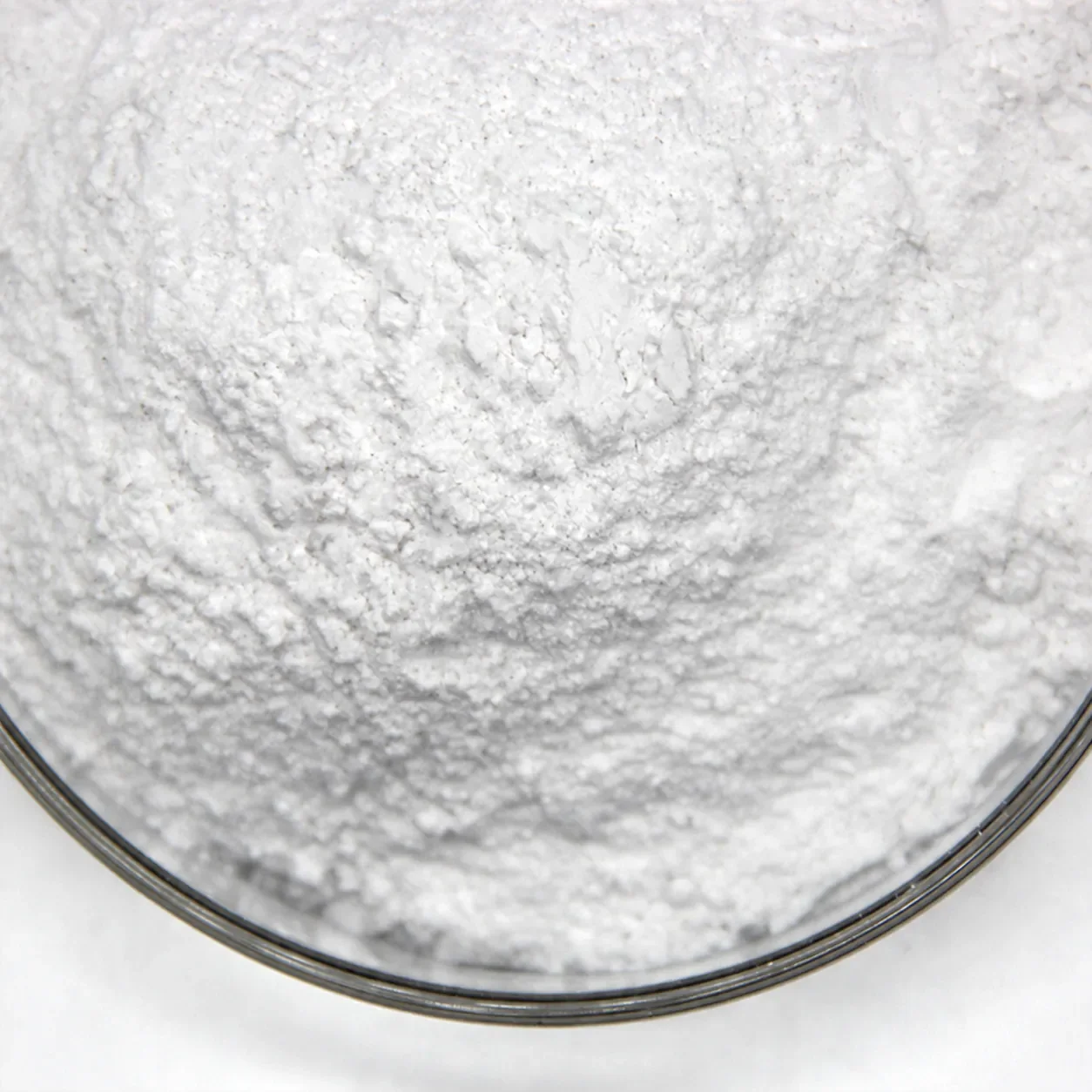
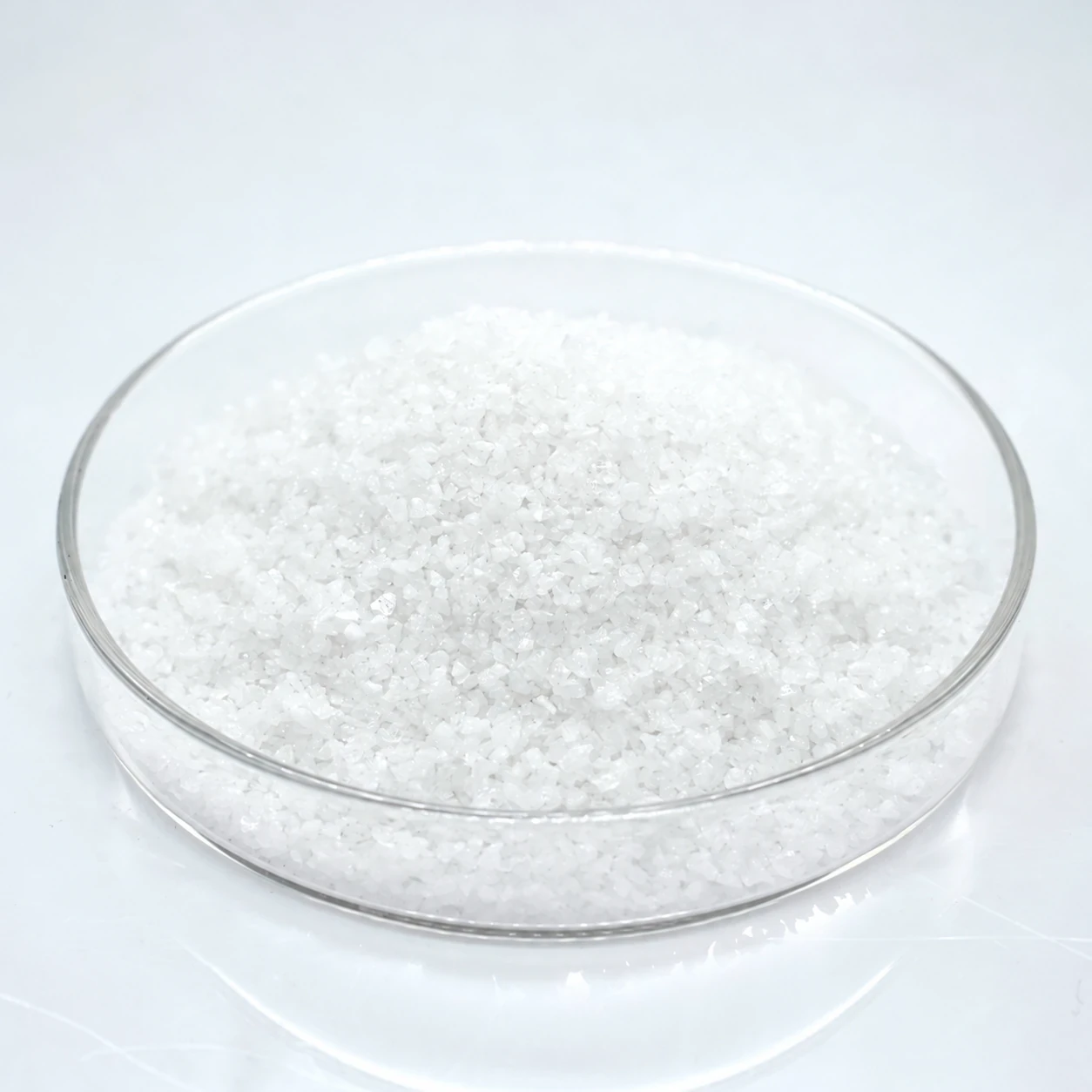
A grain label is incomplete without its governing basis and acceptance limits. Specify the relevant grading system, requested size distribution and measurement evidence. Keep coarse grains and powders distinct in the order. A visually similar sample is not a reliable substitute for the particle information needed to repeat an abrasive process.
Agree impurity acceptance before sampling
Identify any constituents or contamination that matter to the metal and finished surface. Ask for records covering the proposed grade and clarify what the evidence actually measures. If further testing is required, agree the method and responsibility before the trial. Do not infer a verified purity value from a promotional description.
Use the production route to judge the sample
Keep the work material, process settings and evaluation method consistent when comparing candidate alumina. Identify each sample and retain the resulting workpiece or surface record. Judge the agreed output, rather than an assumed benefit from colour or hardness terminology. Record any process change made to obtain that result.
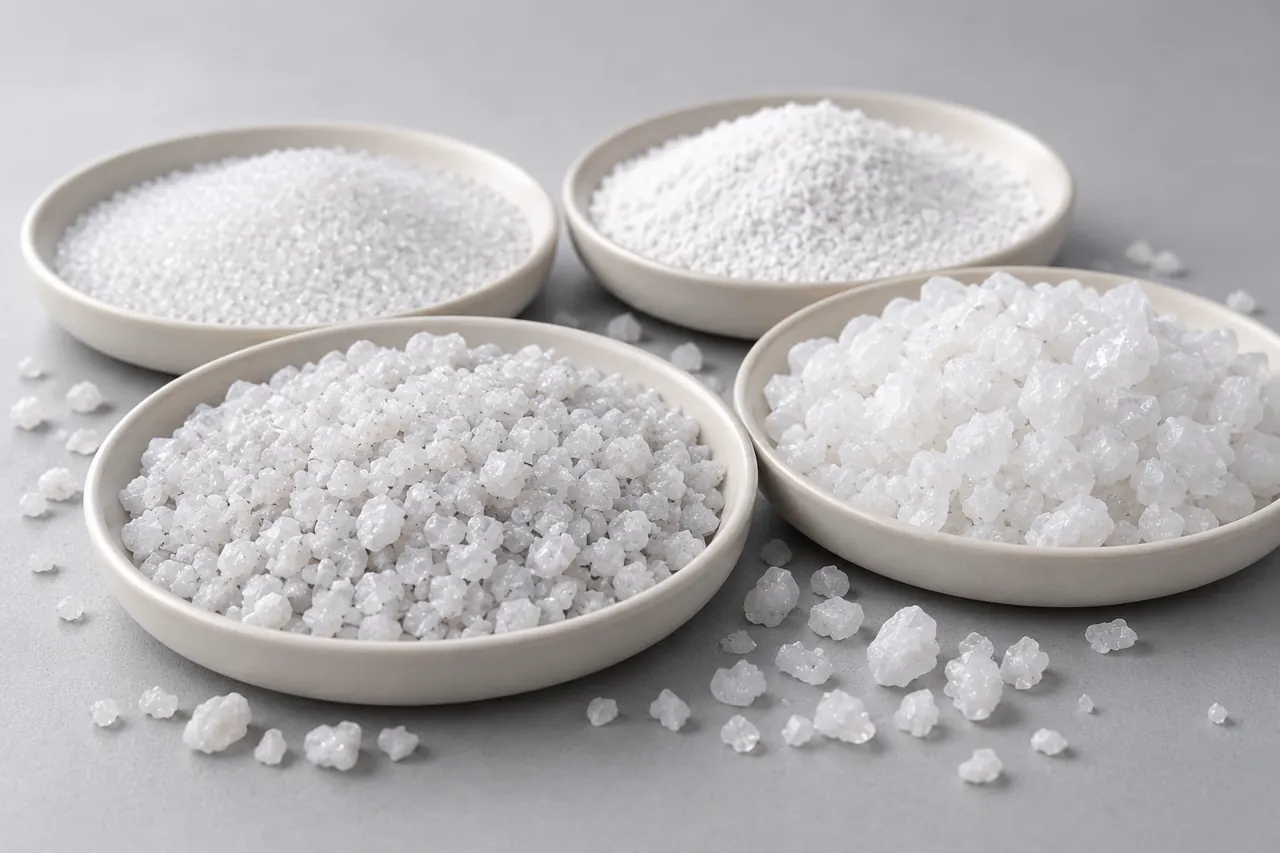
Confirm the exact commercial material
Ask us to identify the producer or supply source, grade description and documentation behind the offer. Our wider catalogue includes fused alumina, but it does not establish that mineral production or every inspection is performed in-house. The written proposal should distinguish the offered material from general examples in a listing.
Protect sample and shipment identity
Agree the package type, unit mass and lot marking, keeping brown and white materials separately identified. Check package damage and foreign material at receiving before use. Retain a sealed approved sample so the next delivery can be reviewed against a physical reference and its records, rather than against memory of the material colour.
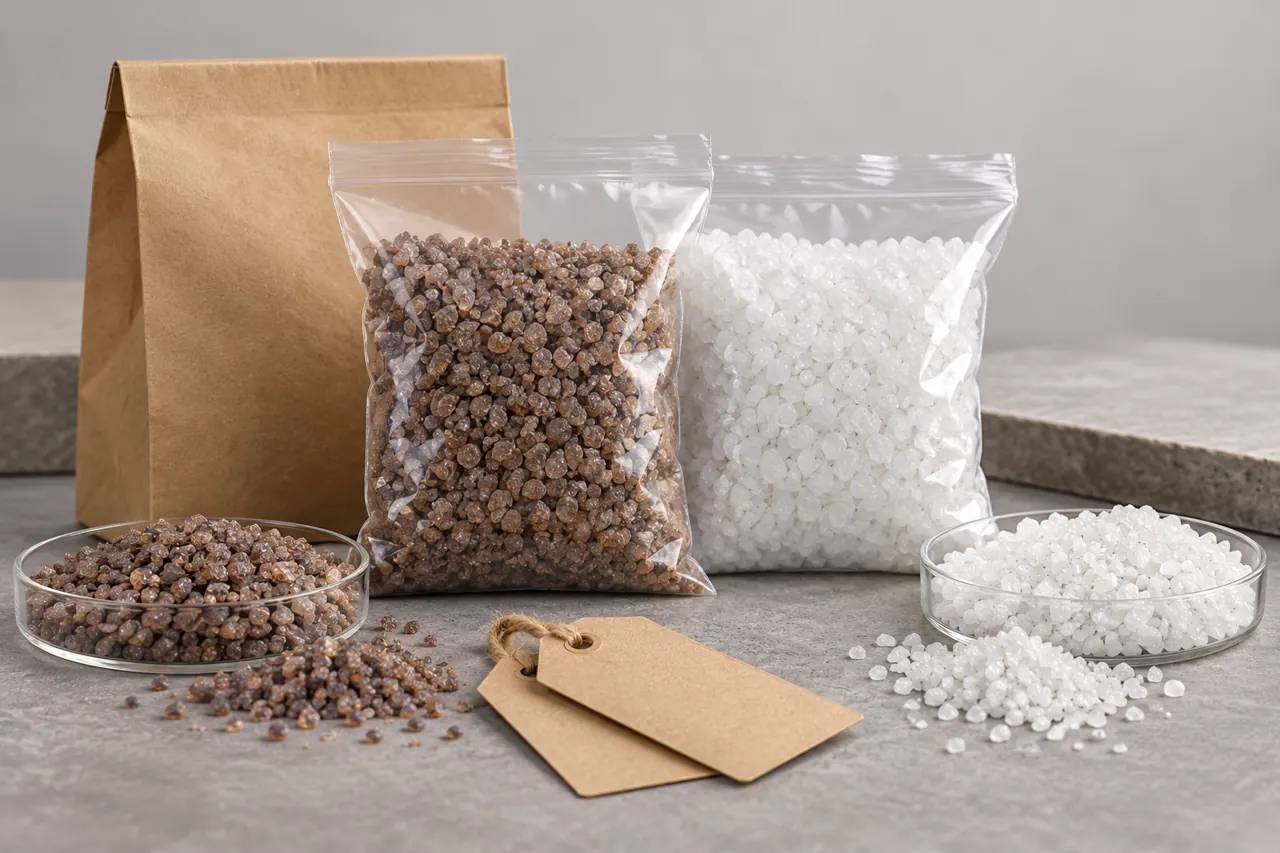
Keep repeat approval tied to the process result
The purchase specification should retain the accepted material family, grading basis and impurity requirements. Compare the first repeat lot with the approval file and ask for review of material changes. If surface results differ, examine abrasive identity and recorded operating conditions together before changing the specification or rejecting a delivery.
Send a process-specific alumina enquiry
Provide the metal, intended abrasive use, required grain basis and any impurity limits. Add a current sample description, trial quantity, acceptance method and destination. We can review the brown or white fused-alumina candidates and confirm the available material evidence, packing and quotation scope for your production evaluation.