Drawing-Based Steel Warehouse Component Procurement
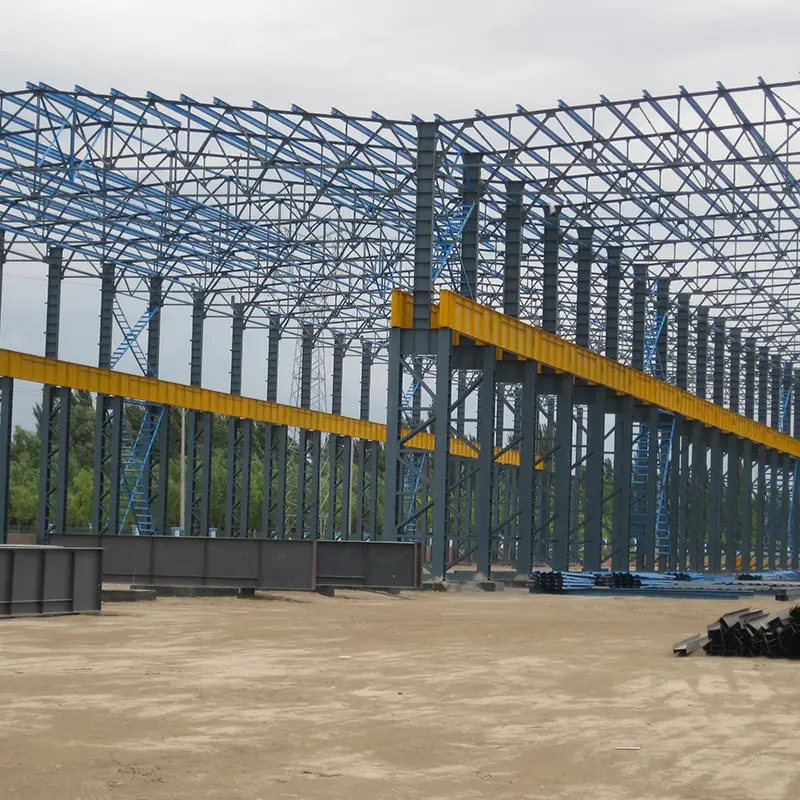
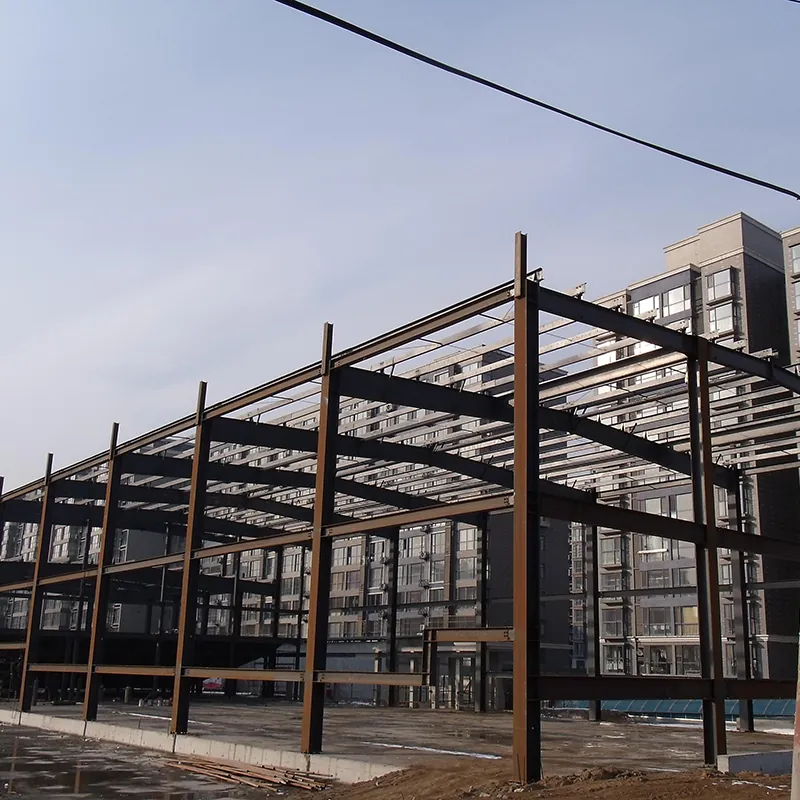
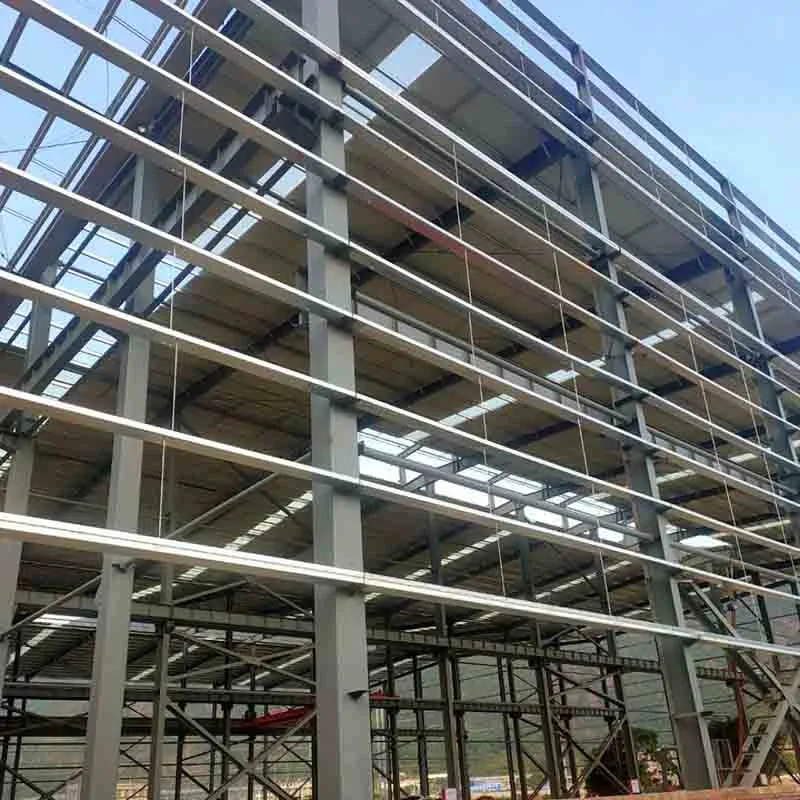
For an existing warehouse design, the sourcing brief starts with approved drawings and a component schedule. Our catalogue includes steel-structure enquiries. Send us the defined component requirement so we can review the proposed supply role, fabrication scope and project documents, keeping design and installation responsibilities explicit in the individual offer.
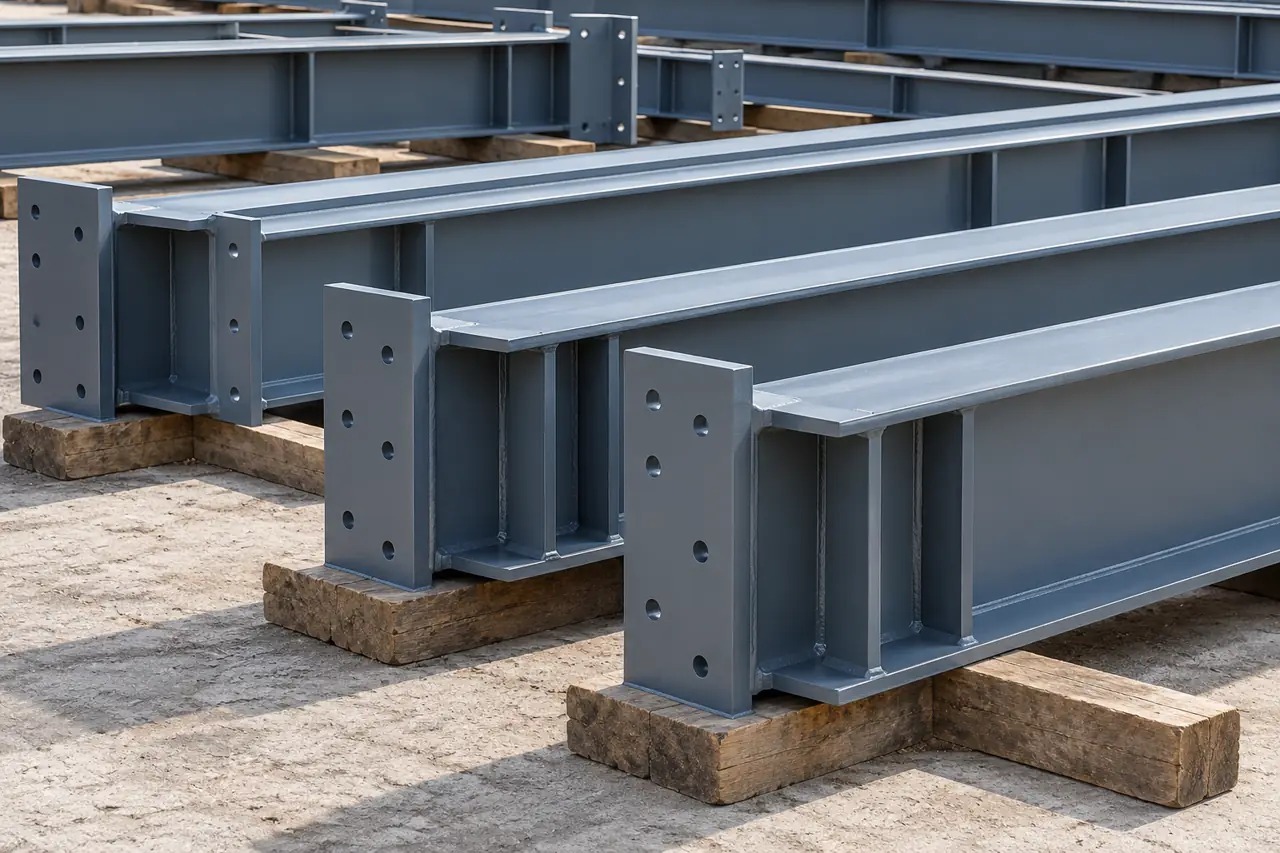
One approved drawing set controls the enquiry
Provide the governing drawing revision, material schedule, component quantities and the project's required specification. Identify any files supplied only for reference. A clear revision record helps keep the quotation, proposed fabrication details and inspection plan aligned when the design package changes during the sourcing discussion.
Material records need to follow the components
Separate columns, beams, plates and other included items in the schedule. State the required material identity for each group and the documents needed to support it. The purchase description should connect the material requirement to the actual component, rather than relying on a general steel-grade list attached to a building enquiry.
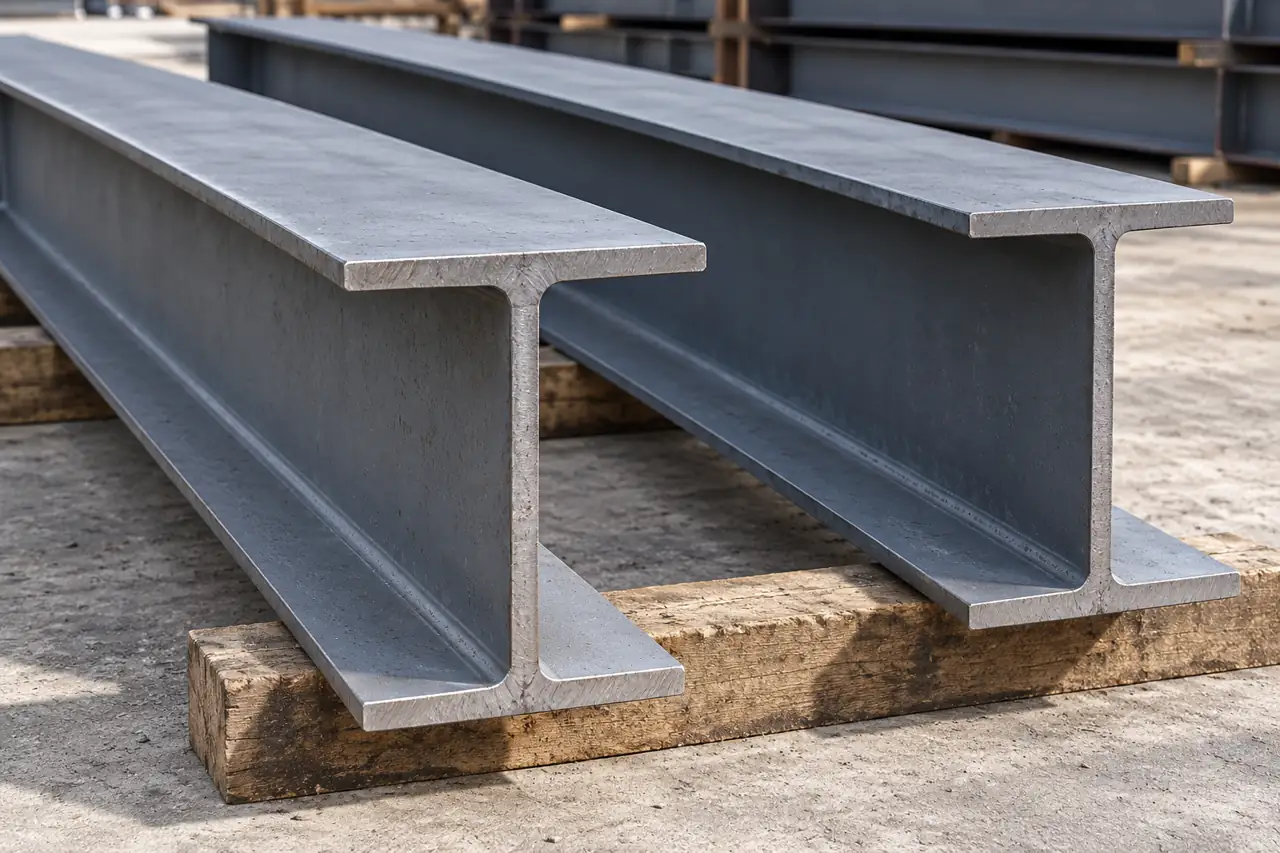
Define who provides each part of the scope
Tell us which activities are requested with the components and which remain with your project team. Confirm the actual manufacturing or supply arrangement in the offer. Drawings, detailing, fabrication, coating and installation are separate responsibilities, and the catalogue's presence alone does not establish that all of them are included.
Interface details deserve an early review
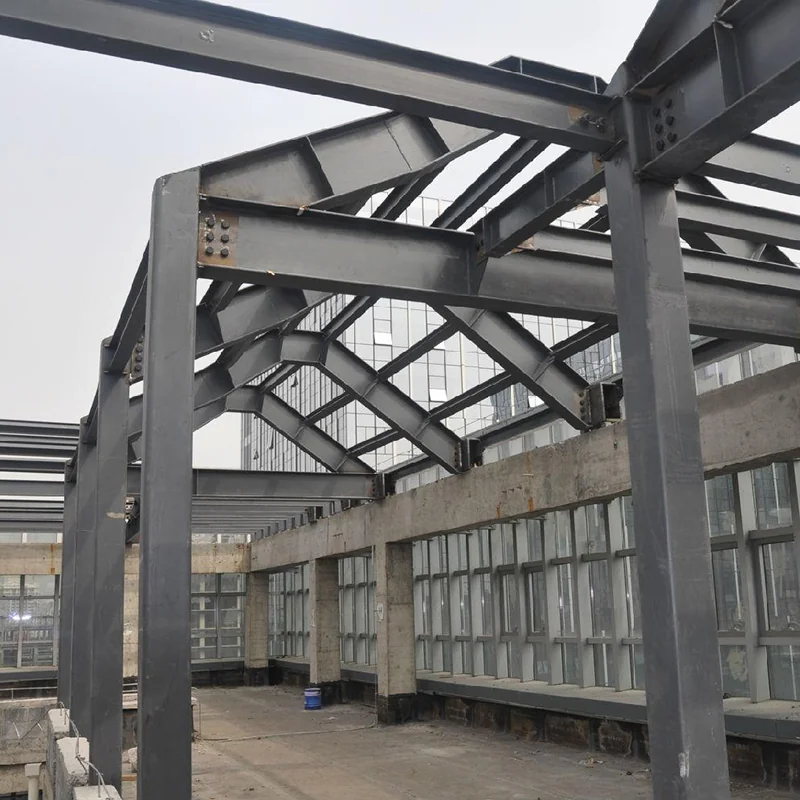
Identify the connection features and mating components controlled by the design package. Bring unresolved drawing differences into the technical review before the affected work is released. Proposed changes should return to the responsible project team for approval, with the accepted revision retained alongside the component schedule.
Inspection documents should match the actual supply
State which material, dimensional, fabrication or coating records your project requires and when they must be reviewed. Confirm the inspection scope with the proposed component supply. Our illustrations explain material forms; project approval should rely on the actual drawings, records and inspection results agreed for your order.
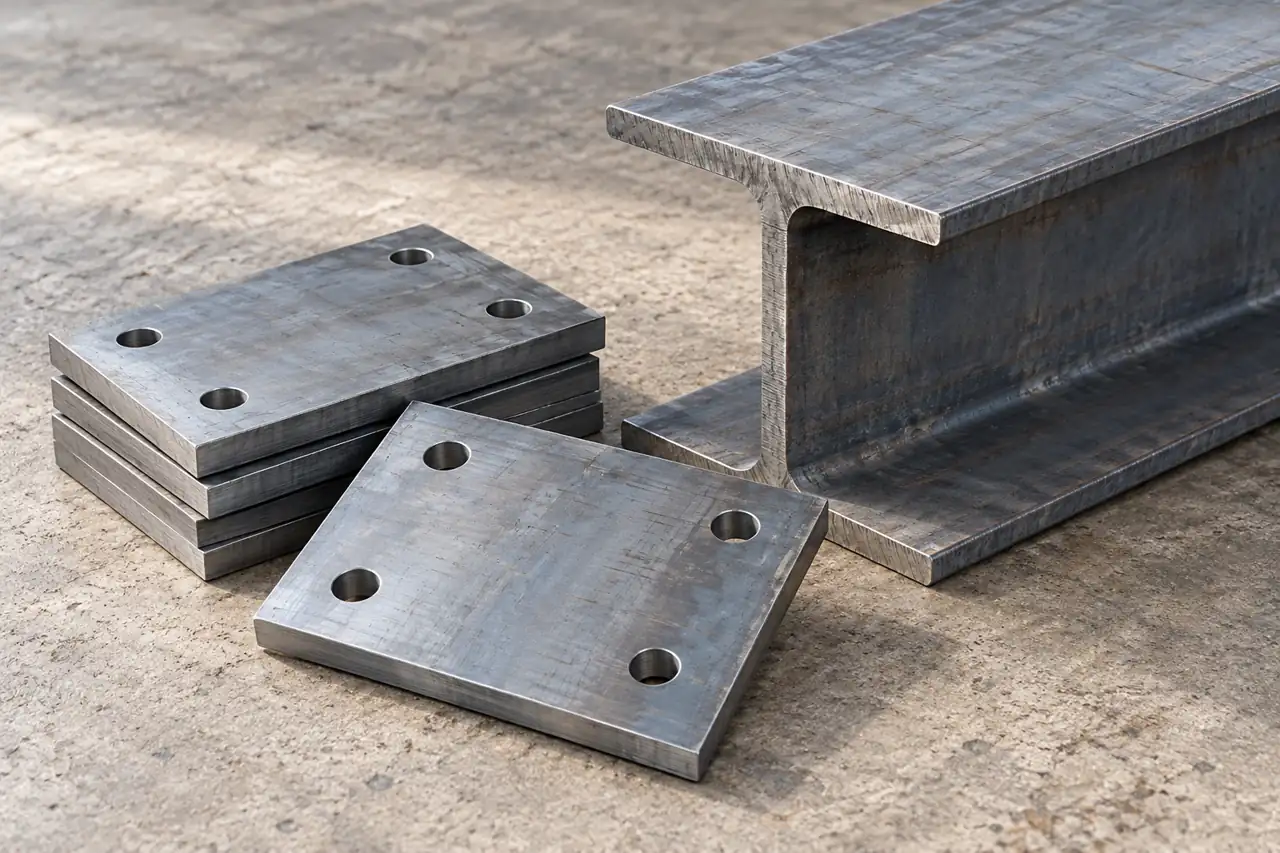
Small components need the same identity control
Connection plates and other loose items can be easy to lose within a large component package. Include their part references, quantities and packing requirements in the schedule. Keep a clear relationship between the approved drawings and the delivered items so the receiving team can locate what the package includes.
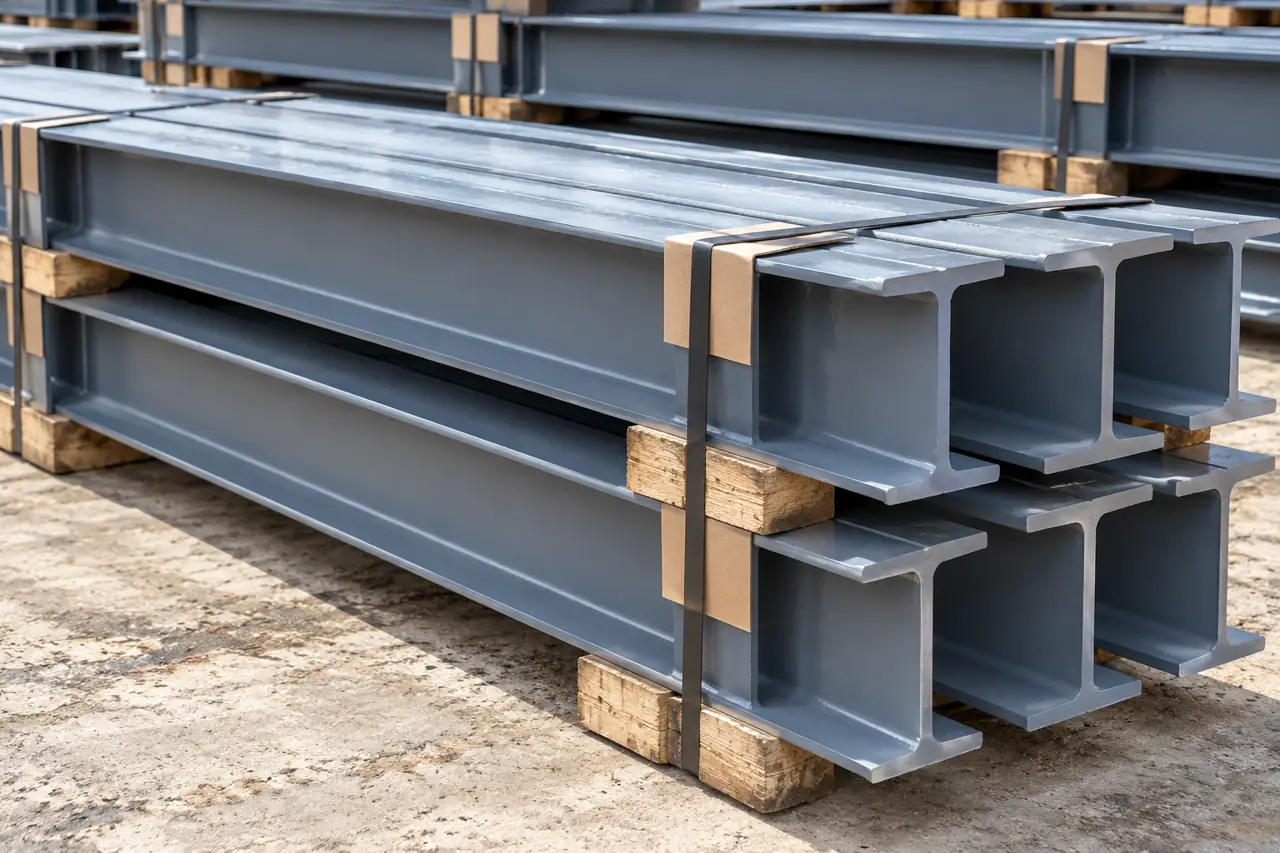
Packing follows the receiving and assembly sequence
Share the destination, unloading constraints and any requested delivery sequence with the component brief. Discuss support, surface protection, bundle identification and the packing list together. The agreed plan should help your receiving team match deliveries to the component schedule without relying only on the appearance of similar members.
A project offer needs visible inclusions and exclusions
Review the component list, drawings, records, protection, packing and delivery responsibilities as one proposal. Keep design changes and optional work separate from the agreed supply. This makes commercial comparisons clearer and helps both teams understand which project requirements the quotation actually covers before an order is placed.
Send the drawing package with the procurement brief
Send the approved drawings, material and component schedules, quantities and destination. Add the inspection, protection, component-marking and packing requirements. Our team can review the catalogue enquiry and confirm the actual supply role and information needed for a defined component quotation, with design and installation responsibilities stated separately.