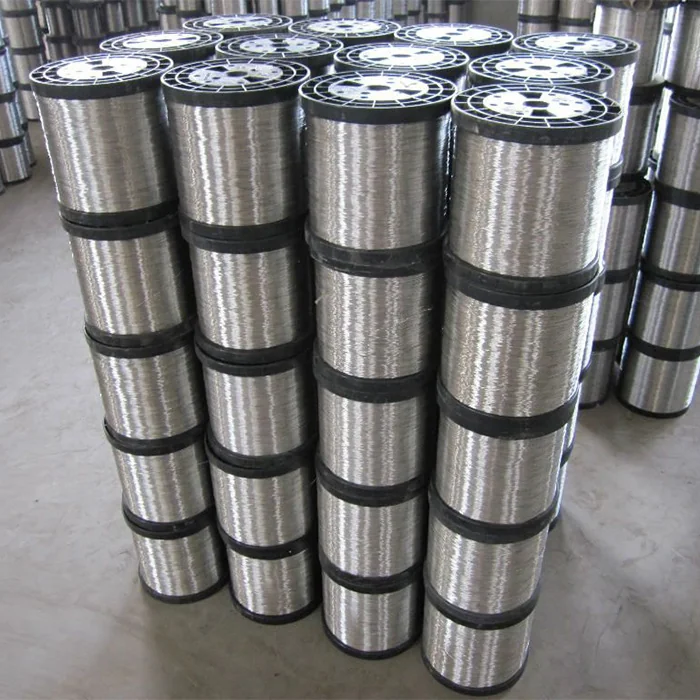
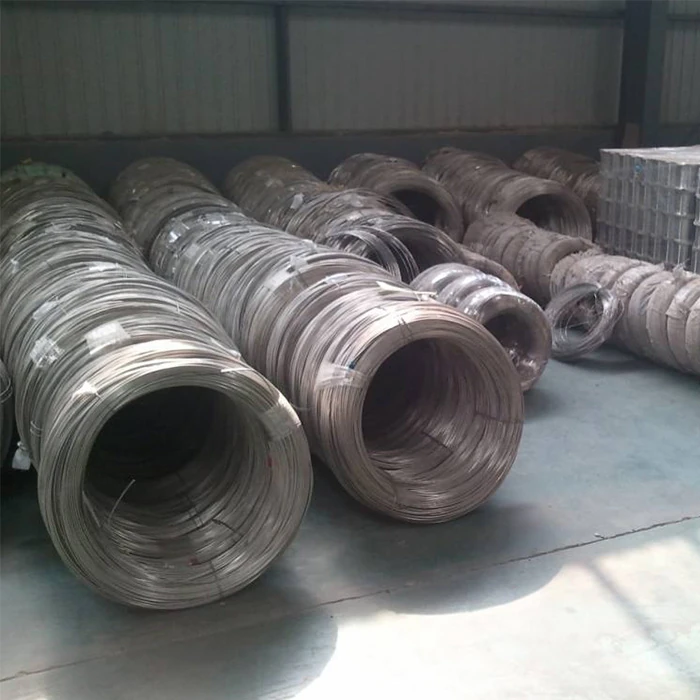
Stainless Filler Wire for Laser-Welding Sample Approval
Select stainless laser-welding filler wire against the base metal, joint and approved welding requirements. Our catalogue lists ER308 and ER316 enquiry candidates. Send the classification and format you need so we can confirm a specific offer for trial; a general stainless-wire listing does not establish a qualified welding combination.
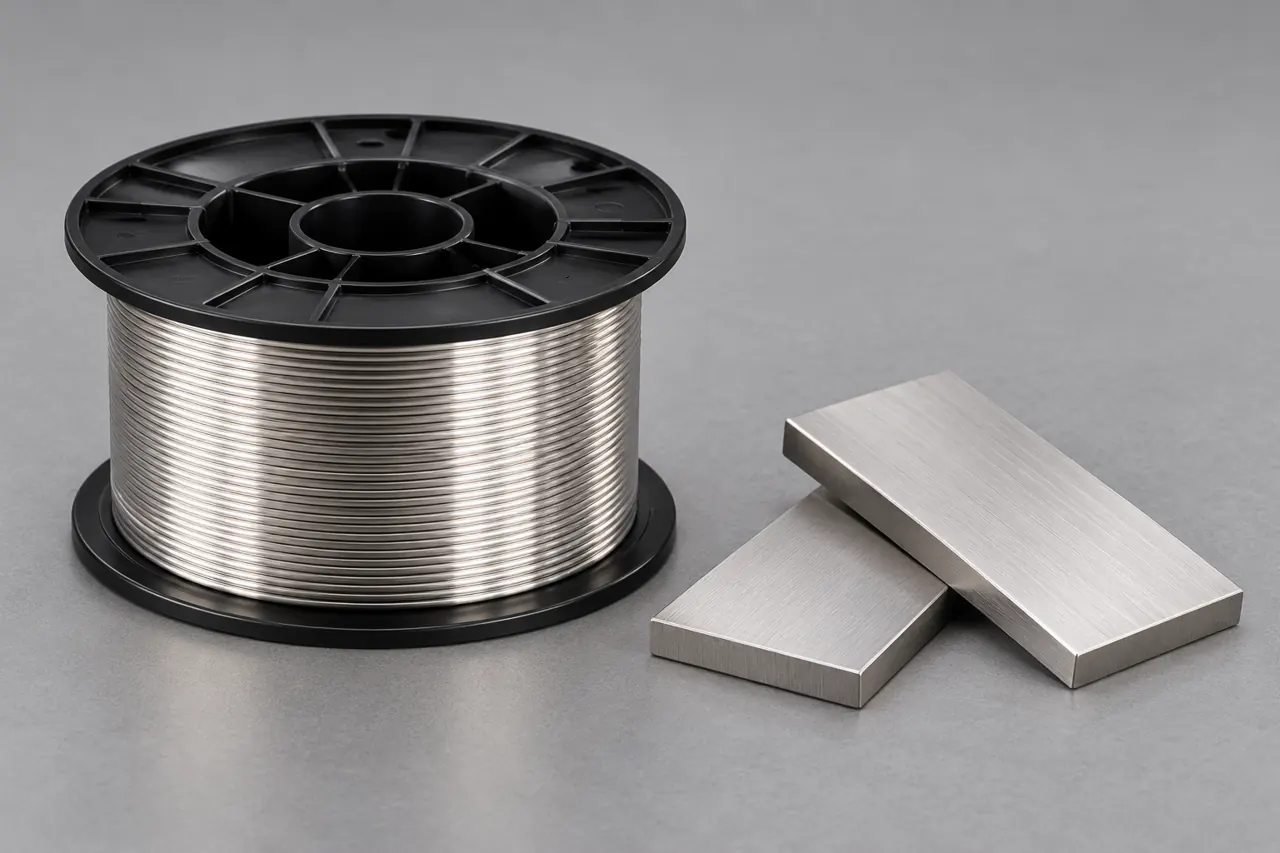
Base metal and joint details define the trial
Identify each base metal, its condition and thickness, then describe the joint and required weld outcome. Include the filler classification specified by your welding authority if one is already approved. Your procedure and component requirements should govern the review rather than a marketing suggestion that one wire suits every stainless assembly.
Classification and packaging are separate checks
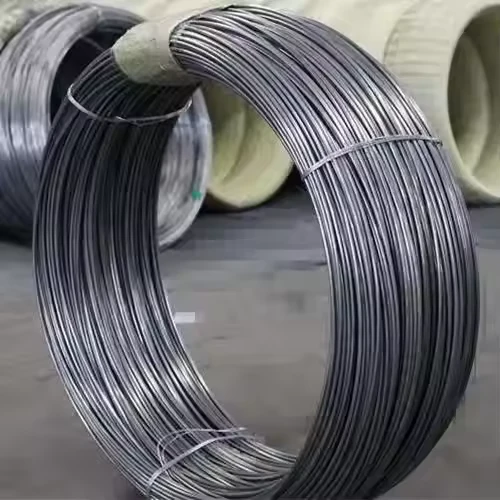
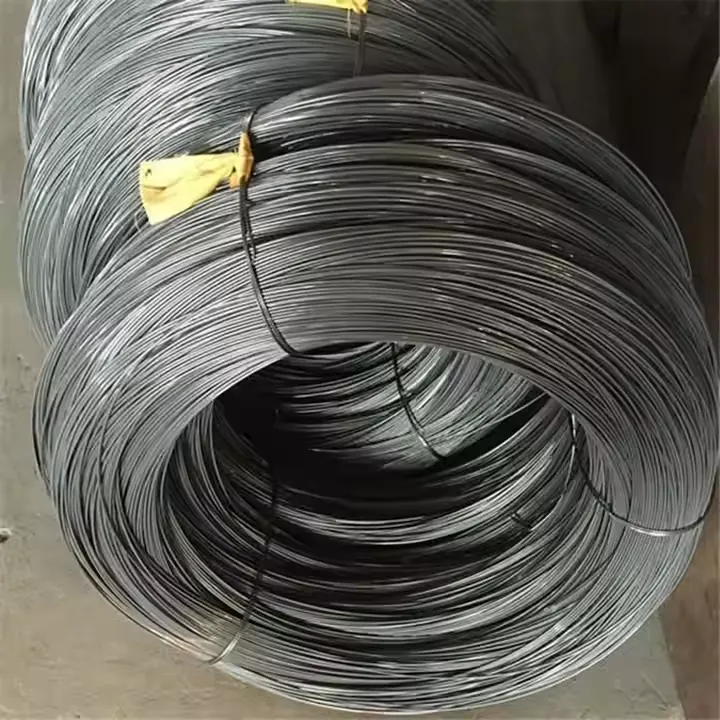
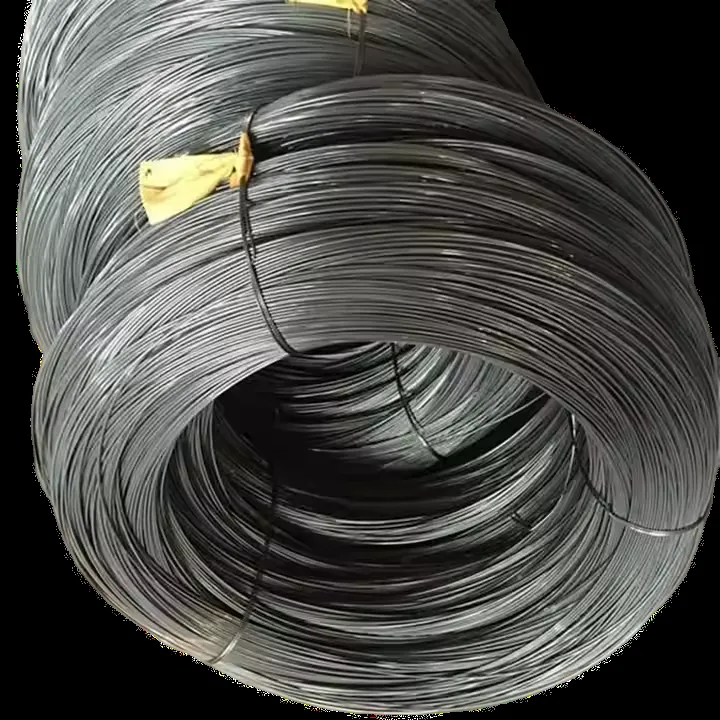
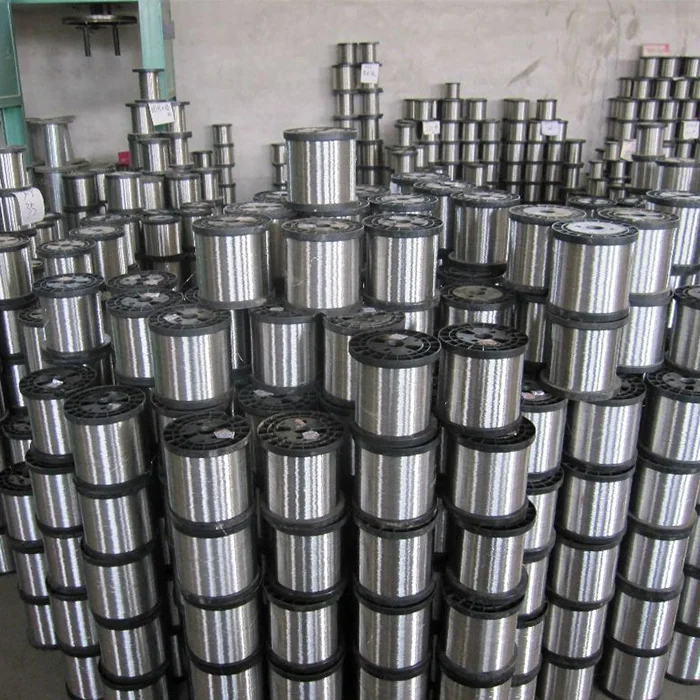
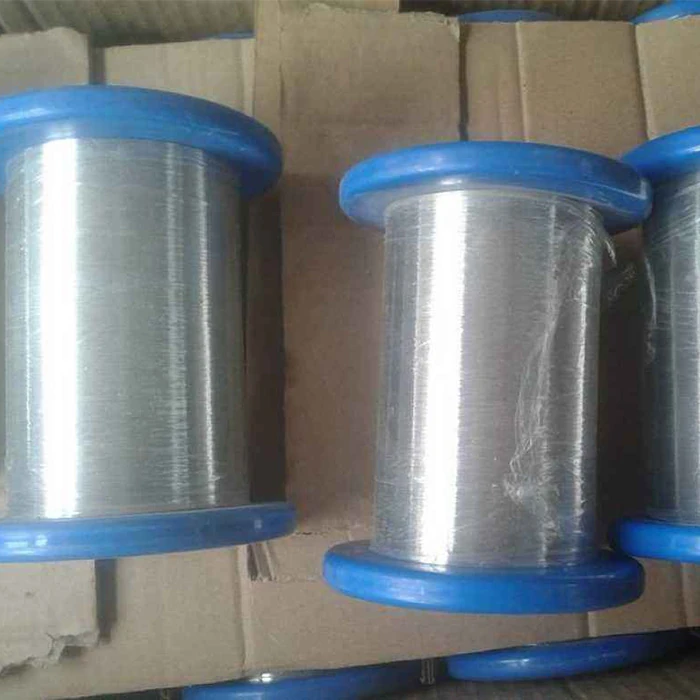
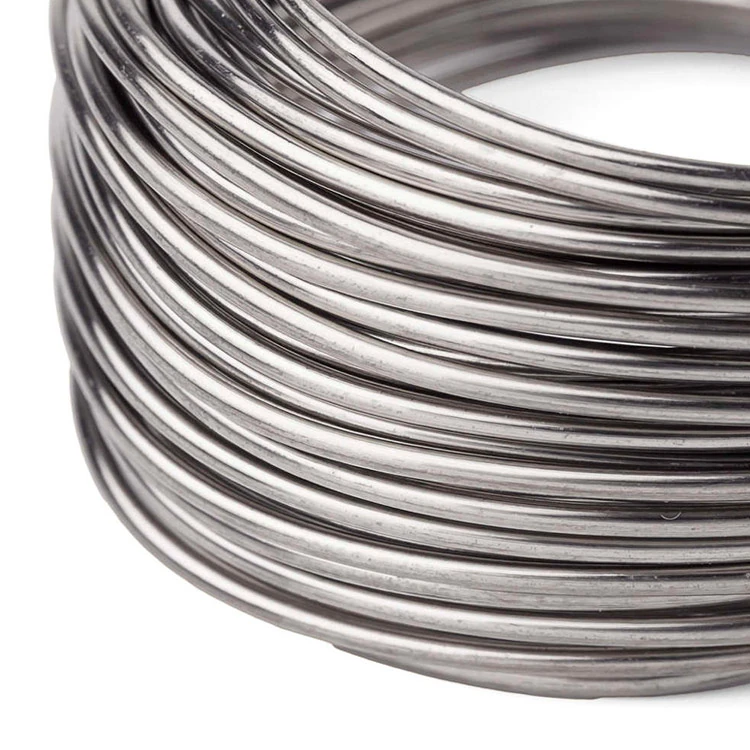
Confirm the exact filler designation, diameter, surface condition and package format in the offer. A spool must also fit the intended wire-feed arrangement. Keep a requested standard and its revision explicit, and ask which material records apply to the actual proposed wire rather than inferring compliance from an ER label.
The sample submission needs an identifiable wire lot
Keep the trial spool or wire sample, its lot identity and the proposed material records together. Include enough material for your agreed trial plan. A loose wire sample without its supply identity can demonstrate handling but leaves a weak connection between the weld result and a later production order.
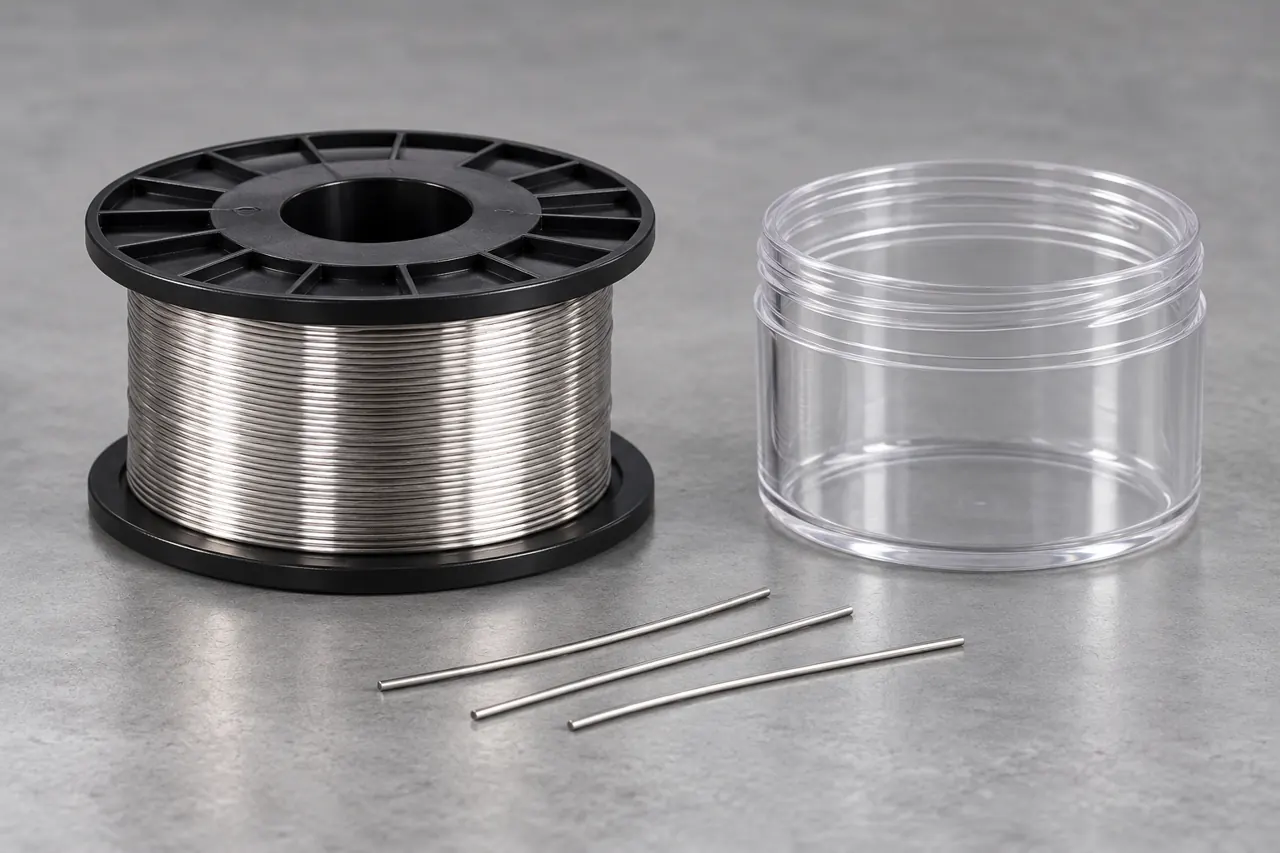
Record welding conditions with the result
Use representative coupons and the procedure defined by your welding team. Record the base-metal identity, filler reference, joint preparation and relevant process conditions. Where a setting or preparation step changes, preserve that change in the trial record so the acceptance conclusion remains limited to the combination actually evaluated.
Weld appearance is one part of acceptance
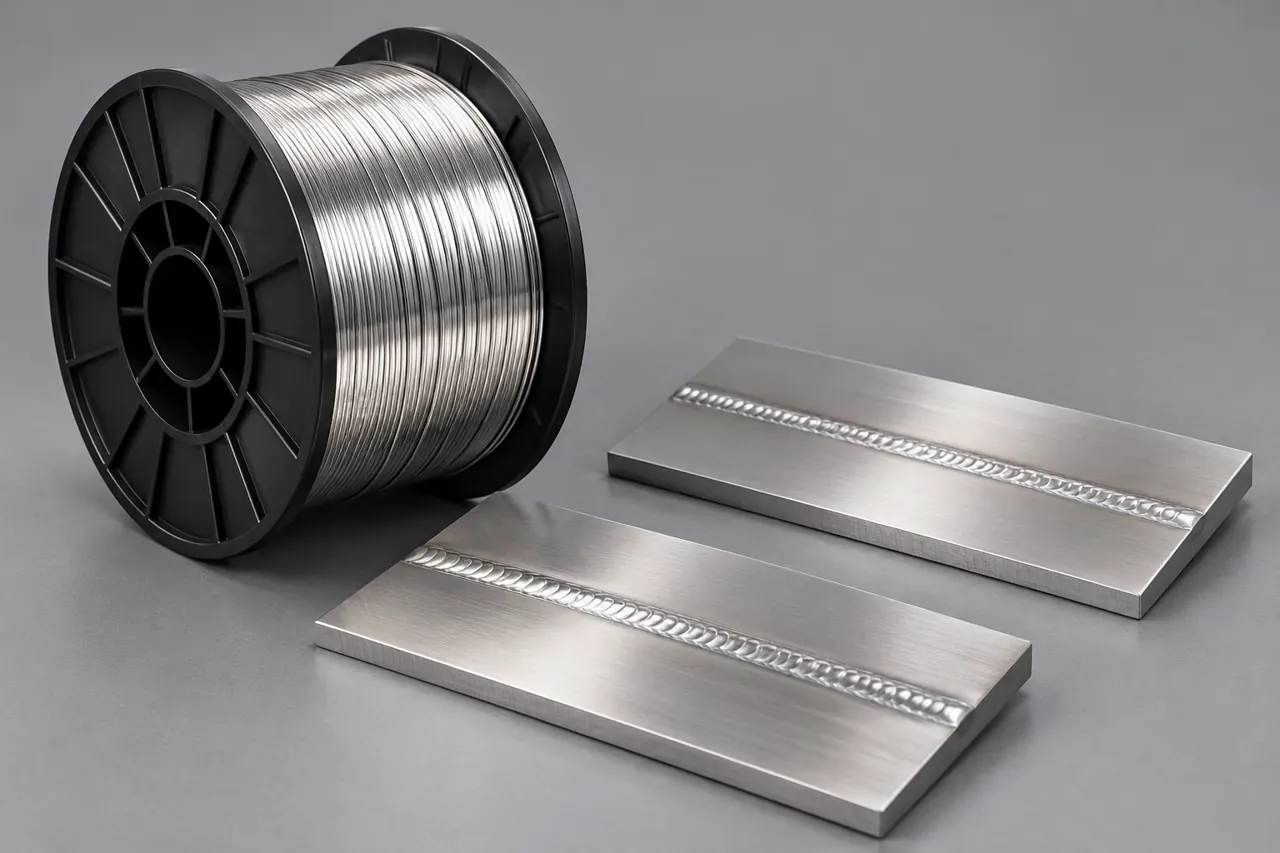
Photographs can record bead appearance and visible surface condition, but the applicable component requirements may call for further inspection. Define those checks before the trial. We can discuss wire identity and the proposed supply; weld procedure qualification and final component release remain with the responsible technical authority.
Supplier scope should be confirmed before bulk approval
Review the offered classification, documentation and product-specific manufacturing or sourcing relationship. Do not extend a broad stainless-wire catalogue into an assurance that any listed grade is welding filler in the required condition. Confirm any requested declaration or test document against the specific wire lot and purchase specification.
Wire condition should remain protected through receipt
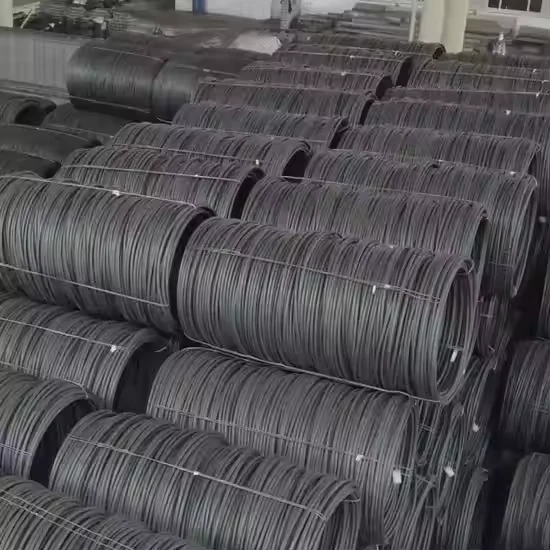
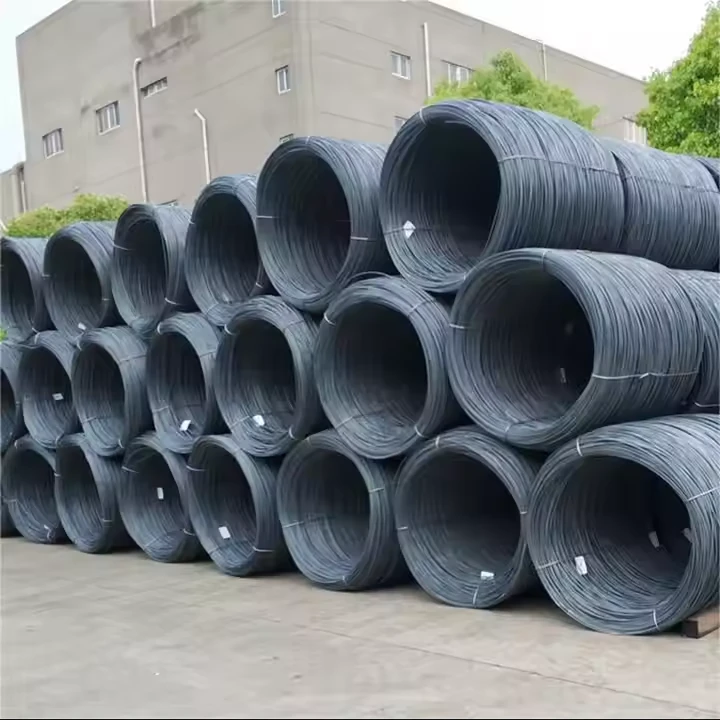
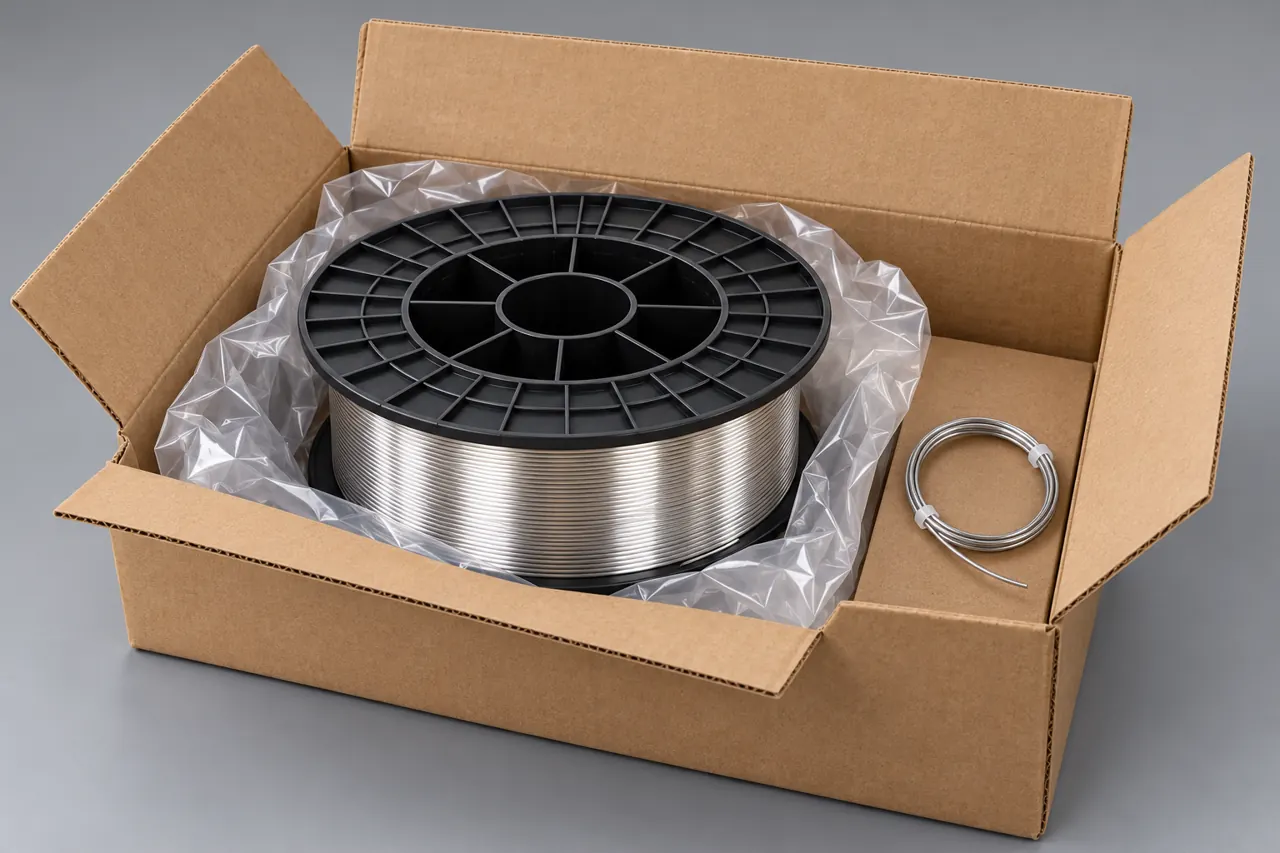
Specify packing that preserves the spool, surface and identification needed by your welding operation. Record damage or contamination concerns before using affected material. Retain the package label and sample if a feed or weld issue appears, and document the base-metal and process conditions used at that time.
Repeat supply should reference the accepted combination
Carry the accepted filler specification, diameter, spool format and required batch records into replenishment orders. Review changes in base metal, joint or process separately from a reorder decision. Confirm quantities and dispatch conditions for the actual order rather than treating a previous trial arrangement as a standing production commitment.
Send a filler-wire trial enquiry with the welding brief
Provide the base metals, joint details, requested filler classification and diameter. Add spool constraints, trial quantity, acceptance method and required records. Our team can confirm a proposed catalogue option and supply scope so your welding authority can assess the sample against a complete, traceable brief.