Qualifying a Second Source of SAE1070 Spring Wire
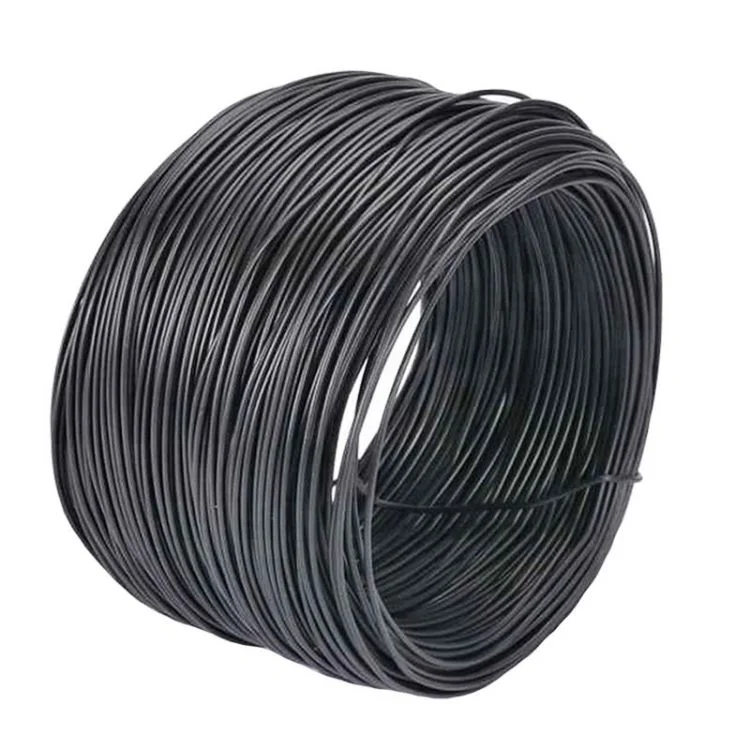
Qualify a second wire source against the specification and spring process you already approved. The SAE1070 name is only one part of that comparison. Our catalogue includes a spring-wire candidate; source transition needs the actual supply condition, dimensional requirements, batch records and forming results to be reviewed together.
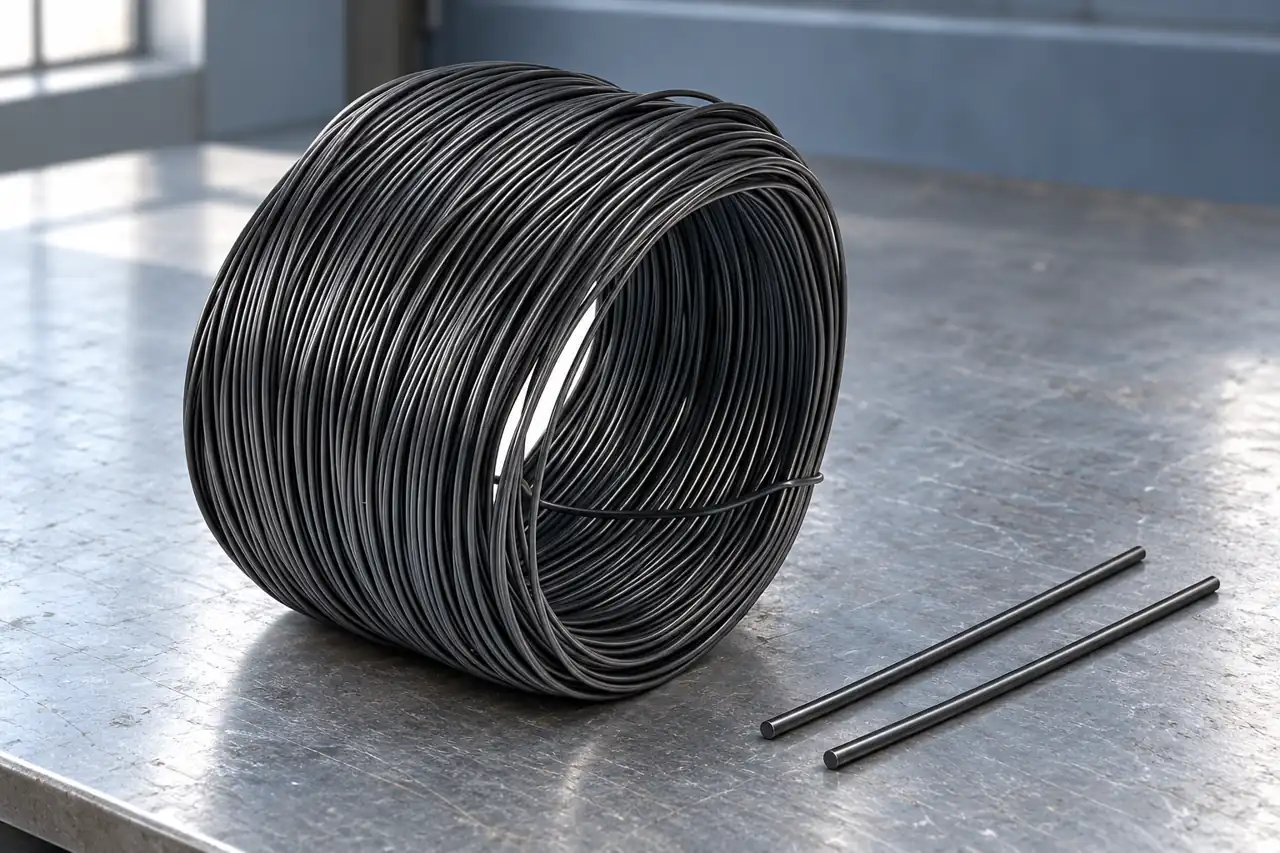
Start from the controlled drawing revision
Provide the current drawing, material specification and any purchasing supplement used for the incumbent wire. Identify mandatory requirements separately from preferences. If the existing order description relies on a trade name or unwritten practice, resolve that gap before asking another source to quote an equivalent product.
Separate grade identity from wire condition
Confirm the proposed grade and the actual drawn or treated condition in the supplier response. Do not transfer a strength range from an unrelated catalogue field to your diameter. Ask for material and test records tied to the offered wire, with the applicable requirements and test basis identified.
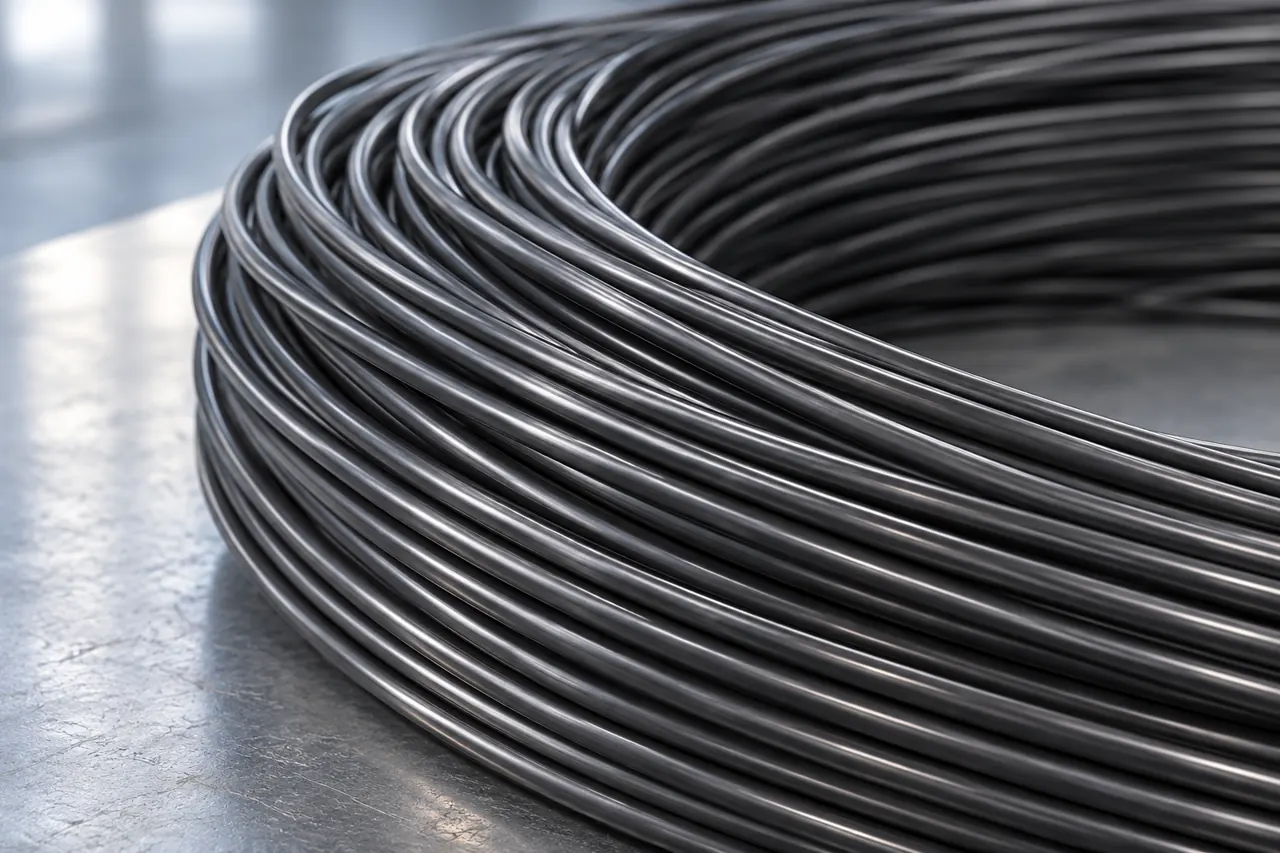
Compare diameter and surface acceptance directly
Use the same diameter tolerance, measurement method and surface criteria for both sources. Explain any surface feature that has caused failures in your process so the proposed inspection can address it. A matching average diameter does not resolve local variation, surface damage or a different delivered condition.
Keep wire data and spring results linked
Build one approval record that names the sample wire batch, inspection documents, trial settings and resulting spring samples. This prevents a successful spring test from becoming detached from the wire that produced it. If the sample is specially selected, clarify how it represents the proposed production supply.
Run samples through the production sequence
Use the intended payoff, forming tools and downstream operations for the sample trial. Record adjustments separately from the normal settings. Evaluate the finished spring against its drawing and approved performance checks; an easy-to-form wire is not automatically acceptable if the resulting component falls outside those requirements.
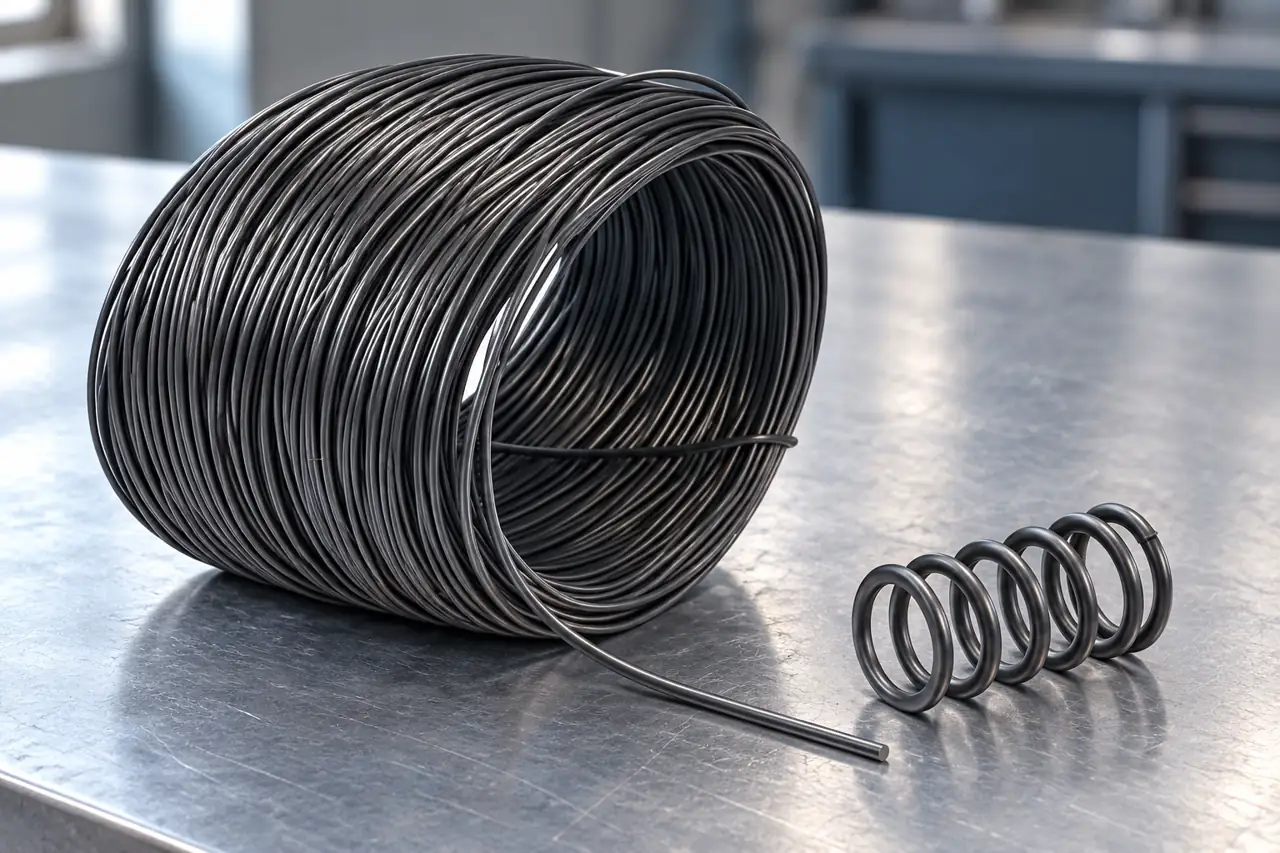
Define the first delivery acceptance boundary
Agree which records and receipt checks will be reviewed before the first production lot enters normal stock. Keep identification distinct from incumbent material during the transition. Set the process for reviewing an exception, rather than treating one approved sample as blanket approval of every diameter and future lot.
Check the payoff package before volume release
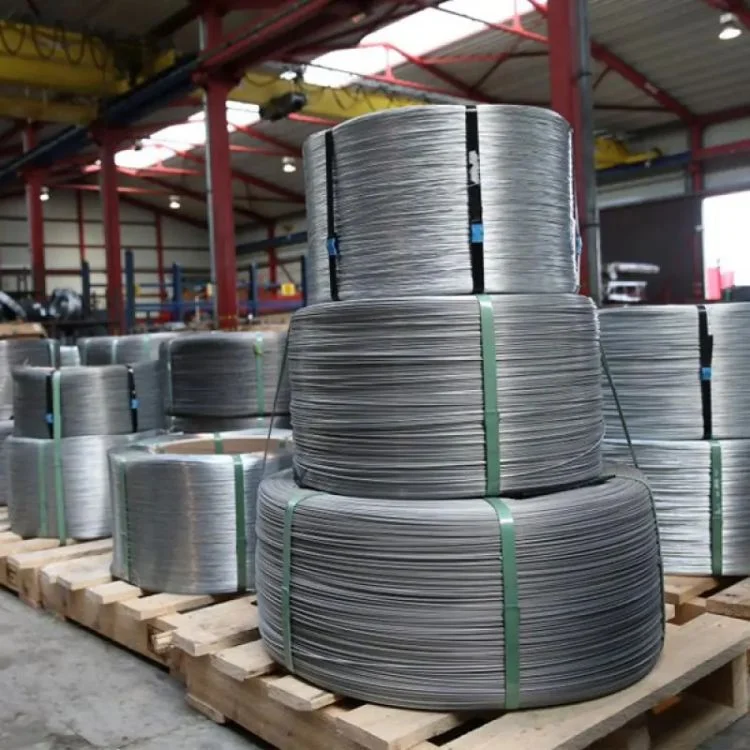
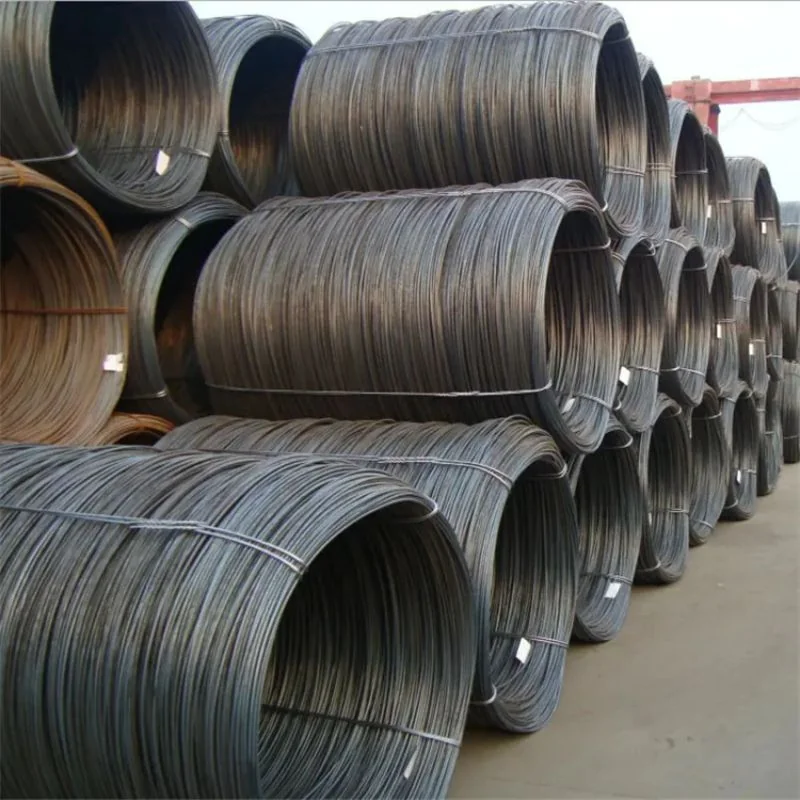
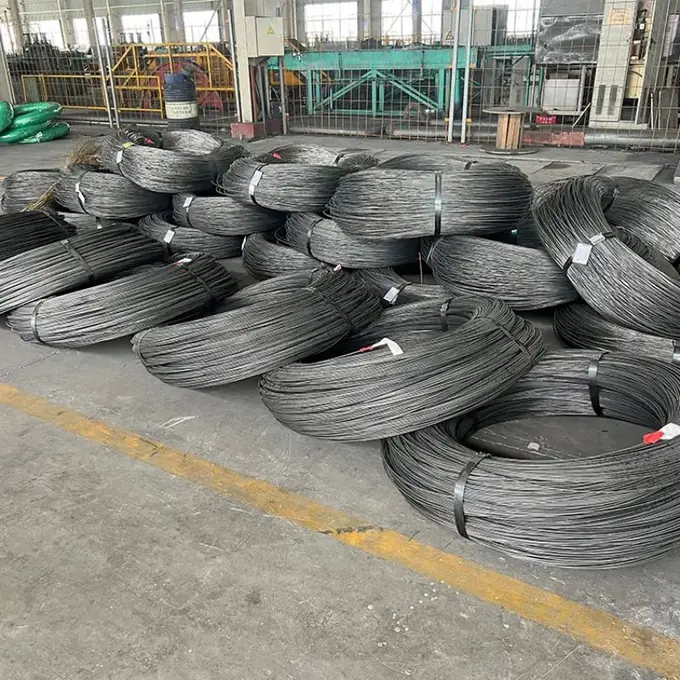
Confirm coil weight, opening, outside size, winding and free-end access against the equipment. Trial enough handling to expose feeding interruptions or damage. Package changes deserve review during a source transition because a technically acceptable wire can still disrupt a spring line when the supply format differs.
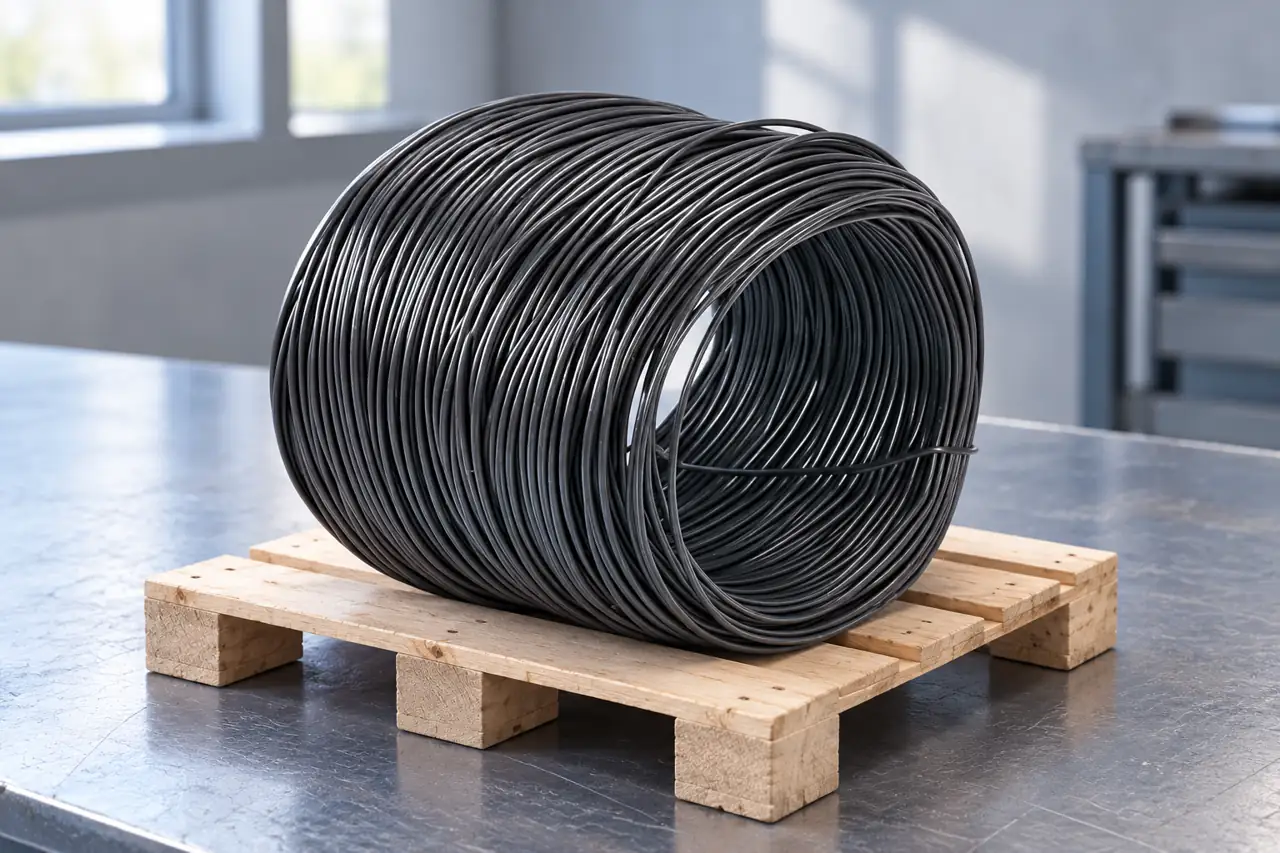
Control changes after the second source is approved
State which changes require notice or renewed review, including material condition, dimensions and supply format. Keep approval attached to the specified wire and intended spring route. Minimum quantities, sample terms and scheduling remain quotation items to confirm; a second-source project does not itself establish reserved production capacity.
Send a controlled second-source enquiry
Send the wire specification, drawing revision, diameter range, current coil format and representative spring requirements. Add the trial quantity, documents needed and target transition sequence. We will discuss the relevant catalogue candidate and confirm the actual offer and evidence scope before you decide whether to qualify it.