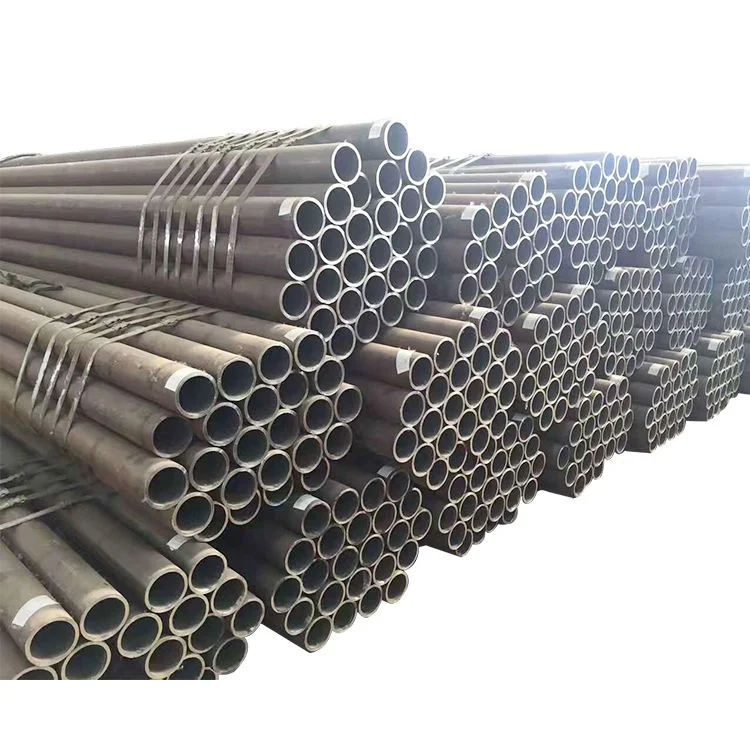
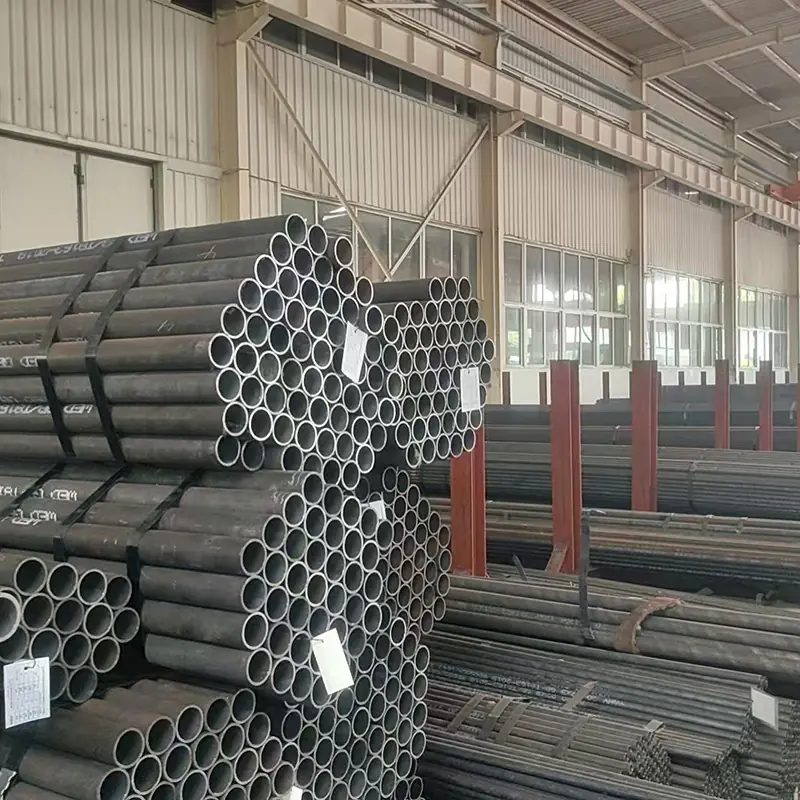
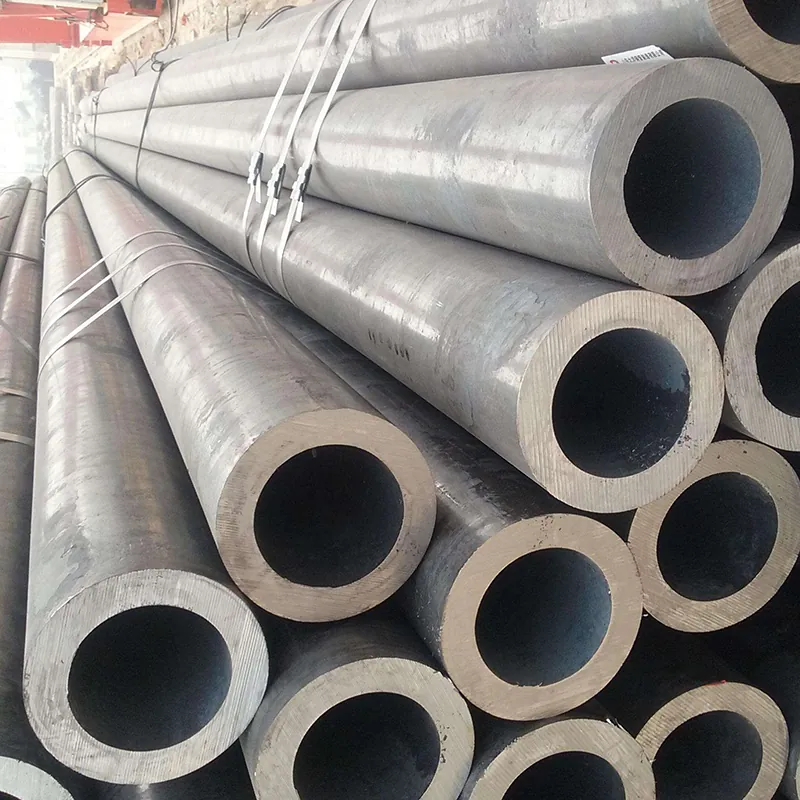
Black ERW Tube for Non-Pressure Frames and Supports
For non-pressure frames and equipment supports, buy black ERW tube against the approved drawing and material requirement. We list black carbon-steel tube enquiries. Share the outside diameter, wall, length and supplied condition so a candidate can be reviewed without treating a broad pipe listing as structural approval.
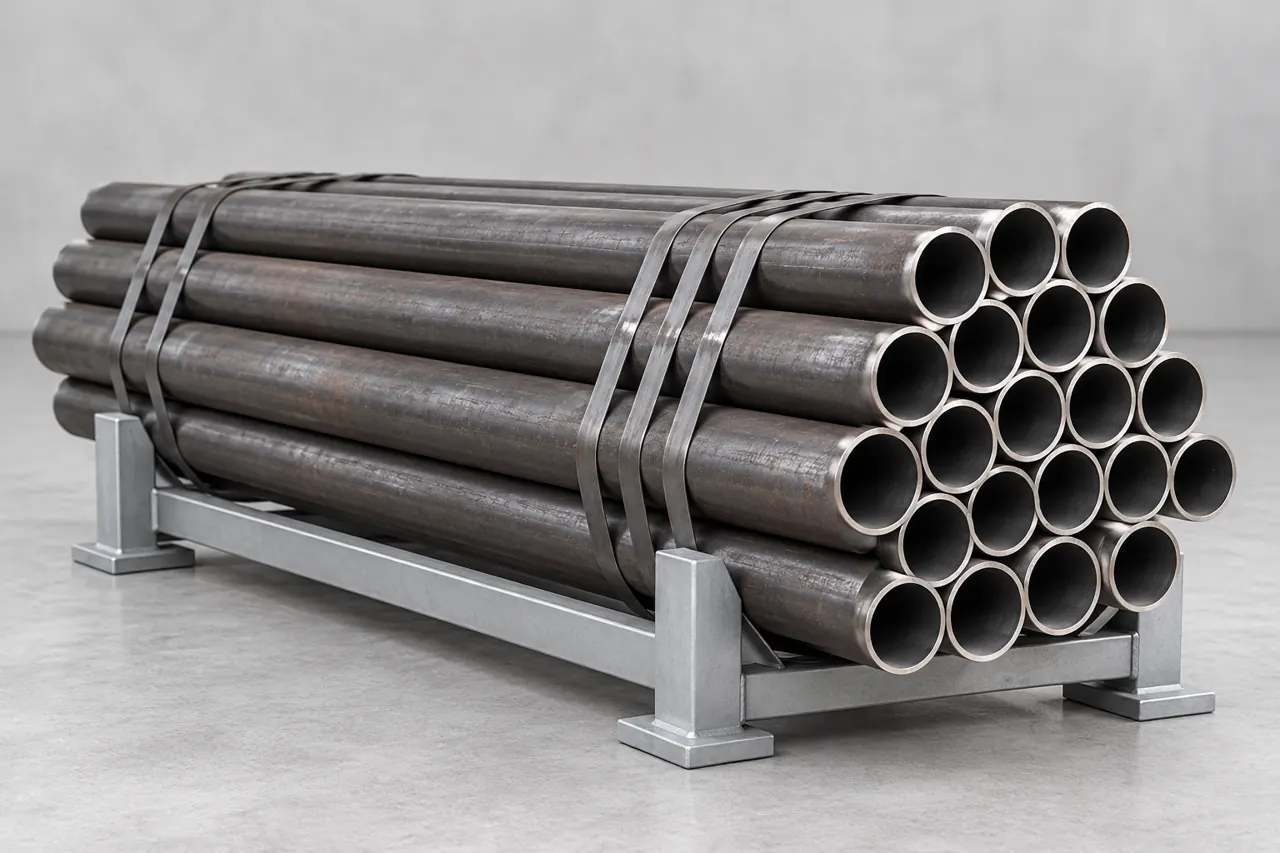
The drawing defines the structural-use boundary
Identify the frame drawing and revision, material designation and intended fabrication. Keep load design and final assembly release with the responsible engineer. Pressure-service terminology elsewhere in a catalogue does not qualify the tube for your frame, and this non-pressure enquiry should retain its own acceptance basis.
Outside diameter and wall thickness need separate values
List outside diameter, wall thickness, cut length and tolerances individually. Add straightness, end condition or other drawing requirements where applicable. A trade size without its dimensional basis can leave two offers describing different tubes, even when both use the same commercial pipe name.
Confirm the ERW product and supplied surface
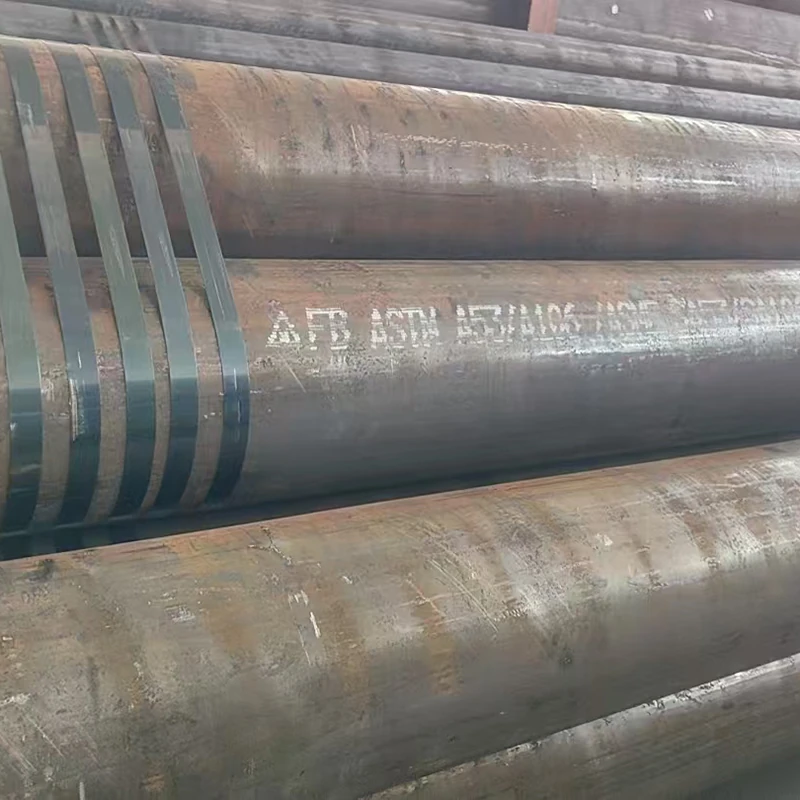
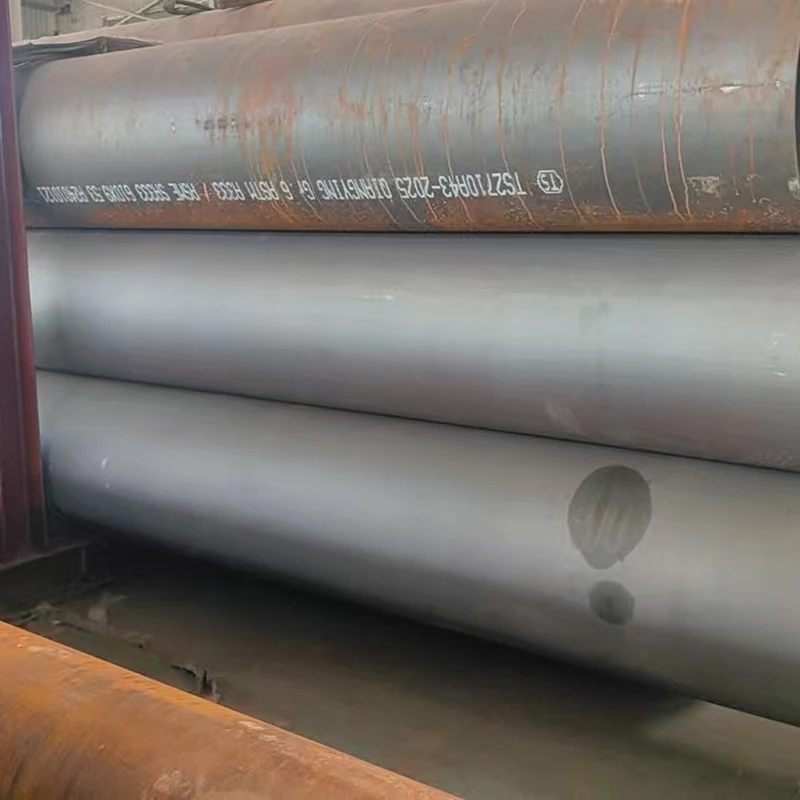
Ask us to identify the actual welded-tube form, material and black supplied condition in the offer. Keep surface appearance separate from material records. If later coating, joining or machining imposes a requirement, include it in the brief rather than assuming the general tube description covers that operation.
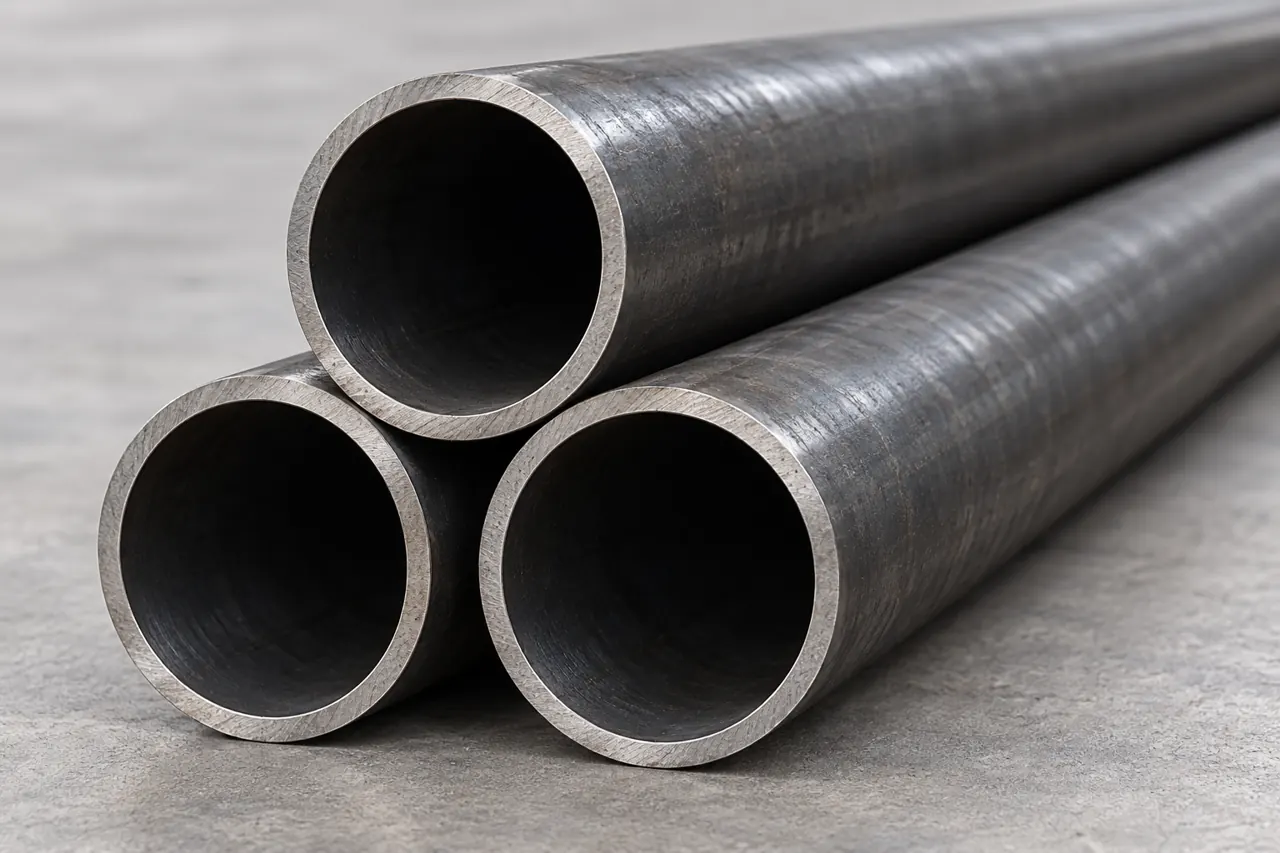
Inspection records should match the purchase features
Request the material identity and available heat or lot connection, then define how dimensions will be checked. Keep acceptance limits and methods explicit for critical features. A material record supports identity, while dimensional inspection establishes whether the supplied tube meets the drawing’s physical requirements.
A fabrication sample can expose interface issues
Trial representative material in the intended cutting, fit-up or joining operation using your approved process. Record the tube reference and inspect the relevant result. Keep that review limited to the supplied material and evaluated operation; it does not replace the design or inspection of the complete support assembly.
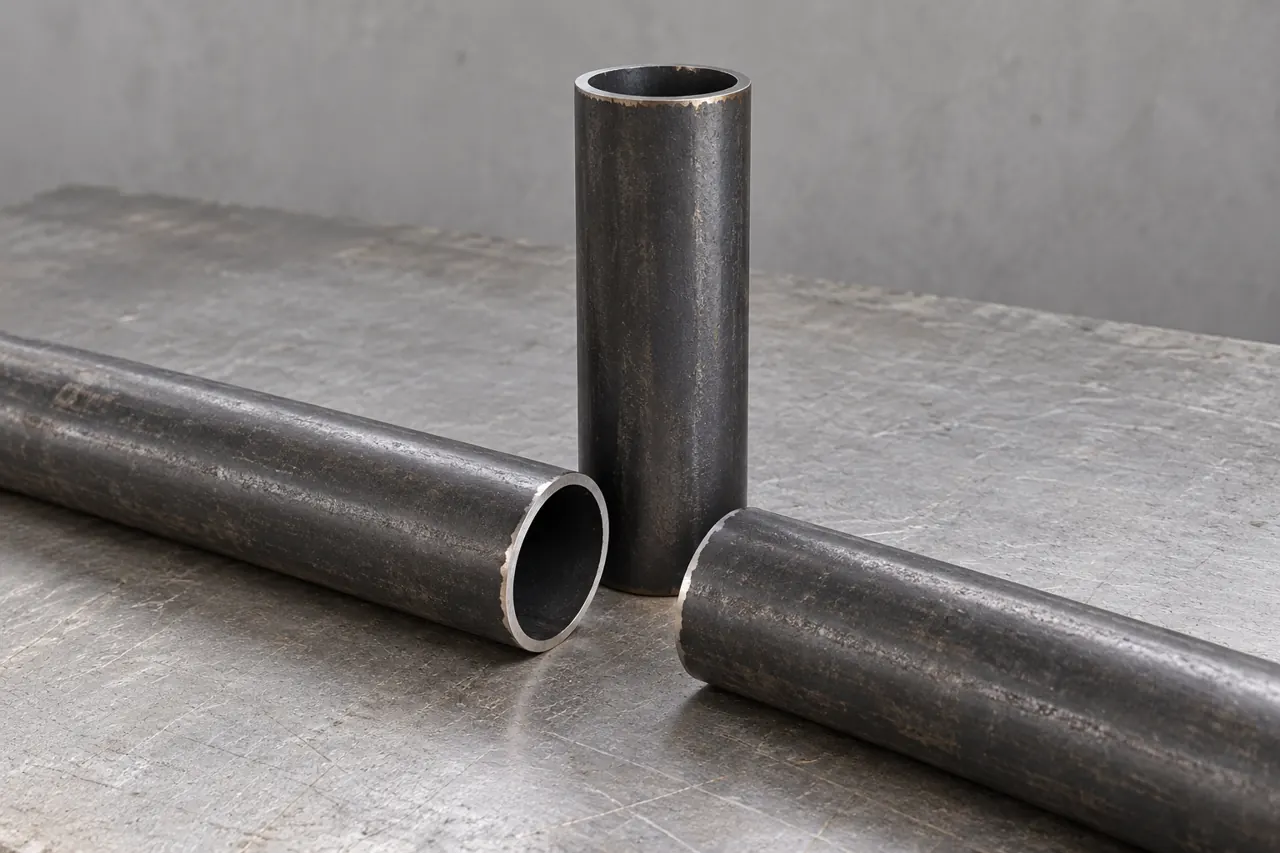
The offer should identify what processing is included
State whether you need standard lengths or prepared pieces. Cutting, end preparation, drilling and further fabrication require explicit confirmation, including who performs them and what records are supplied. Our broader catalogue does not establish every tube-processing step as an in-house service.
Bundle labels should preserve material separation
Define marks that connect each tube bundle to its specification and records. Separate dimensions and material grades, and agree protection for ends and transit. Confirm piece count and purchase quantity on the same basis used in the quotation, especially where cut lengths differ within the project.
A discrepancy needs a measured tube reference
For a wall, length or condition issue, preserve the affected tube and its bundle identification. Record the measurement location, method and unit with photographs. Include the drawing revision used for comparison so the review addresses an actual difference rather than conflicting nominal-size conventions.
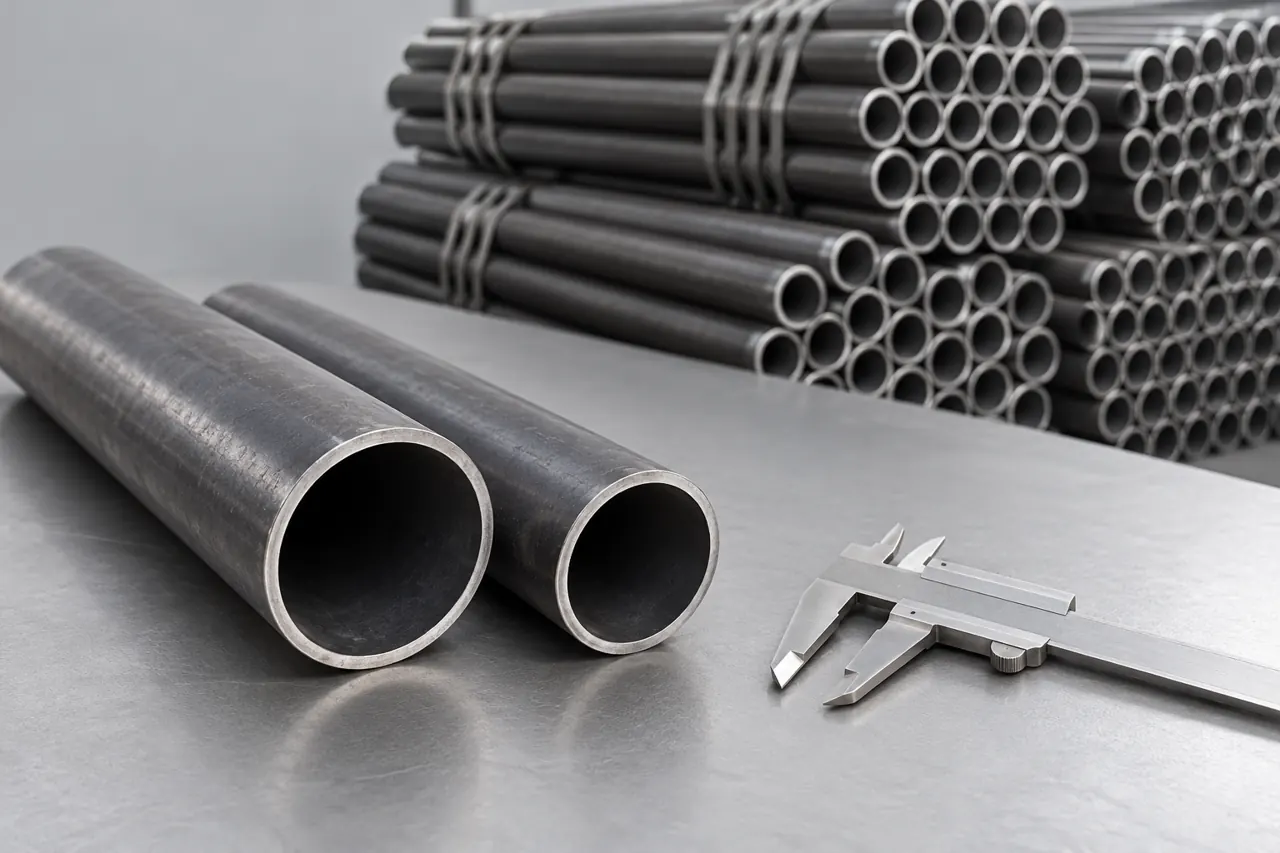
Send the structural-tube schedule with the RFQ
Provide the approved drawing revision, material, outside diameter, wall and lengths. Add tolerances, supplied condition, processing needs and required records. We can discuss the listed tube option and confirm the actual supply scope, quantity and delivery conditions for your project review.