Baling wire replacement for automatic recycling lines
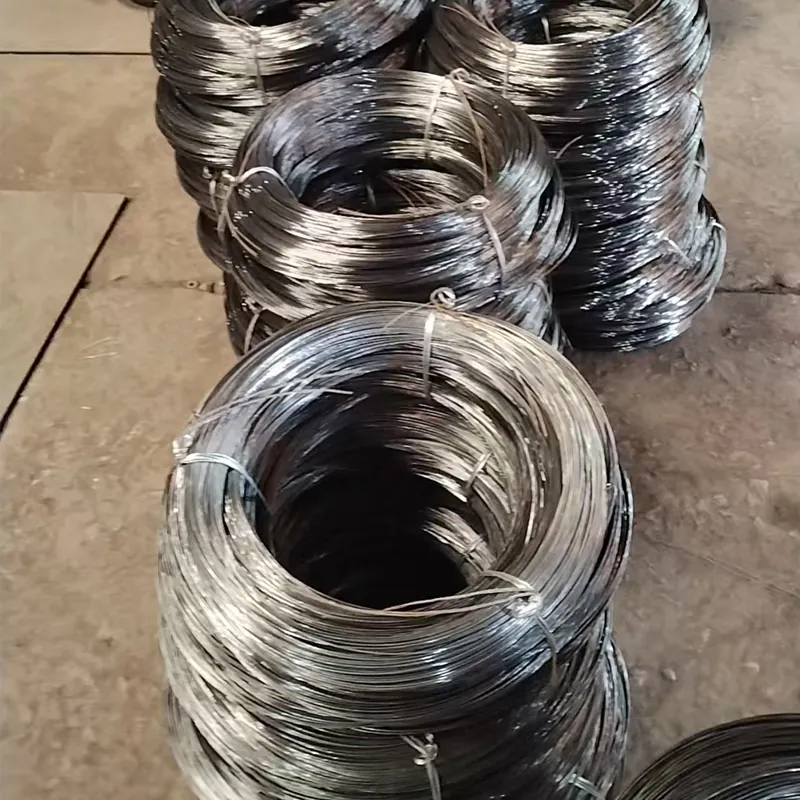
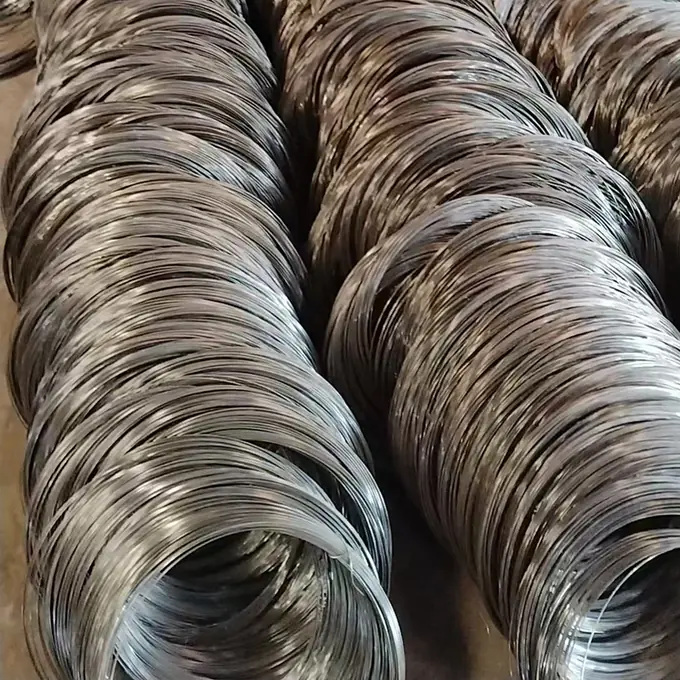
Approve replacement baling wire through the baler model and actual feed package, then test it on representative material. Our black annealed baling-wire catalogue entry is a starting point for discussion. Machine compatibility depends on the specified wire condition, coil format and tying behaviour, and should be confirmed before expanding to recurring supply.
Record the current wire and failure pattern
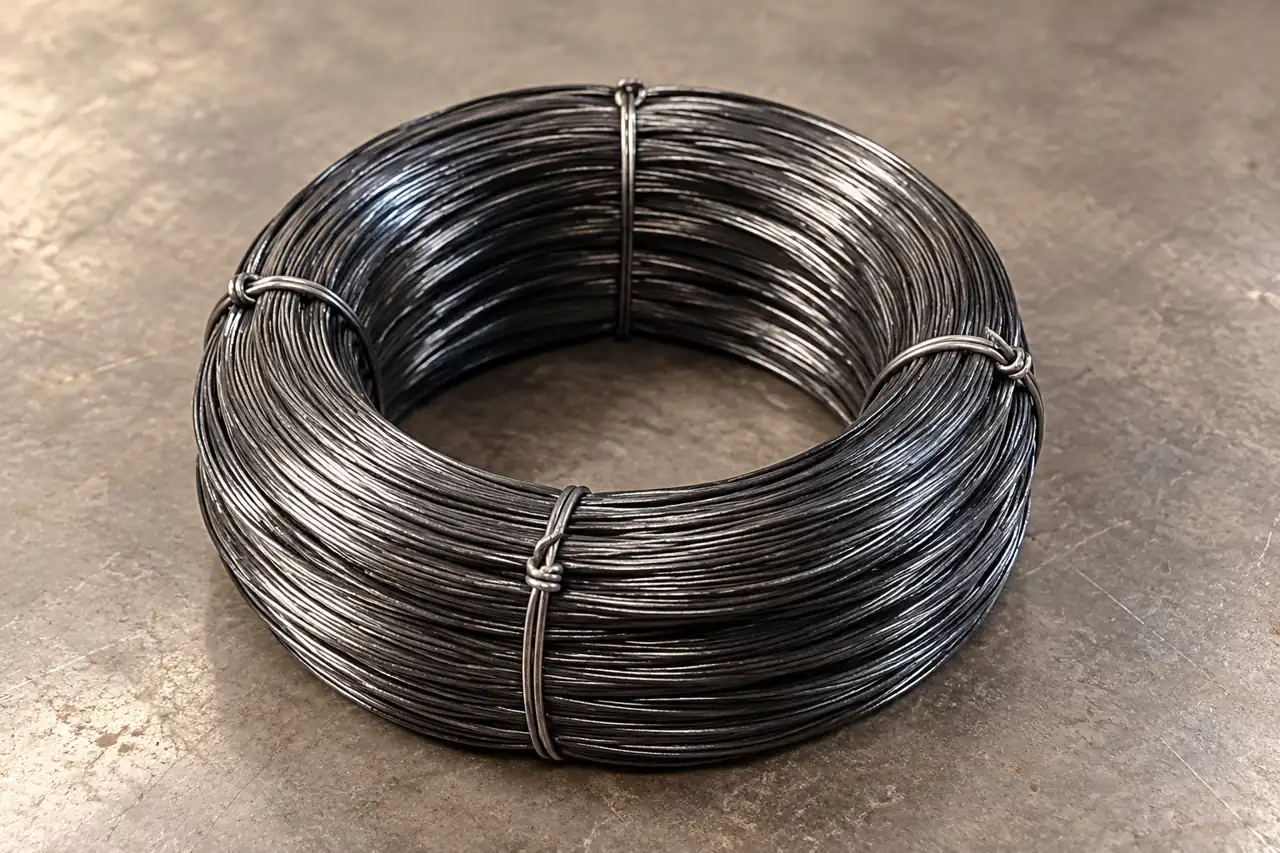
Send the baler model, supplier specification and photographs of the existing wire package. Describe where an interruption occurs: payoff, guide, tying mechanism or completed bale. These observations keep the replacement enquiry focused. They also help distinguish an unsuitable wire proposal from a machine setting or worn component that needs separate attention.
Treat the coil as part of compatibility
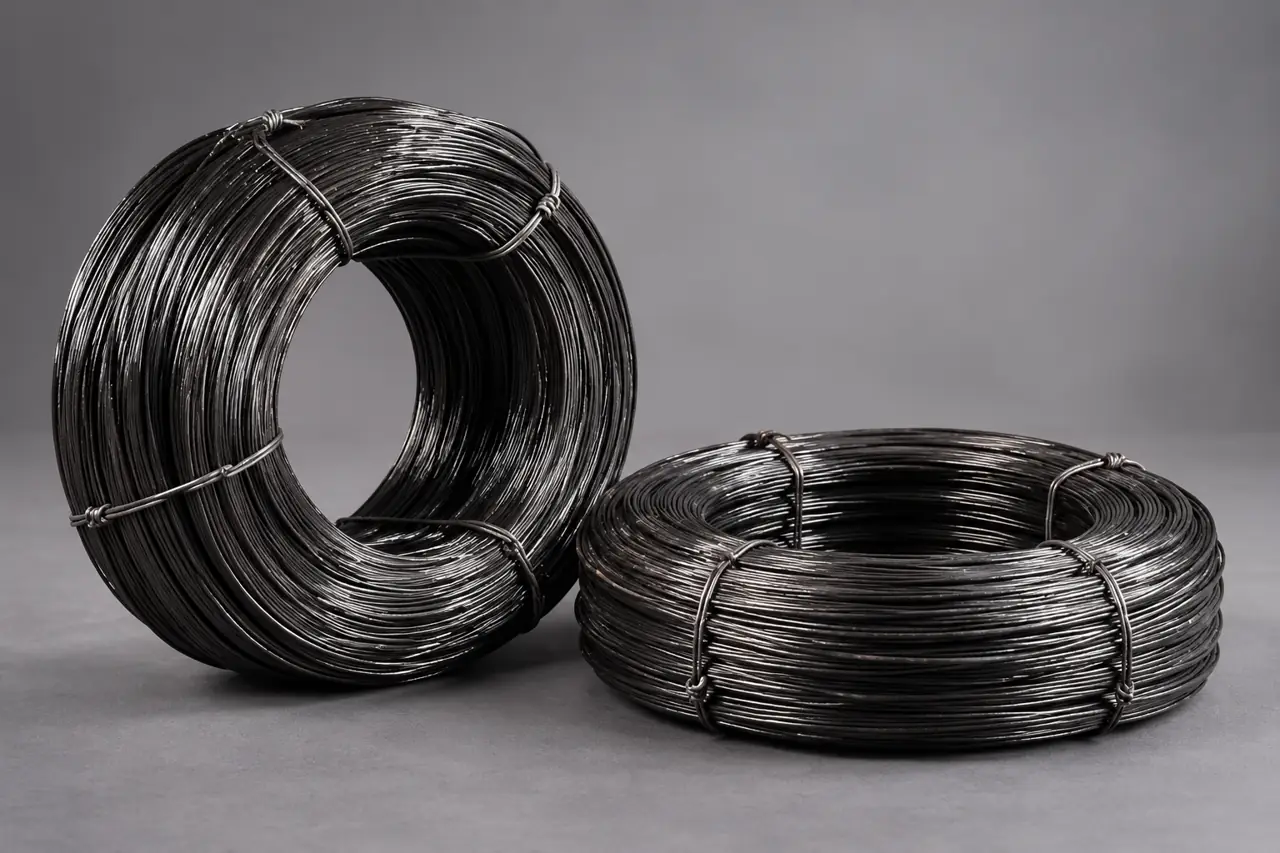
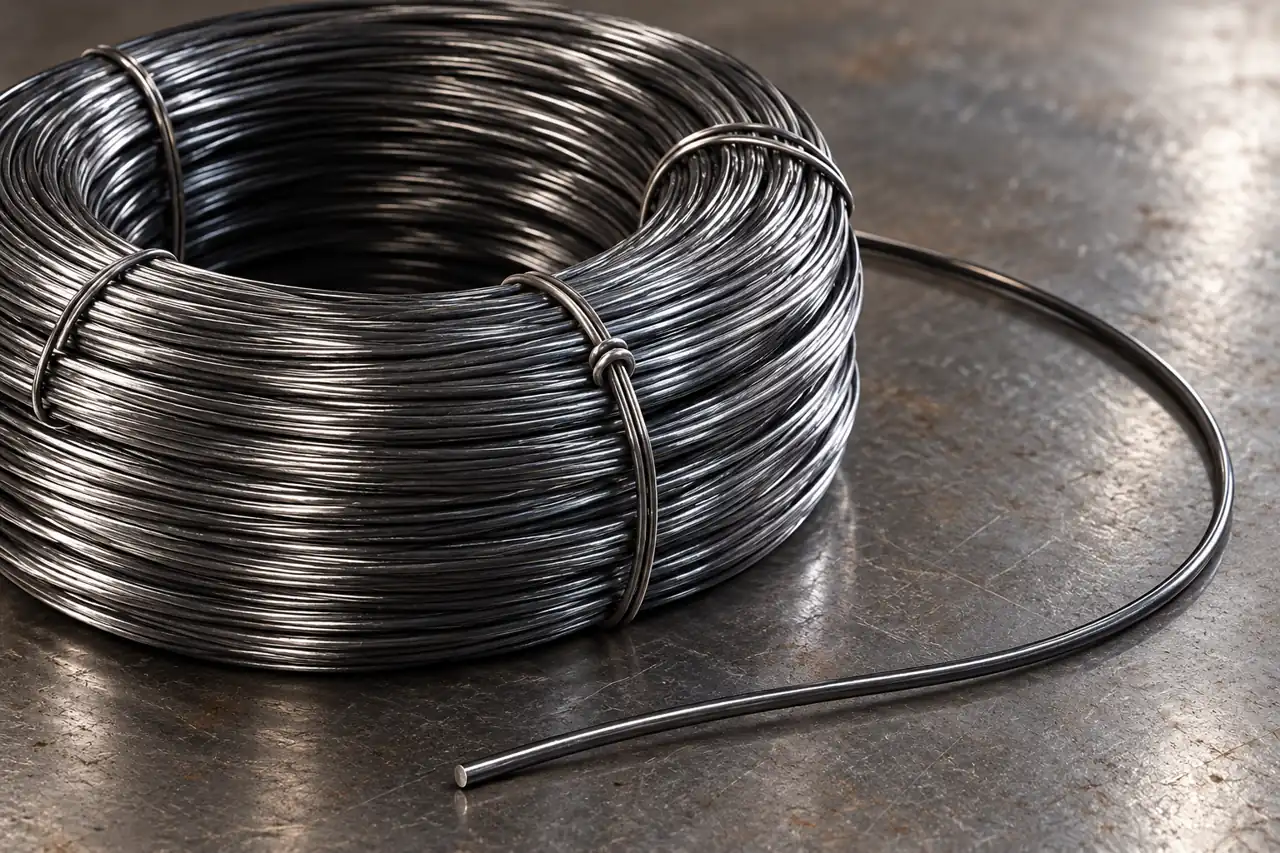
A soft wire can still be difficult to use if the coil does not fit the payoff or releases unpredictably. State the required internal and external dimensions, package mass and unwinding direction. Compare the proposed package with a physical approved example, rather than relying on the word coil in a quotation.
Agree a representative machine trial
Plan the trial with your baler operator and equipment guidance. Include threading, feeding, tying and bale handling under the conditions relevant to your recycling stream. Record the trial wire lot and any settings changed. A short successful feed is useful evidence, but it does not replace evaluation of the completed tie.
Define the wire properties behind the trial
Request the material identity, diameter range and supplied mechanical condition for the proposed wire. Do not equate a smooth appearance with a confirmed strength or ductility requirement. Your technical specification should state which properties need test records and which acceptance checks are performed on incoming coils or during machine validation.
Check the first replacement delivery carefully
Compare the delivered package with the trial coil before loading. Inspect winding disturbance, surface contamination, corrosion and damaged ties, then verify lot identity against the documents. Retain a small reference sample where practical. If the package differs, record the discrepancy before operators compensate with adjustments that obscure the source of the issue.
Make the supplier proposal specific
Qingdao Relia Industries Co., Ltd. focuses on steel wire and steel shot manufacturing. For this baling-wire enquiry, ask us to confirm the exact supplied condition and package proposed for your baler. Production responsibility, available testing, trial quantity and any special winding requirement should be stated for this order rather than inferred from the listing.
Preserve winding through transport and storage
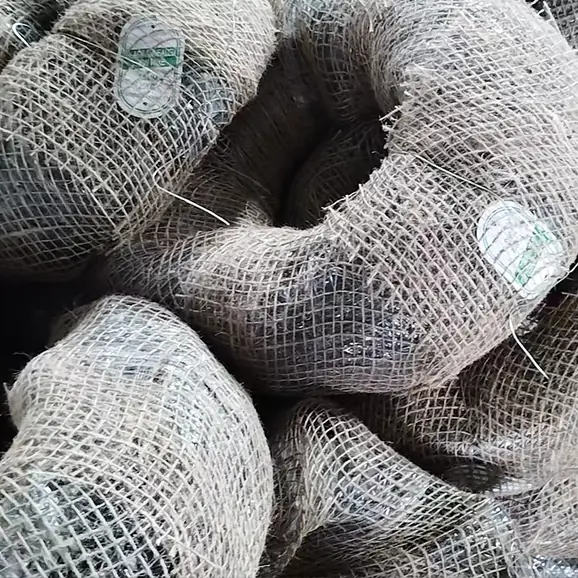
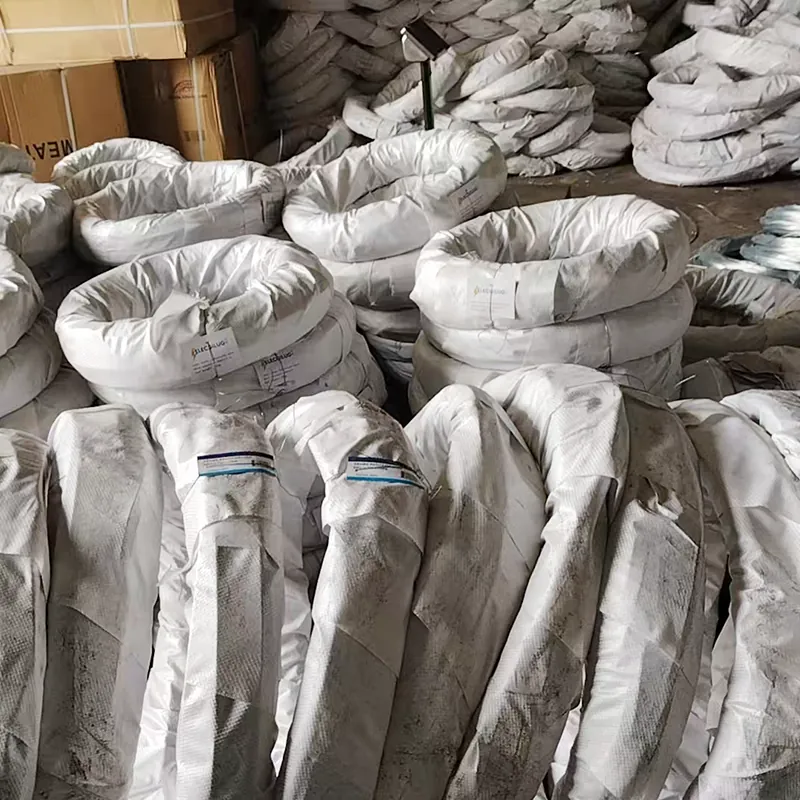
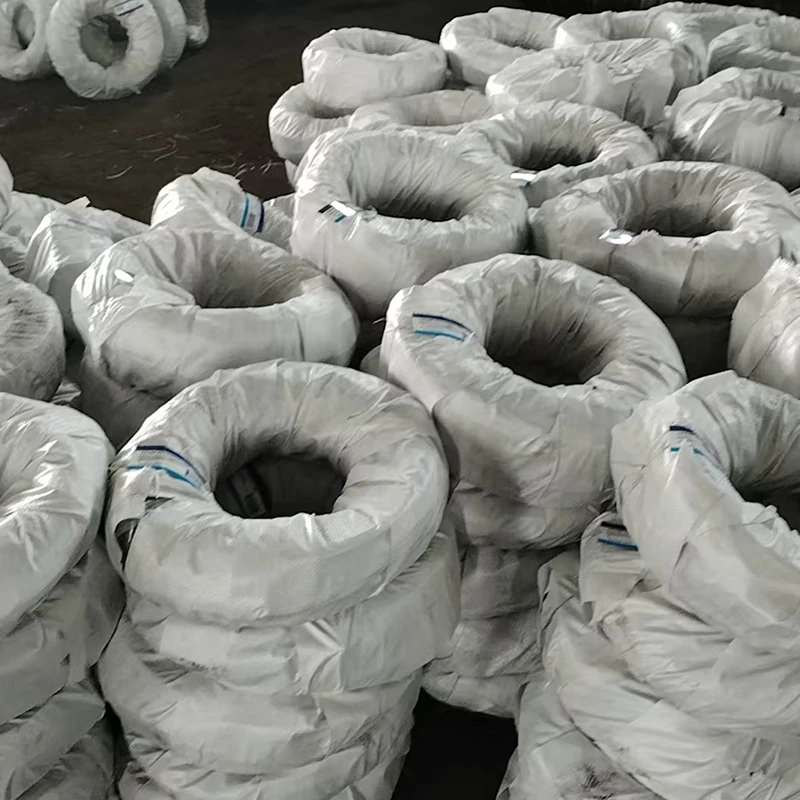
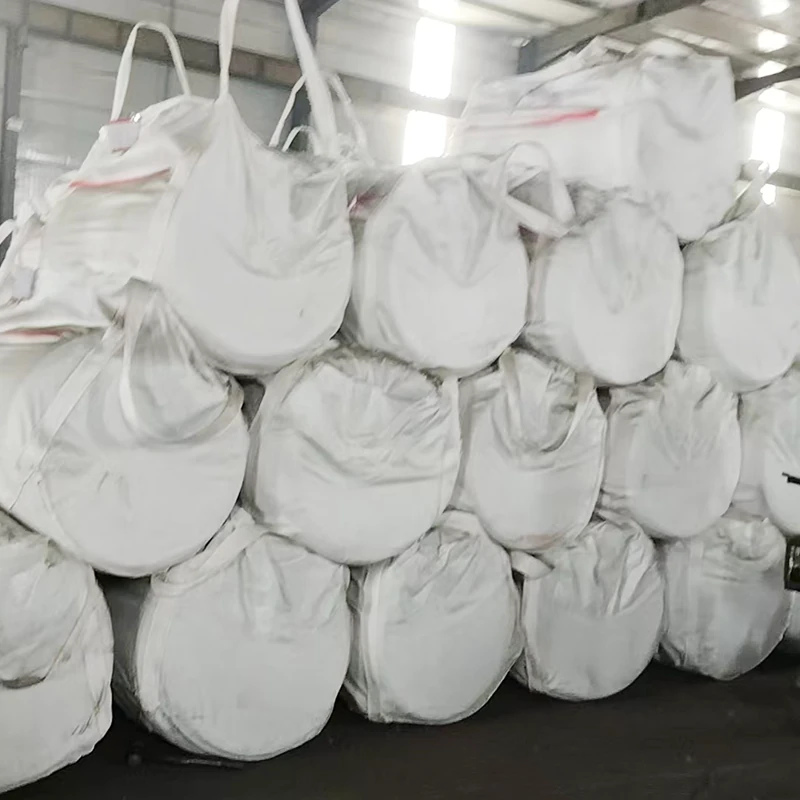
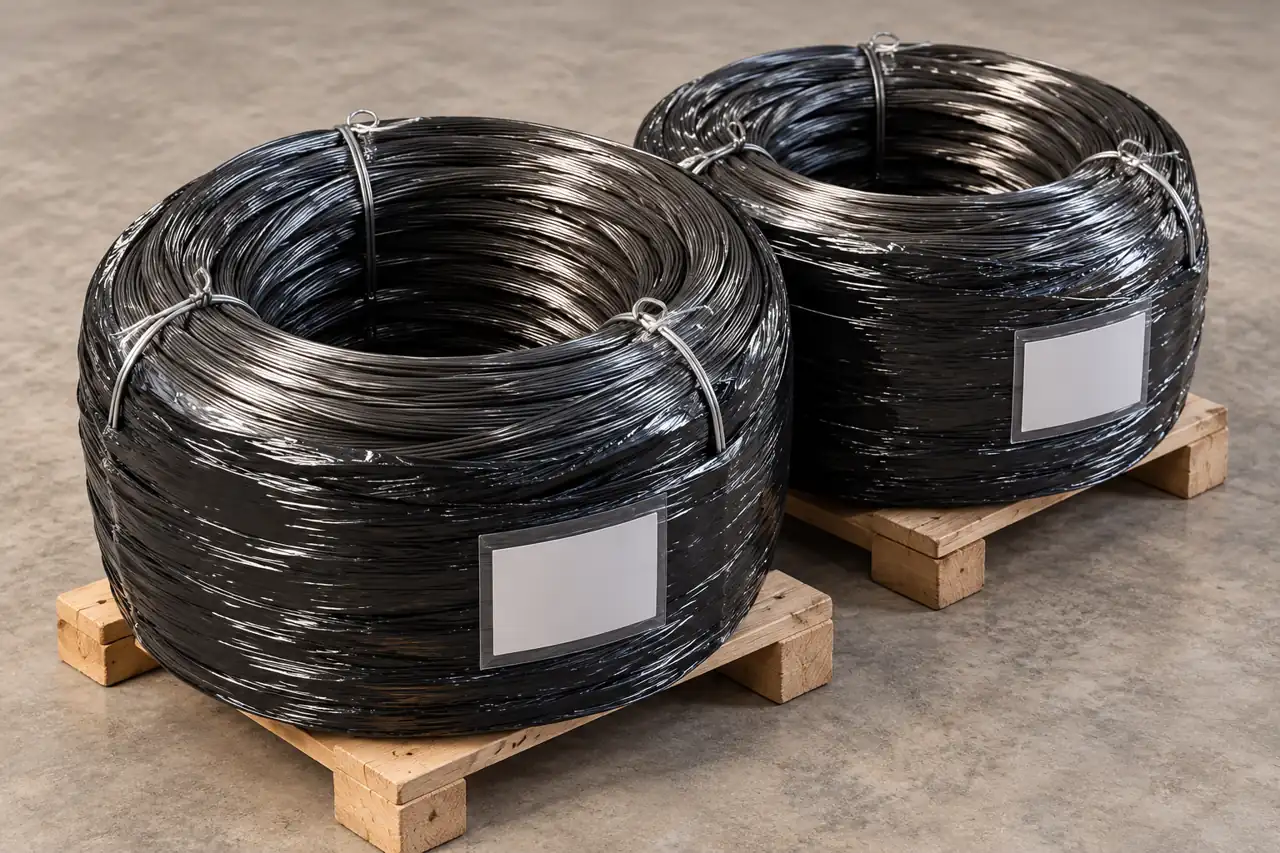
Agree protective wrapping and a handling arrangement that keeps the coil stable until use. The label should remain readable after the outer transit protection is removed. Store wire according to the confirmed supplier guidance, and keep different sizes apart so a substitute coil cannot enter the baler simply because the packages look similar.
Control the first repeat batch
Reference the approved coil, wire specification and trial record in the repeat order. Check whether the supplied condition or winding format has changed before release. When an interruption appears, retain the affected wire and package information along with operating observations. That gives both teams a useful basis for an evidence-led review.
Send a baler-specific replacement brief
Share the equipment model, existing wire specification, coil dimensions and the recycling material being processed. Add your observed problem, trial quantity, repeat demand and destination. We can review the relevant baling-wire proposal and confirm the sample, packing, documentation and commercial conditions required for a controlled change of source.