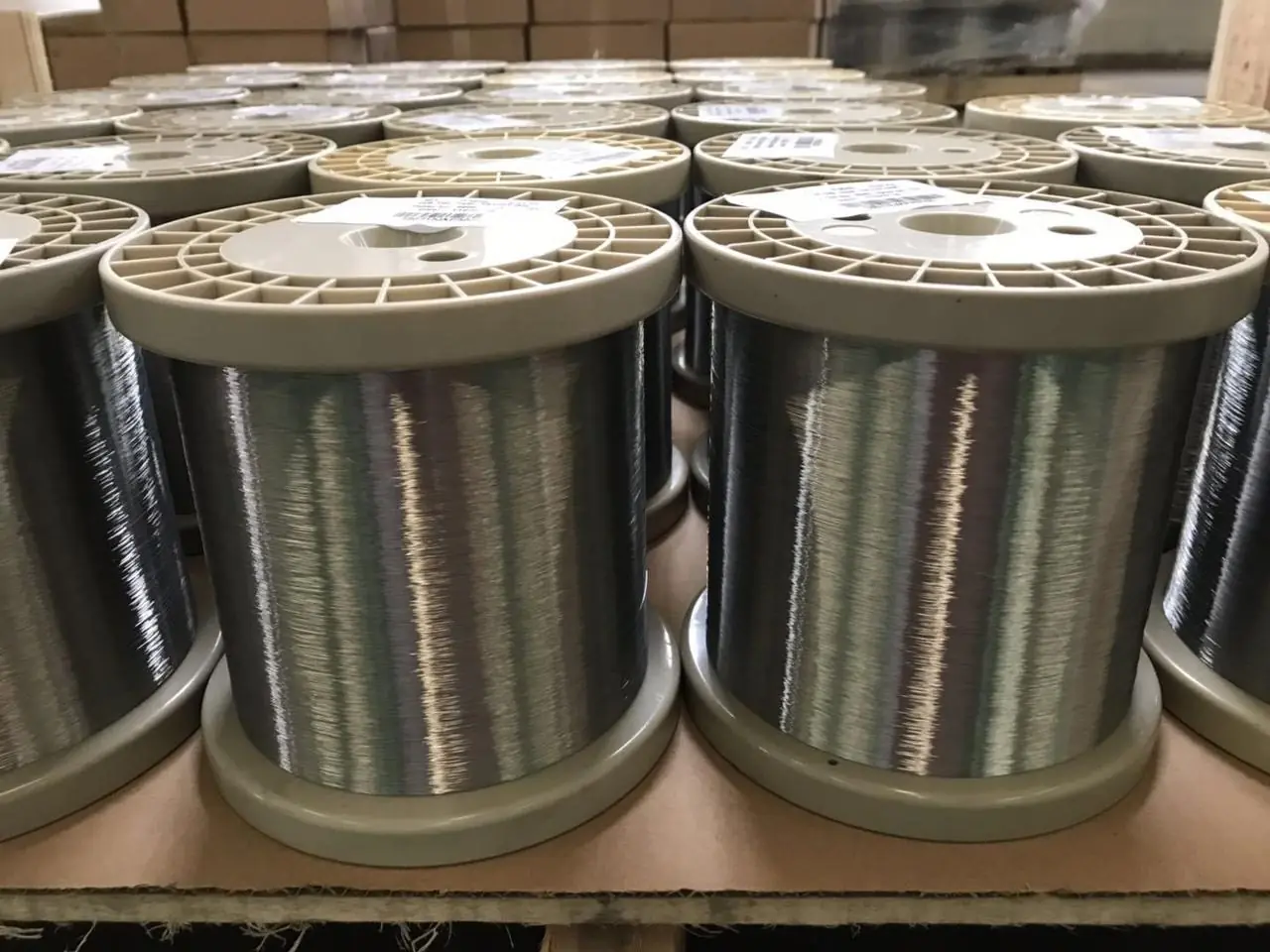
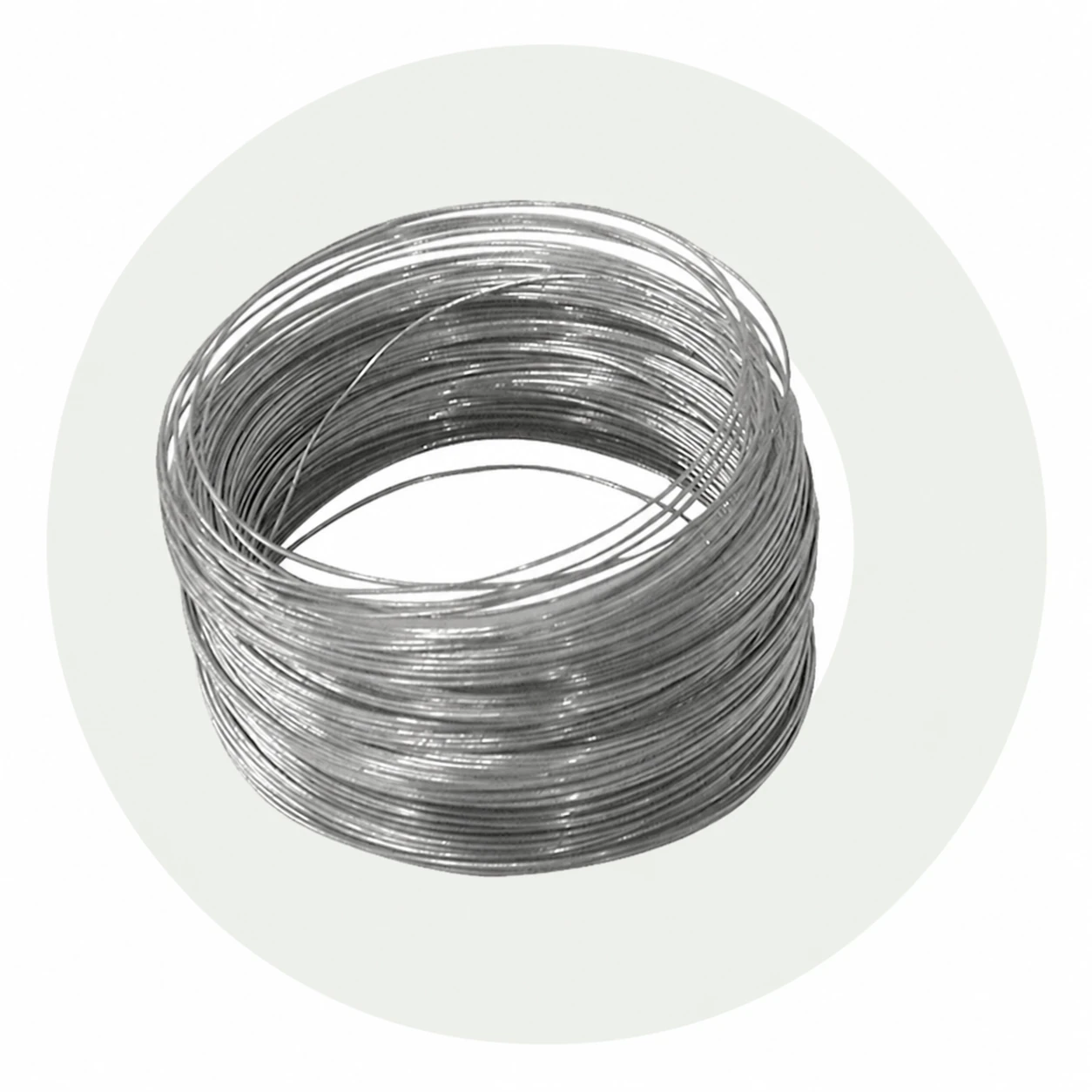
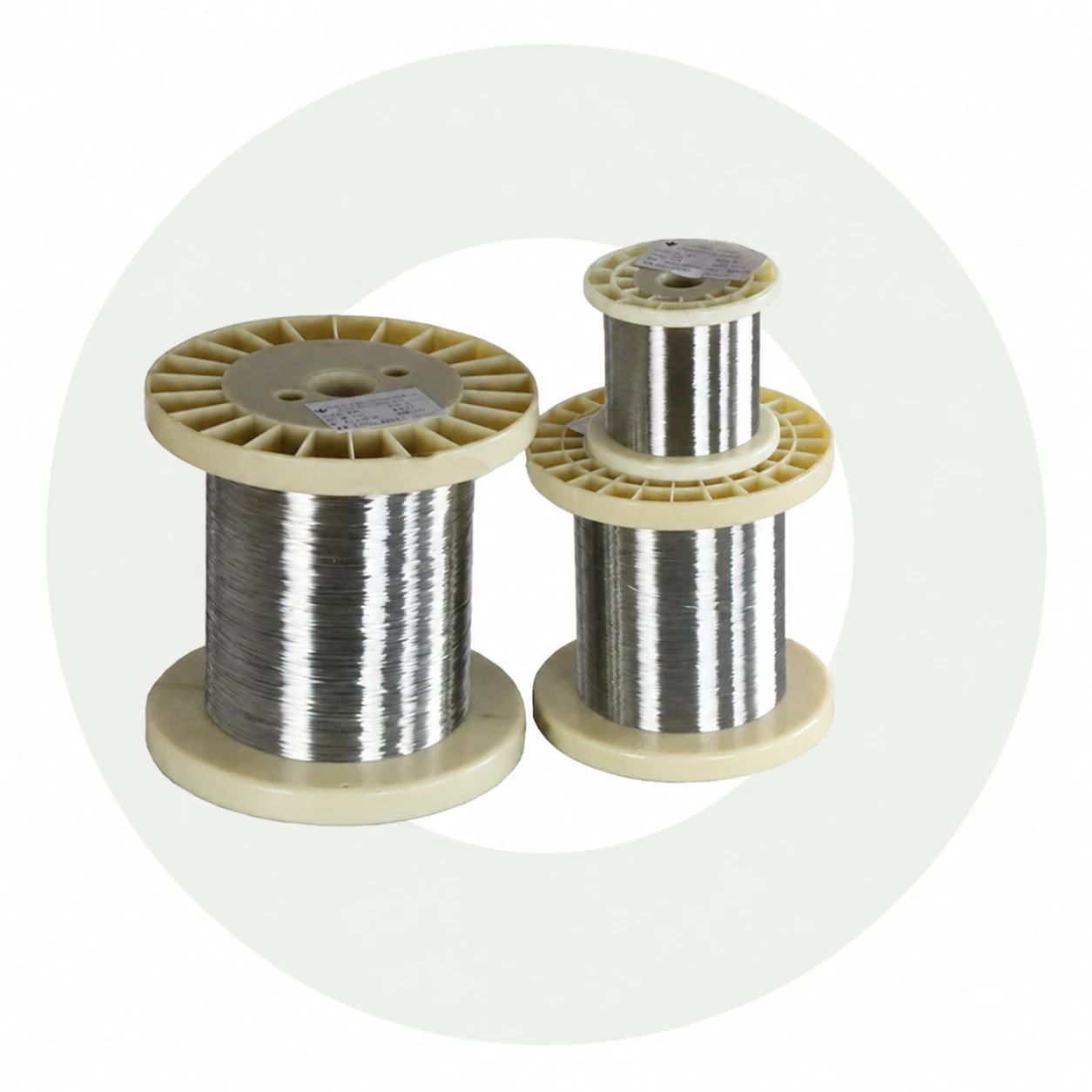
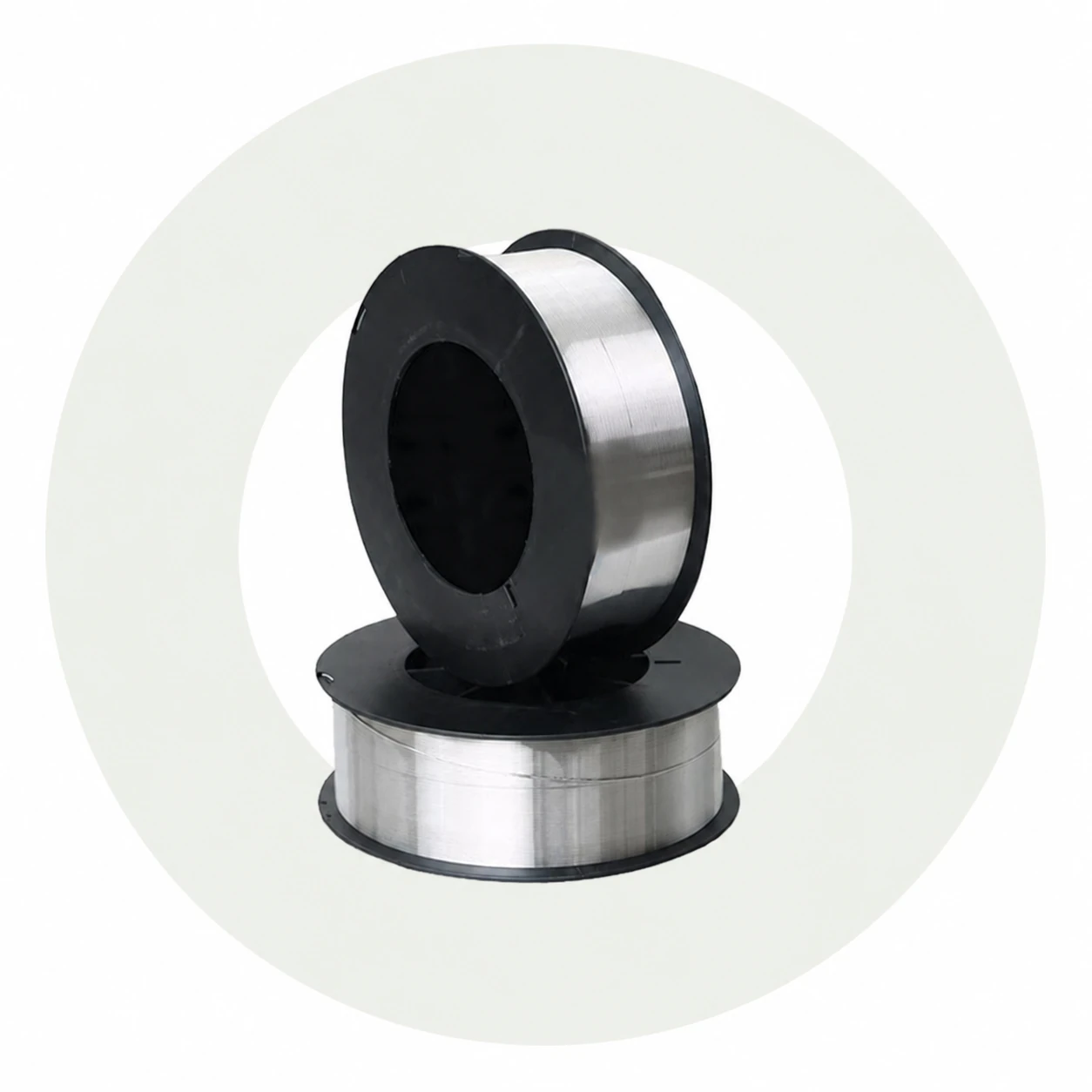
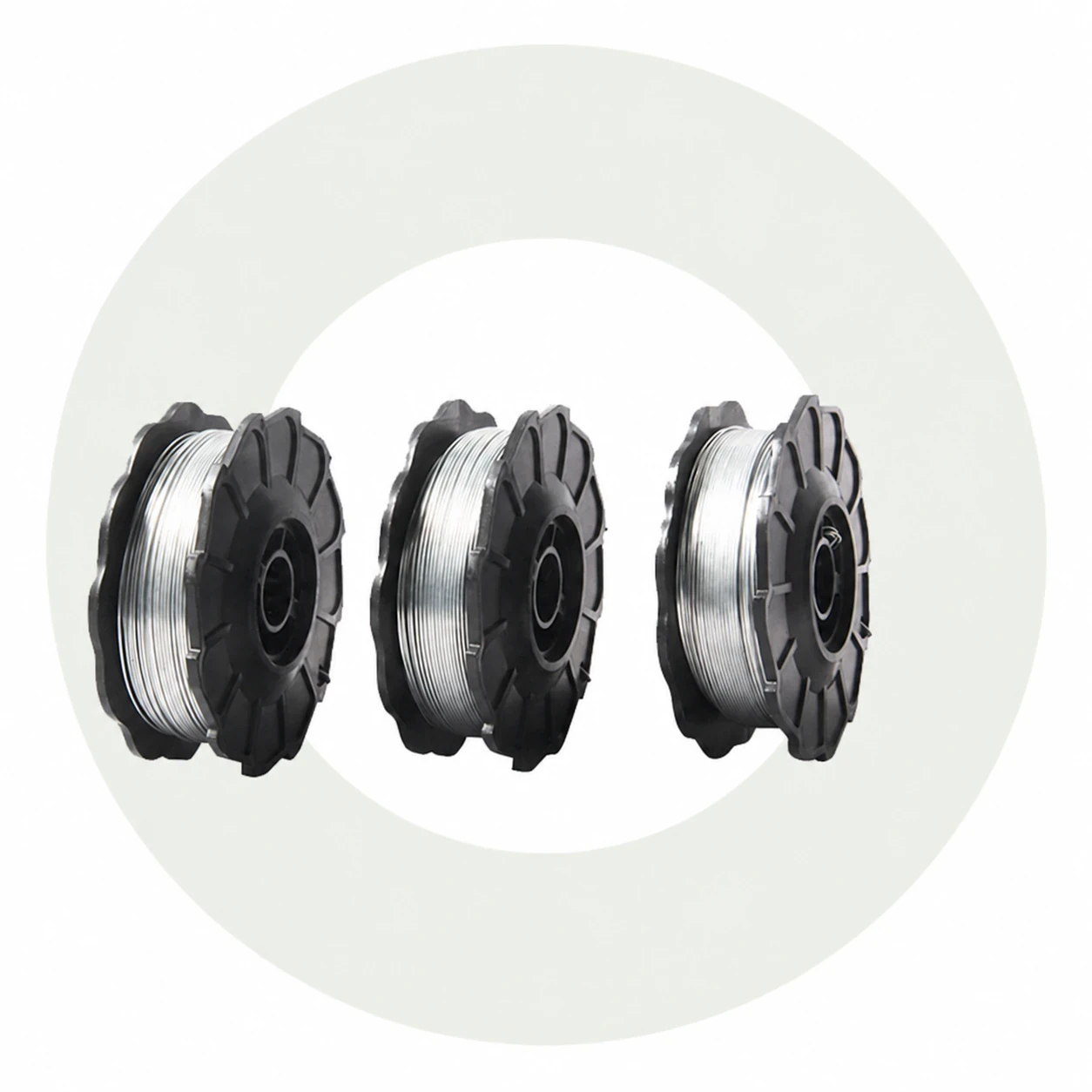
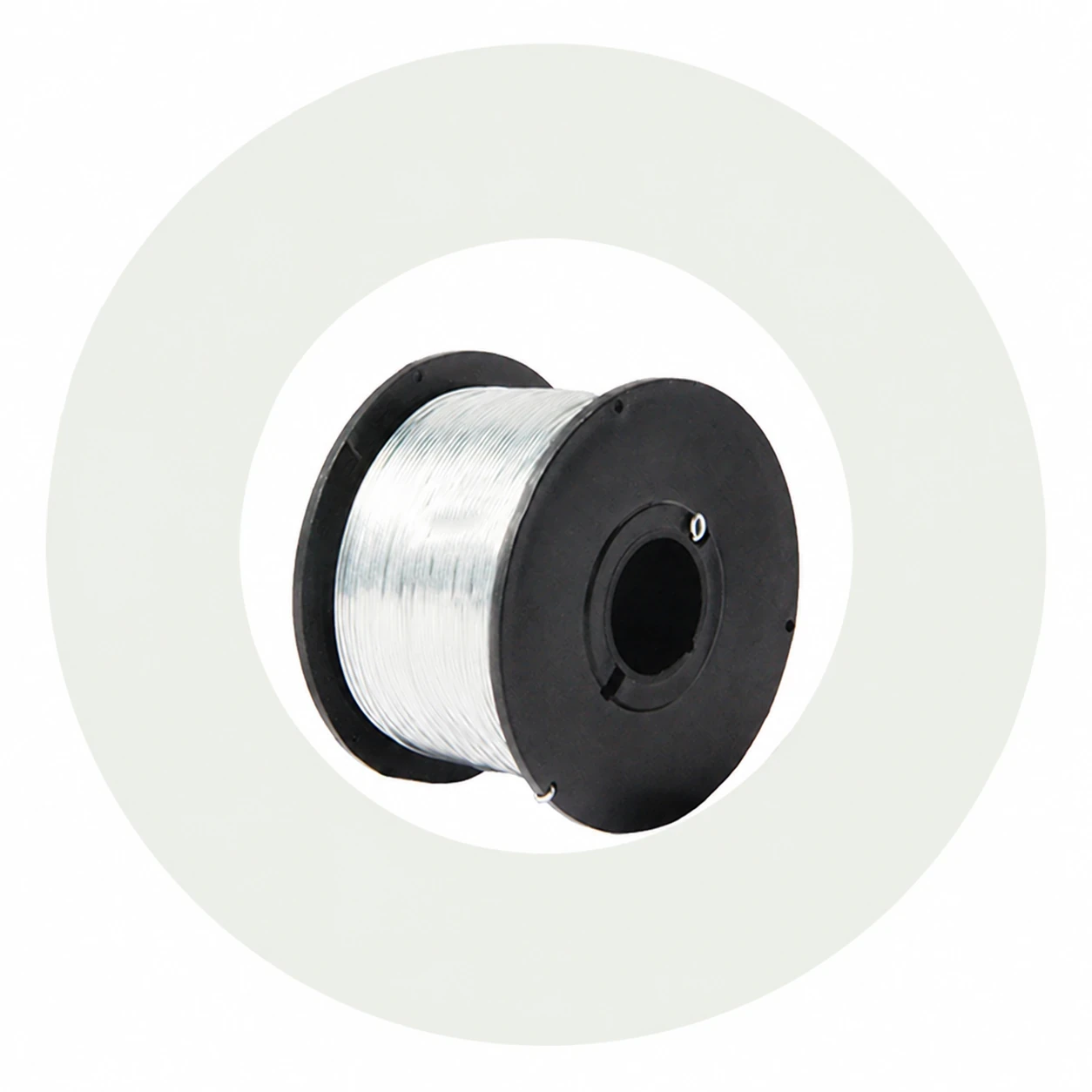
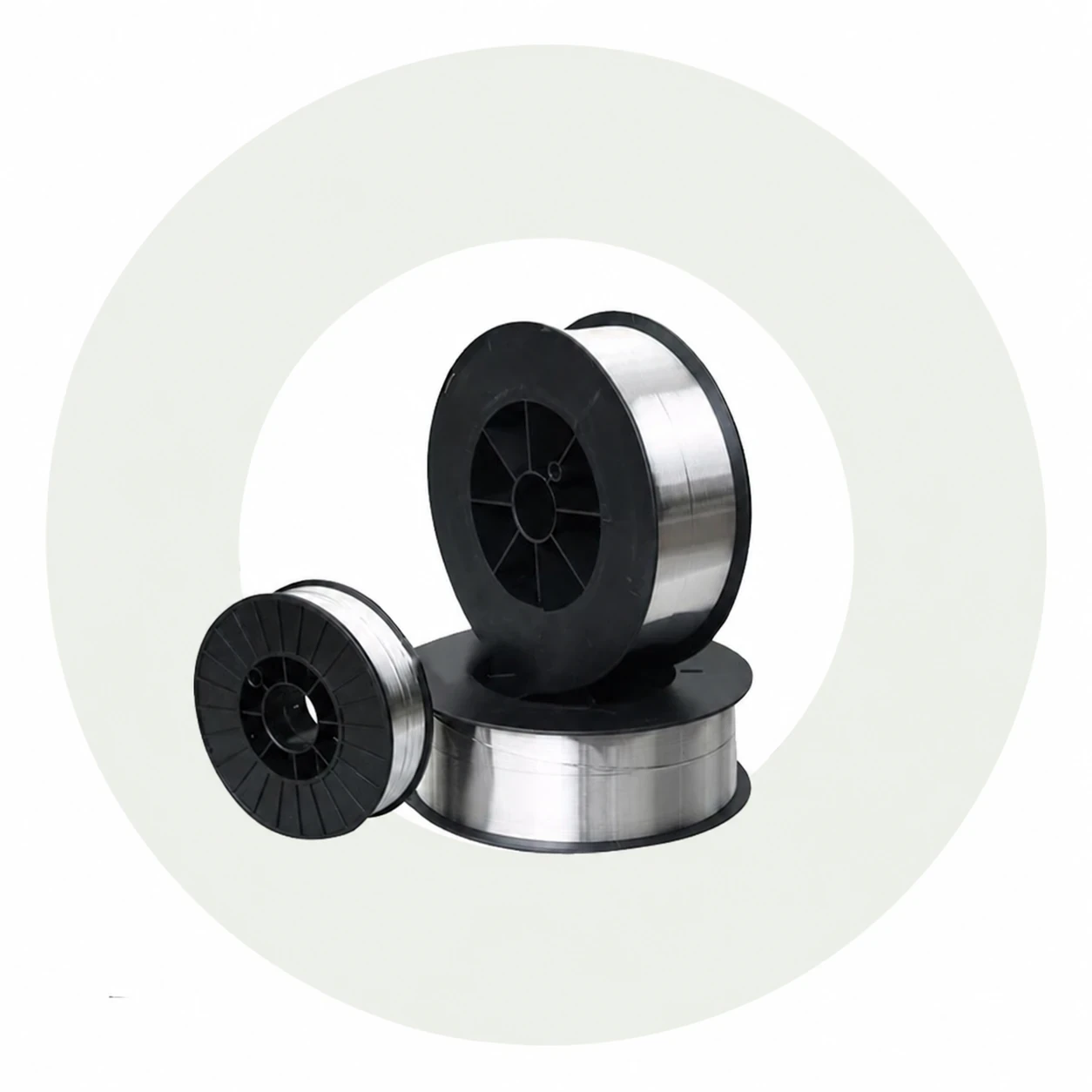
Stainless wire feedstock for further drawing
Confirm the physical feedstock before comparing stainless drawing offers: actual wire or rod form, alloy, diameter and supplied condition. Our catalogue naming includes both wire and rod language. We can review the enquiry, but the written proposal and representative sample must resolve that identity before a drawing trial begins.
Describe the drawing route you control
Provide the intended finished-wire requirement and the preparation and drawing route used by your factory. State the incoming form your equipment accepts. This keeps the enquiry focused on feedstock rather than finished wire that may have a different condition or purpose despite similar catalogue wording.
Resolve rod and wire terminology explicitly
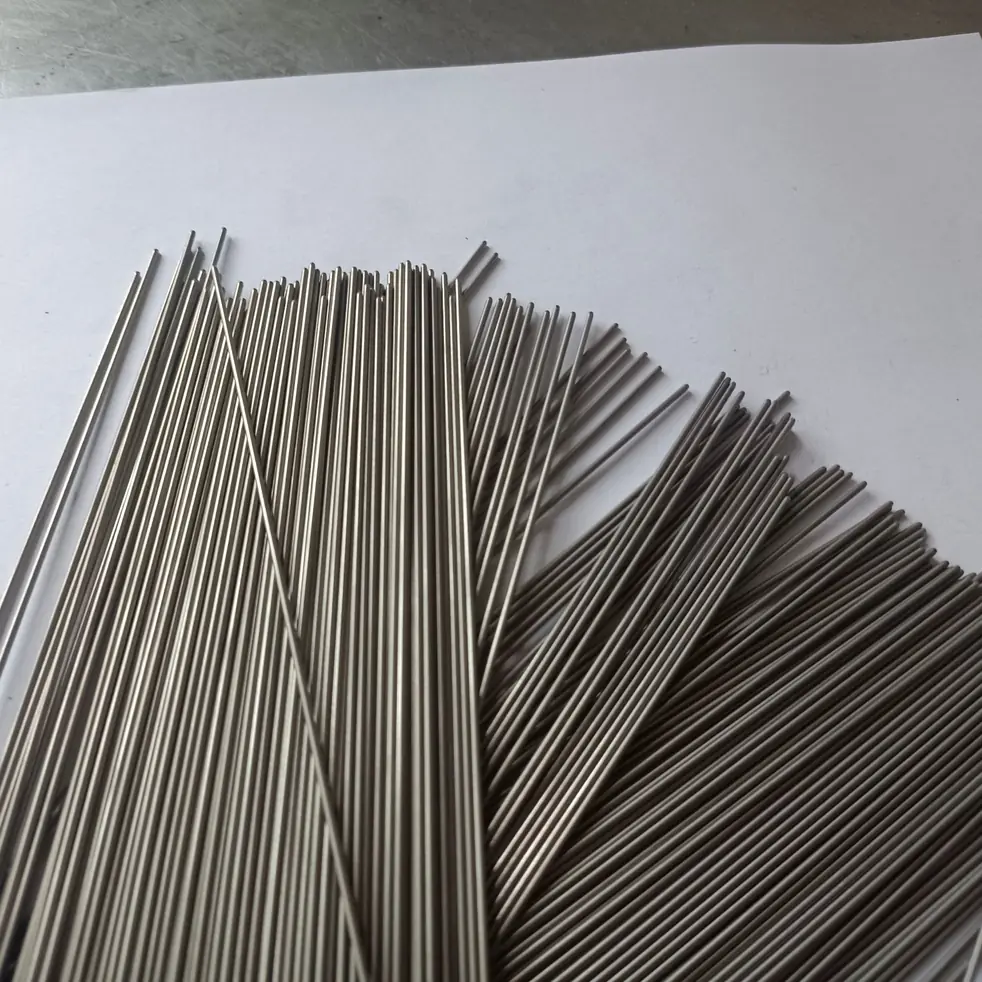
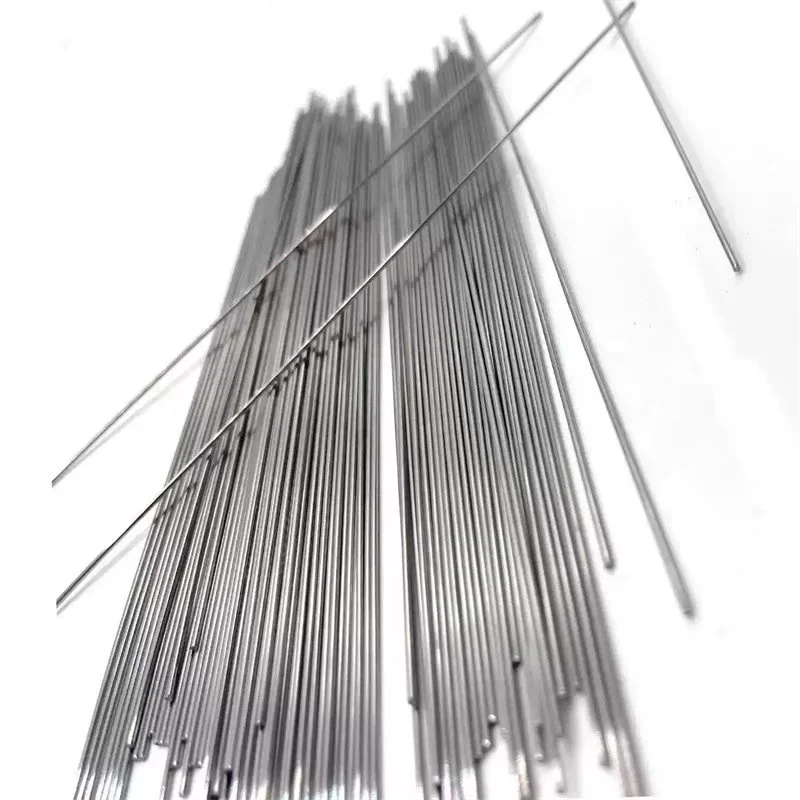
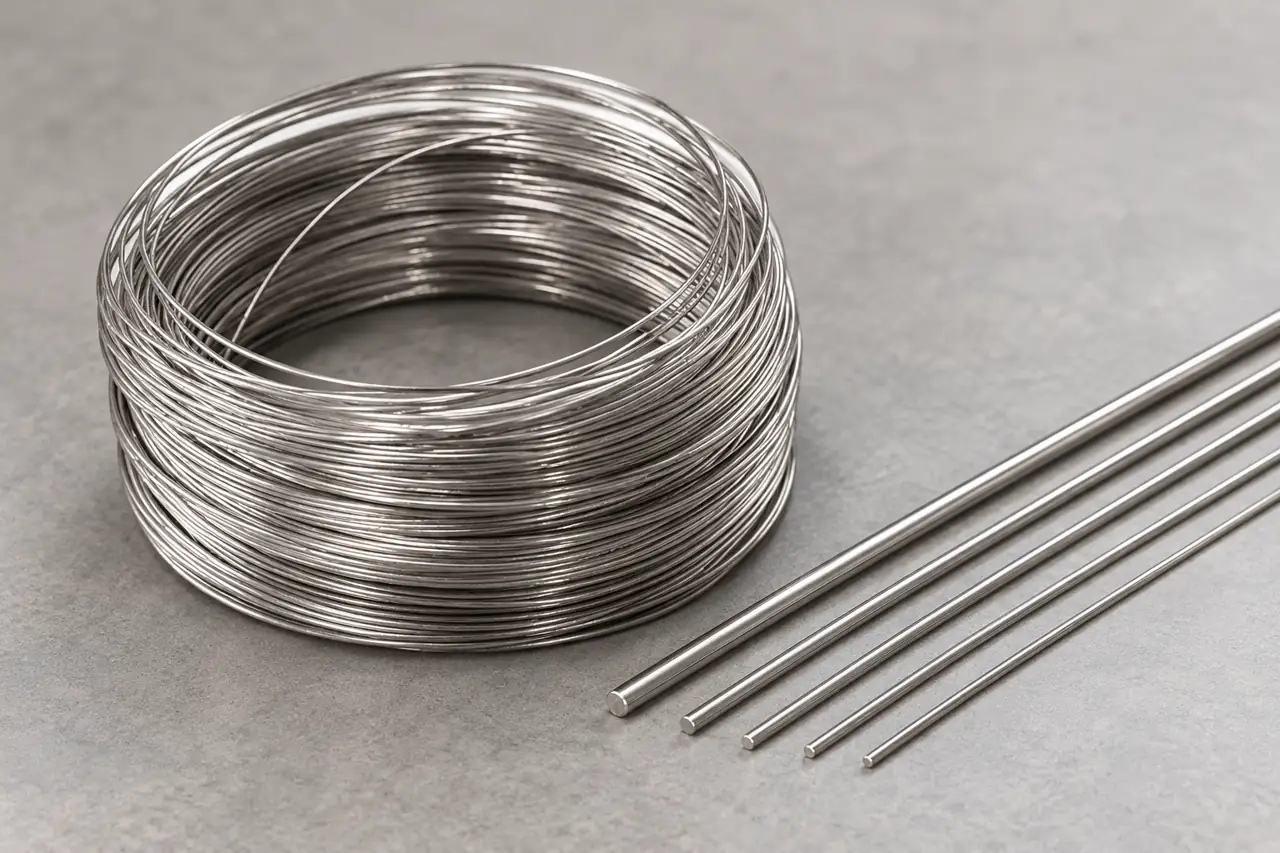
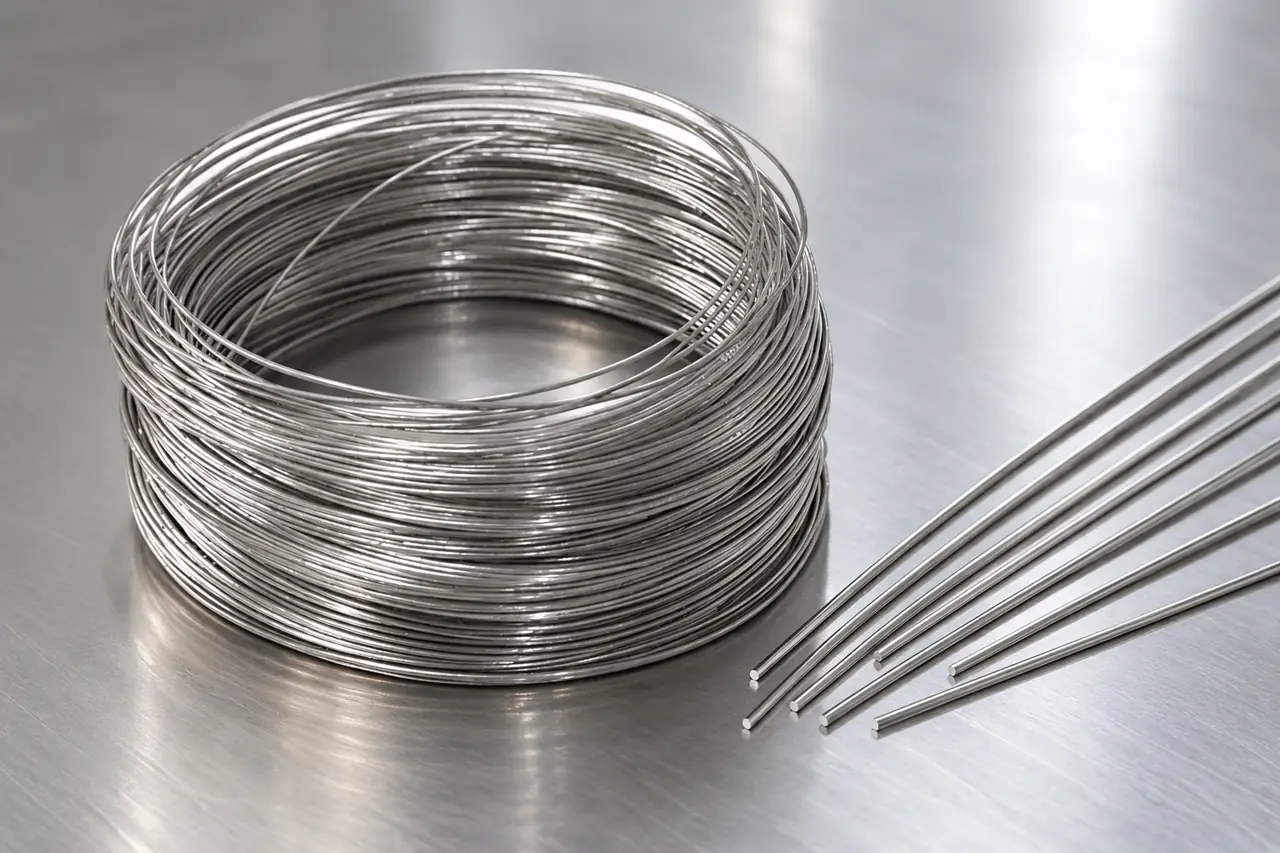
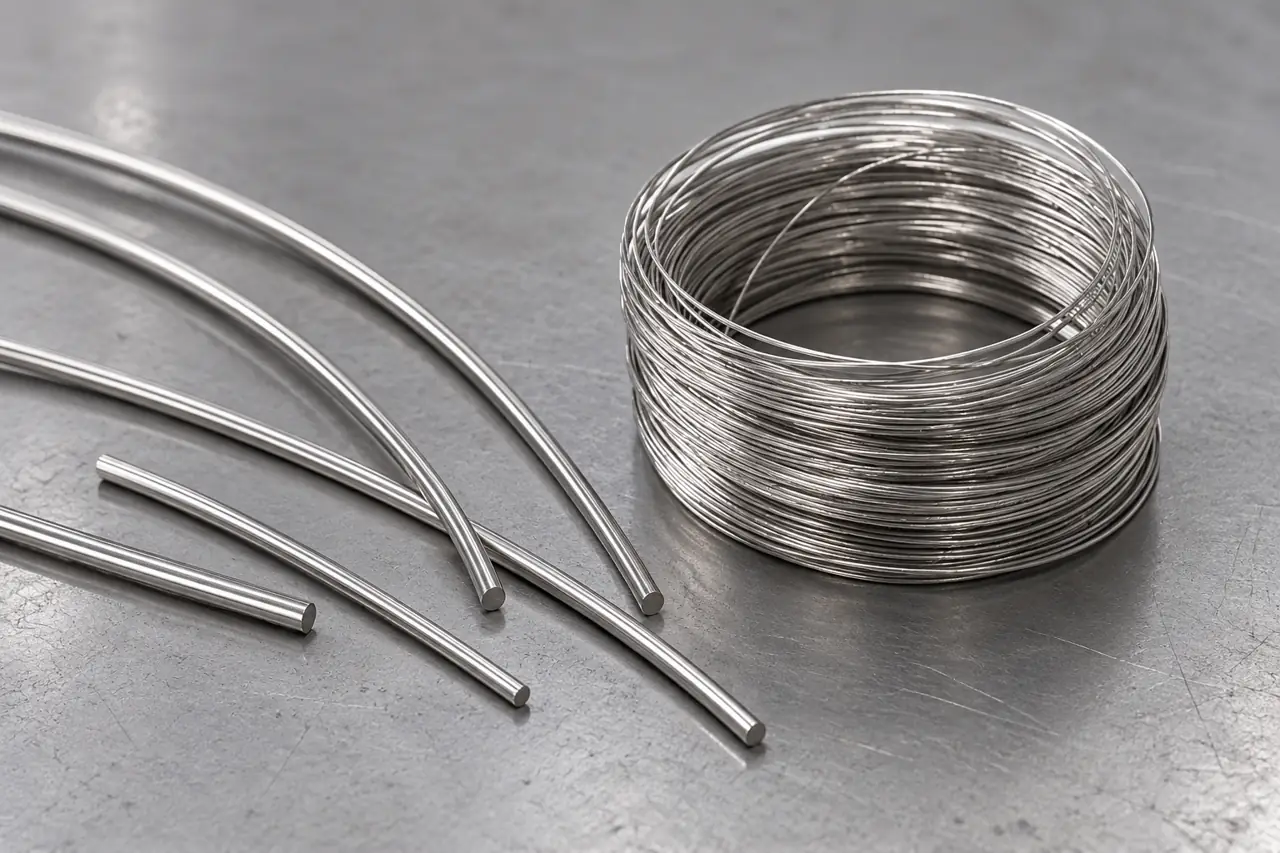
Ask for photographs of the proposed material, the delivered form and a clear technical description. Do not use the word rod as proof of a heavy hot-rolled product where the actual entry may describe thin wire. The proposal should identify what will physically arrive at your drawing line.
Specify alloy and condition together
State the actual alloy requirement and the supplied mechanical or surface condition your process needs. Request records relevant to that proposed material. Appearance cannot distinguish alloy or establish drawing suitability, and a diameter range in a listing does not confirm the condition of an individual supply option.
Check package and payoff compatibility
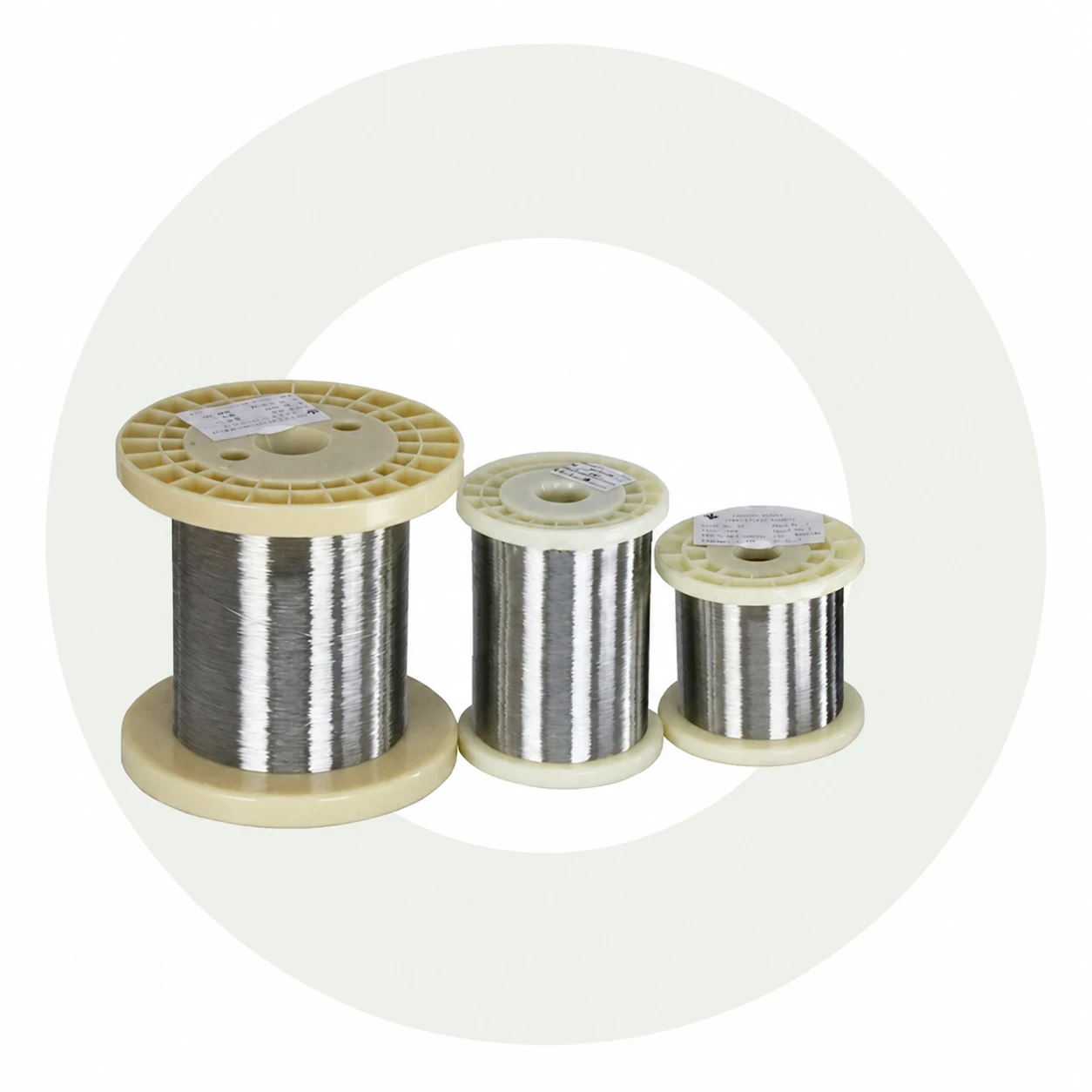
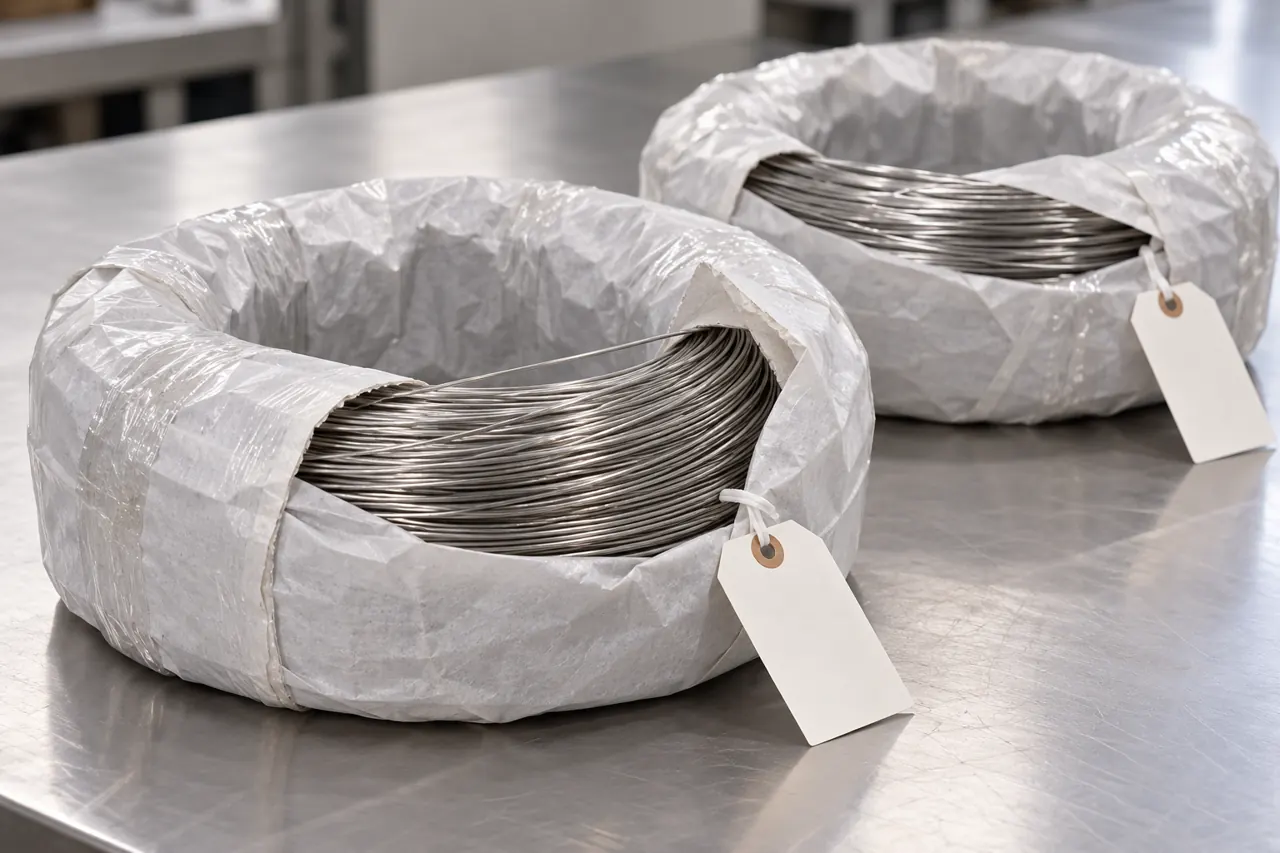
Define the accepted coil or other delivery format, dimensions, mass and winding arrangement. Keep those requirements separate from material chemistry. A loose sample length can support identity checks, while a representative package is needed to assess unwinding and feeding into your preparation route.
Approve through an identified drawing trial
Use the proposed feedstock condition and record its lot identity with the trial route. Your technical team should define drawing and finished-wire acceptance. Retain observations of preparation, feeding and the resulting wire, including any settings changed to obtain the result.
Confirm the producer and supply role
Ask us to identify the producer, actual material form and available documents for the proposal. Our steel wire and steel shot focus does not resolve ambiguous catalogue naming by itself. Specific drawing preparation, testing or winding services require confirmation when they are requested in the enquiry.
Keep the material record through receiving
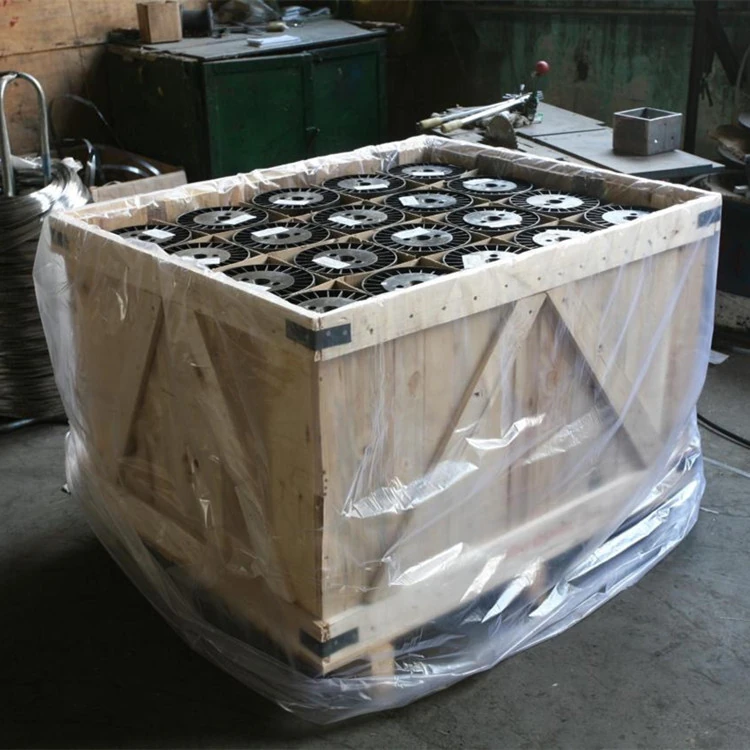
Inspect package damage and match each unit to its documents before loading. Preserve lot identification through preparation where practical. If material identity or supplied condition remains unclear, resolve the discrepancy before using a production trial to guess what was actually delivered.
Reference the complete approval when reordering
Retain the accepted alloy, condition, diameter and format with the trial result. Compare the first repeat delivery to that record. A new source or differently named material should be reviewed explicitly, even if its nominal diameter matches the previous order.
Send an identity-led feedstock enquiry
Share the required incoming form, alloy, diameter, supplied condition and target wire. Include your drawing route, payoff limits, sample quantity and evidence needs. We can review the relevant stainless catalogue entries and confirm a clear material proposal before trial and commercial terms are approved.