Stainless Spring Wire for Corrosive-Service Components
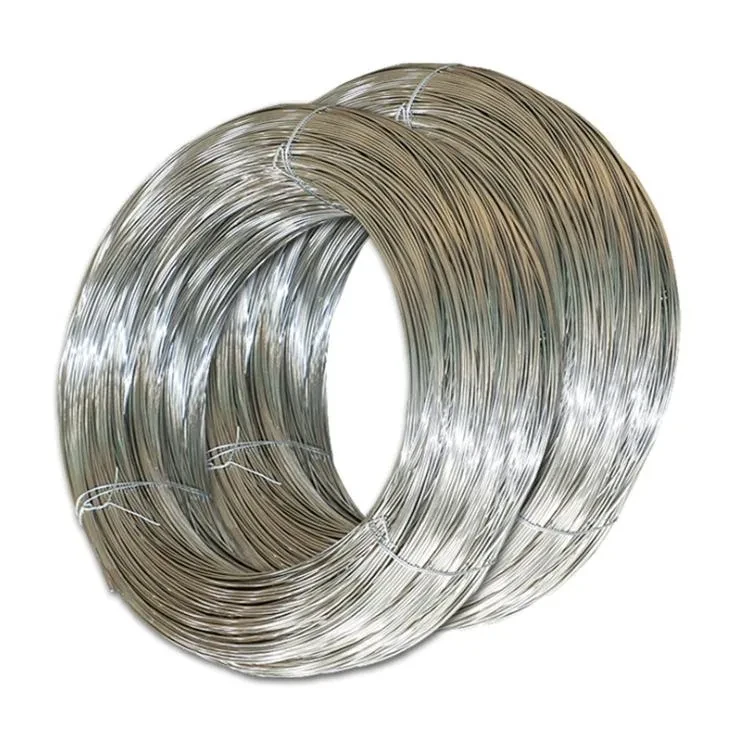
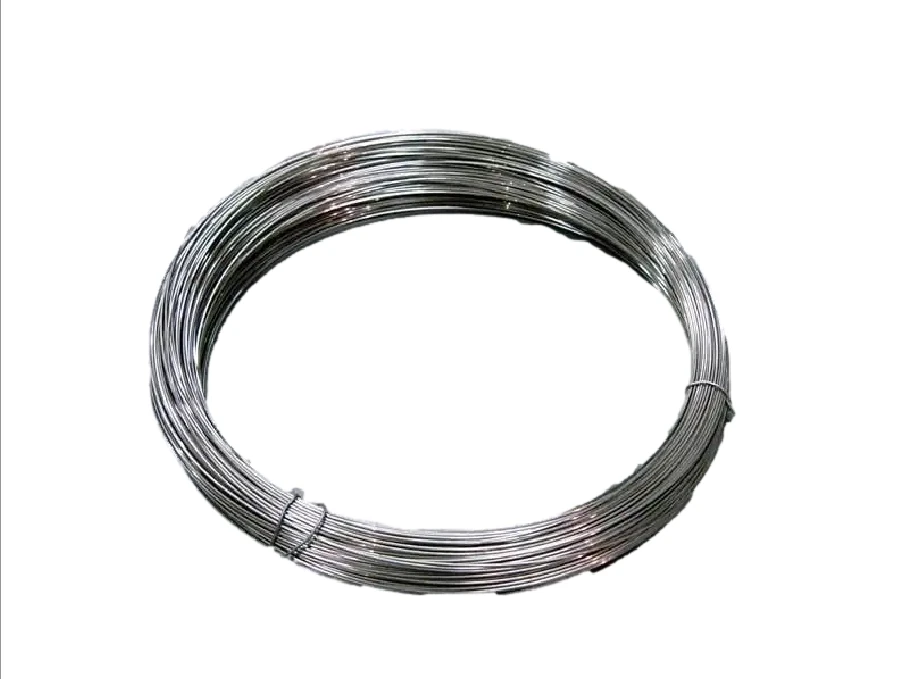
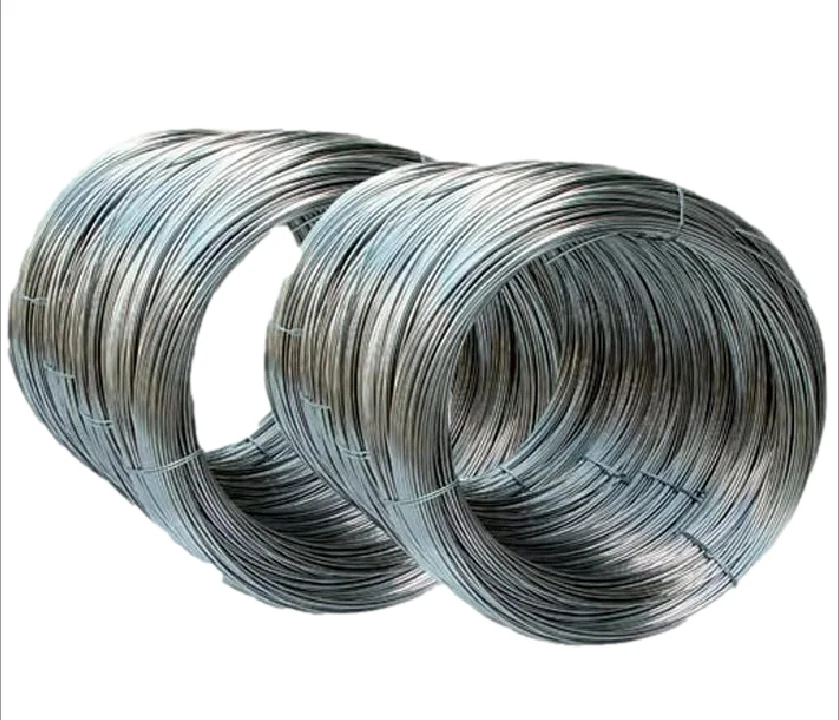
A stainless spring-wire enquiry should connect the drawing grade and supplied condition to the actual exposure and forming process. We list stainless spring-wire candidates, including entries naming 302 and 304. Treat those as candidates for material and forming review, with service acceptance defined by your engineering team.
Exposure and spring duty define the review
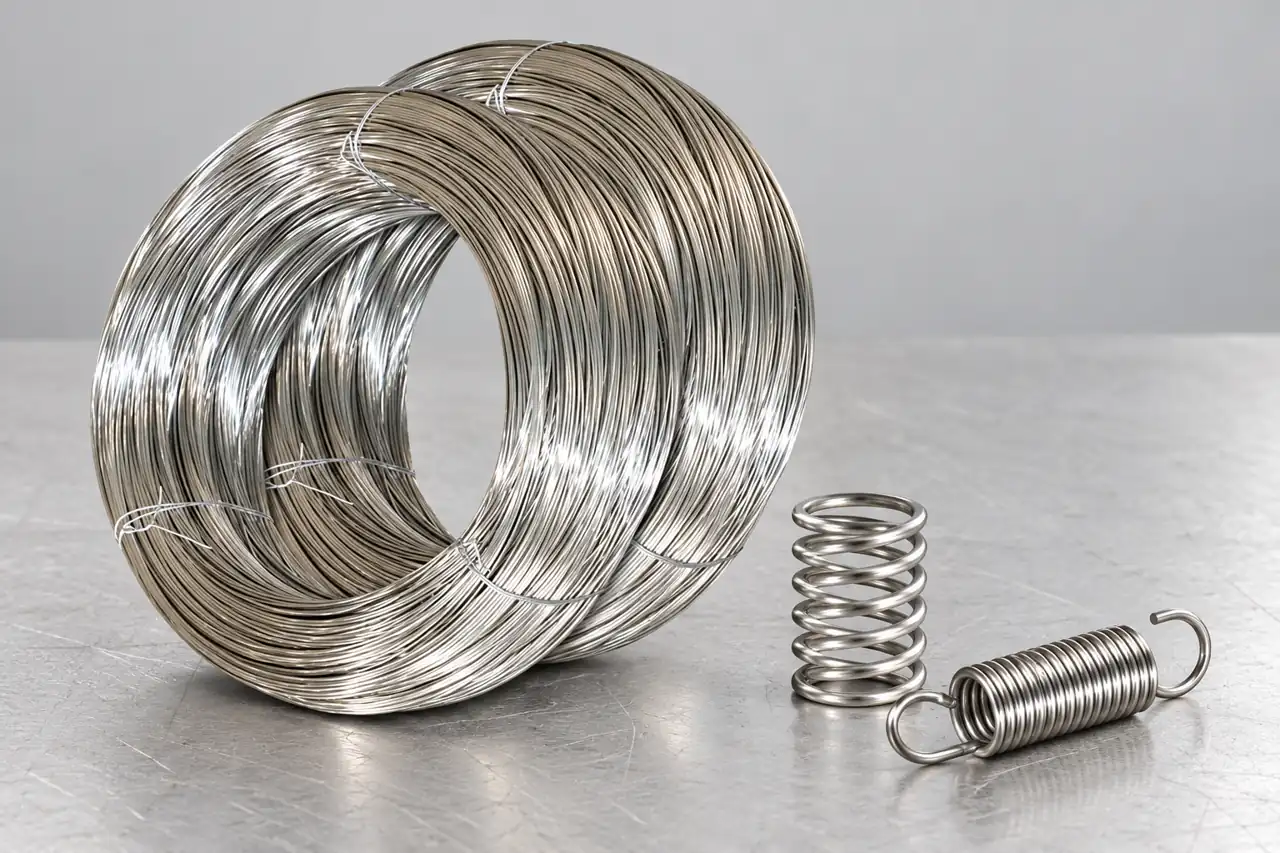
Describe moisture, chemicals, temperature and cleaning conditions, including whether the spring is continuously loaded or repeatedly cycled. Add the drawing and your required service validation. A grade name does not establish corrosion life across different environments or replace the component designer’s acceptance criteria.
The supplied wire condition matters during forming
Confirm the actual alloy, diameter and condition proposed for the coil. Keep spring wire distinct from general stainless weaving or binding wire, even when a grade description looks similar. Ask us to identify the proposed product option and records before comparing it with a drawing-specified 302 or 304 requirement.
Material records need to identify the offered lot
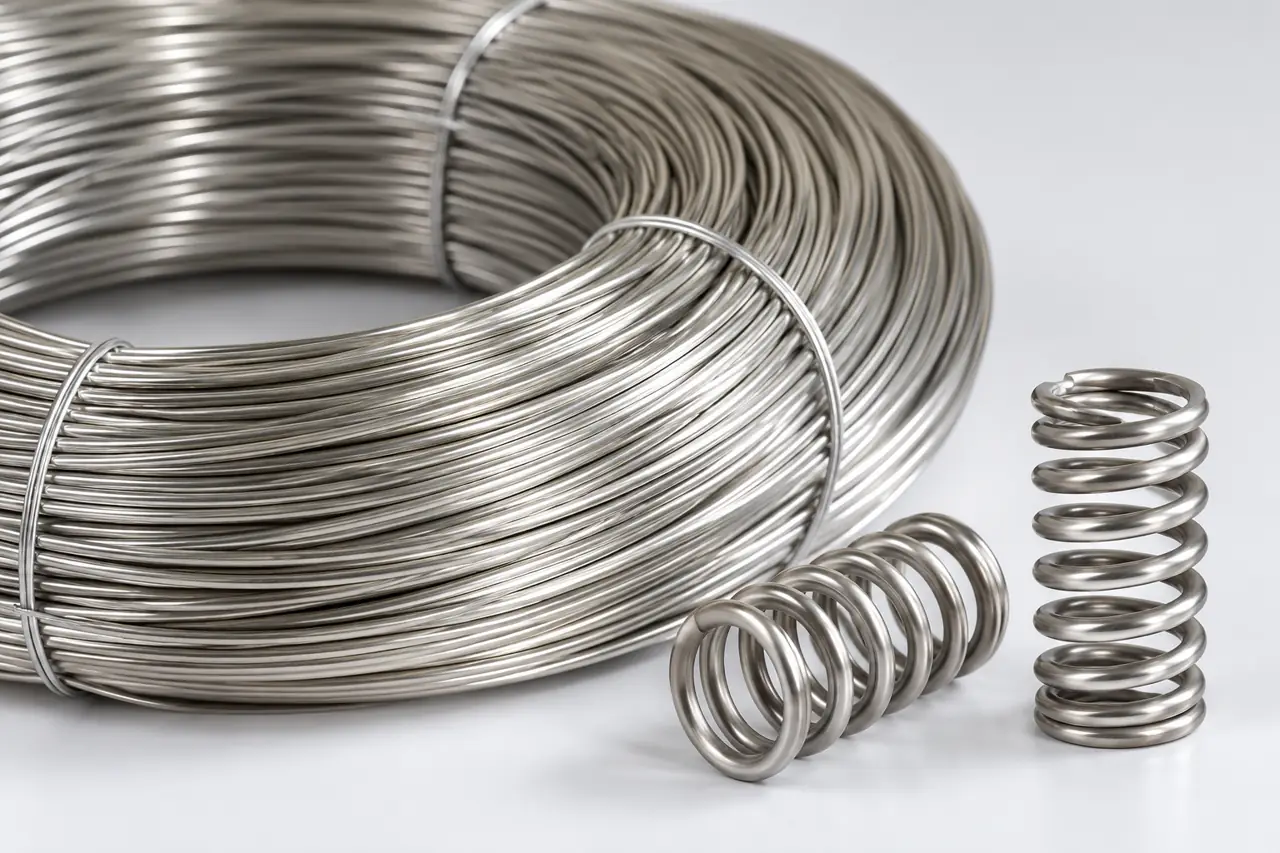
Request the material designation, available composition and mechanical records, and the method used for diameter acceptance. Identify which record refers to the evaluation sample and which will accompany production supply. Do not treat a broad list of stainless grades on one product page as a certificate for the coil being offered.
Forming and exposure trials answer different decisions
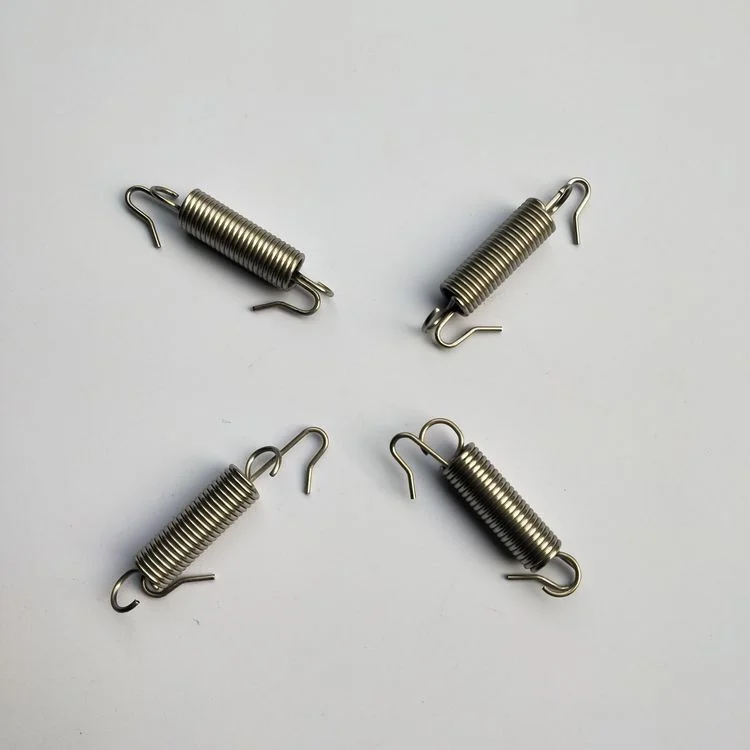
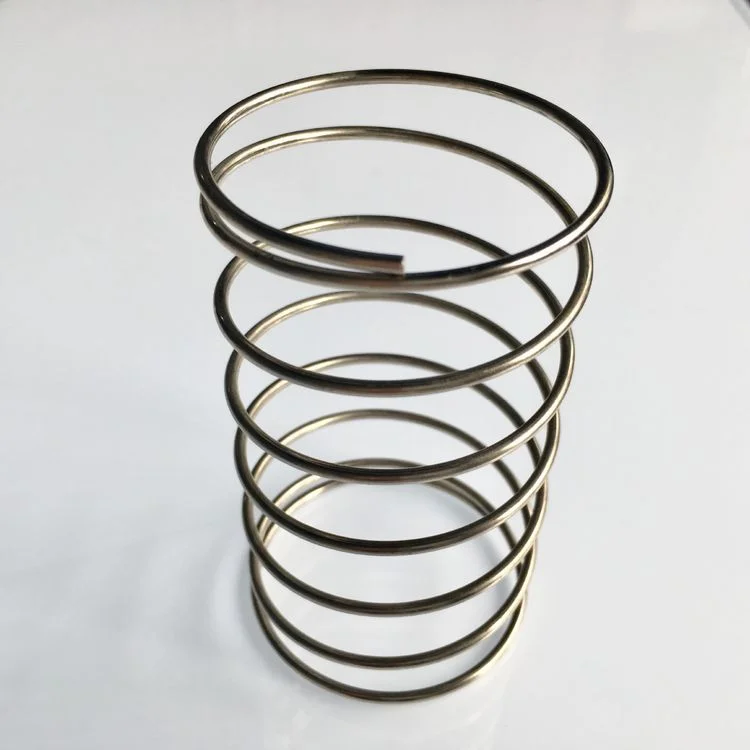
Use a forming trial to assess the wire in the intended coiling or bending process. Evaluate the finished component against its drawing and the specified service conditions separately. Keep any subsequent treatment visible in the record, because a wire that forms acceptably still needs the component’s required service approval.
A representative spring is more useful than a generic promise
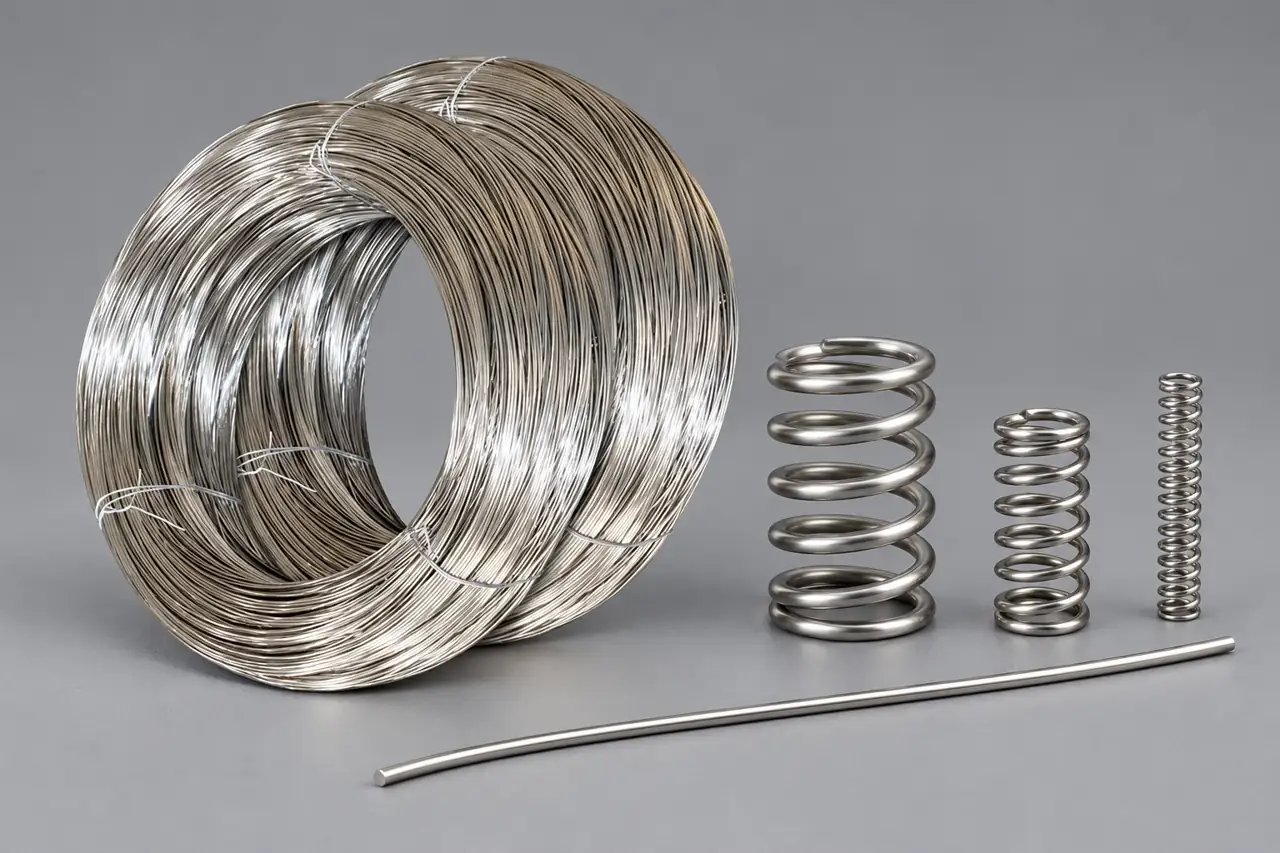
Retain the trial wire and a representative formed spring, with the lot and setup references. Record surface changes, forming difficulties and dimensional observations using the agreed method. These details support a material discussion; a polished appearance alone cannot support a claim about corrosion resistance or fatigue life.
The quotation should state the unresolved boundaries
Ask for confirmation of the specific spring-wire supply, manufacturing relationship and available documentation. Our company’s focus on steel wire and steel shot does not establish every grade or condition as an in-house capability. Keep any unresolved material or process requirement visible before releasing a bulk purchase.
Coil packing should preserve the accepted condition
Specify the coil format your production team can handle and the identification needed to connect a coil to its records. Confirm surface protection and separation from other materials in the agreed packing scope. Carry the accepted drawing revision and sample reference into each repeat order.
A deviation record should separate material and service changes
For an unexpected failure or surface issue, preserve the wire lot, affected spring and processing history. Record any difference in environment, cleaning, loading or treatment from the approved trial. Sharing these facts allows a focused review of the supplied material alongside the conditions experienced by the component.
Send the exposure, drawing and trial brief
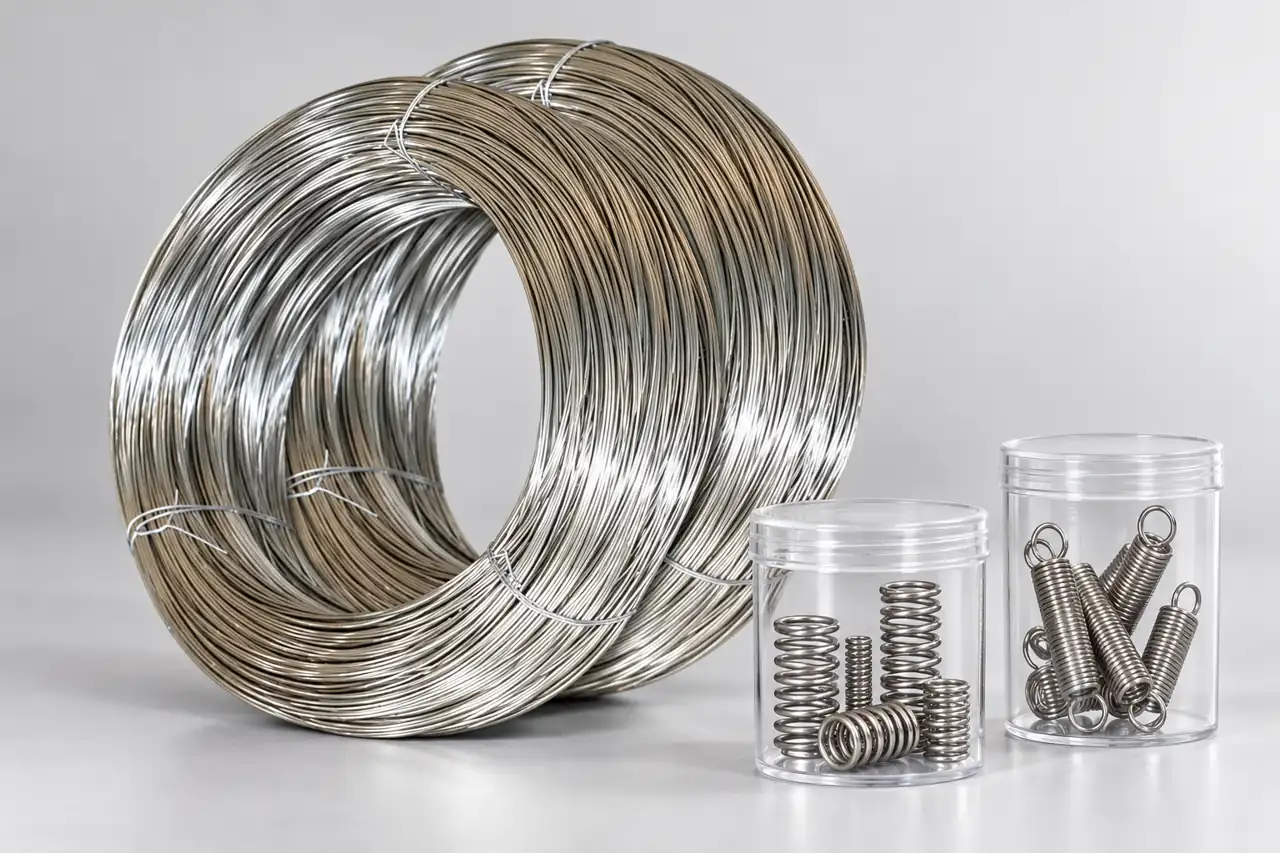
Share the required alloy, wire diameter and supplied condition, together with spring geometry and exposure. Add forming-trial quantity, acceptance records, coil limits and destination. We can discuss the catalogue candidates and confirm the actual material offer and document scope for your technical evaluation.