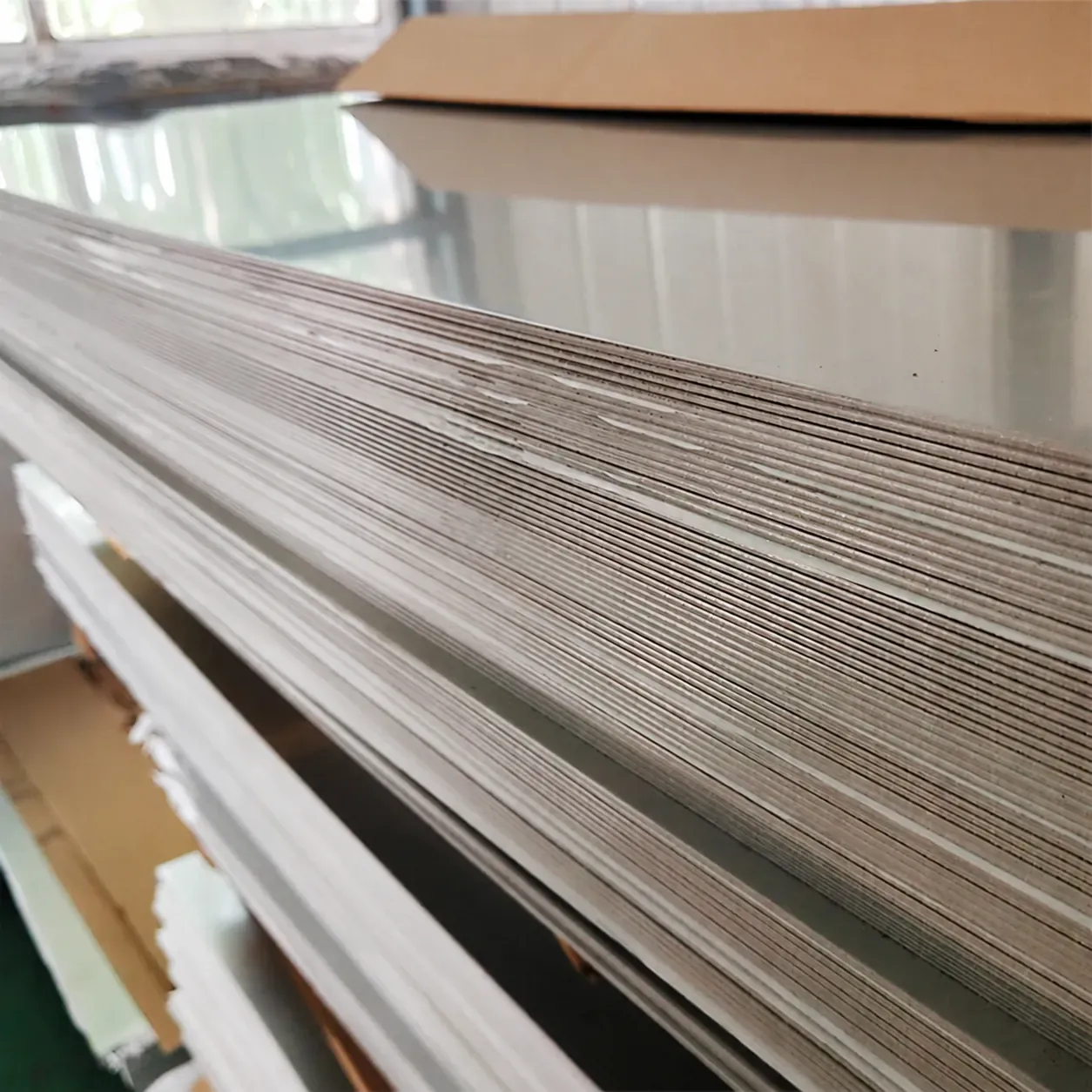
Nickel Alloy Plate for Specified Chemical-Equipment Projects
Source nickel-alloy plate from the project’s selected alloy, product standard and delivered condition. Our catalogue includes C276 and C22 plate references, but those names are not interchangeable approvals. The material offer, heat traceability and inspection submission need review against the actual chemical-equipment specification before procurement release.
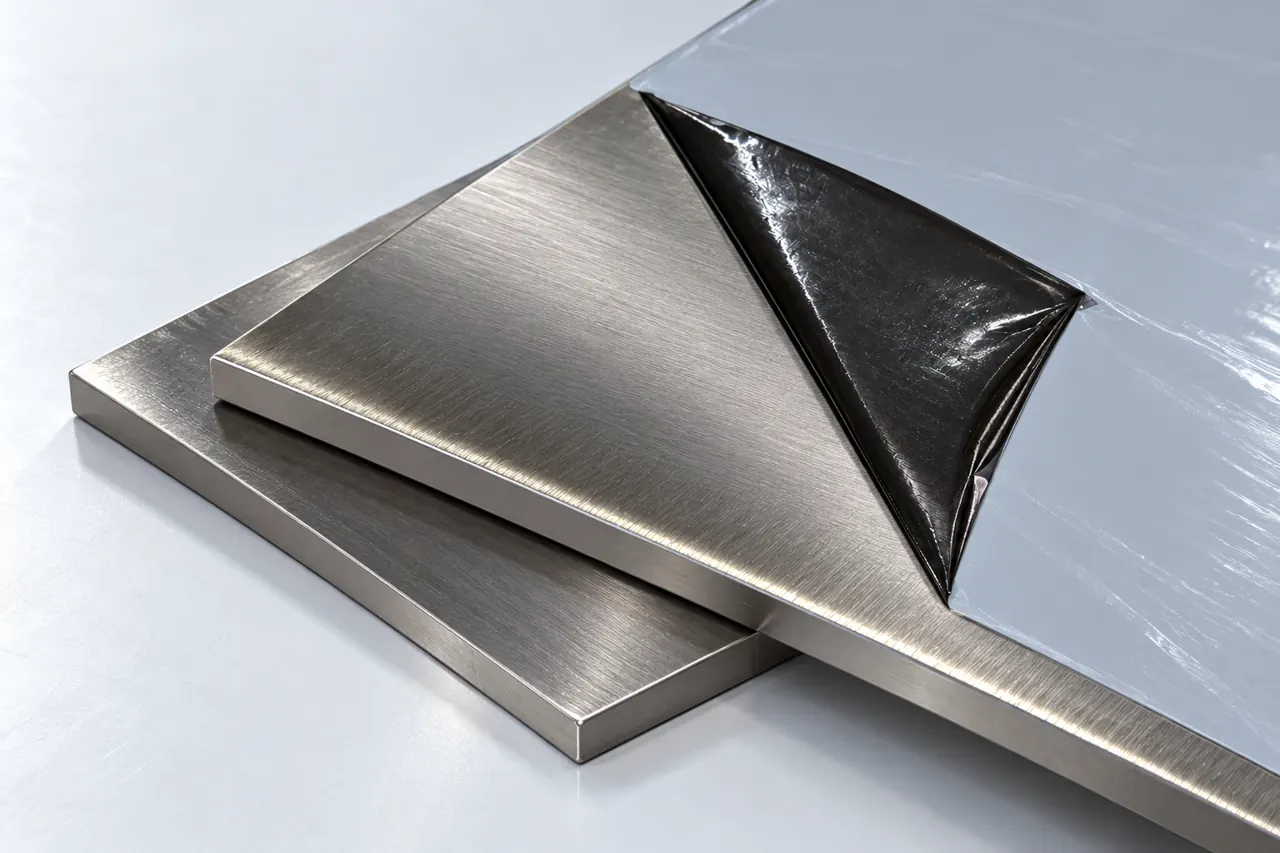
Carry the exact alloy designation into every line
Use the project’s complete material designation and applicable specification, with the required condition. Keep C276, C22 and other nickel-alloy alternatives separately identified. A broad nickel-alloy description or shared catalogue page should not merge different chemistry requirements or authorize a substitution in the equipment design.
Let the project define service suitability
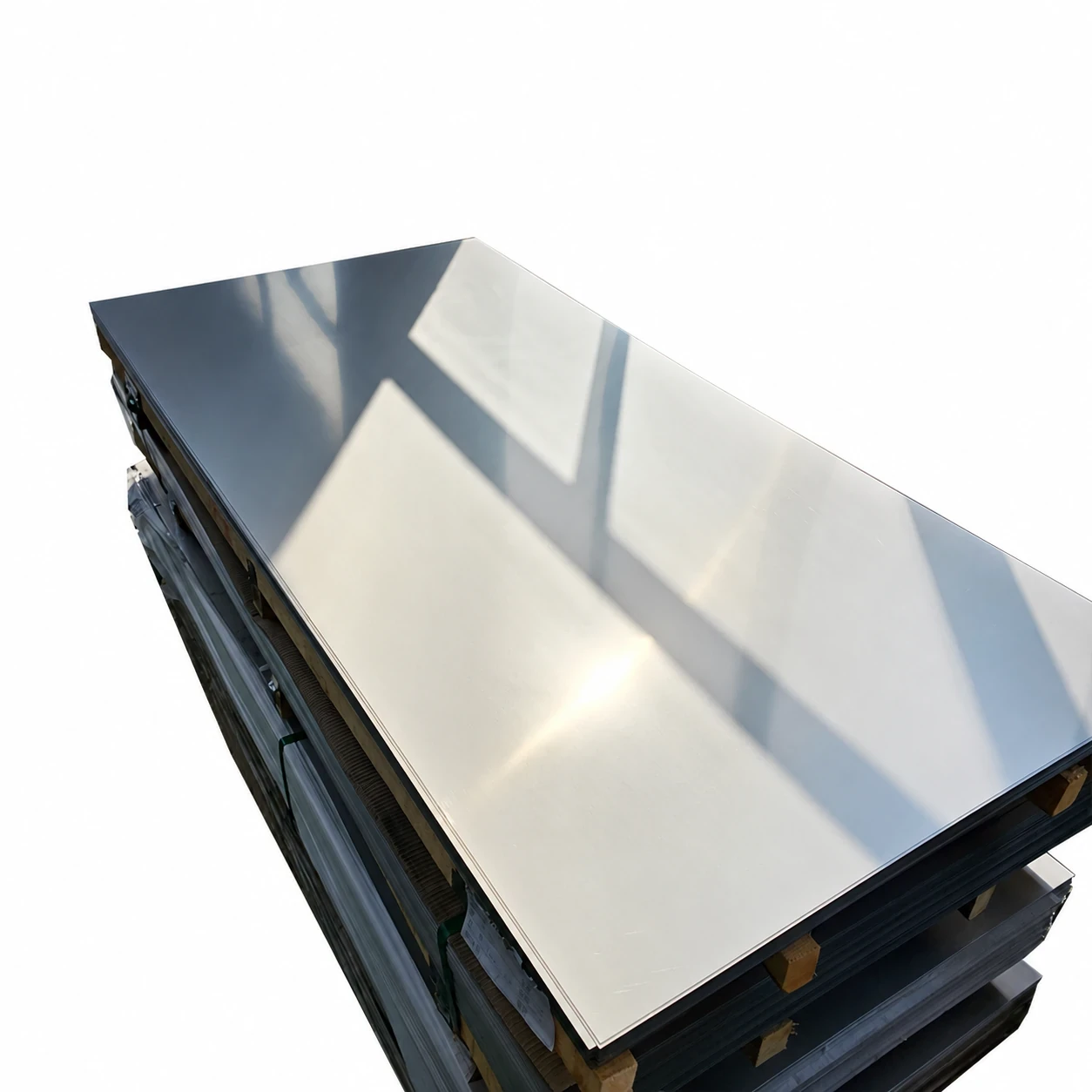
Provide the equipment material specification and the service information its authorized reviewers require. The selection of an alloy for a chemical duty belongs with that engineering review. Neither a plate photograph nor a generic corrosion-resistant description establishes a safe service limit, lifetime or suitability for every chemical environment.
Define plate dimensions and fabrication allowances
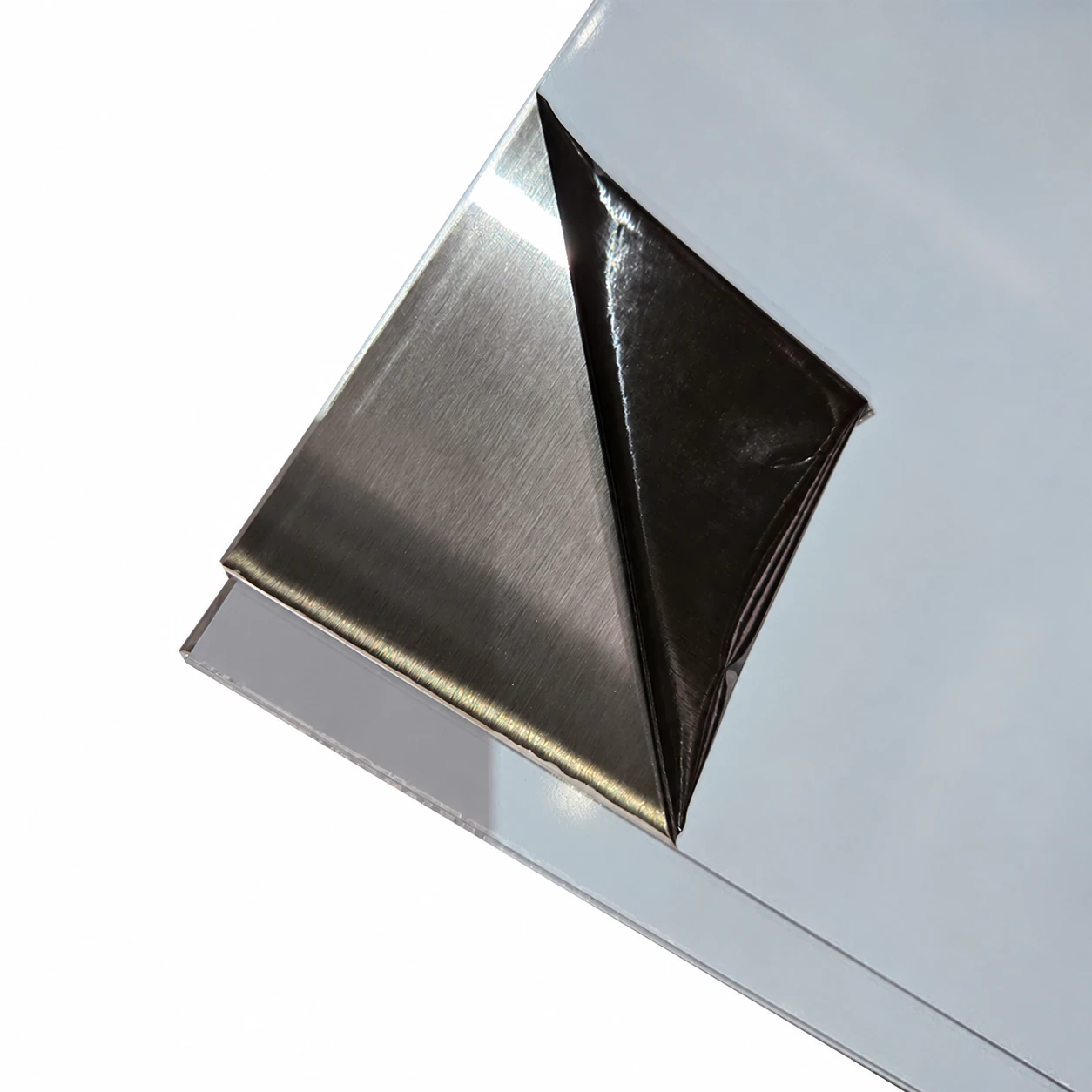
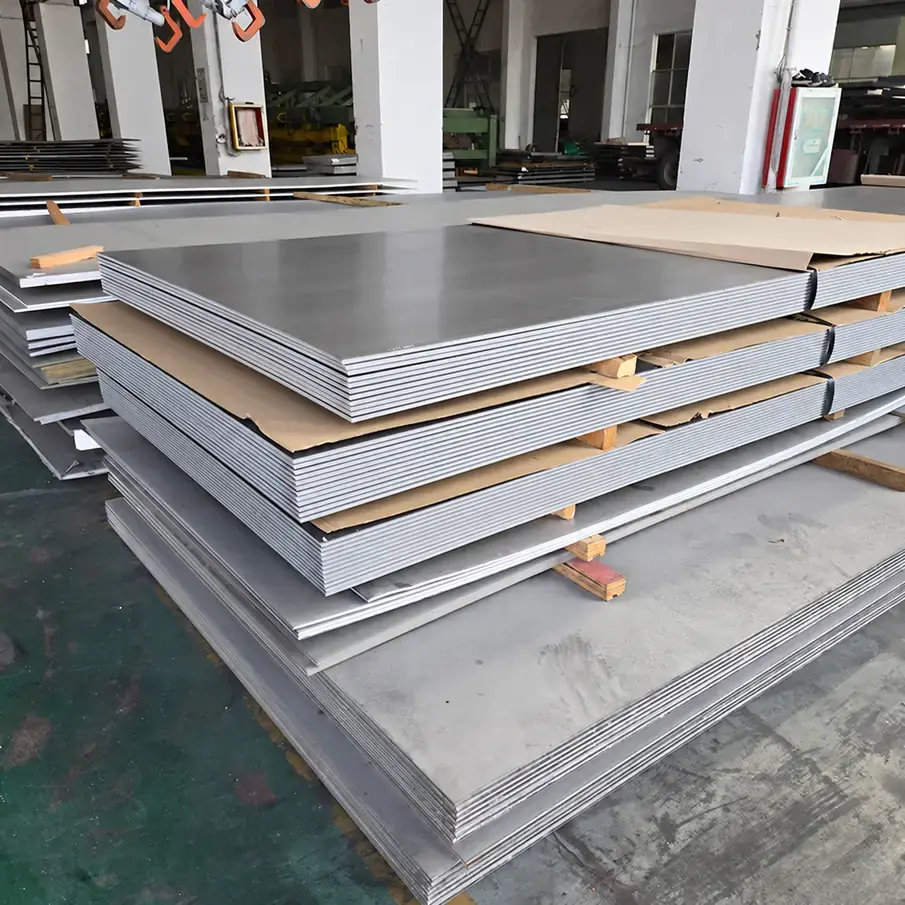
State thickness, width, length and tolerances for the actual purchase form. Identify whether the order is full plate or cut blanks, with any buyer-defined fabrication allowance. Agree which surface and edge conditions will be accepted on delivery so the material can enter the planned fabrication route without an unresolved stock issue.
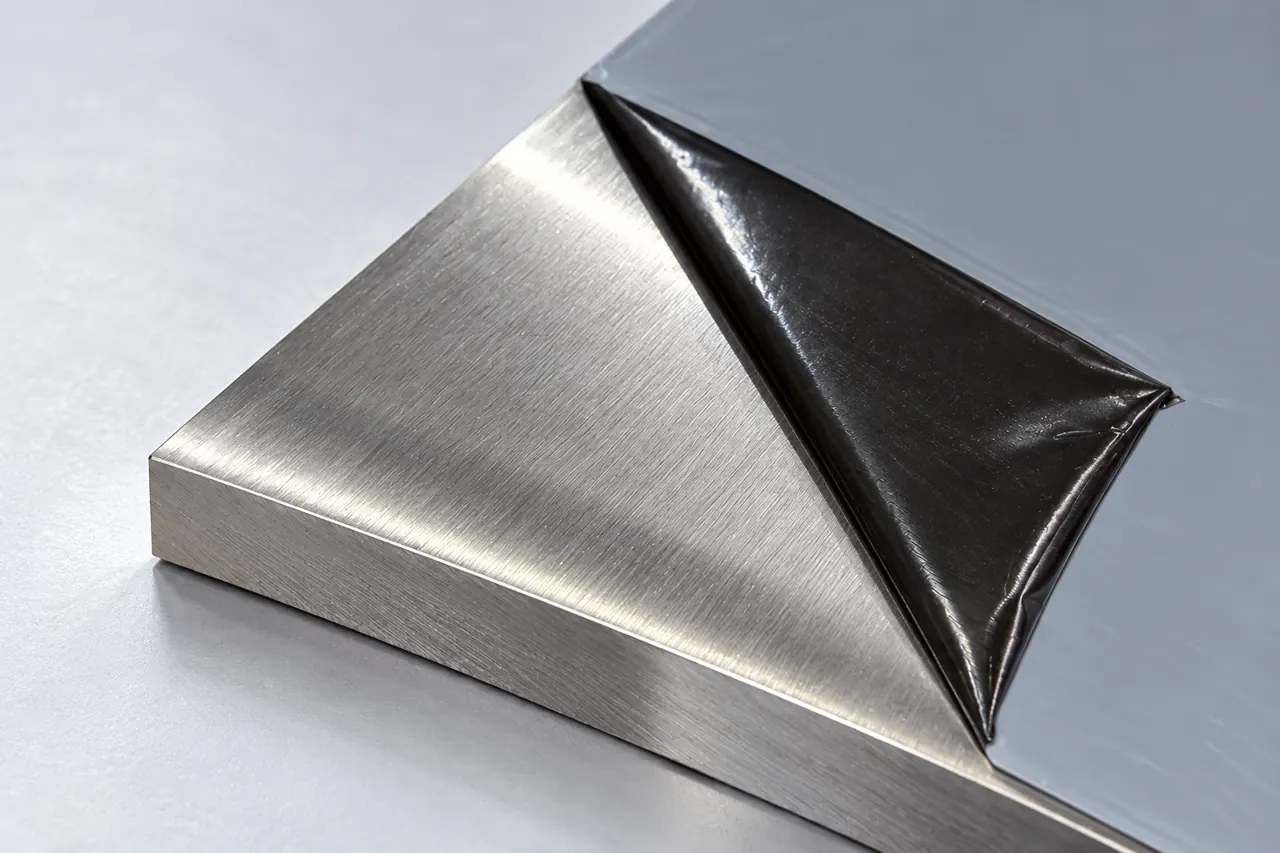
Request heat-linked material records
Specify the material certificate and inspection content required by the project, including the link to the actual heat or lot. Review the issuer, material identity and test scope. A generic certificate example shows a format only; it cannot stand as the acceptance record for the plate being supplied.
Keep inspection scope aligned with the project
Agree any required dimensional, surface or additional material examination before order placement. Identify method, acceptance basis and responsibility rather than adding an unexplained test name. If witness or independent inspection is required, confirm its availability and scope in the actual offer and submission plan.
Preserve identity when plate is cut
Define the identification-transfer method for cut pieces and the records that connect each piece to its parent plate. Clarify marking restrictions for the fabrication route. Without that link, a correct certificate can become detached from the material, making project approval difficult even when the plate appears visually suitable.
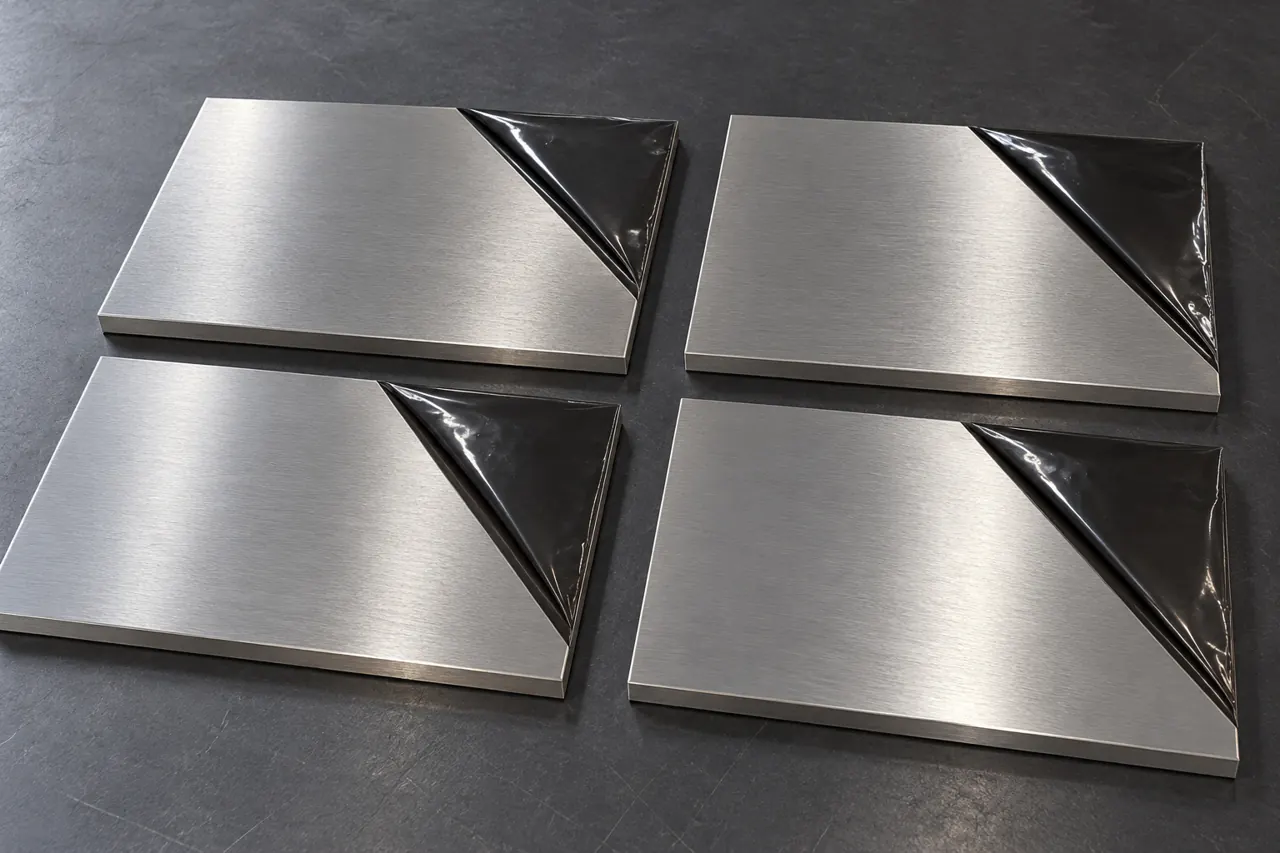
Review the actual supply and processing relationship
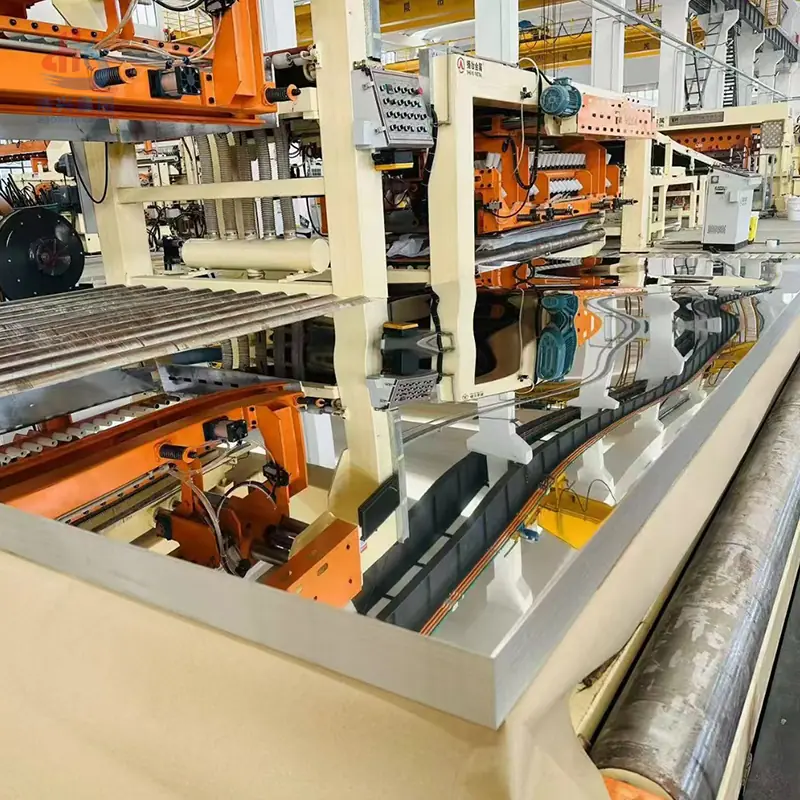
Ask who supplies the plate and who performs any cutting or additional processing. Our wider catalogue does not prove that each alloy or service is produced in-house. Review the proposed material source, available evidence and responsibility for exceptions as part of the actual project quotation.
Pack approved material without losing its records
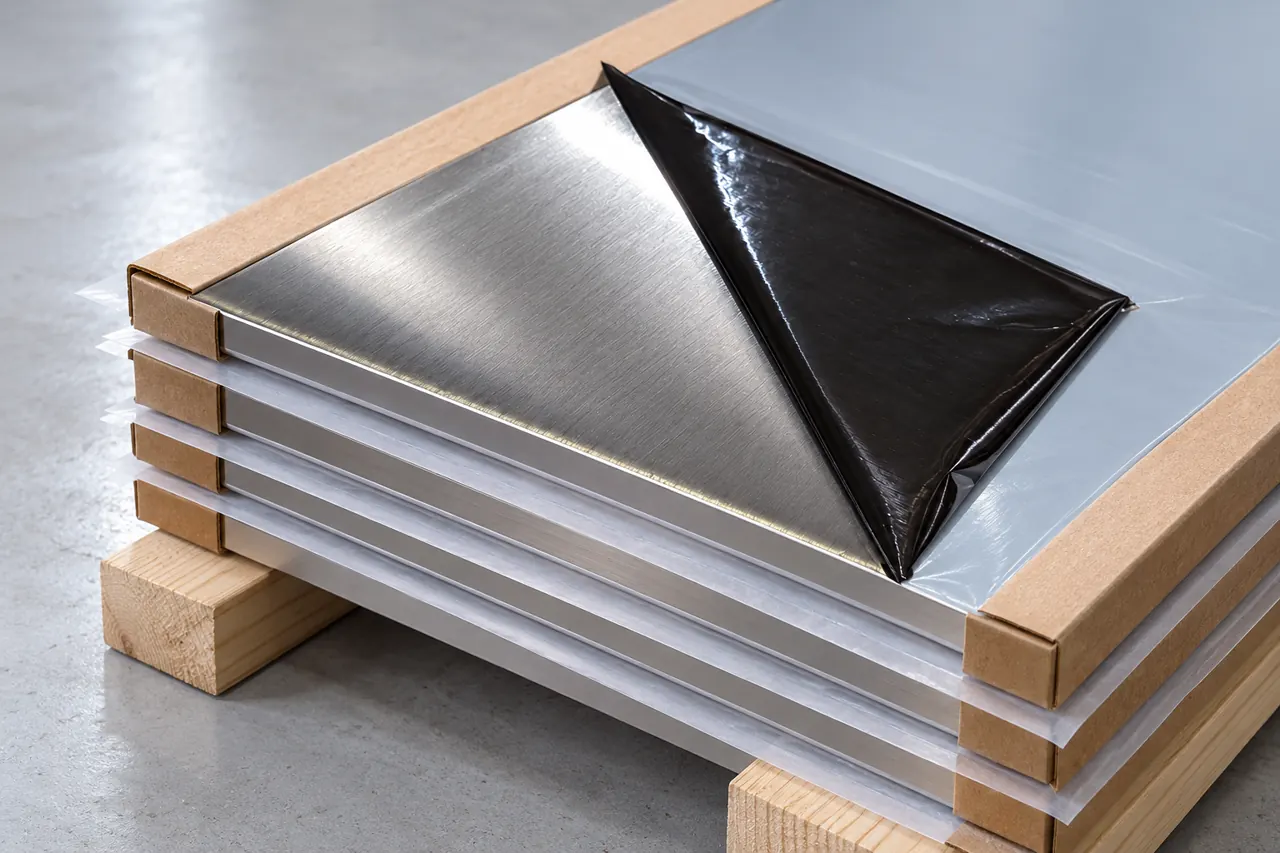
Specify surface protection, piece identification and packing-list references for the project delivery. Keep different alloys and heats clearly separated. Confirm the actual package and handling proposal in the order, including any destination restrictions; an illustrative protected stack is not a finished packing specification.
Send a project alloy-plate enquiry
Share the selected alloy, standard, condition, plate schedule and project document list. Add inspection responsibilities, substitution rules, fabrication allowances and destination. We can discuss the matching catalogue candidate and confirm the actual material and commercial scope for your authorized project reviewers to evaluate before acceptance.