Decorative Stainless Tube for Railings and Display Frames
Decorative stainless tube needs a confirmed alloy, section and finish sample for the intended fabrication. We list stainless tube candidates, including rectangular forms. Send the drawing and visible-surface requirements so the proposed material can be assessed for your railing or display project without relying on appearance or price as proof of grade.
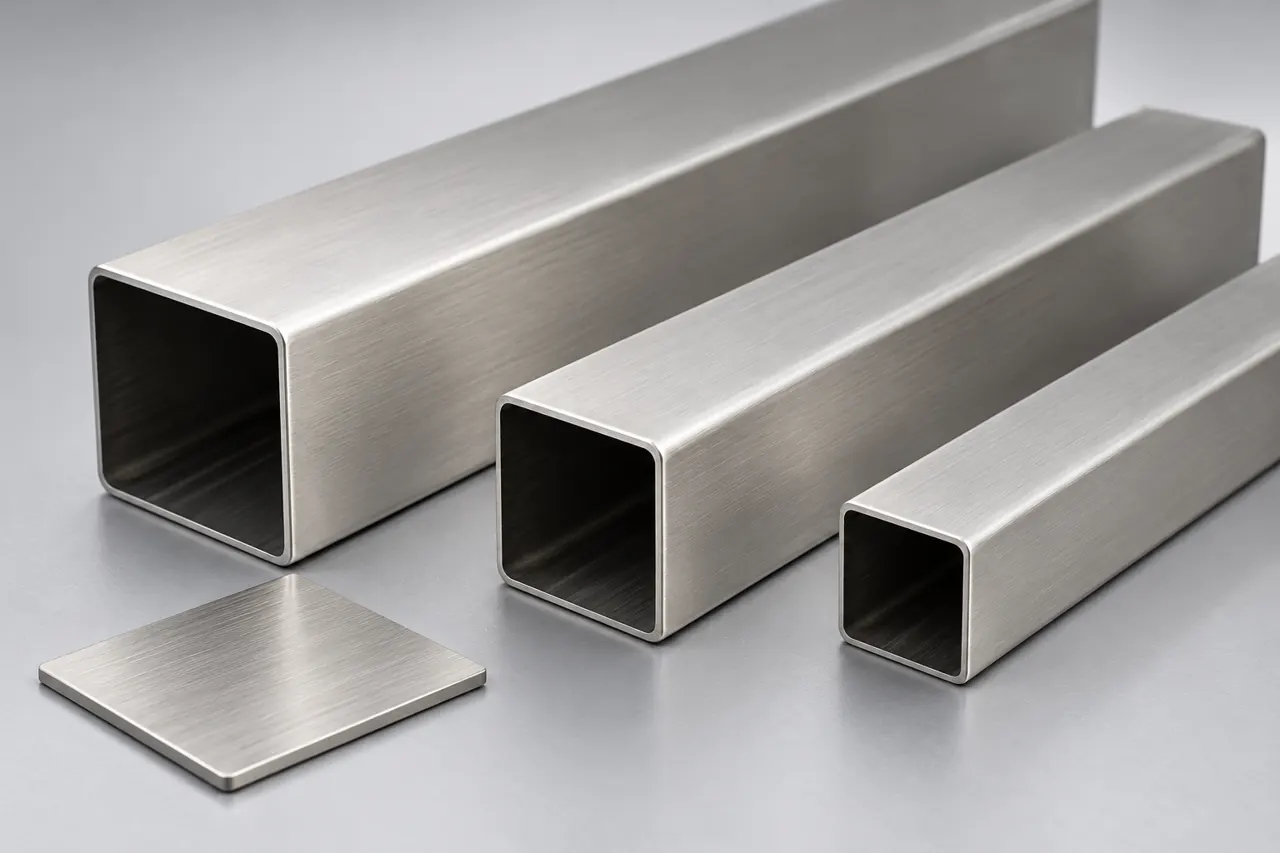
The project drawing establishes the material requirement
State the specified alloy, tube shape and environment, together with the fabrication and installation scope. Keep any structural or code-related approval with the project designer. A decorative finish describes appearance; it does not establish load capacity, corrosion life or suitability for every railing application.
A welded-tube offer needs its actual section identity
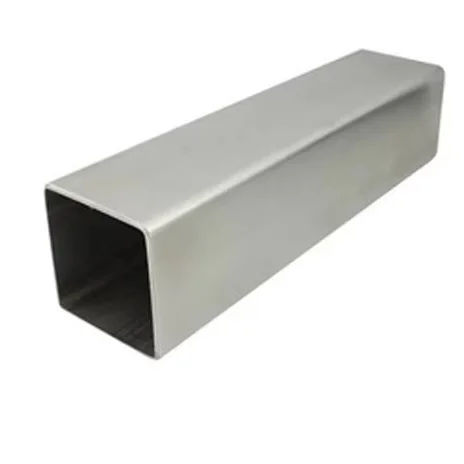
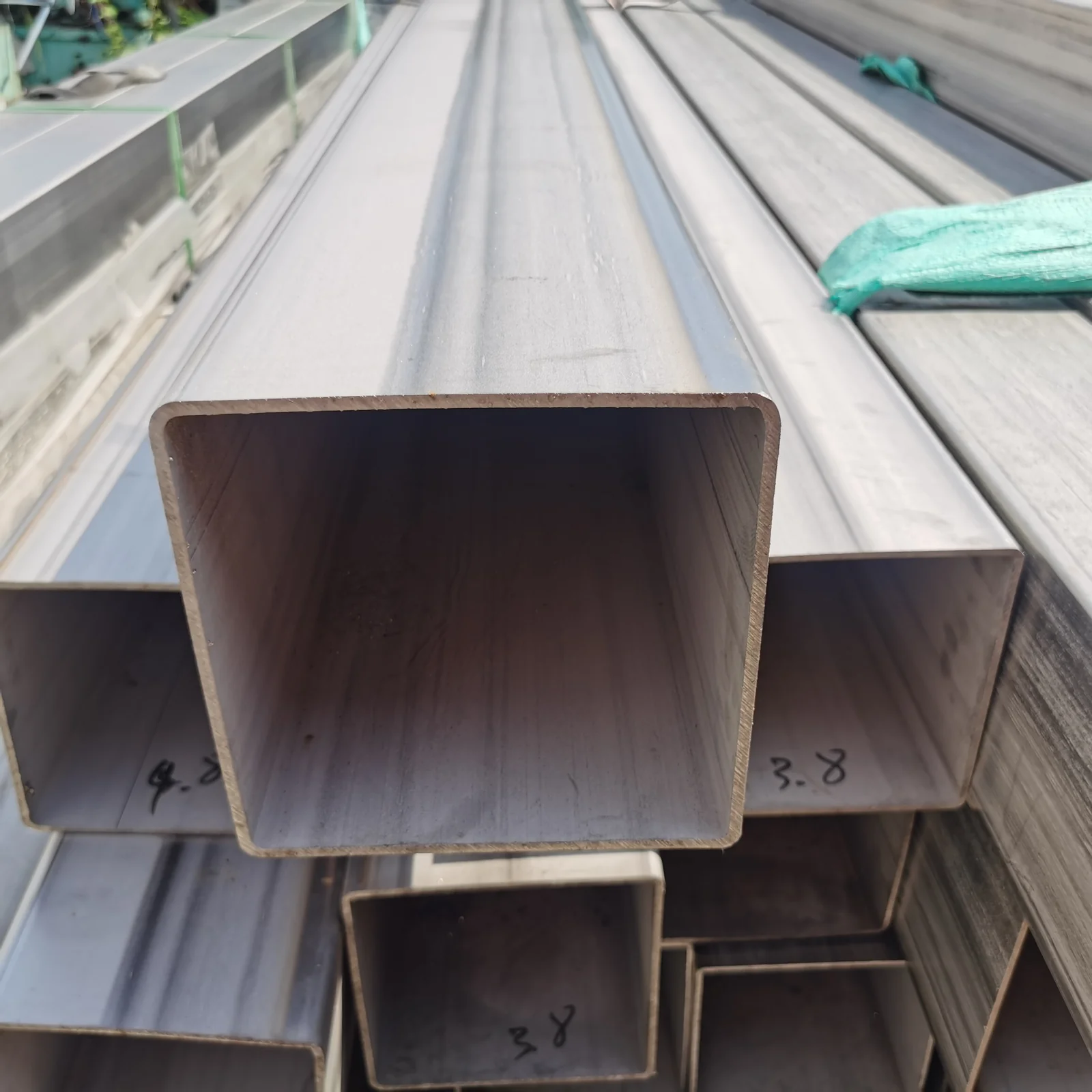
Define round, square or rectangular form explicitly and confirm the product’s manufacturing route in the offer. The linked catalogue candidate is a rectangular stainless-tube enquiry, not a universal match for every decorative tube. Ask us to confirm the actual material choice against your drawing before sample approval.
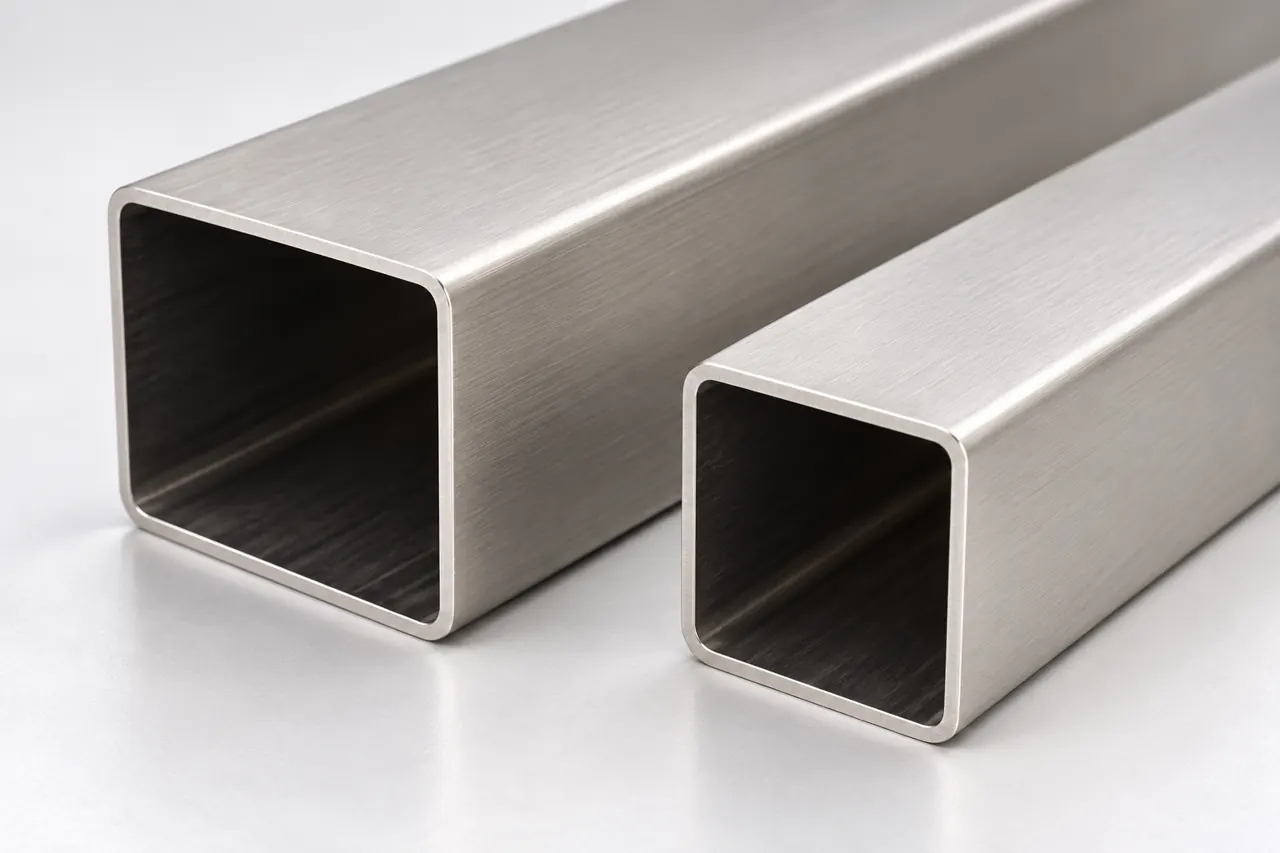
Dimensions need a complete section description
For rectangular or square tube, give each outside dimension and wall requirement; for round tube, give outside diameter and wall. Add length, tolerance and any relevant corner or end requirements. This keeps quotation and receiving checks on the same basis instead of relying on a short nominal-size label.
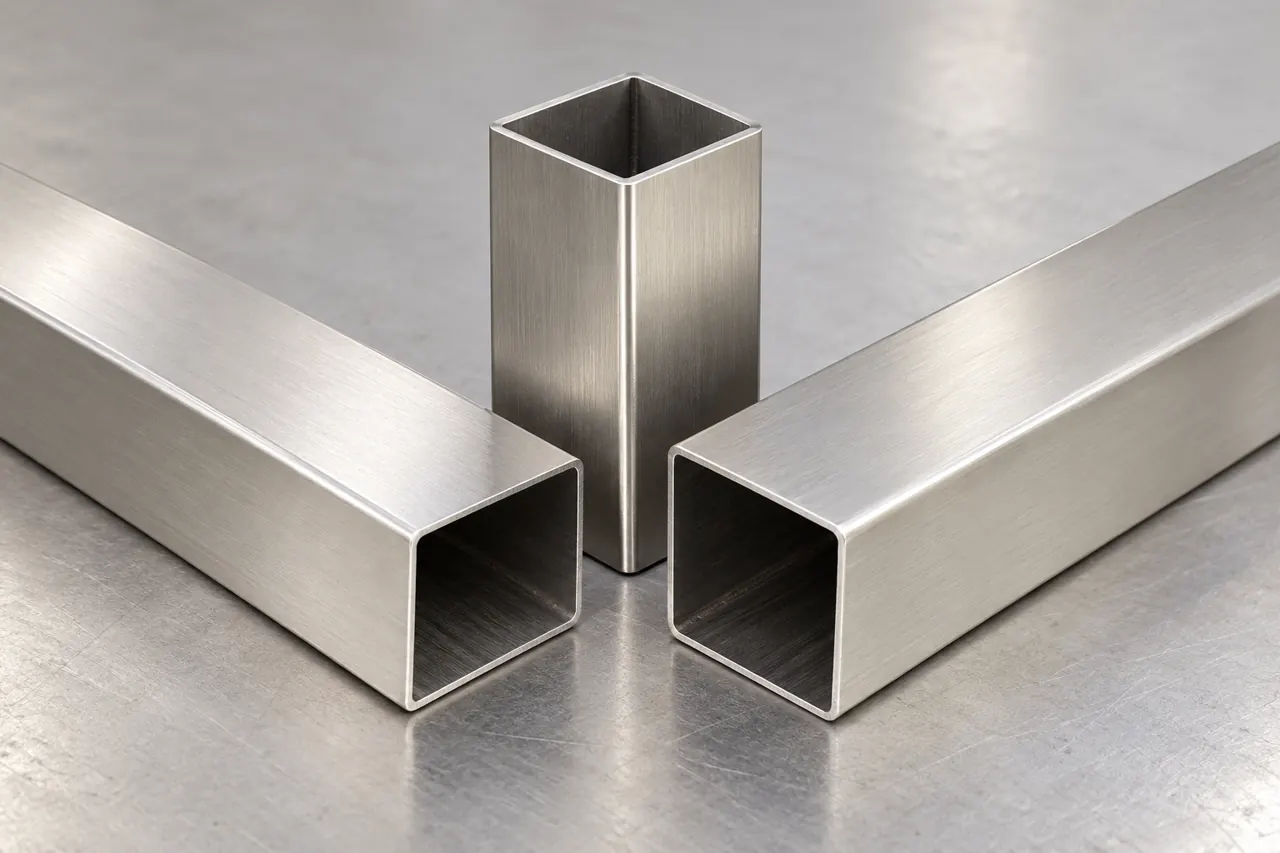
A finish sample should travel with the approval record
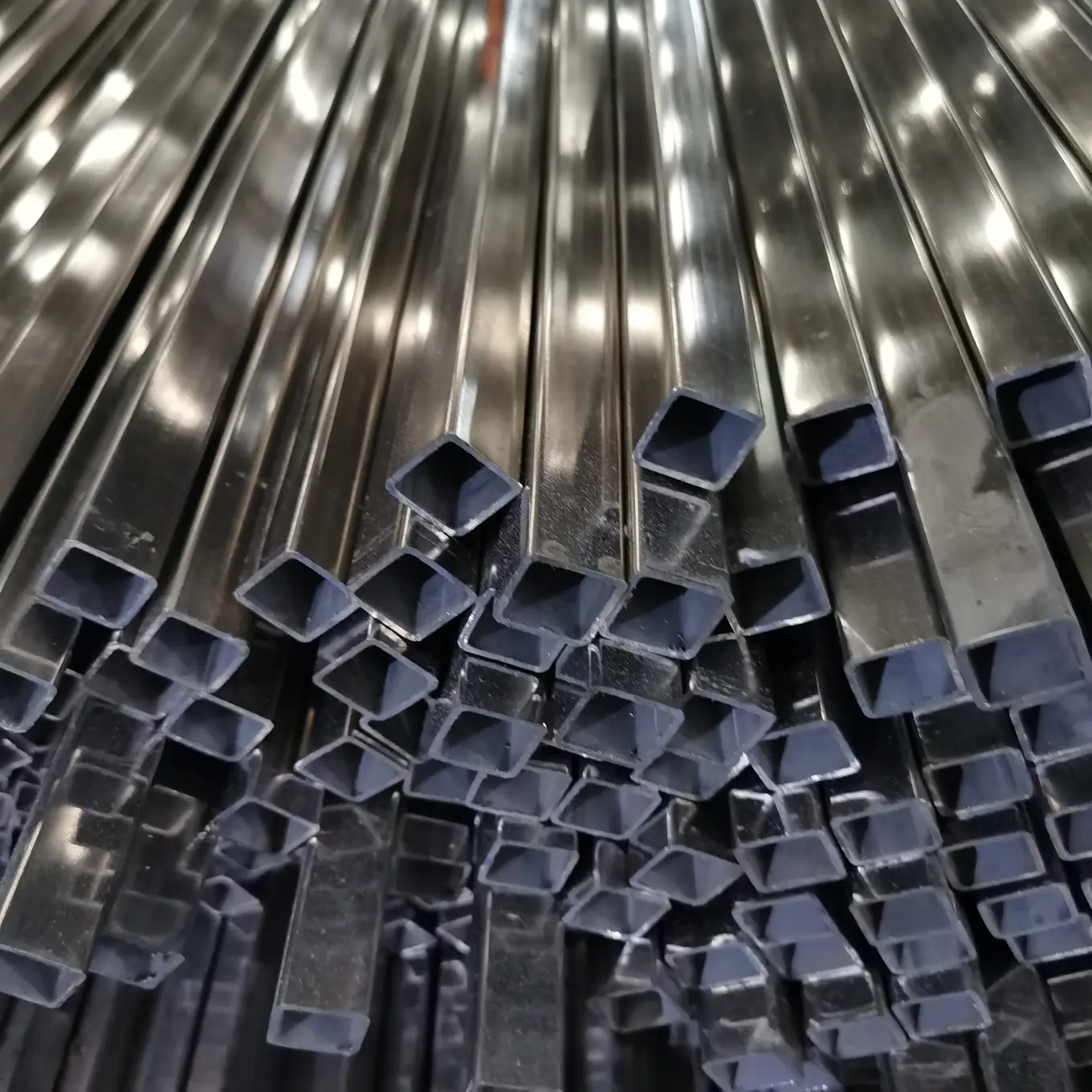
Agree how the surface will be viewed, including direction, lighting and permitted marks where appearance matters. Retain the accepted sample reference alongside the material specification. A tube can match the visible finish yet still require separate confirmation of alloy, dimensions and supplied condition.
Fabrication can change a visible surface
Trial the intended cutting, joining or forming operation on representative tube and inspect the result. Record the material and finish reference, including any further surface treatment. Approval of supplied tube appearance should not be mistaken for approval of the finished fabrication after welding or handling.
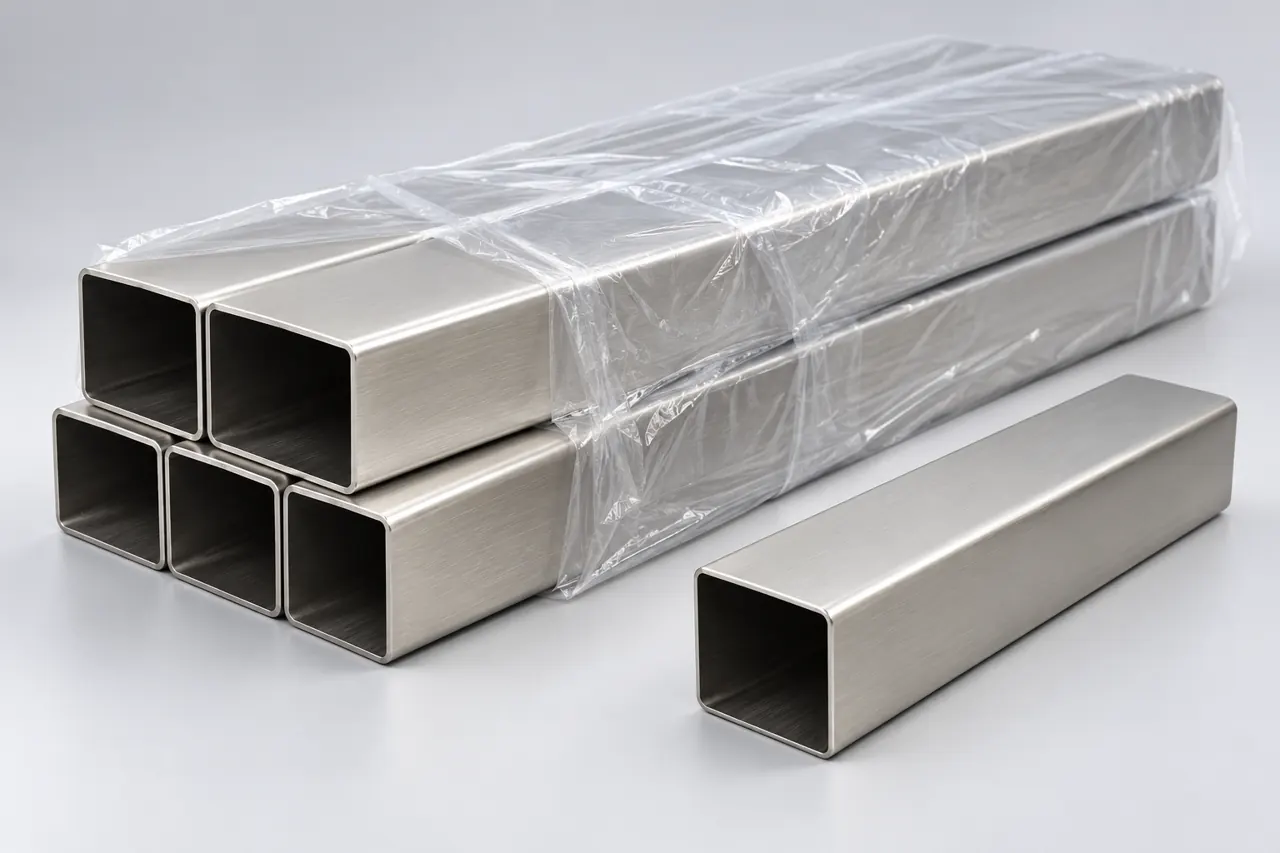
Protective packing needs confirmed details
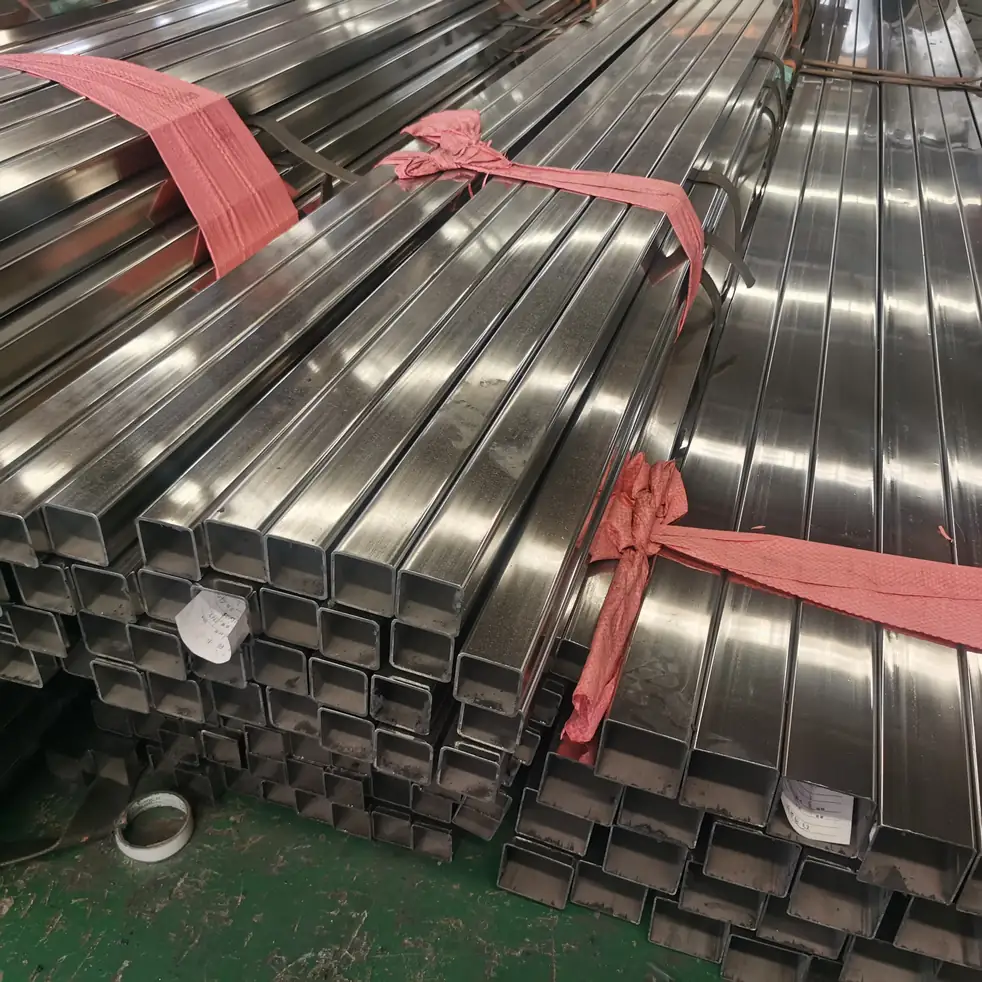
State whether individual wrapping, film, interleaving or bundle separation is required, then confirm what the offer includes. Identify visible faces and handling constraints that matter. Keep packing marks linked to material and finish references so similar-looking tube grades are not mixed during receipt or redistribution.
Receiving records should show the packaging context
If a tube arrives marked or mismatched, photograph the package and affected face before further fabrication. Retain labels and a representative sample. Include the finish reference and inspection conditions when sharing the issue, as reflections or changed lighting can make a surface comparison difficult to interpret.
Supply scope should stay clear through reorders
Confirm the product-specific supply relationship, record scope and any requested processing before ordering. Carry the accepted alloy, section and finish reference into repeat purchases. Review a proposed change instead of treating a similar surface or lower unit price as authorization to substitute the material.
Send the tube and surface schedule for review
Provide the specified alloy, section dimensions, wall and lengths. Add the visible-finish reference, fabrication requirements, packing and project quantity. We can review the listed stainless-tube candidates and confirm a specific material and delivery scope for your purchasing approval.