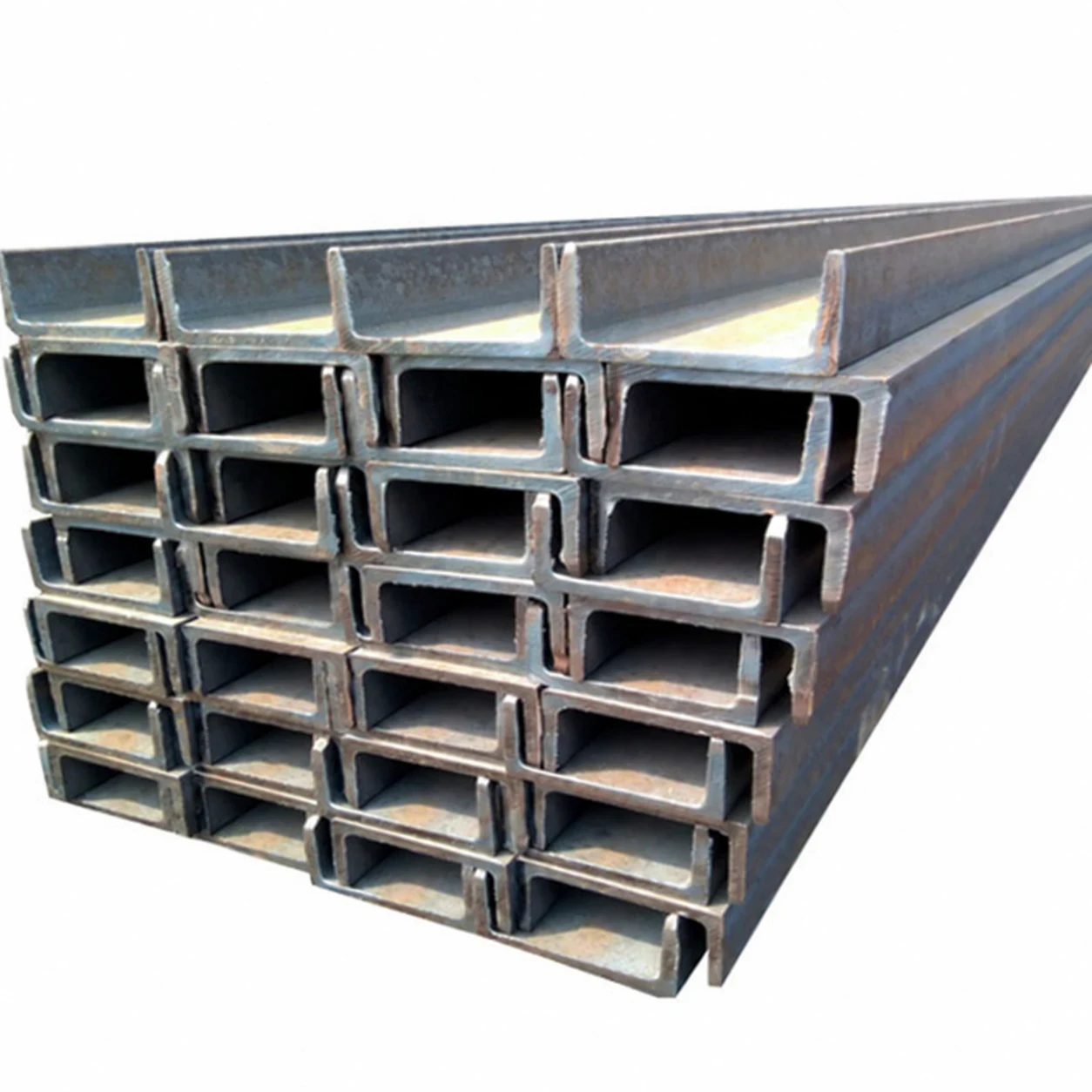
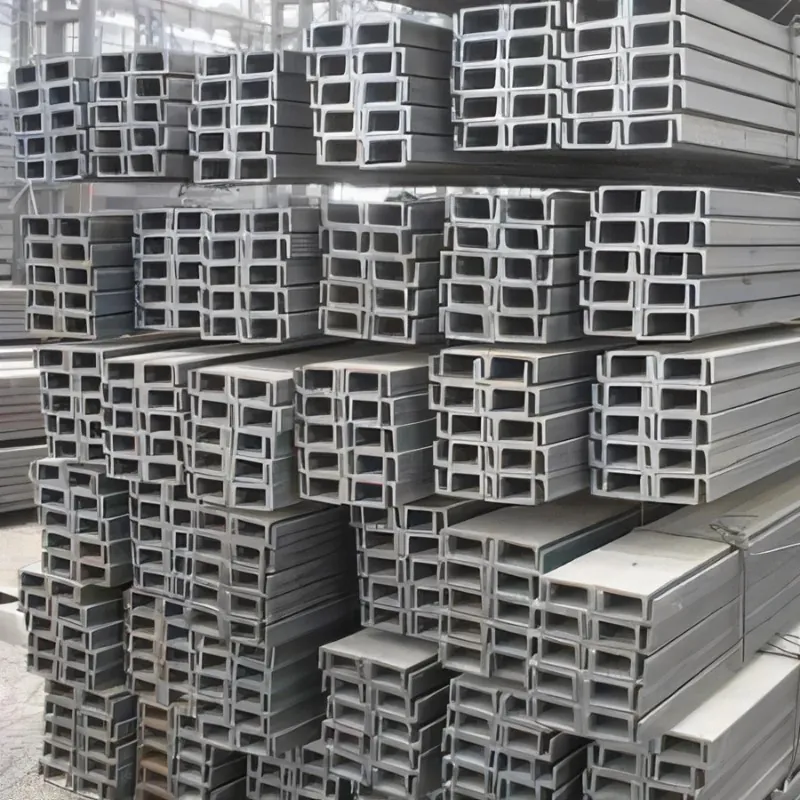
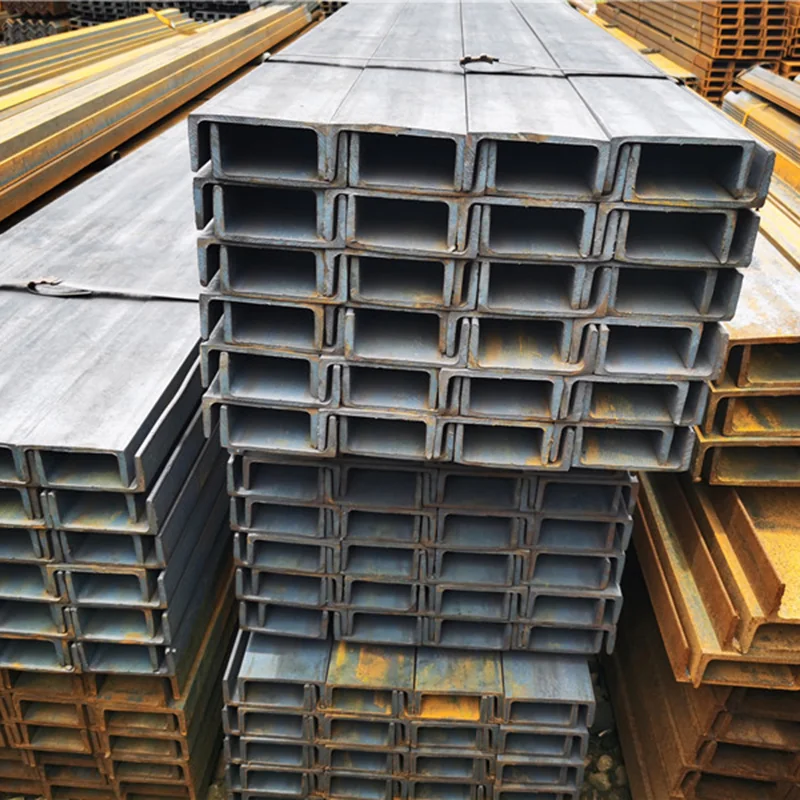
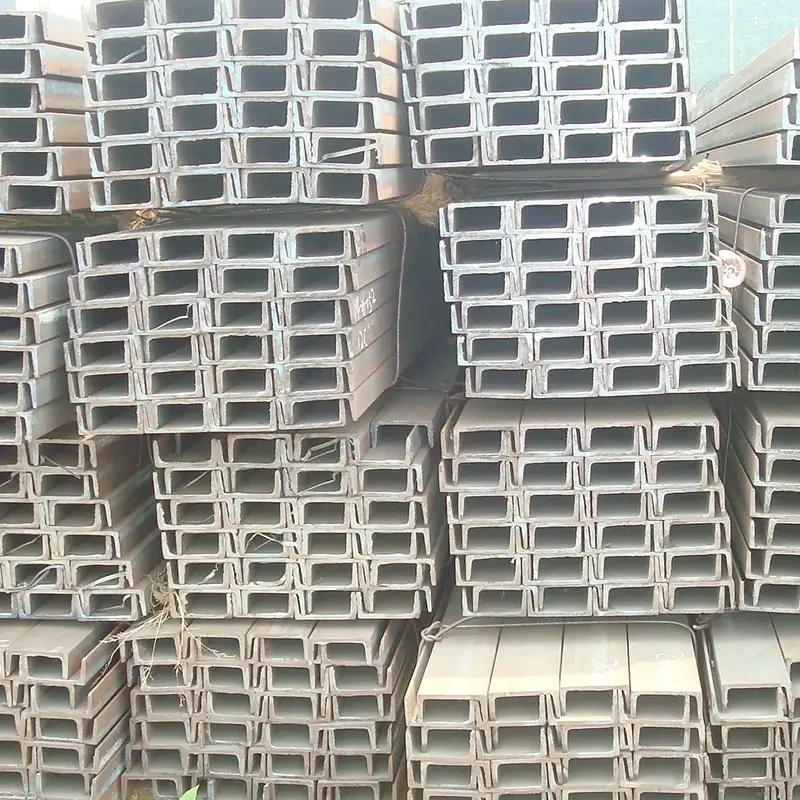
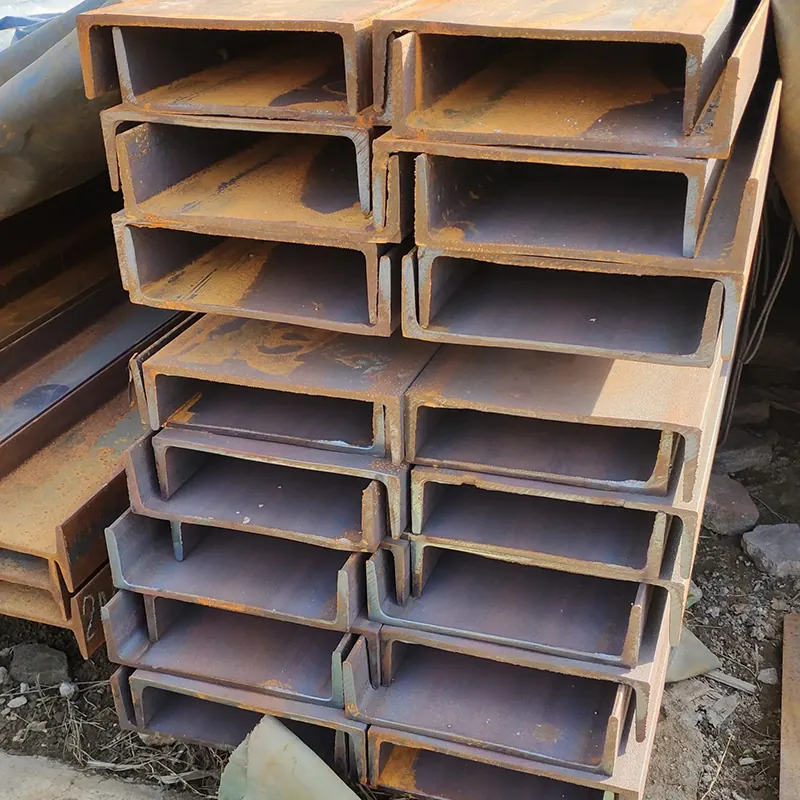
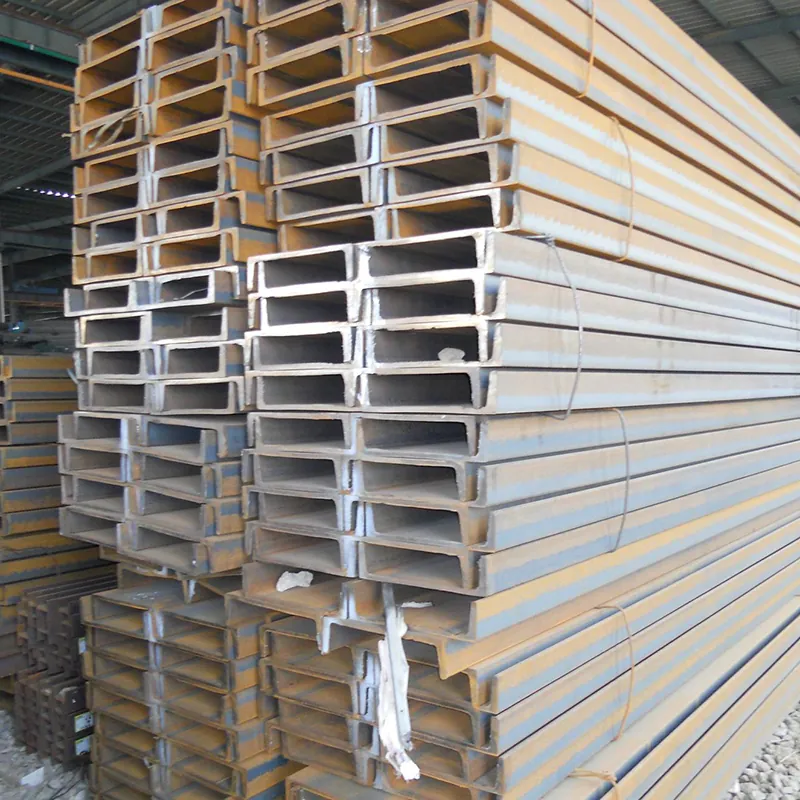
C-Section Purlins and Channels for Project Drawings
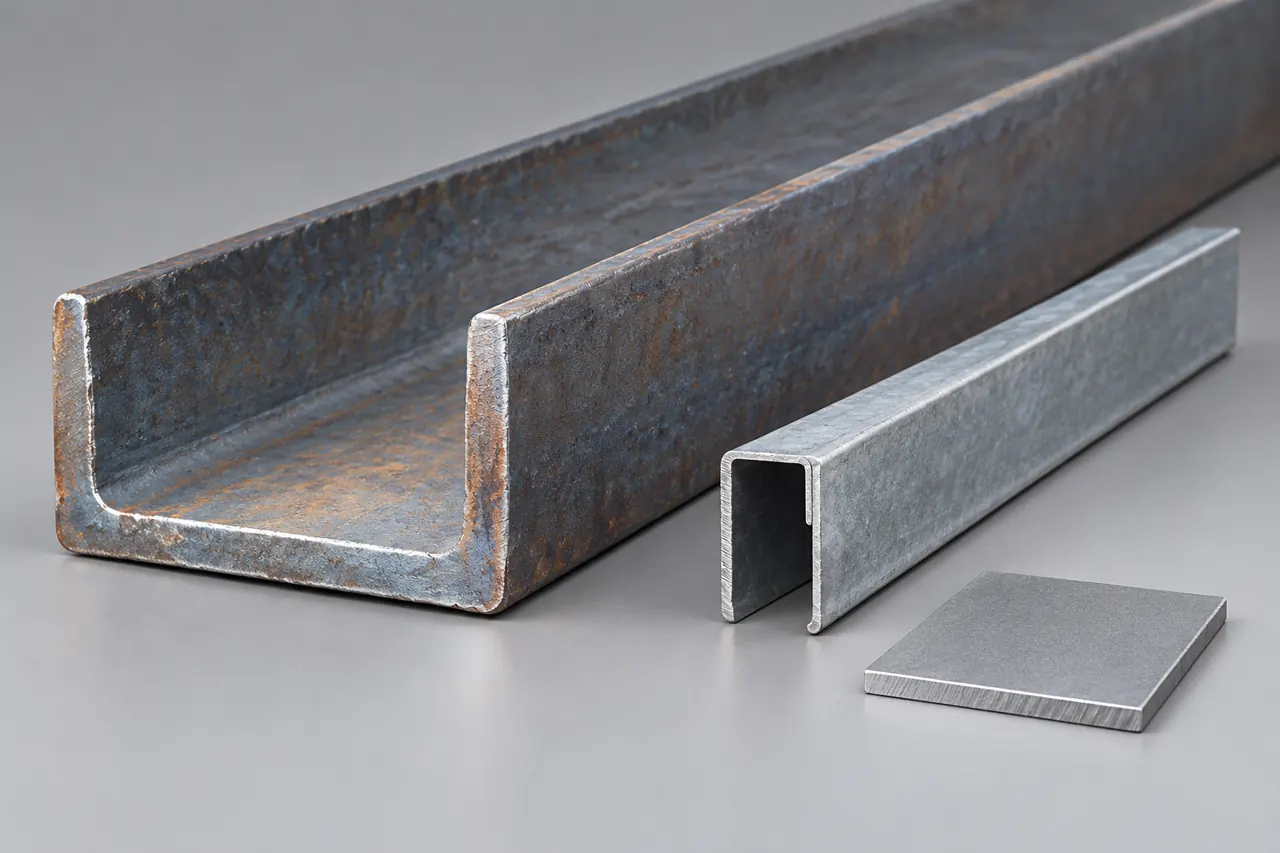
Begin a C-section enquiry by naming the product route as well as its geometry. Our catalogue includes channel and section enquiries. Send the approved section drawing, material and hole schedule so we can confirm the actual offered form without treating a cold-formed purlin and a hot-rolled channel as interchangeable.
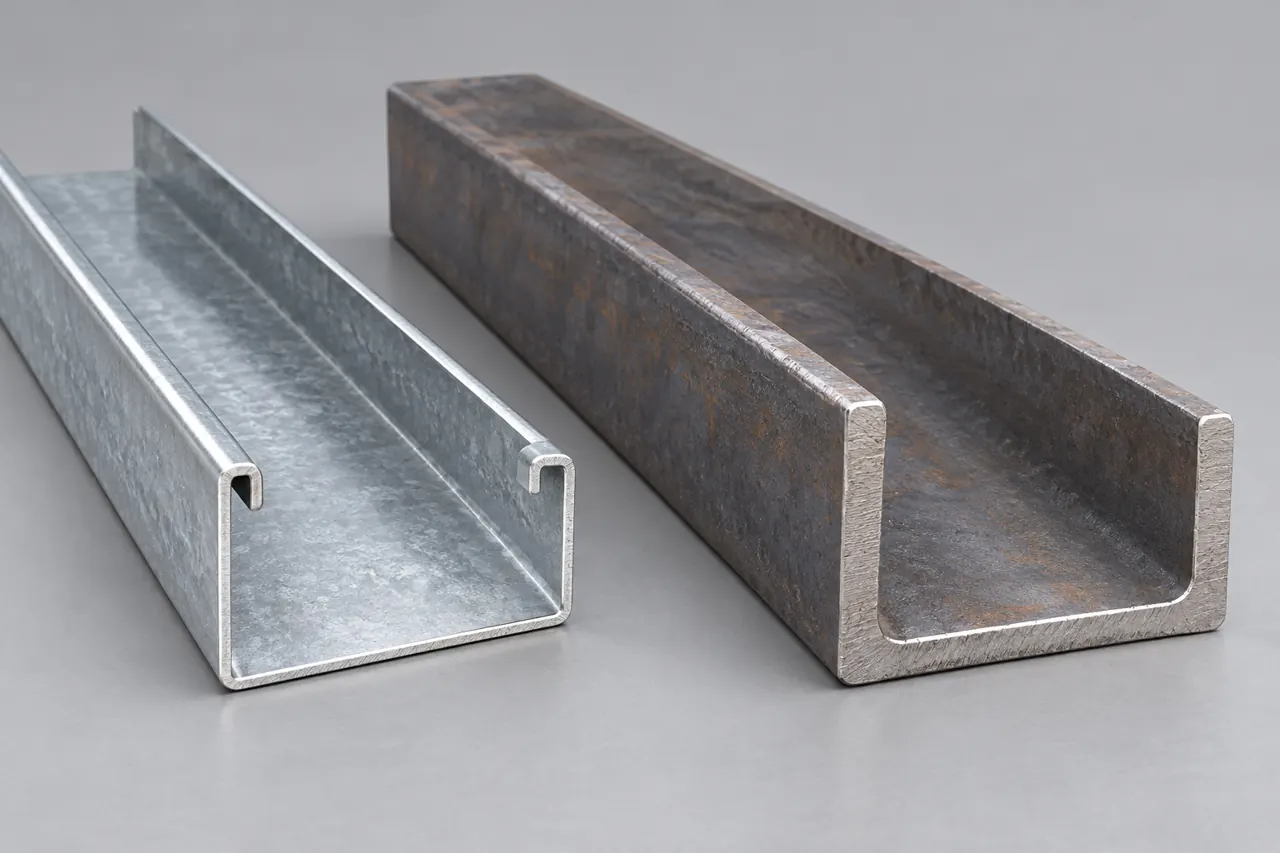
Purlin and channel names need a drawing behind them
Identify whether the project specifies a cold-formed section, hot-rolled channel or another defined profile. Include the drawing revision and material schedule. A commercial C-channel label is too broad to establish the forming route, wall distribution or structural acceptance needed for the project.
Each section dimension should have its own field
Provide web, flange and any lip dimensions, together with thickness and length. Show the measurement basis and tolerances on the drawing. Keep corner geometry and other relevant details explicit rather than inferring them from a simple letter-shaped profile or a catalogue photograph.
The sample should match the proposed route
Use a representative section sample or confirmed drawing to review the actual supplied geometry. Keep the product identity and material records with that reference. The linked catalogue item includes different route descriptions, so its specific offered section needs confirmation before it is used as a project purchasing reference.
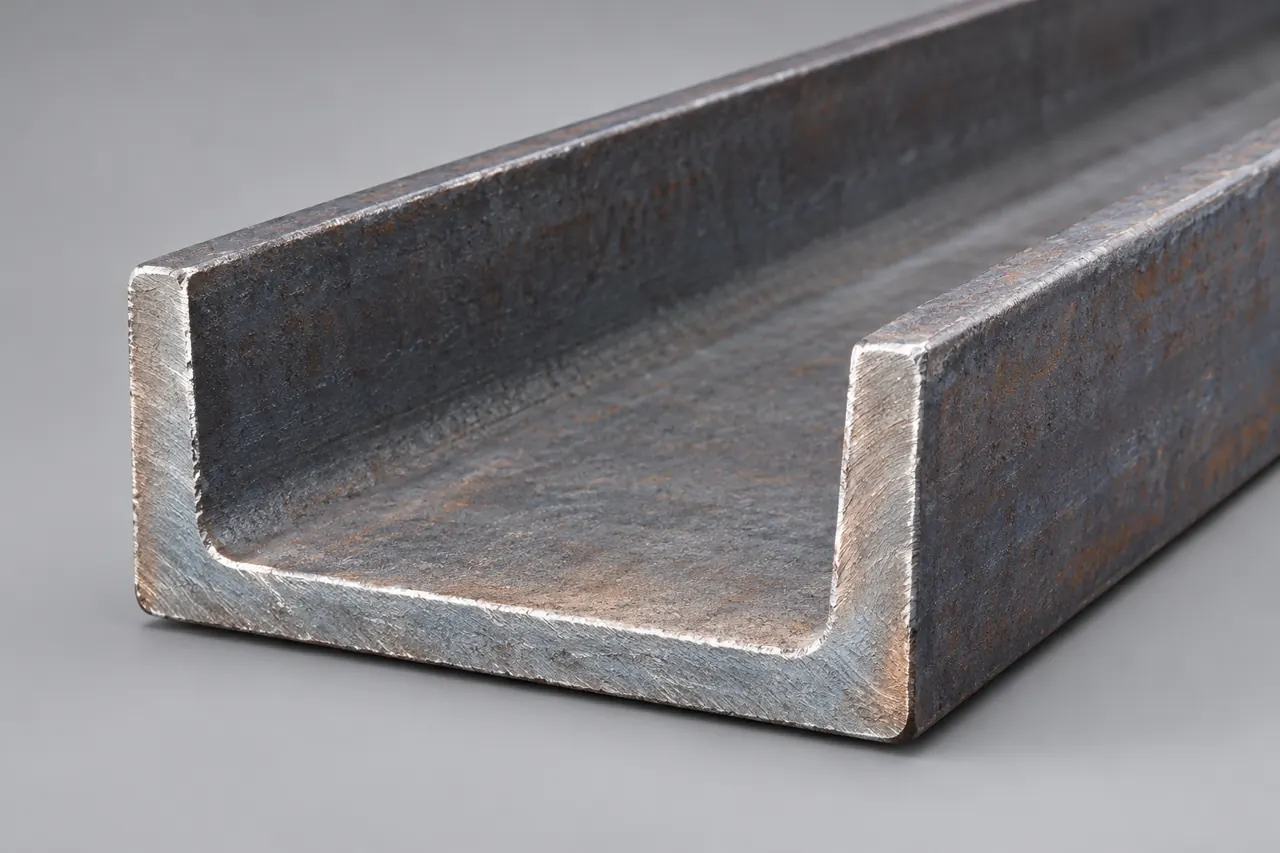
Hole schedules need a common datum
For punched or drilled pieces, show hole dimensions, spacing and orientation from named reference edges or ends. Identify mirrored parts and different lengths clearly. Ask which operations are included and how their acceptance will be recorded; a material-only channel offer does not automatically include project hole preparation.
Material and finish should be confirmed independently
List the required material designation and surface treatment, then ask for the proposed supply and relevant records. A galvanized appearance does not verify the steel grade or coating requirement. Review finish needs alongside any hole or cut-edge preparation specified by the project drawing.
A drawing review should resolve supply differences
Compare the proposed section with the approved drawing before release. Record any variation in route, geometry, material, holes or finish and obtain the responsible approval. We can discuss the catalogue scope and confirm a specific offer; the broader range does not establish every project fabrication step as in-house.
Piece marks should connect the delivery to the schedule
Agree marks that remain readable through packing and receipt. Separate sections by size, length and orientation, and match bundle counts to the project schedule. Confirm the handling and surface-protection arrangement, especially where several similar profiles share one delivery.
A first-piece reference supports repeat acceptance
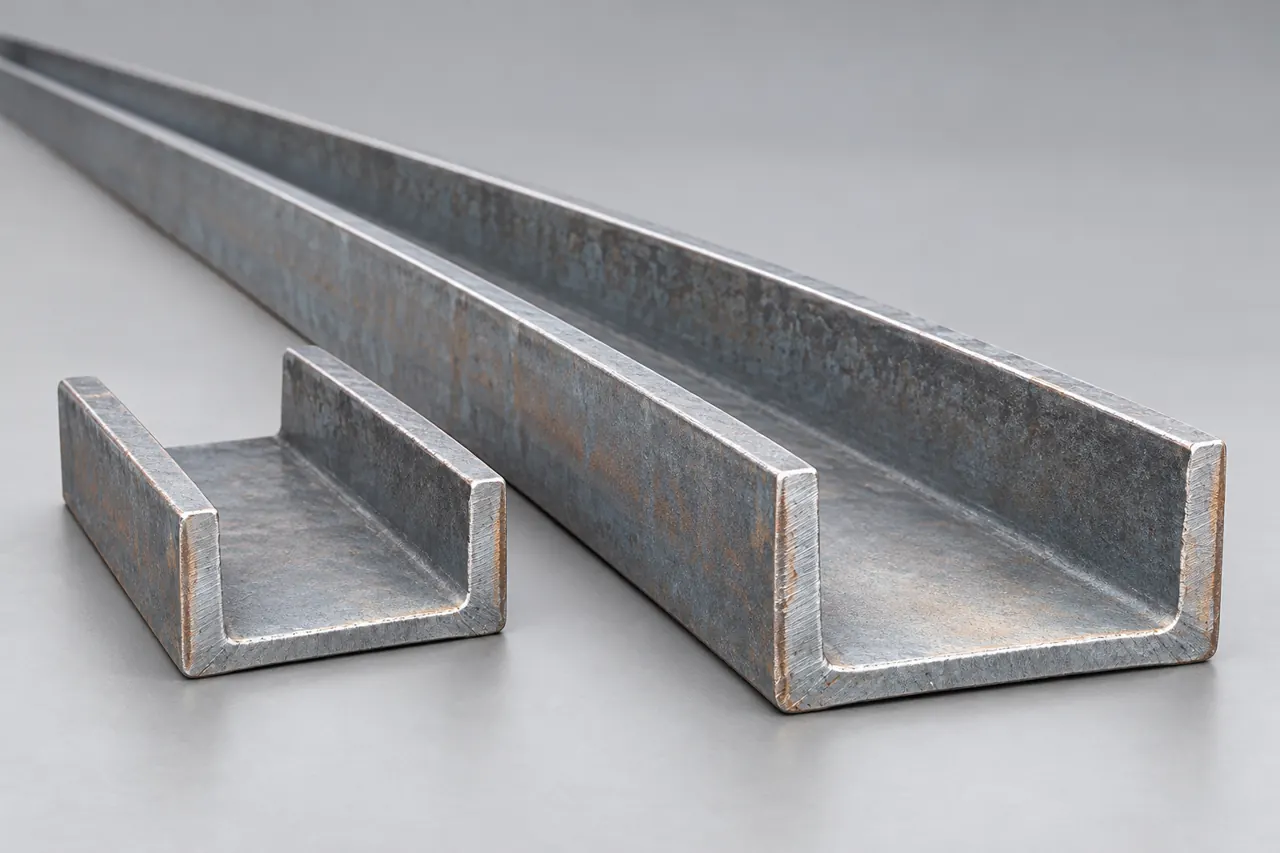
Retain the approved section or first-piece record with its drawing revision. If a later piece differs, preserve its mark and document measurements from the same datums. A comparison built on common references is more useful than an unlabeled photograph of two similar-looking channels.
Send the section route and drawing together
Provide the product route, material, complete cross-section and length schedule. Add holes, finish, required records and piece marking. Our team can review the listed section options and confirm the actual material and processing scope for a quotation that your project team can compare.