Wholesale Blasting Media Sourcing for Import Distributors
Build a blasting-media assortment around the jobs your customers actually run. We list steel-shot, grit and stainless-media candidates for industrial enquiries. Separate their material and grading specifications before discussing wholesale quantities, so an attractive combined quotation does not hide incompatible products or ambiguous stock codes.

Customer applications define a useful stock range
Map each proposed stock item to a customer process: foundry cleaning, coating preparation or stainless-component finishing, for example. Record the equipment limitations and approved media specification for that customer group. A wide catalogue becomes useful only when your sales and warehouse teams can identify the correct supply for each use.
Shot, grit and stainless media need distinct offers
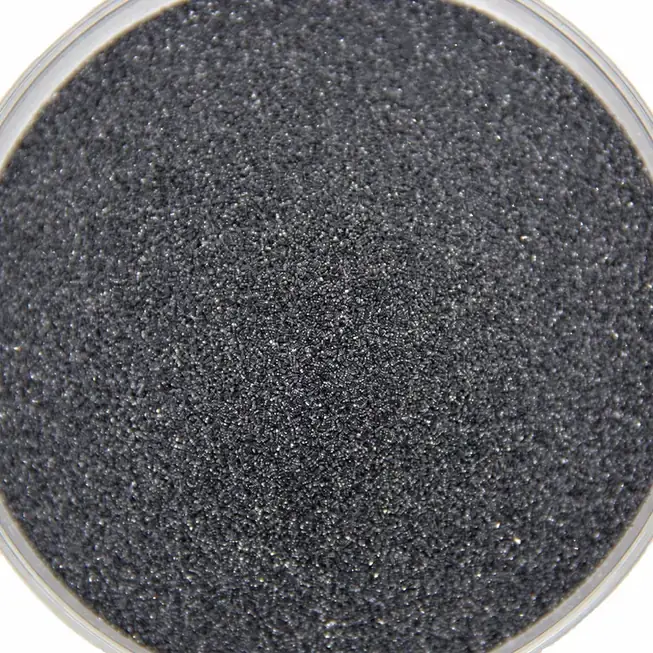
Keep rounded shot, angular grit and stainless cut-wire descriptions in separate quotation lines. Define alloy where it matters and request confirmation of the actual supplied form. Similar particle names or nominal size labels should not cause a warehouse team to treat different material families as interchangeable.

A stock code should preserve the whole specification
Give every SKU a specification revision, not just a short commercial name. Include material, grading basis, hardness requirement where relevant, particle condition and packing unit. Keep customer-specific approvals attached to that code, especially when a shared distributor name covers different end-user requirements.
Samples should represent the proposed supply
Ask which lot each evaluation sample represents and which records accompany it. Your customer may need to assess cleaning, surface profile or contamination control under its own conditions. Keep the sample result tied to that application rather than using one successful demonstration to endorse the entire wholesale range.

Manufacturing scope belongs in the shortlist review
Our business focuses on steel wire and steel shot, with a wider industrial catalogue. Confirm the manufacturing or sourcing relationship for each requested media family and the records available for that line. Review certificates by named entity, product scope and validity if your import or customer approval requires them.
Mixed orders need readable packing instructions
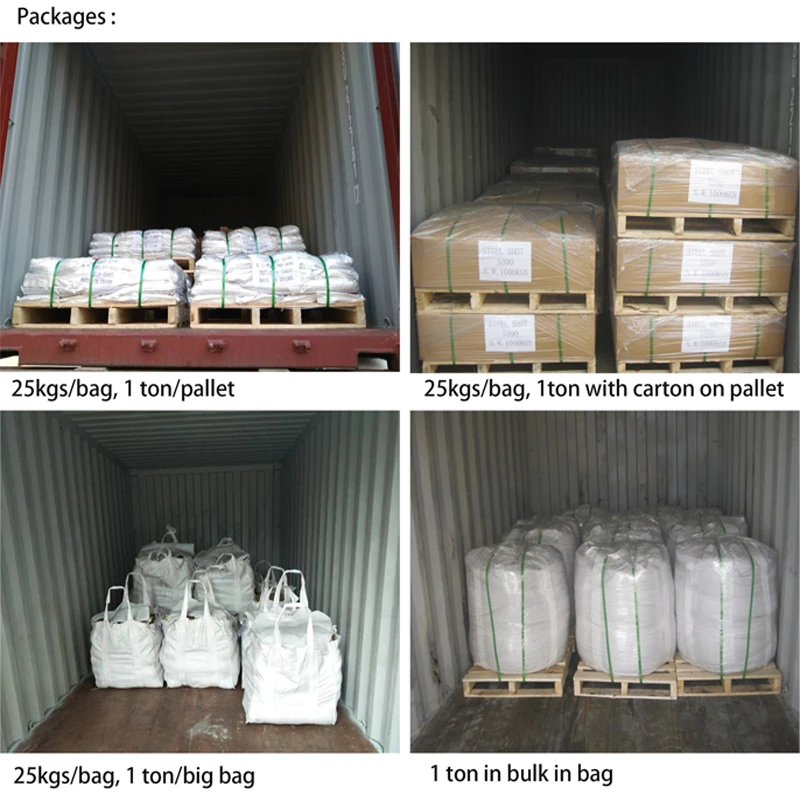
Specify the identification needed on each bag, pallet and packing-list line. Keep the distributor SKU distinct from the manufacturing lot, while linking both to the same material. Confirm whether your requested pack size, language and marking arrangement can be supplied before allocating warehouse locations or customer orders.
Receiving checks prevent mix-ups from spreading
Inspect identification and package condition before releasing media into normal stock. Where a label or sample conflicts with the order, hold the affected packages separately and record the discrepancy. Retained material and photographs help our team discuss the specific issue without relying on a general product name.

Wholesale comparisons need the same delivery scope
Compare line quantities, document requirements, packing and trade terms on a consistent basis. Confirm minimum order conditions and timing for each media family instead of assuming one rule applies to the assortment. For replenishment, carry forward approved revisions and require review of any proposed substitution.
Send an assortment schedule for a specific proposal
Share your customer applications, media specifications, desired SKU quantities and annual purchasing pattern if available. Add evaluation-sample needs, packing marks and destination. We can discuss the catalogue scope and confirm a line-by-line proposal, including any item requiring separate material or commercial confirmation.