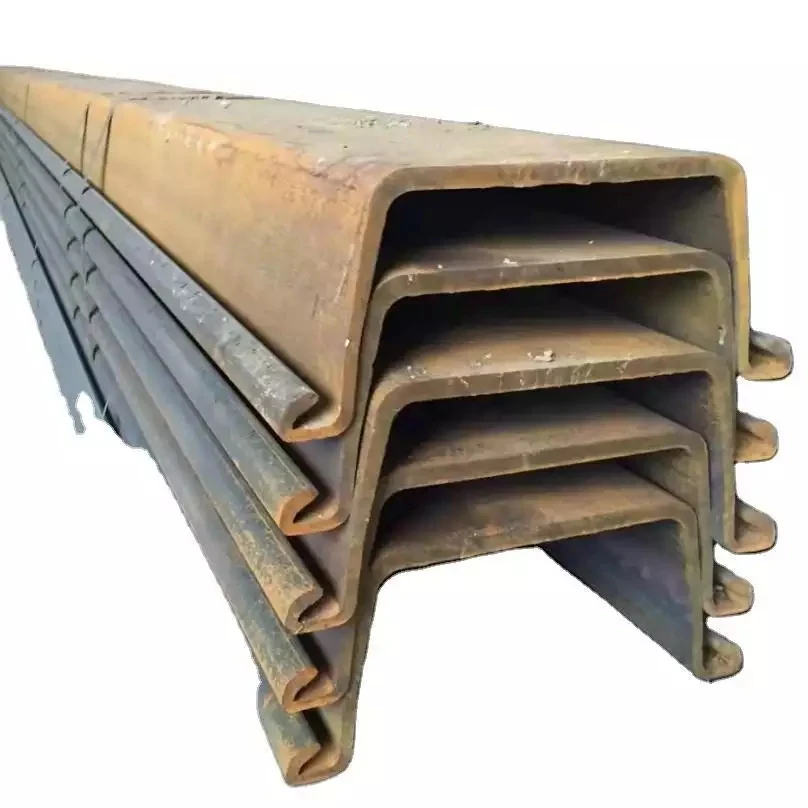
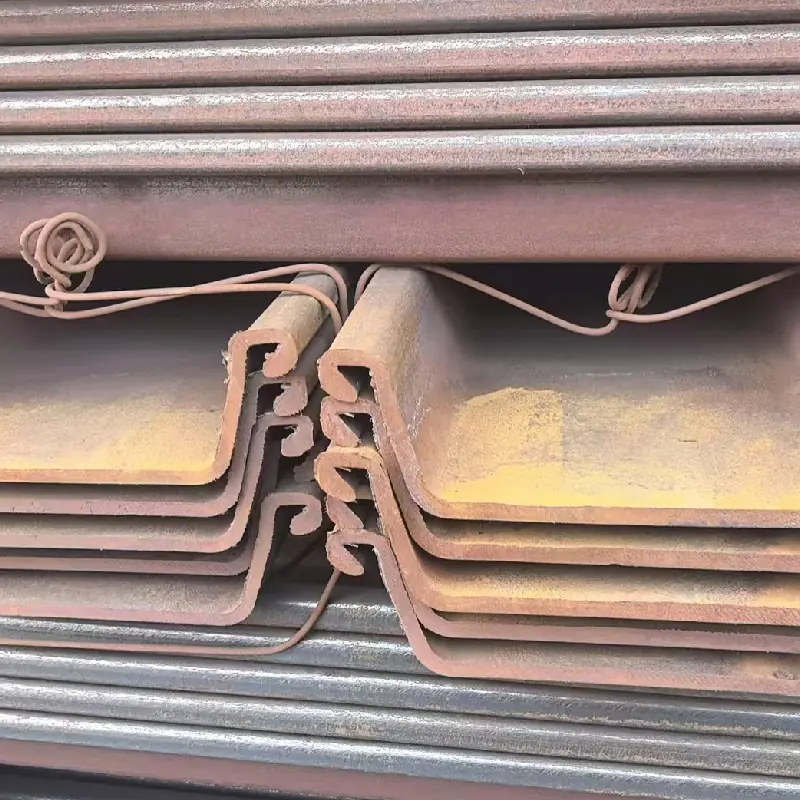
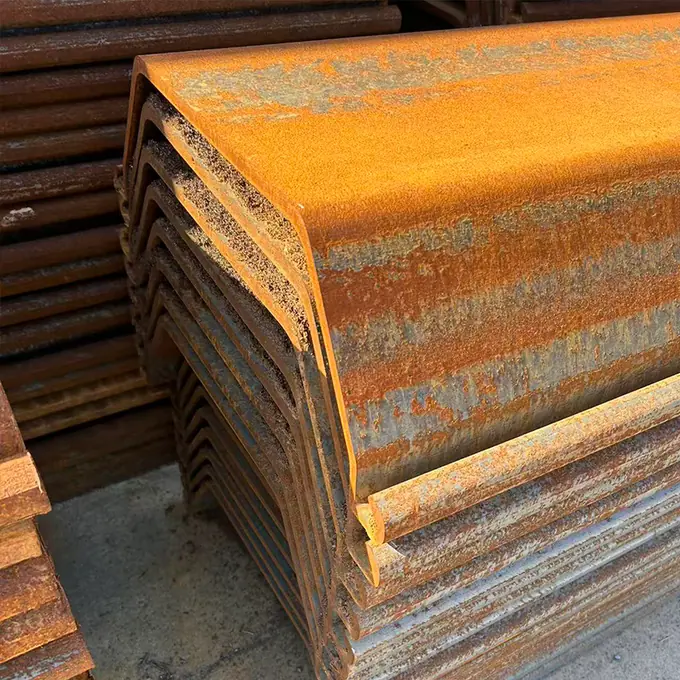
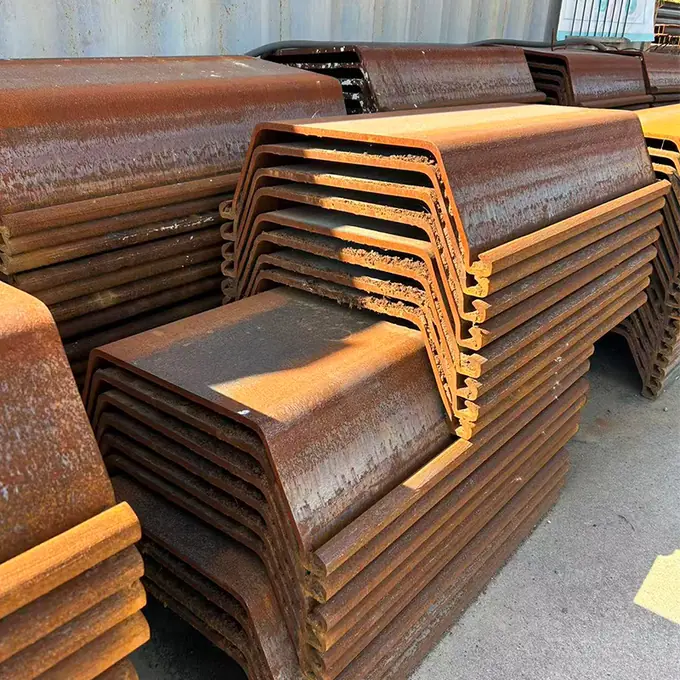
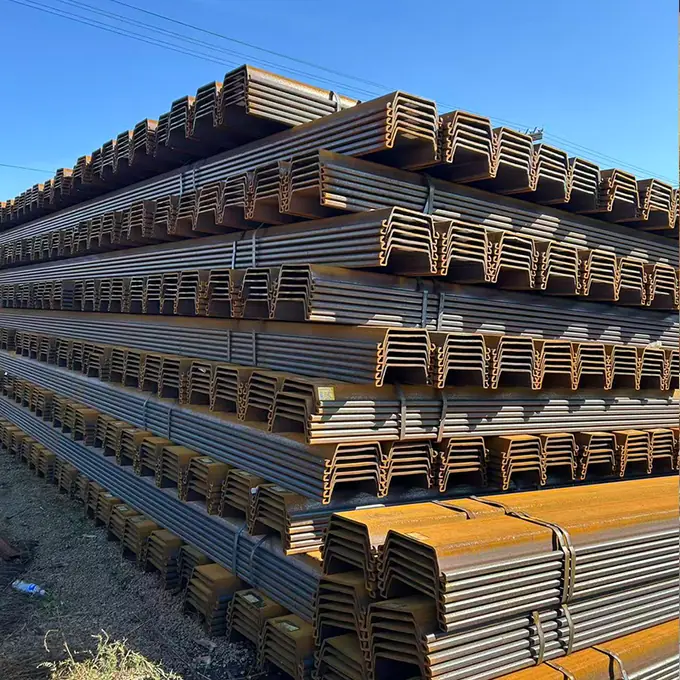
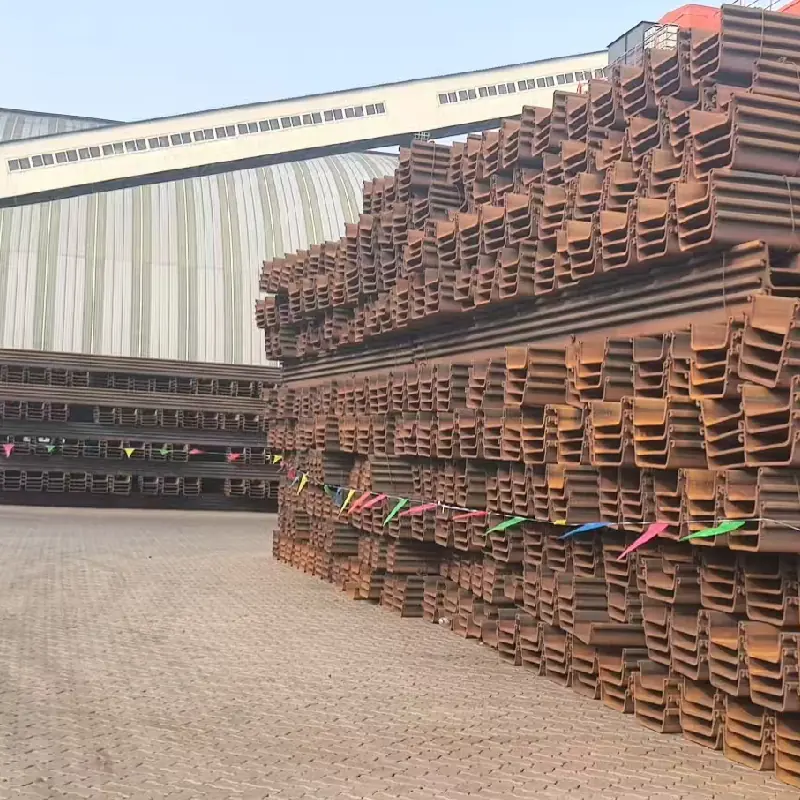
Steel Sheet Piles for Excavation and Cofferdam Projects
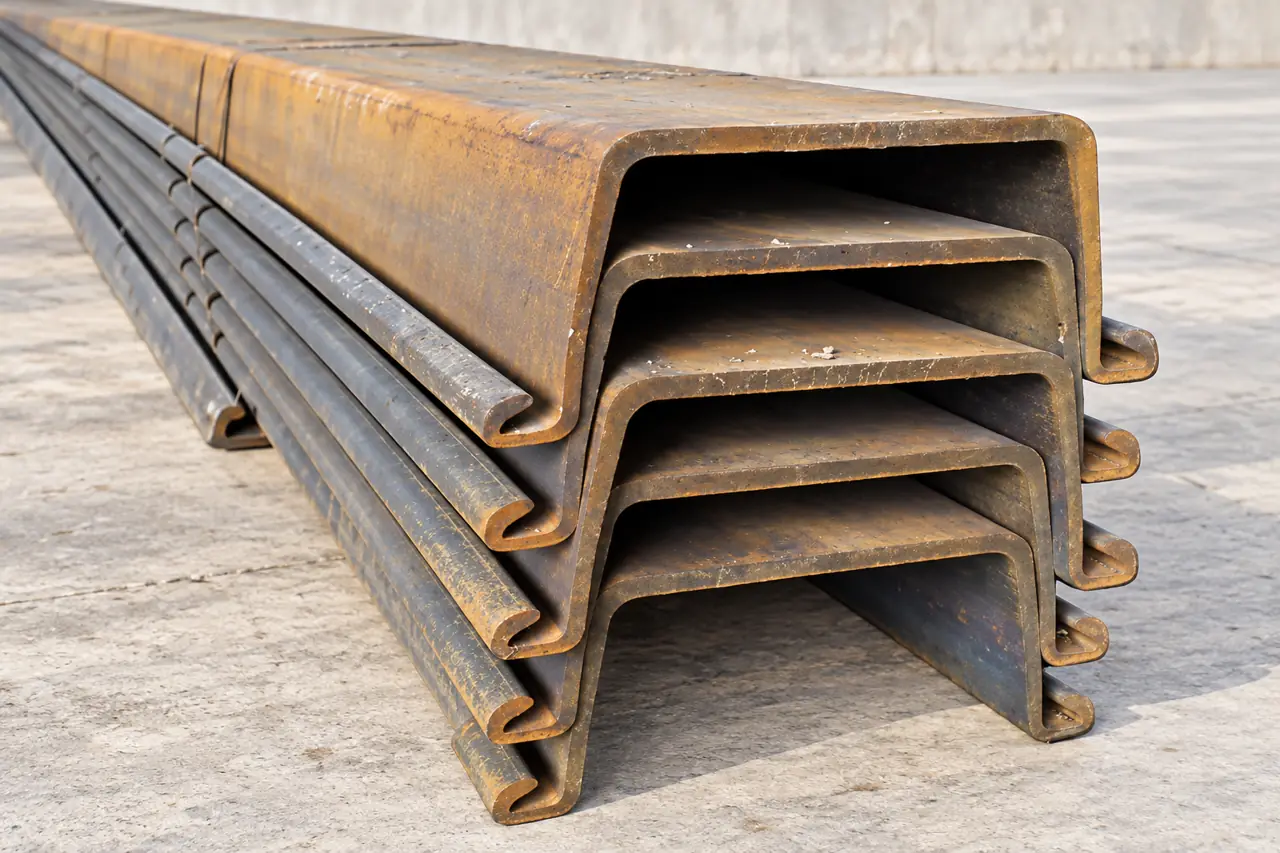
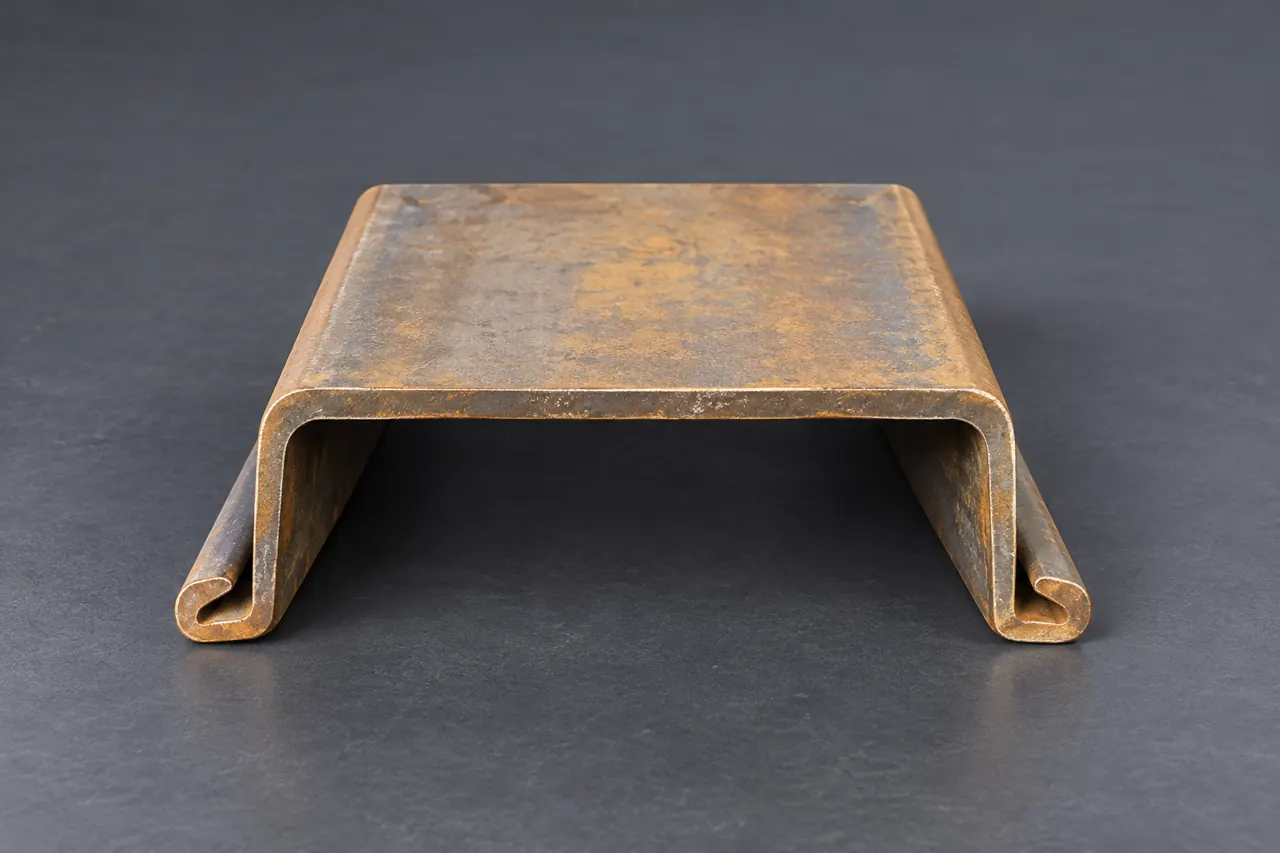
Source steel sheet piles from the project’s specified section and interlock system. Our catalogue includes U-section material imagery and broader sheet-pile references. The actual U or Z section, material, length and condition need confirmation against the design before a supplier offer can enter the project approval process.
Send the approved section and material schedule
Provide the section designation, governing standard, grade, lengths and quantities from the current design documents. State whether the project requires new material and any restrictions on supply condition. A general sheet-pile name does not describe the geometry, material records or condition accepted by the project.
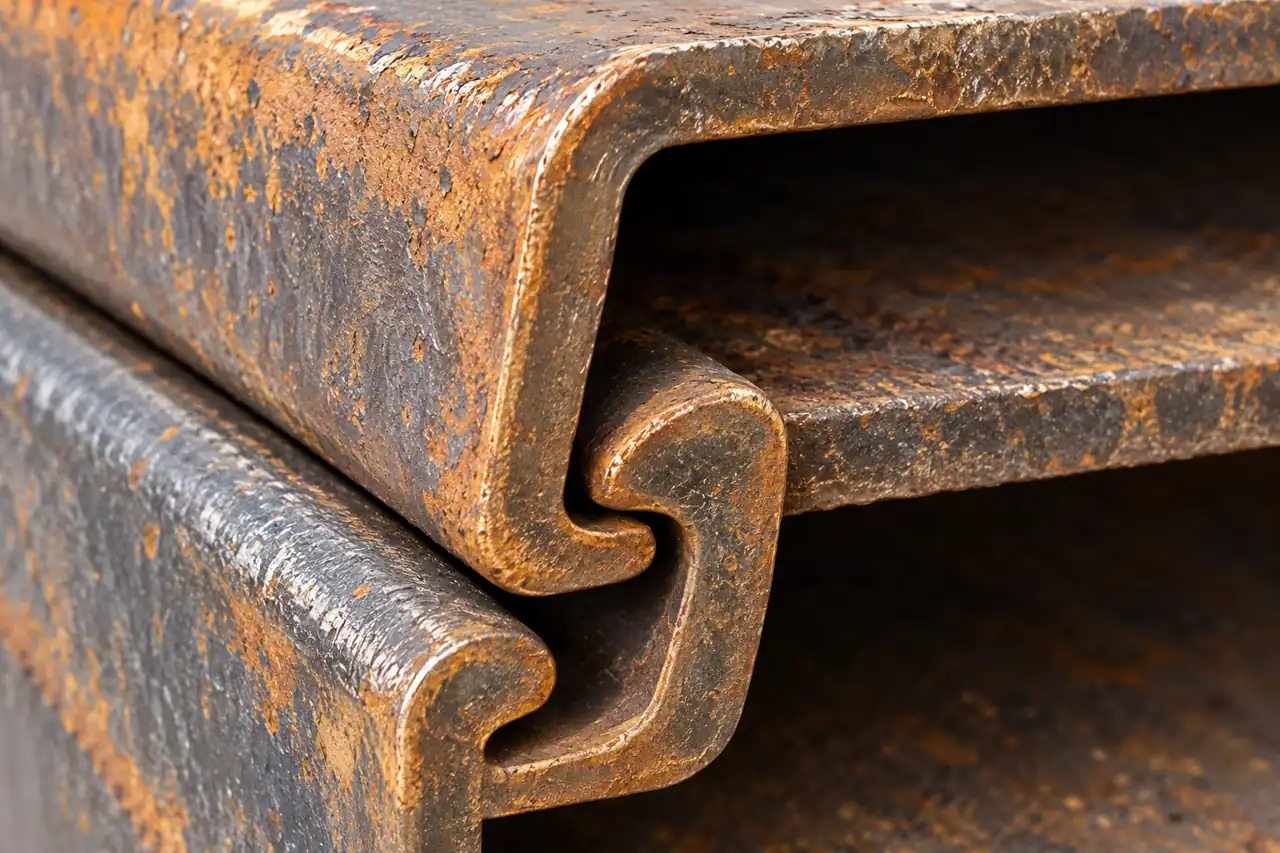
Verify the actual interlock geometry
Request the proposed section drawing and the interlock details needed for the project interfaces. Similar overall depth does not establish that two piles connect as required. If matching existing material, provide its approved identification and drawings; any compatibility proposal needs review by the authorized project team.
Keep U and Z alternatives as separate proposals
A broad listing may mention more than one section family, but the offer must identify the actual supplied profile. Review section dimensions and required property documents against the design. Do not transfer a U-section image or document to a Z-section proposal simply because both are sold as sheet piles.
Define inspection for material and condition
Set the required material records and dimensional or condition checks before order placement. Include the acceptance basis for interlock damage, straightness and surface condition where the project requires it. A photograph can flag visible concerns, but it cannot establish grade or replace the agreed inspection and traceability records.
Confirm the actual length and processing offer
Separate full stock lengths from cut or further processed piles. Agree cut tolerances, end condition and the provider responsible for any operation. The catalogue’s processing references do not establish that every length or service is available; the actual offer should state what will be supplied and inspected.
Leave system and installation approval with the project
The supplier offer covers the identified material and agreed evidence. The project team determines suitability for excavation or cofferdam design and installation. Review substitutions through that team before ordering; material availability does not establish adequate system performance or a suitable installation method for a specific site.
Retain identification through staged site deliveries
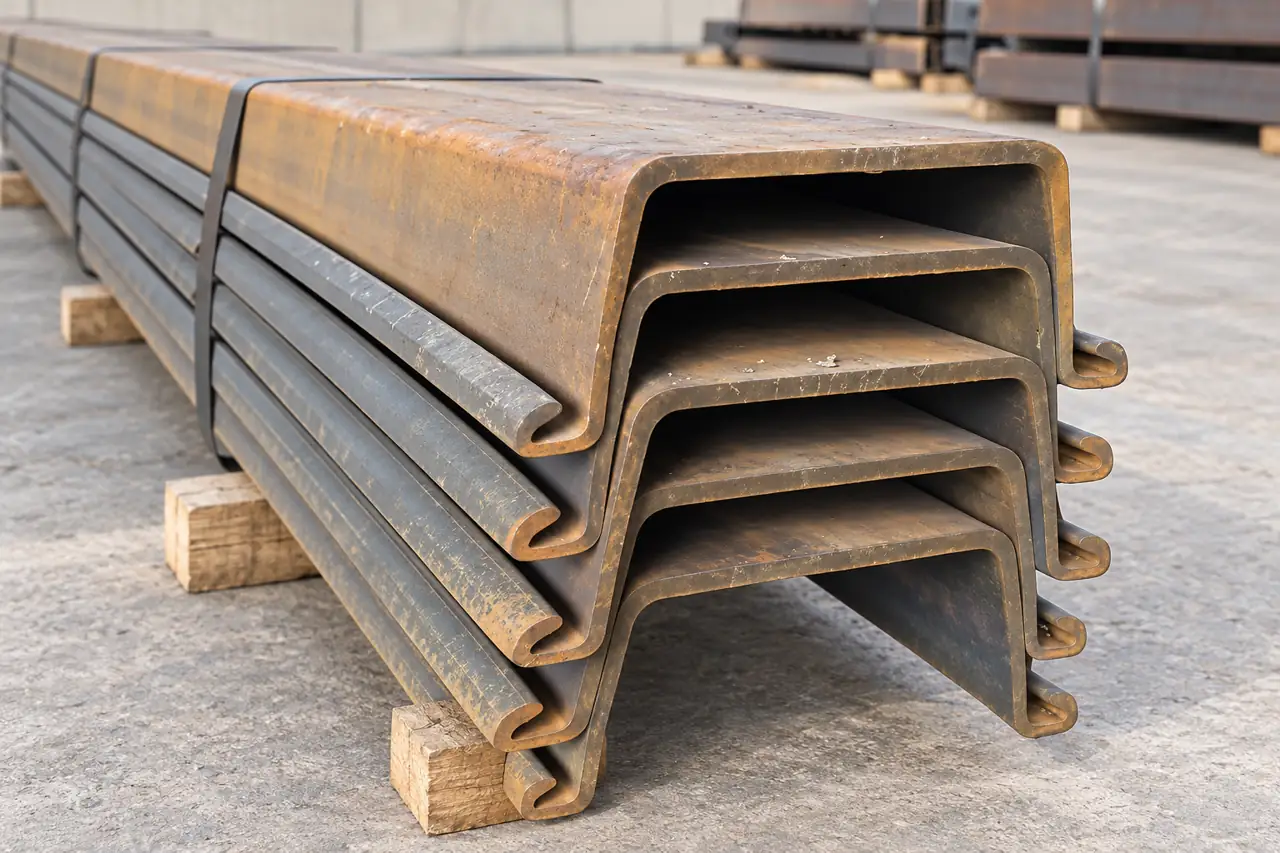
Plan bundles and delivery lots around the actual site receiving sequence. Agree marking and packing-list references that preserve section, length and material identity. Confirm the handling constraints with the receiving team, and define how damaged or unidentified pieces will be held for review rather than mixed into approved stock.
Compare quotations against one approved schedule
Use the same section, condition, inspection package and destination for the price comparison. State whether any joining, cutting, transport or inspection service is included. Minimum quantities, available lengths and delivery timing need confirmation for the actual project; a catalogue range is not a committed stock schedule.
Send a sheet-pile project RFQ
Share the section and interlock drawing, project material specification, length schedule and required supply condition. Add approval documents, processing needs and delivery sequence. We can discuss the catalogue candidate and confirm the actual offer for project review, with technical deviations resolved before any purchase is released.