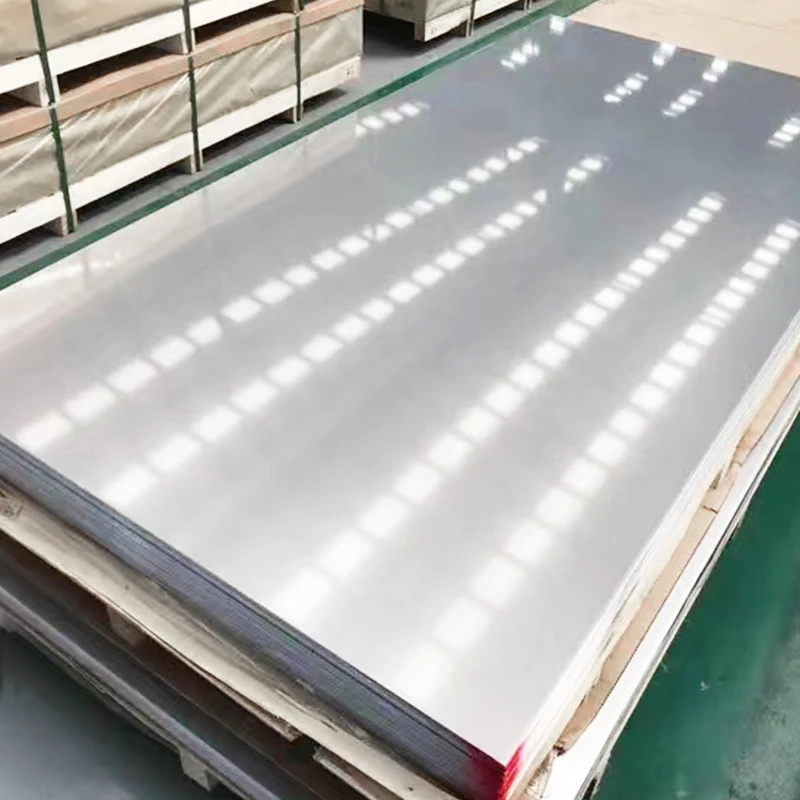
6061 Aluminium Plate Blanks for CNC Machining
Buy machining blanks as a defined stock condition and size, not only as 6061 aluminium. We list cut-to-size plate candidates that include 6061 references. Specify temper, stock dimensions, flatness and machining allowance, then confirm the actual supplied material and cutting scope before using the offer in a machining plan.
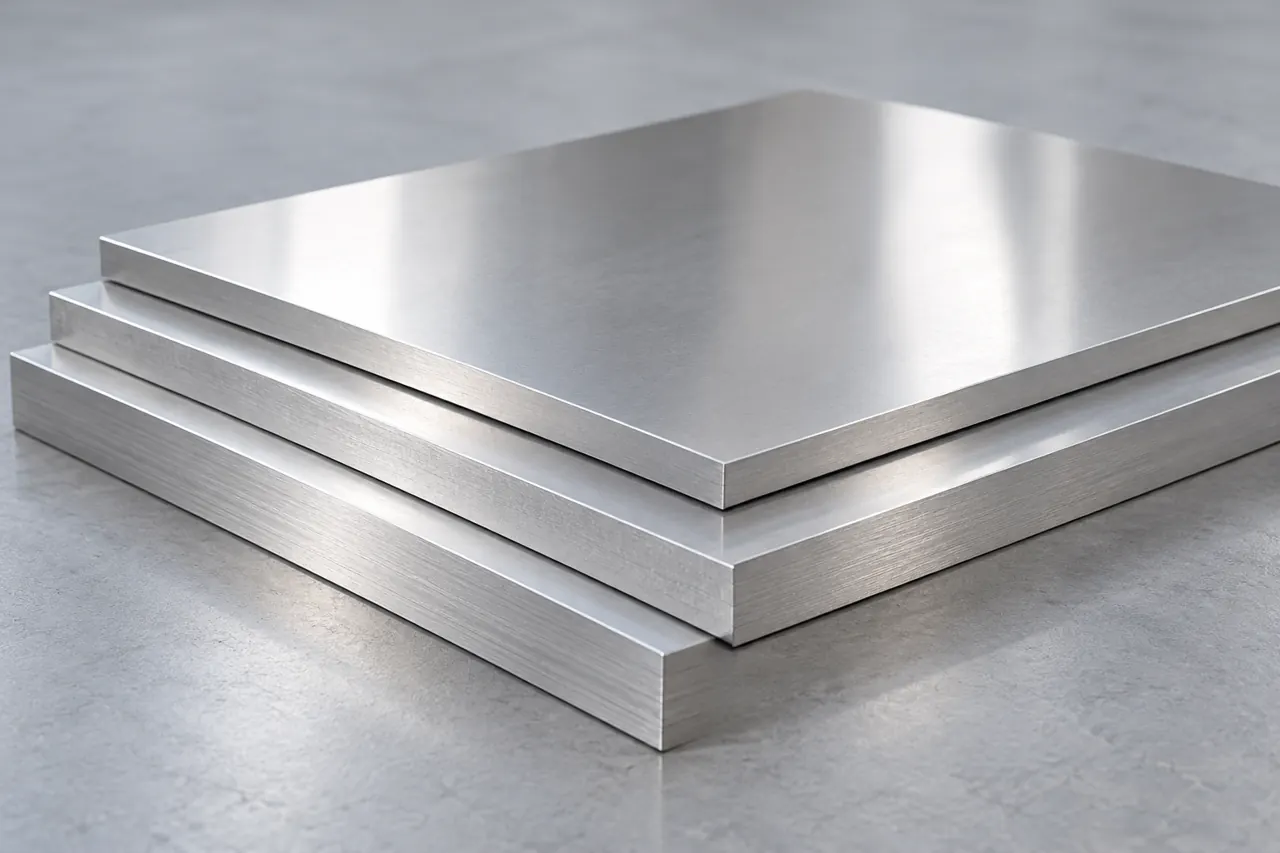
Translate the finished drawing into a stock brief
Provide the finished-part drawing and a separate blank schedule with the allowance your machining team requires. Identify faces or datums that matter to setup. The supplier should quote the requested stock dimensions; it should not have to guess machining allowance from the final part’s overall size.
Keep alloy and temper together in the offer
Require the selected 6061 designation and the exact supplied temper or condition in the quotation and material records. A multi-alloy plate listing is not one common material specification. If an alternative condition is proposed, have your technical team review it explicitly before it enters the accepted blank schedule.
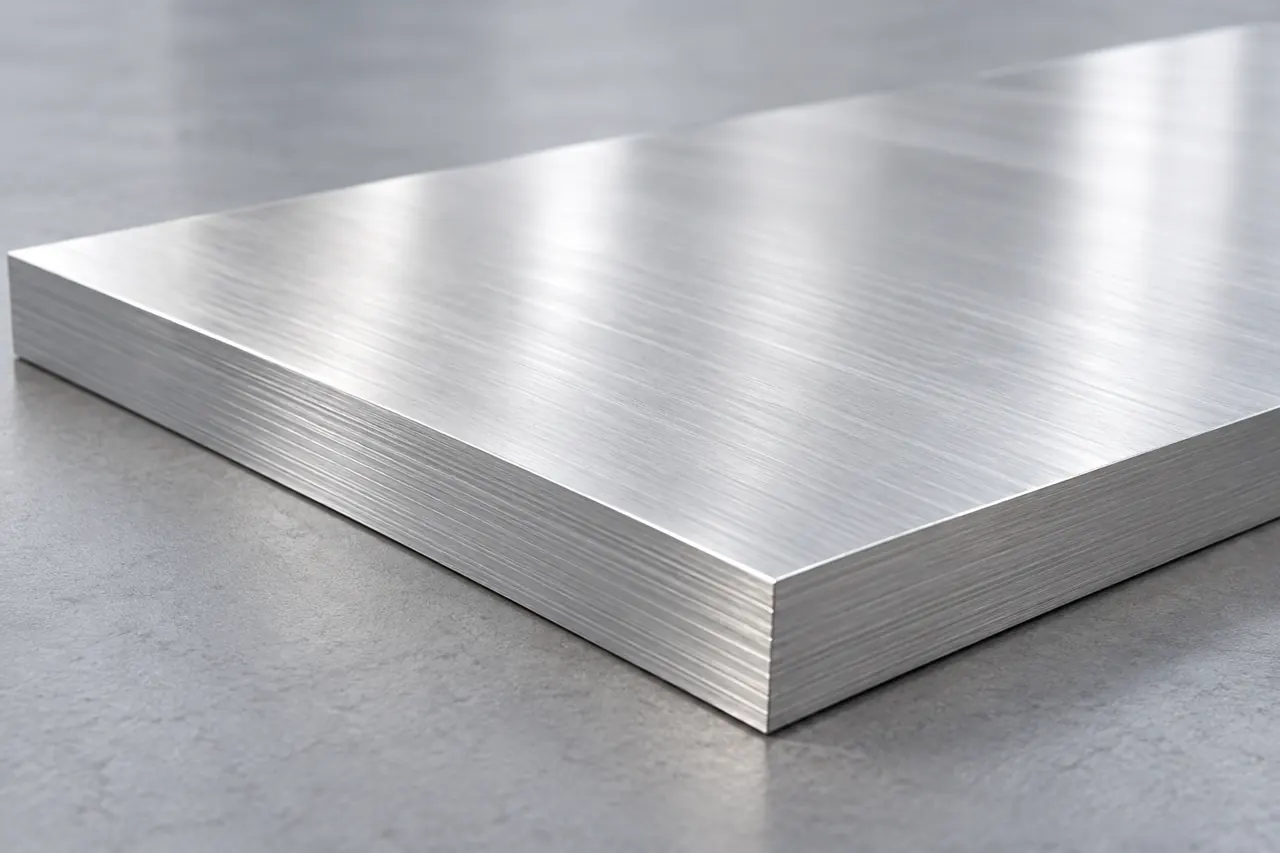
Specify flatness with a measurement basis
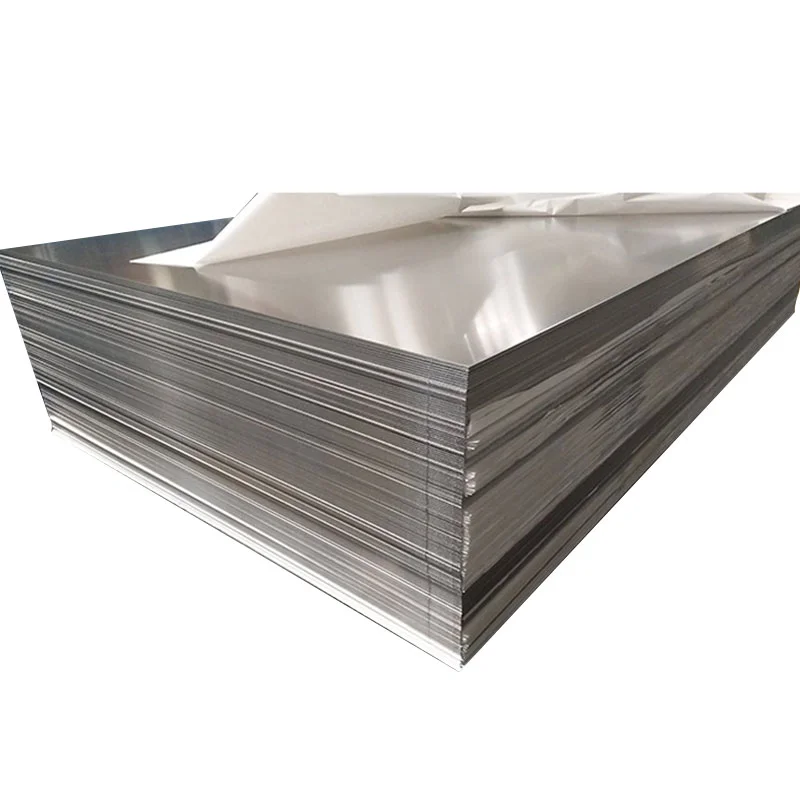
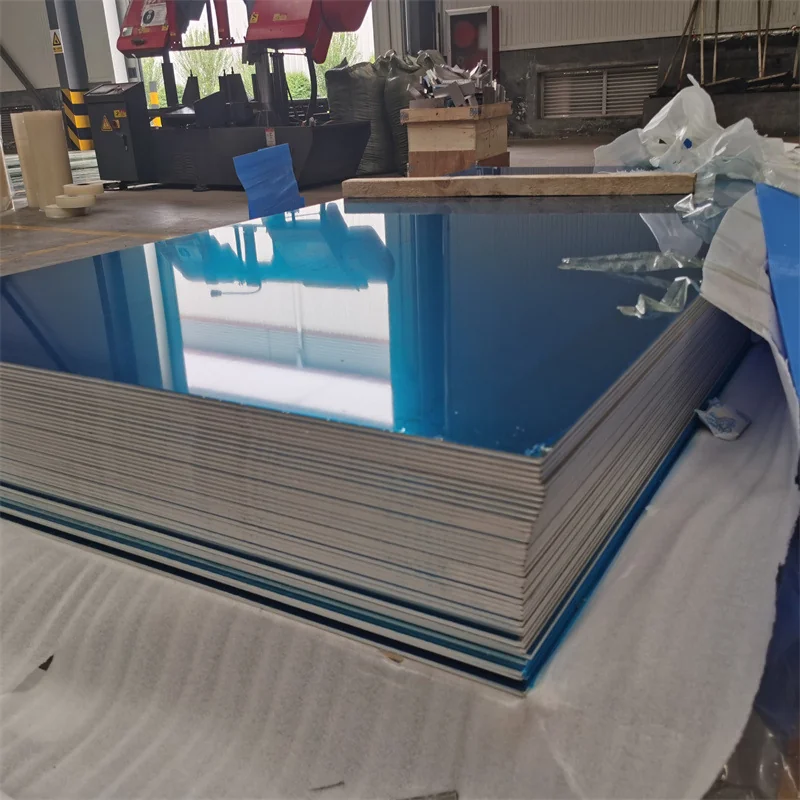
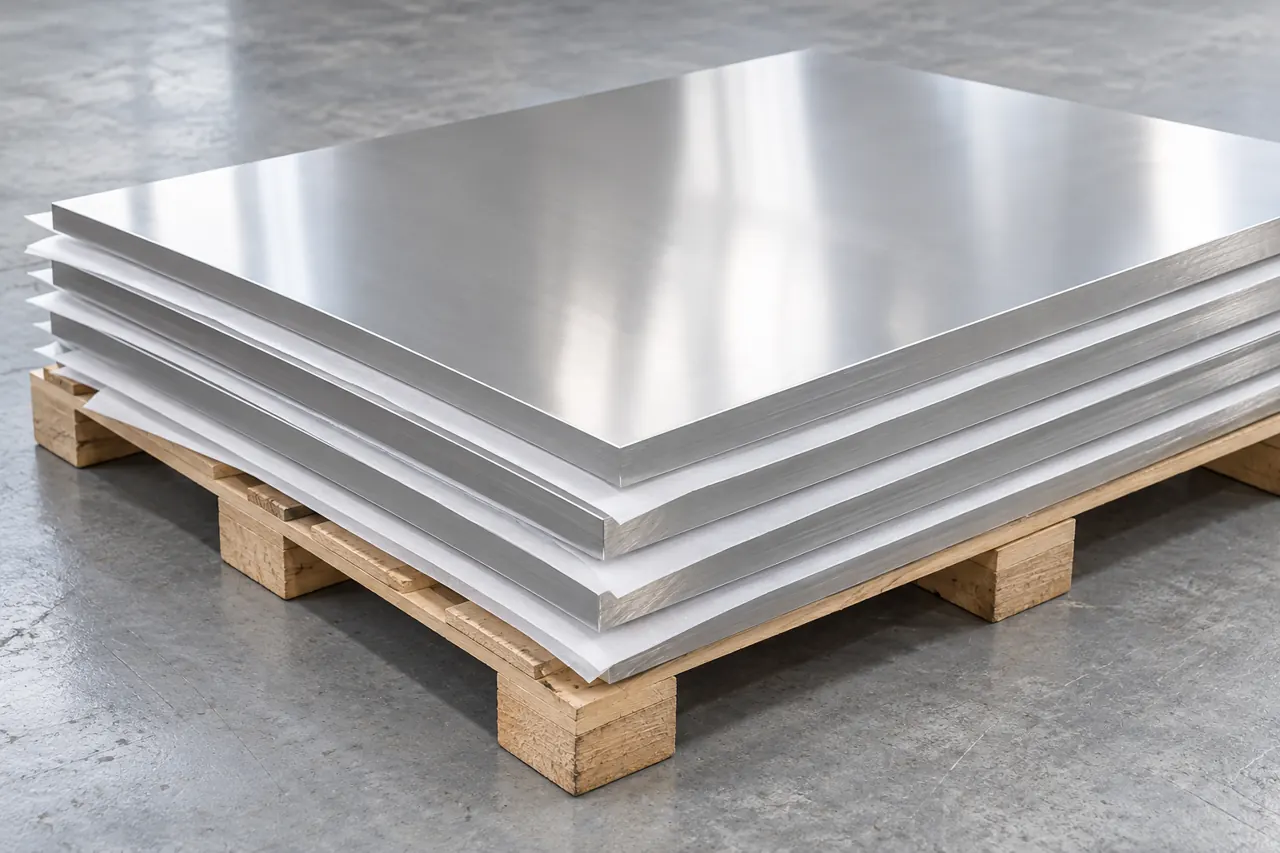
State the flatness requirement, the area over which it applies and the agreed inspection method. Clarify whether acceptance is for the delivered blank or a later machined condition. A photograph of a flat-looking plate does not establish a measured result or guarantee the final part after material removal.
Confirm the actual blank-cutting scope
Ask whether the offer covers stock plate, cut blanks or additional edge preparation, and who performs each operation. Agree cut tolerances and acceptable edge condition. The catalogue’s cut-to-size wording is a selection lead; available dimensions, process and service responsibility still need confirmation for your order.
Trial a blank through a representative machining route
Where a trial is needed, machine a sample with the intended setup and removal sequence. Record the blank’s identity and starting measurements, then assess the finished geometry using the approved drawing. Keep any movement or surface issue in context; the trial result describes that material and process combination.
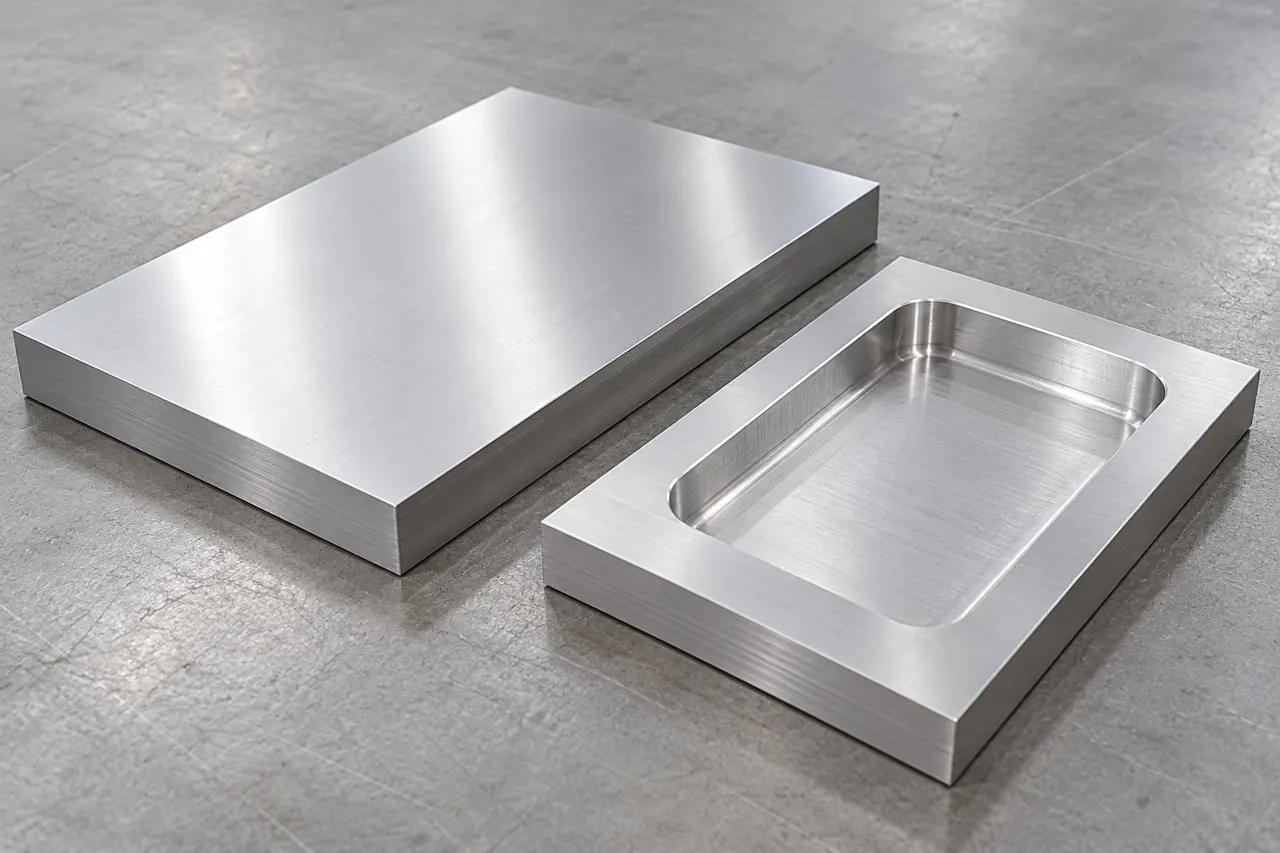
Preserve material traceability after cutting
Define how each blank or grouped pack remains linked to its material documents after the parent plate is divided. Agree marking that will not damage a critical face. A certificate for a large plate is useful only when the receiving and cutting records can connect it to the blanks you will machine.
Protect machining stock during delivery
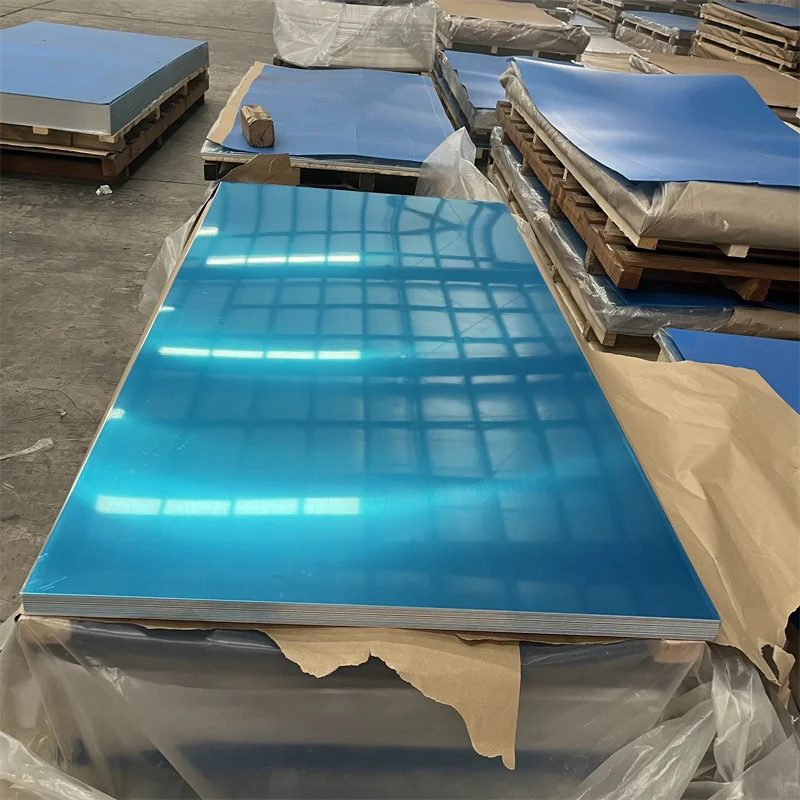
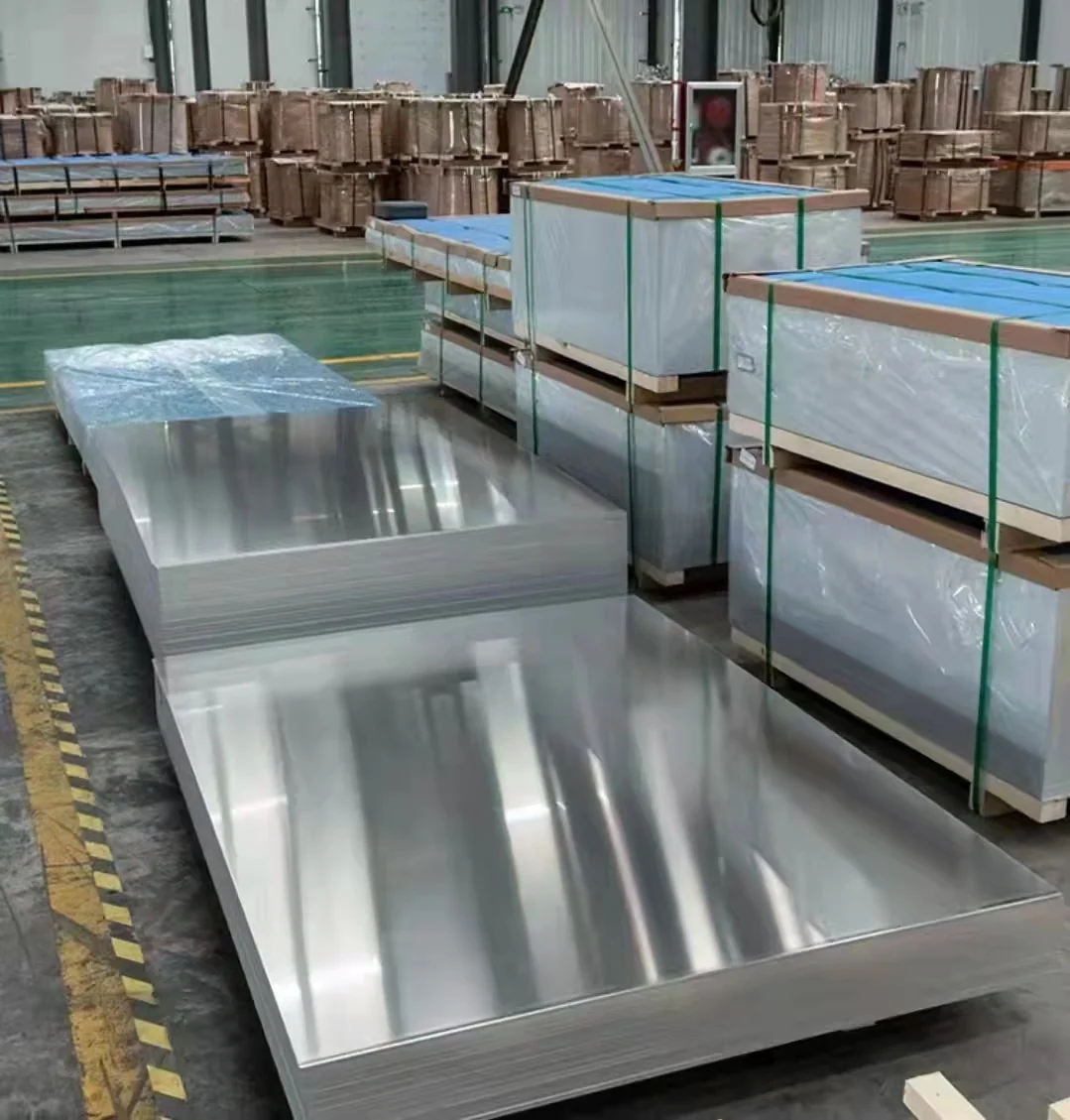
State the surface protection, separation and packing limits appropriate to the blanks. Agree whether protective film is allowed and how contact faces are protected. Keep different alloys, tempers or blank sizes physically and administratively distinct so the machine shop does not select a visually similar but unapproved material.
Compare the accepted blank rather than raw weight alone
Use the same material condition, cut dimensions, tolerance and document scope when comparing offers. Clarify the quantity basis and treatment of remnant material if relevant. Sample terms, minimum quantities and scheduling need confirmation against the actual blank mix; catalogue availability is not a reserved production commitment.
Send a machining-blank RFQ
Share your alloy and temper, blank schedule, drawing revision and machining allowance. Add flatness, edge and surface criteria, material-document needs and destination. We can discuss the catalogue candidate and confirm the actual material and processing offer for your machining team to evaluate before the stock is released.