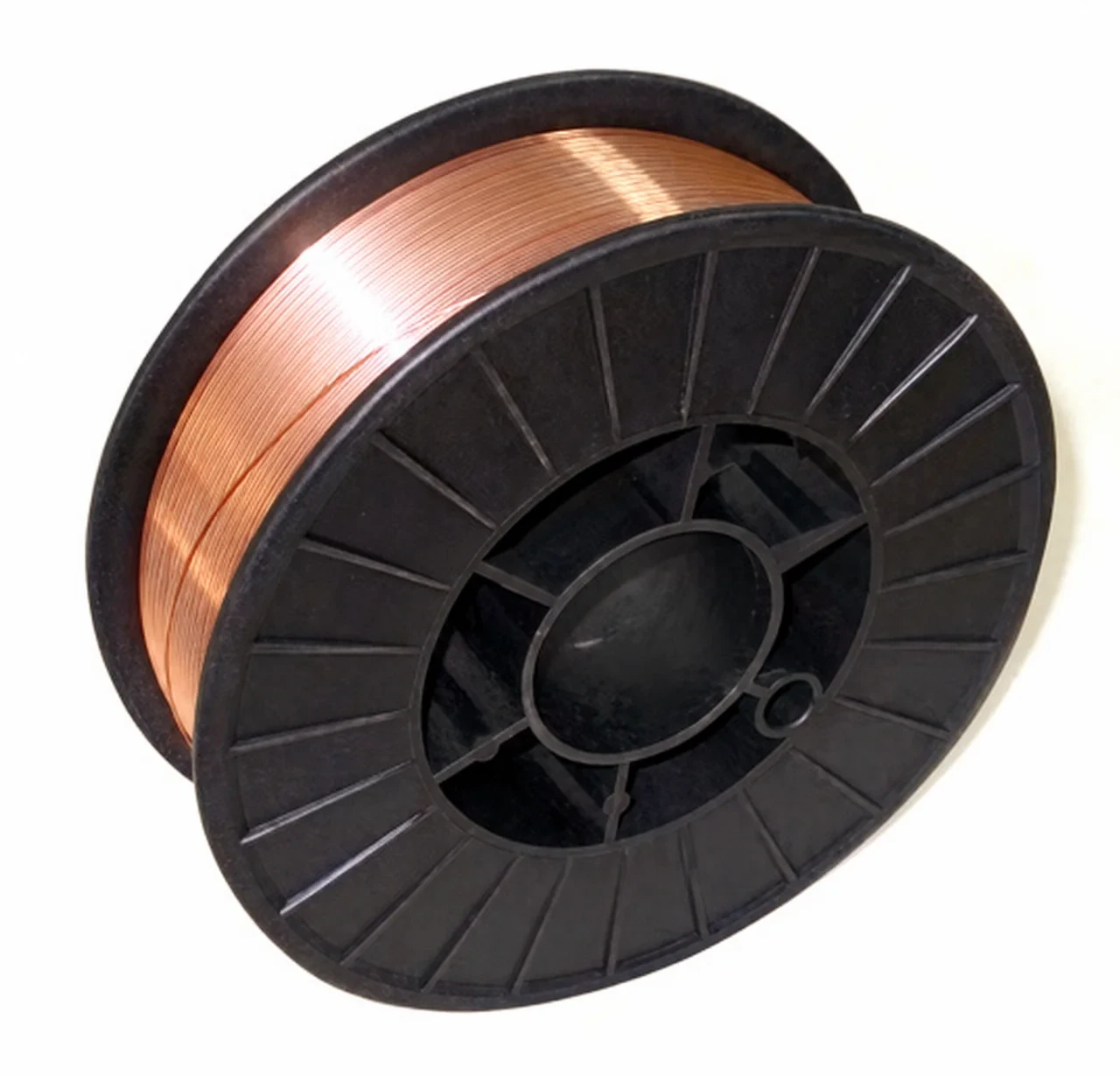
ER70S-6 Welding Wire for Carbon Steel Fabrication
Source ER70S-6 solid wire against the welding procedure used by your fabrication shop, including wire diameter and feed package. We list a copper-coated welding-wire candidate with classification references. Confirm the actual supplied classification and supporting documents before treating the offer as suitable for your approved production work.
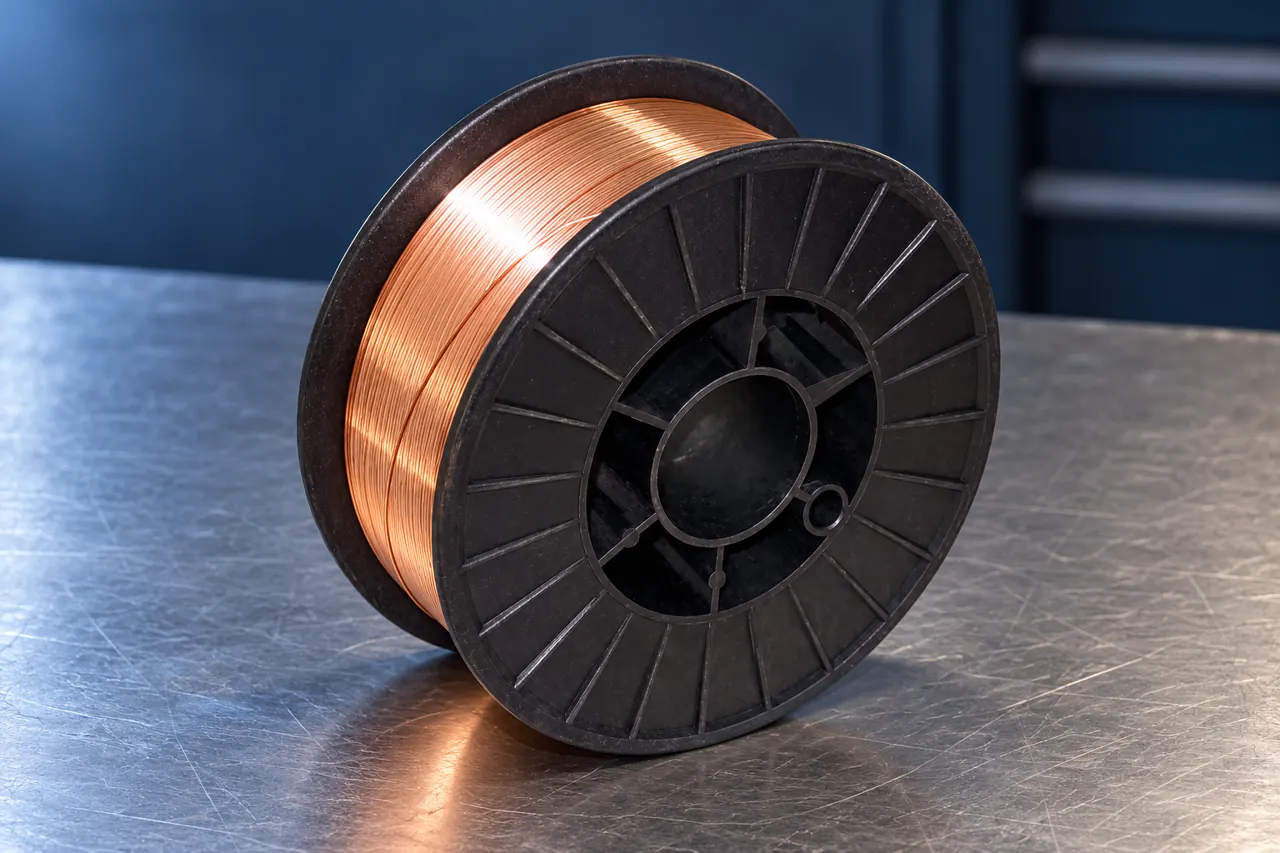
Use the approved procedure as the buying baseline
Provide the applicable welding procedure and identify its required consumable classification, base material and shielding-gas conditions. The fabricator remains responsible for procedure qualification and use. A supplier enquiry should preserve those requirements, so a lower-priced consumable is not compared on a different or incomplete technical basis.
Verify each classification on its own basis
The catalogue title includes ER70S-6 and EN ISO references. Ask the supplier to identify the exact classification attached to the offered wire and the document that supports it. Multiple names on a listing do not establish automatic equivalence, approval under your procedure or a measured weld result.
Match the spool to the feed equipment
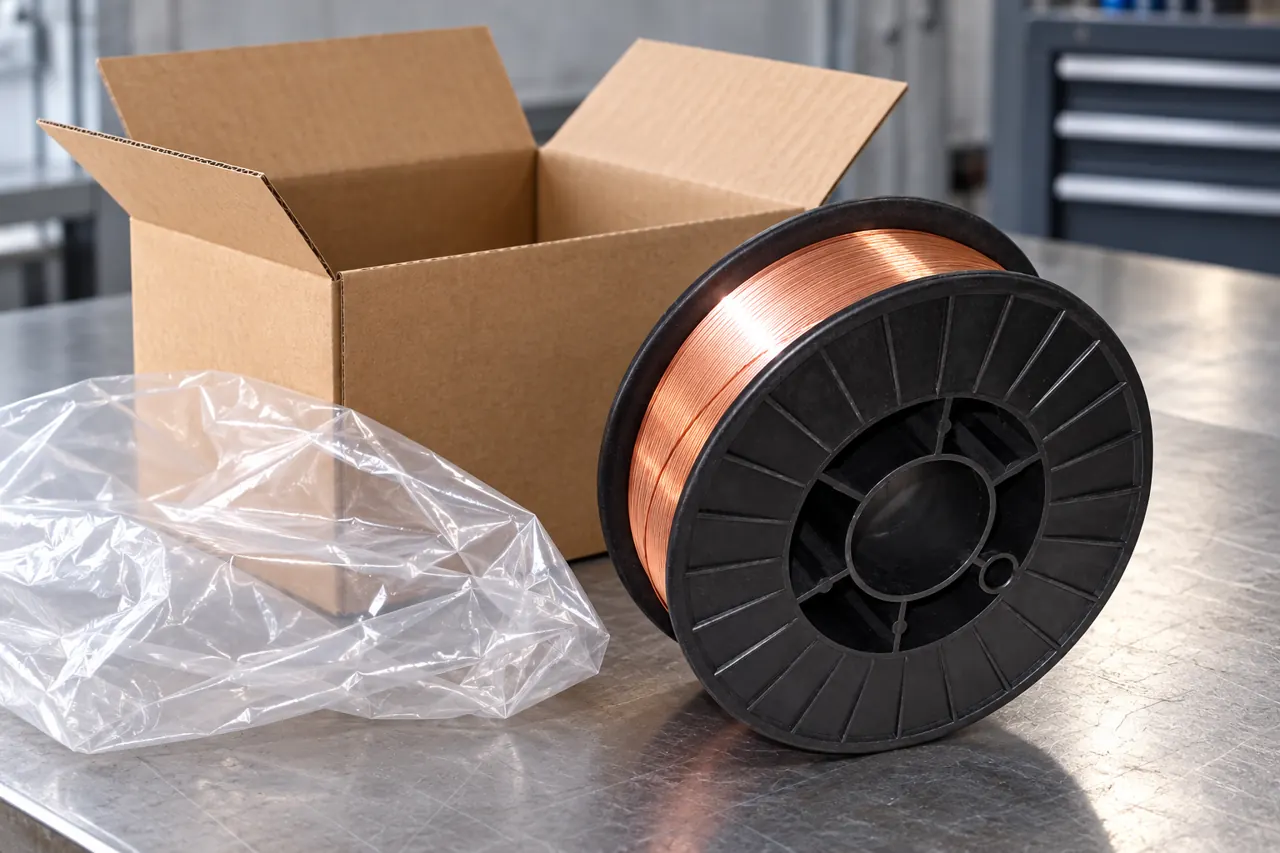
Specify spool construction, dimensions, net wire weight and any feed-package interface your machine needs. Check that the proposed package can be loaded and paid off normally. A correct wire diameter is not enough when a different spool or bulk format changes handling or feeding on the shop floor.
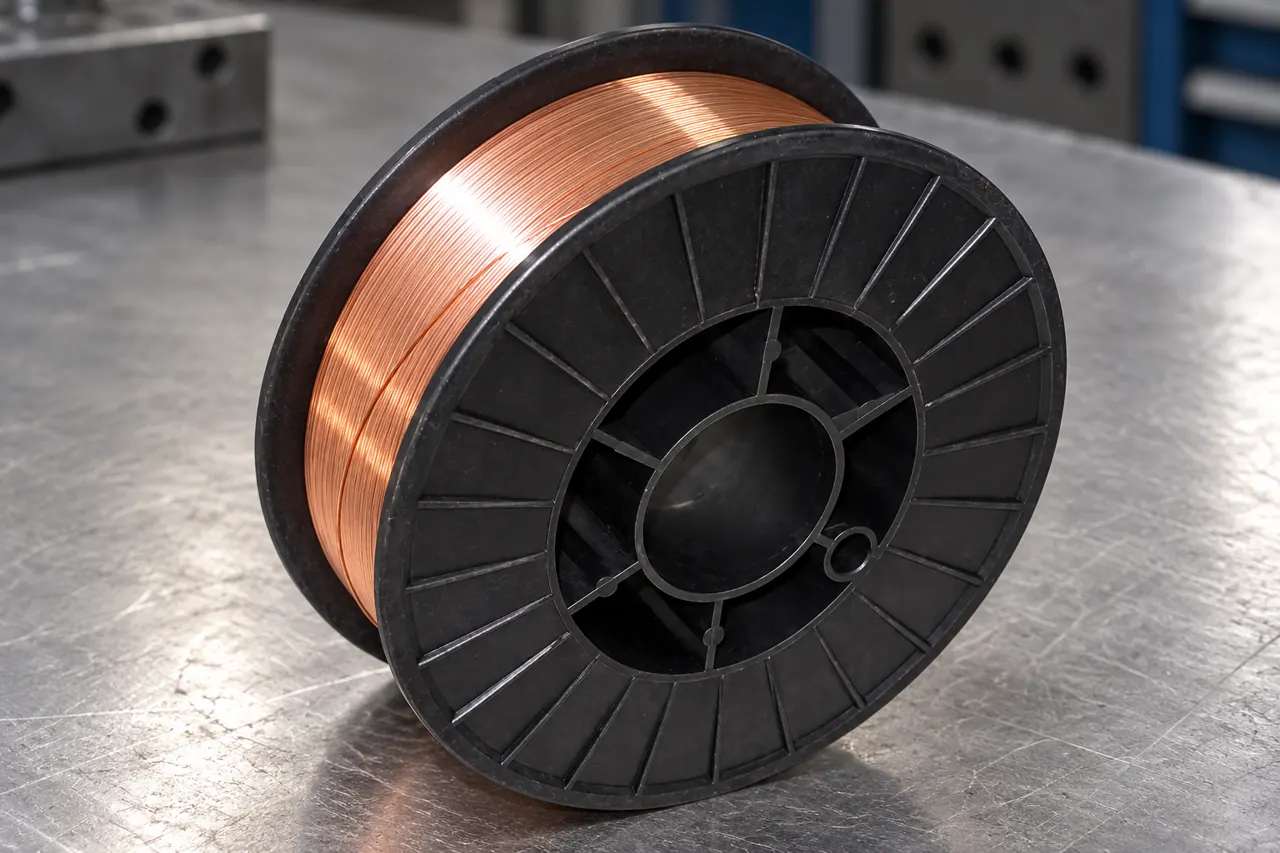
Review surface and winding before the weld trial
Agree the relevant receipt checks for rust, contamination, damage and winding condition. Keep the sample in its intended packaging until the trial so storage does not distort the result. Copper-coloured appearance alone cannot demonstrate chemistry, classification or consistent feeding throughout the supplied package.
Make the weld trial representative
Use the intended equipment and the conditions allowed by your procedure. Record the sample batch and any adjustment required during feeding or welding. Assess the weld using the fabricator’s specified inspection and qualification requirements; an attractive bead photograph is only one observation and cannot replace the required acceptance evidence.
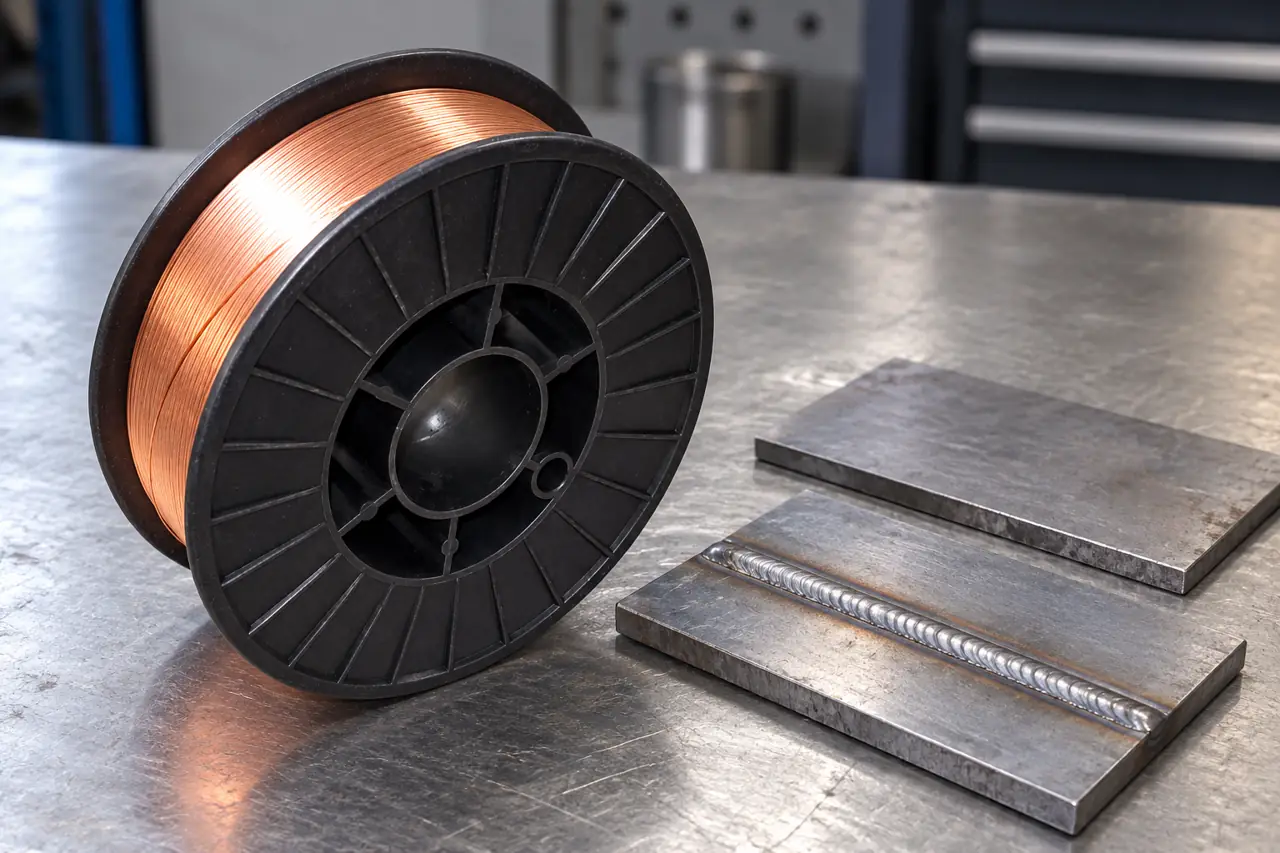
Link consumable records to trial results
Keep the wire lot, classification documents, trial settings and weld-inspection results in one approval package. Separate supplier material evidence from the fabricator’s procedure and component acceptance. If a later production package carries a different identity or material scope, resolve that difference before releasing it to the approved work.
Protect wire identification through receiving
State the package protection and identification your stores need, including the link between individual packages and outer cartons. Keep damaged or unidentified packages separate for review. Any private label, mixed-diameter packing or special warehouse code should be agreed explicitly, with its artwork and acceptance responsibility recorded.
Compare offers with the same supplied scope
Quote quantities by diameter and package format, then compare classification evidence, packaging, sample terms and delivery responsibility together. Confirm availability and scheduling for the actual order. A generic catalogue minimum or lead-time entry is not a commitment for every wire diameter and destination.
Send a procedure-based welding-wire enquiry
Share the consumable requirements from your procedure, wire diameter, feed format and expected order volume. Add the trial quantity and required document list. We can discuss the catalogue candidate and confirm what is offered; your fabrication team then determines whether that identified wire is acceptable for the intended work.