Aluminium Coil for Roofing and Cladding Forming Lines
Specify aluminium coil by alloy, temper, dimensions, surface system and the forming line’s coil limits. Our catalogue includes aluminium coil candidates with several alloy references. Confirm the actual selected material and coating before treating an offer as suitable for roofing or cladding; a broad alloy list does not define one approved coil.
Define the formed product and line requirement
Provide the finished profile and the forming equipment’s material input requirements. Identify the intended surface and appearance acceptance for the roofing or cladding project. Keep coil supply separate from panel design approval so the material quotation responds to a defined manufacturing route rather than an approximate end-use description.
Keep alloy and temper paired in the schedule
State one selected alloy and temper for each coil line. Ask the supplier to identify any different proposal explicitly. The catalogue mentions several aluminium families, but they are not one shared forming condition, and a familiar alloy name does not establish the supplied temper or project suitability.
Set thickness and width on the required basis
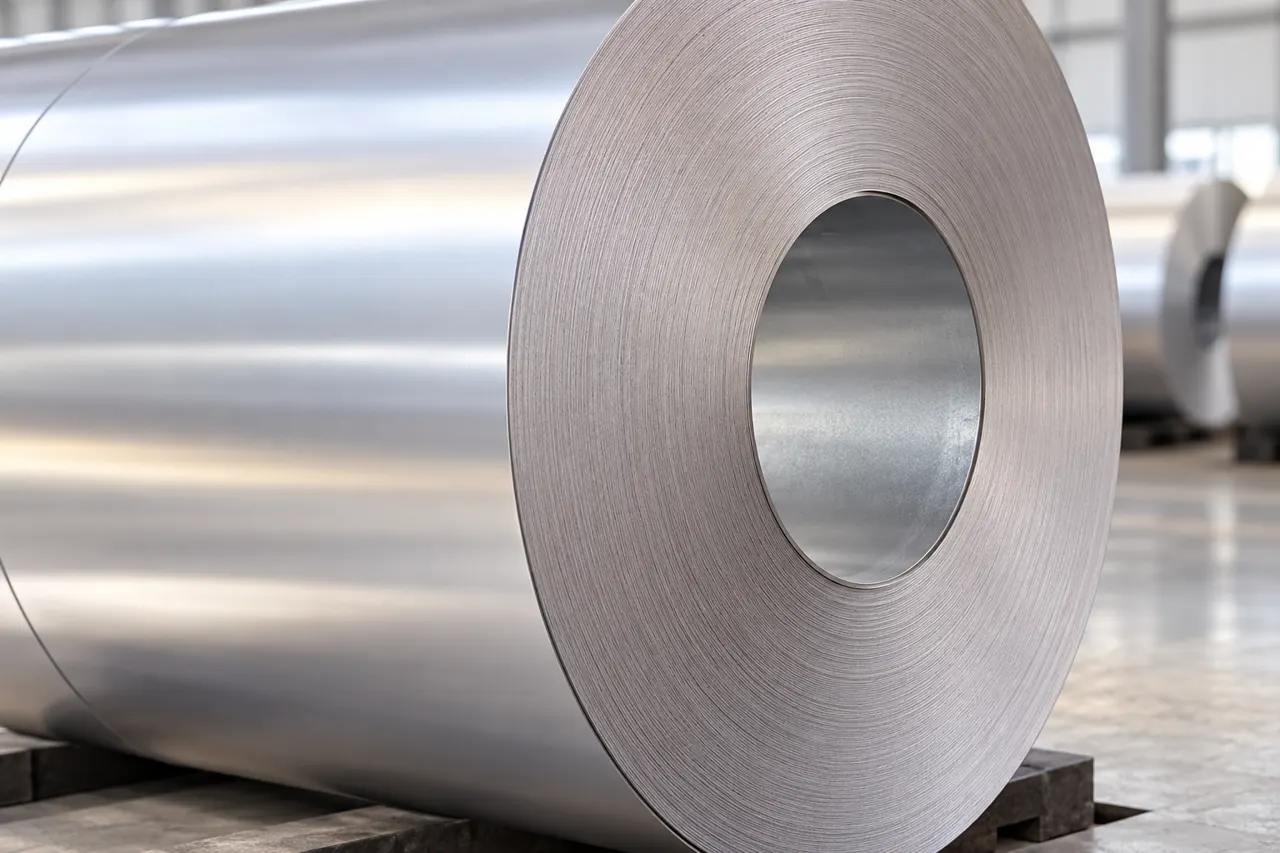
Provide the thickness and width requirements with tolerances and the measurement basis used by the line. Include any edge condition that affects feeding or the finished profile. Do not let a nominal size entry replace the actual dimensional acceptance needed for your equipment and product.
Define the coating and colour separately
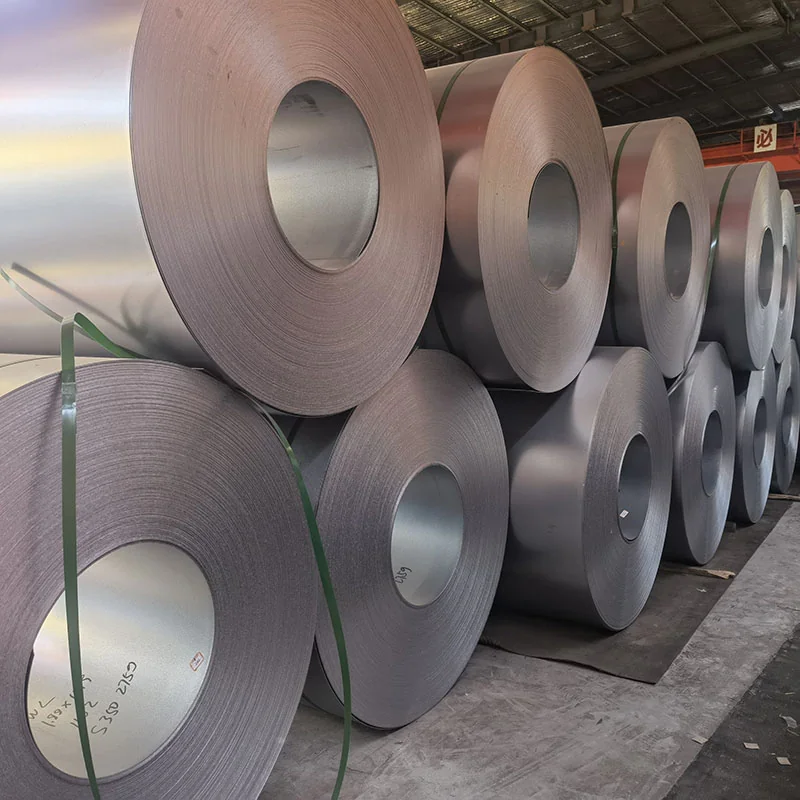
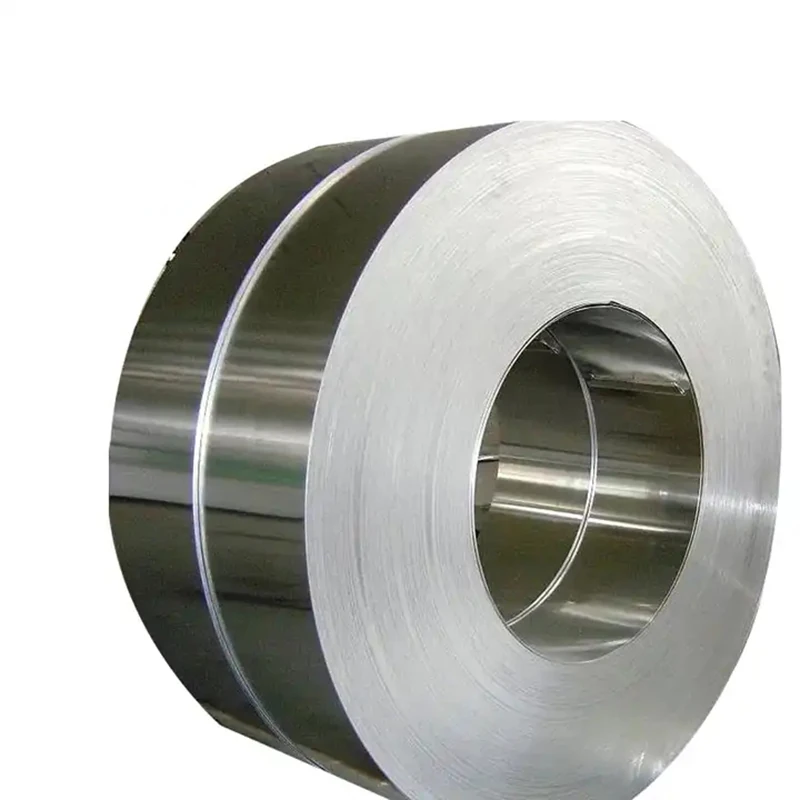
If coated material is required, state the selected coating system and relevant inspection requirements. Agree colour and appearance through the project’s reference process. A silver coil photograph cannot establish a coating system, and a colour match alone cannot demonstrate the coating specification or service performance.
Match coil geometry to the handling equipment
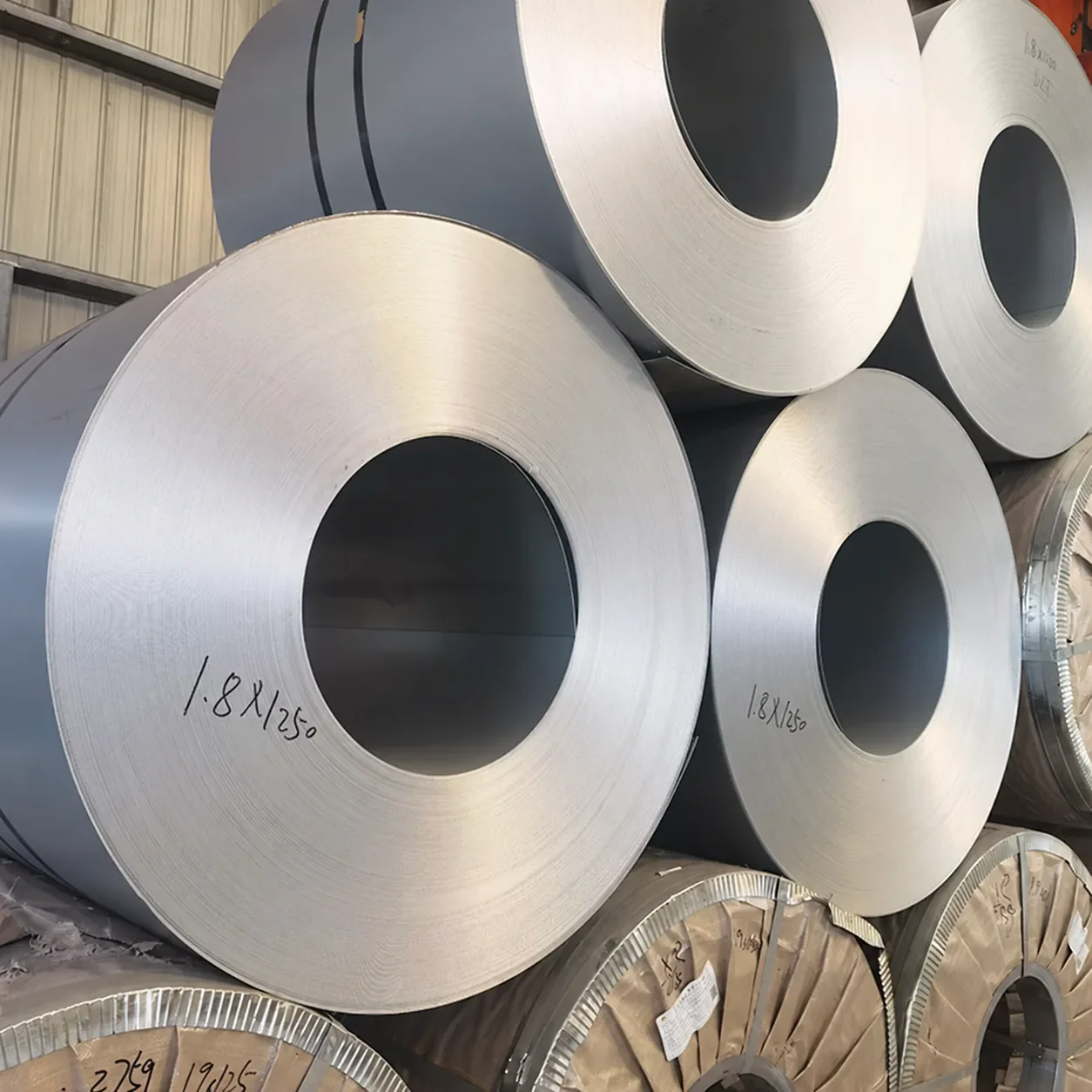
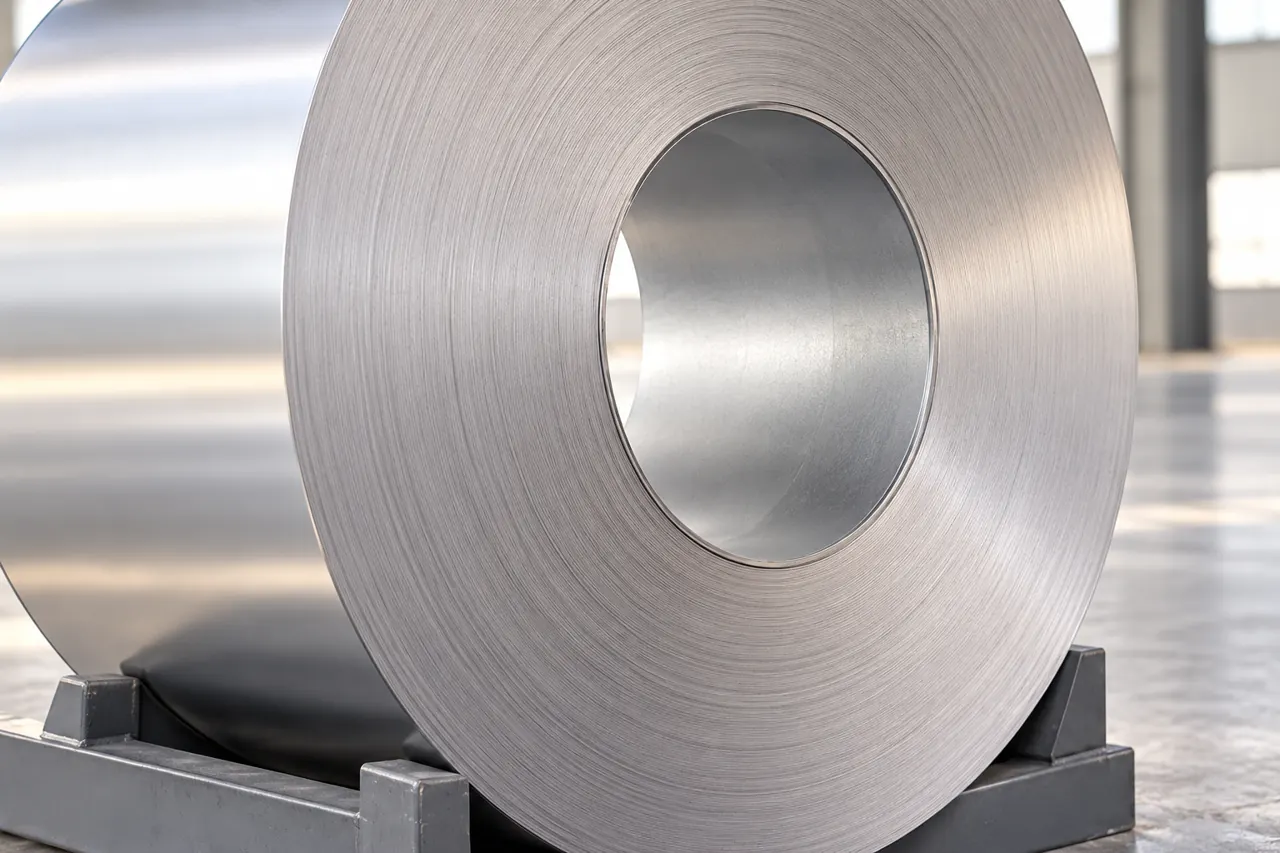
Specify coil inside diameter, outside envelope, weight limits, winding direction and any film requirement. Confirm the actual offered package. Material that meets alloy and strip dimensions can still create a handling problem if the coil format does not fit the payoff or storage arrangements.
Trial the material through the actual profile
Where qualification is needed, run representative material through the intended line and record the sample identity and conditions. Inspect the formed profile, bends, coating and appearance against the agreed criteria. A flat sample supports some material checks but cannot demonstrate all effects of the forming operation.
Protect surface and edge condition during delivery
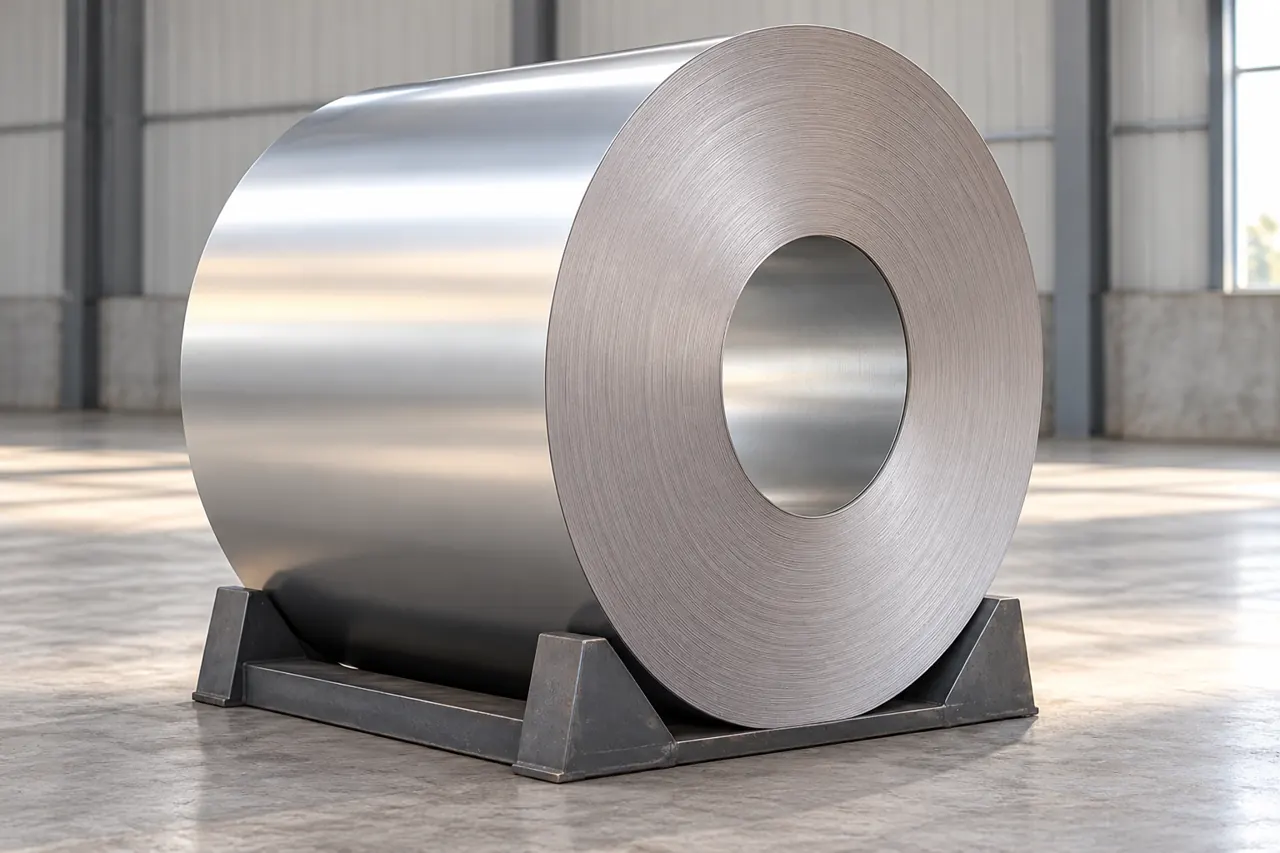
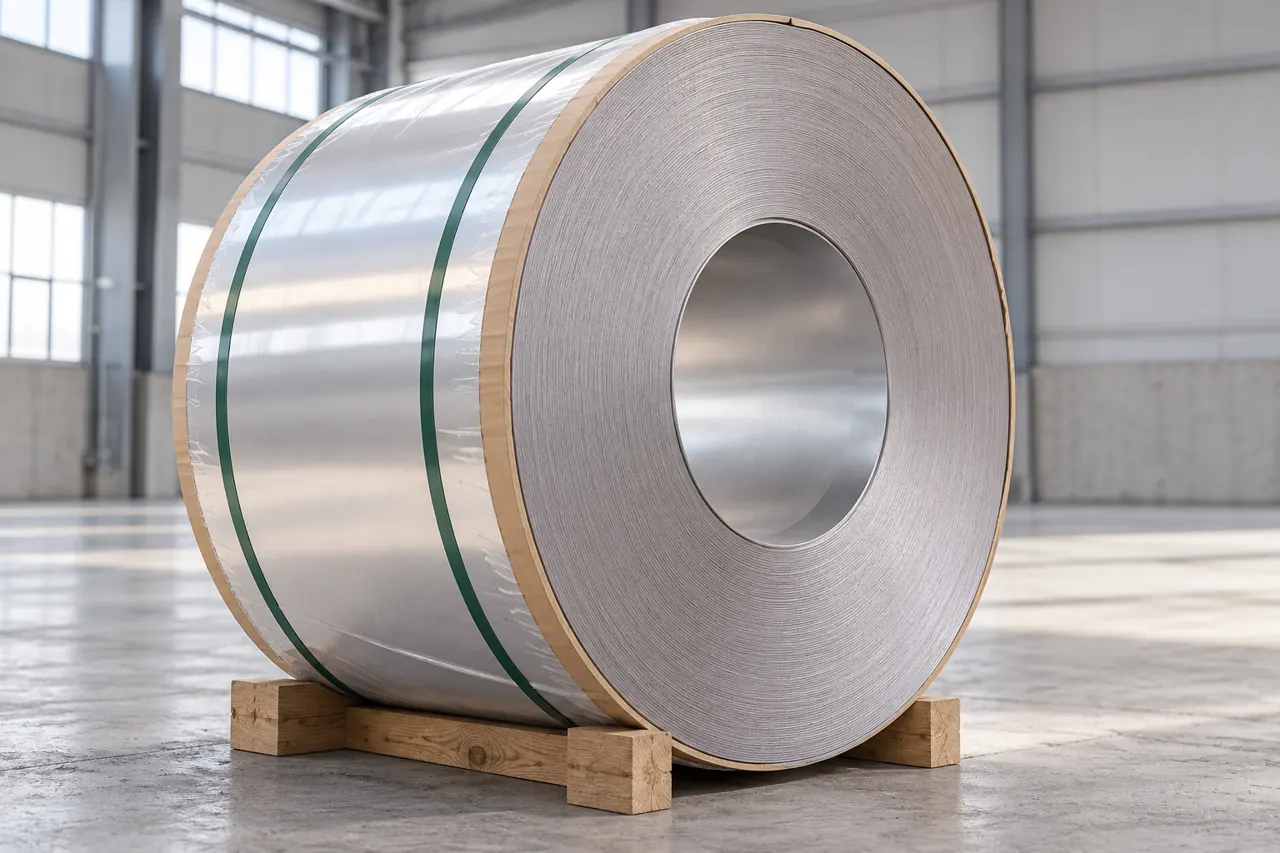
Agree wrapping, support, edge protection and moisture handling appropriate to the route and material. Keep different alloys, tempers or colours clearly identified in the packing list. Confirm the actual arrangement in the offer; illustrative protected coils do not establish a complete packing specification for your destination.
Control changes in repeat forming supply
Retain the alloy, temper, dimensions, surface system, coil format and trial record together. Review any proposed change before release to the line. Minimum quantities, sample terms and scheduling remain order-specific conditions to confirm, even when a previous coil was successfully formed into an acceptable panel.
Send a forming-line aluminium RFQ
Share the alloy and temper, thickness and width, coating or appearance requirements and finished profile. Add coil limits, trial needs, document scope and destination. We can discuss the catalogue candidate and confirm the actual material offer for your forming and project teams to assess before approving supply.