-
typeOthercustomized supportOEM, ODM
-
model number410usagecleaning, rust removal, strengthening, peening
-
abrasive grain sizesP40-P320Hardness42-53hrc
-
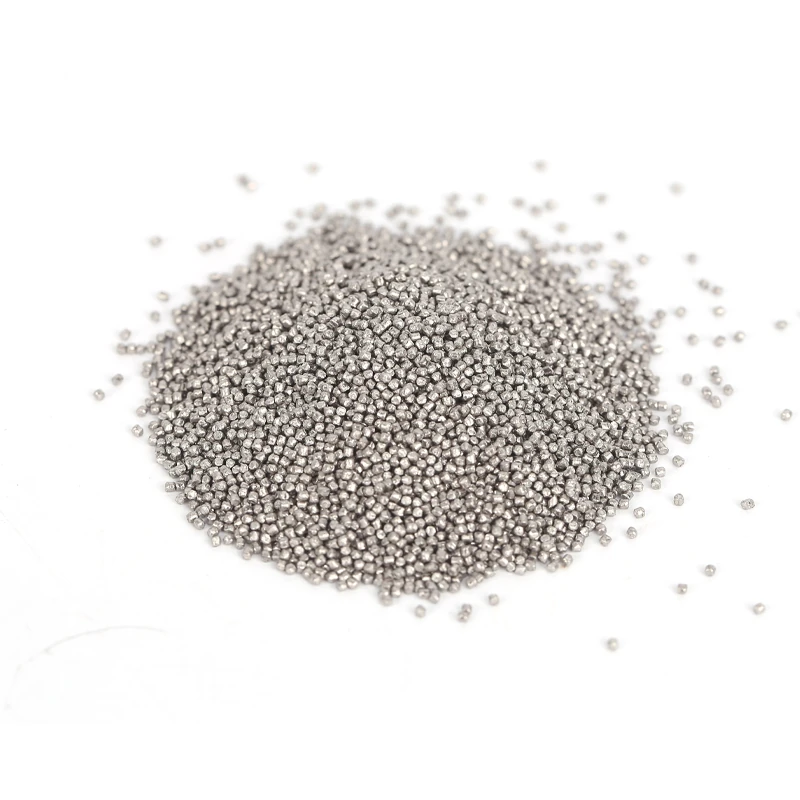
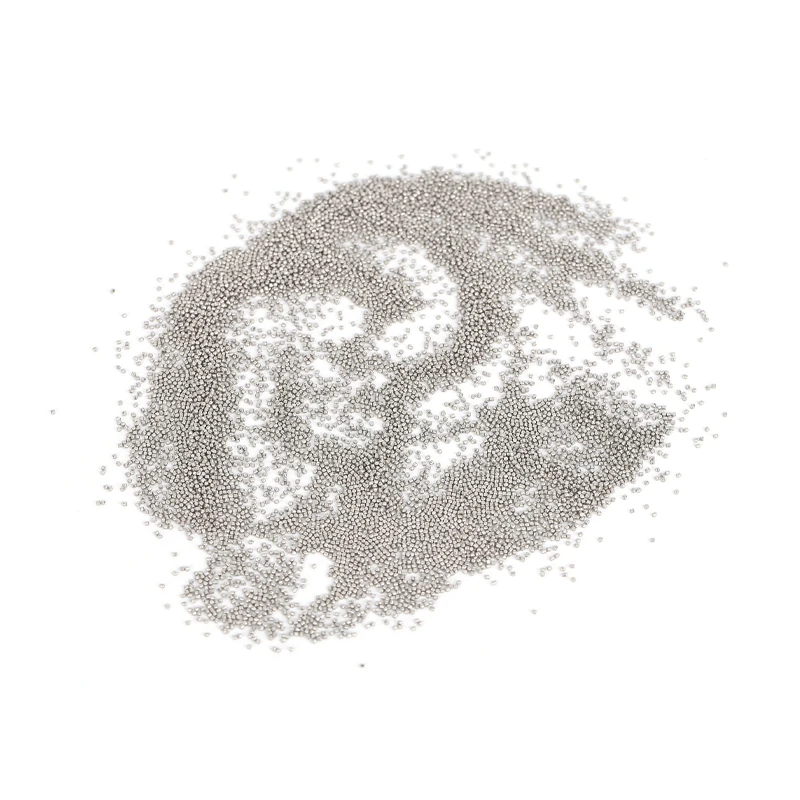
ShapeIrregularProduct nameSteel Shot
-
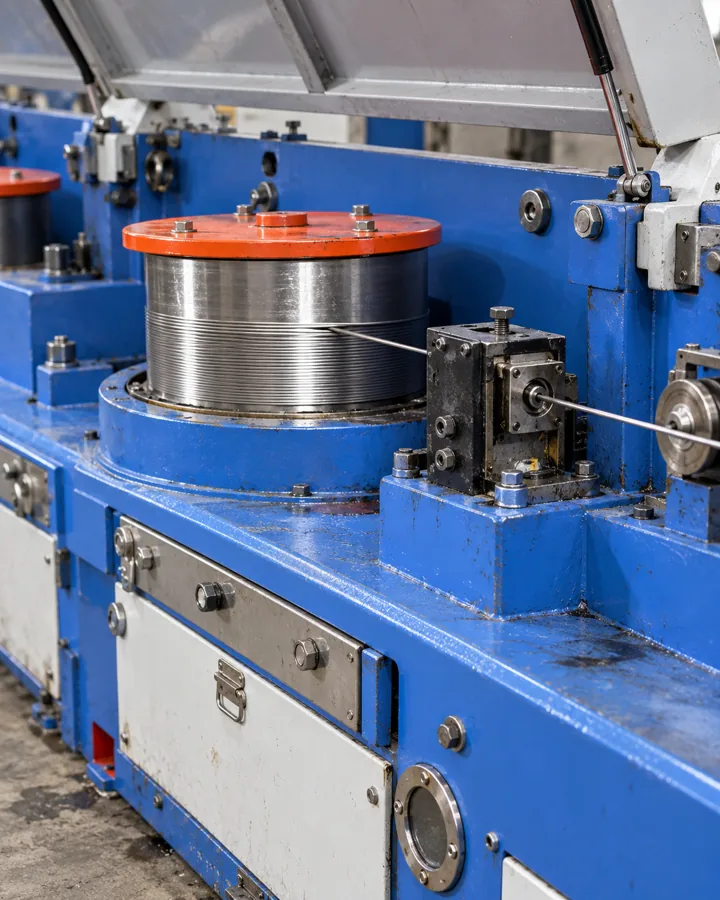
KeywordSteel shot,Stainless steel shot, steel wire cut shotSizeCustomizable Size
-
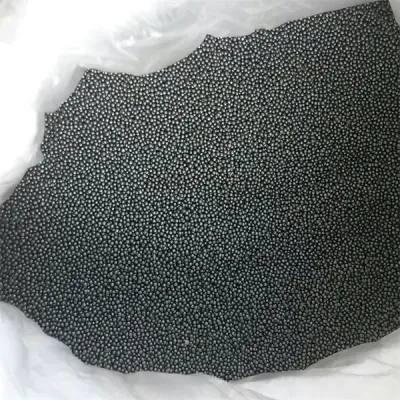
Materialstainless steelAppearanceIrregular circle
-
SamplesupportUsageClean rust, sand blast, grind, clean oxide
-
QualityHigh qualityPackageCarton Box
410 steel shot blasting abrasive is a candidate for a rust-removal or oxide-cleaning enquiry. Requests for 0.2mm, 0.6mm and 1.0mm shot should be confirmed against an actual supplied particle specification, rather than inferred from a grit menu.
- The 410 designation should be accompanied by the required alloy composition.
- 0.2mm, 0.6mm and 1.0mm shot requests need diameter confirmation outside the grit menu.
- Irregular 410 shot form should be checked before substituting it for spherical blasting media.
- Provide the workpiece material for a 410 rust-cleaning media assessment.
- Ask which hardness specification applies to the proposed 410 shot configuration.
Specify the 410 material requirement
The 410 model is associated with stainless steel shot and steel wire cut shot terminology, while the material option reads stainless iron. Ask for the applicable alloy composition for your 410 requirement before deciding whether the proposed abrasive fits the workpiece and process.
Translate a size request into an agreed grading
Grit selections include 20, 30, 36, 40, 46, 54, 60, 80, 100, 120, 150, 170 and Other. These labels are not a confirmed millimetre conversion table; send the required diameter and distribution separately for a 0.2mm, 0.6mm or 1.0mm enquiry.
Evaluate the delivered particle form
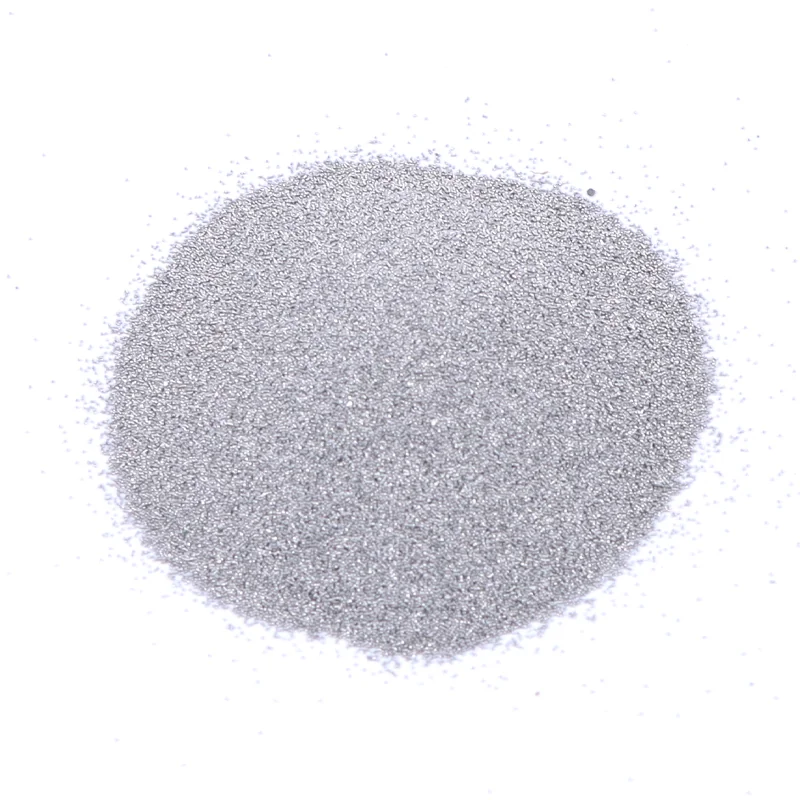
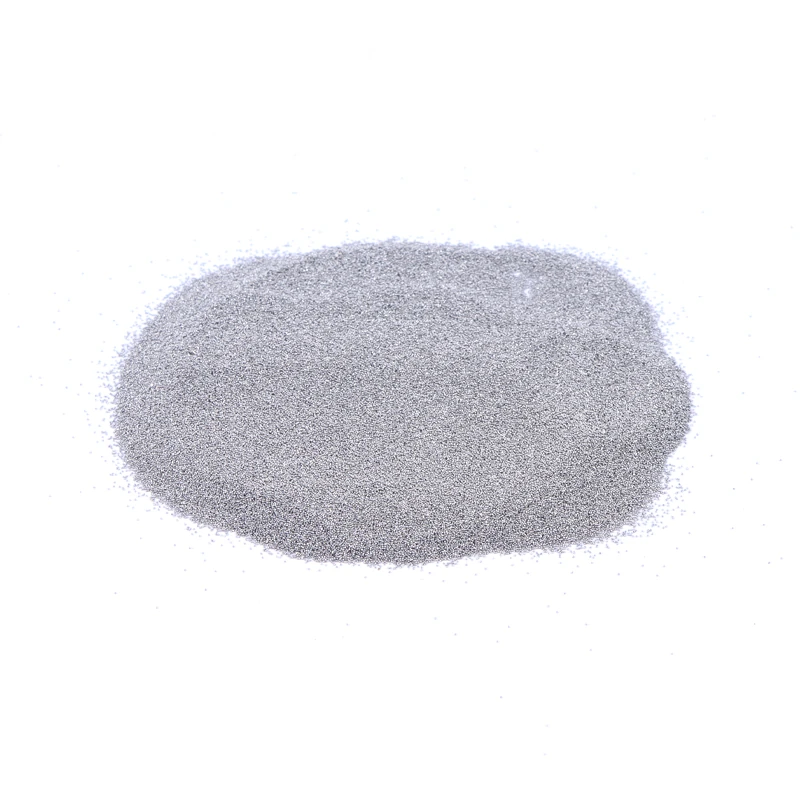
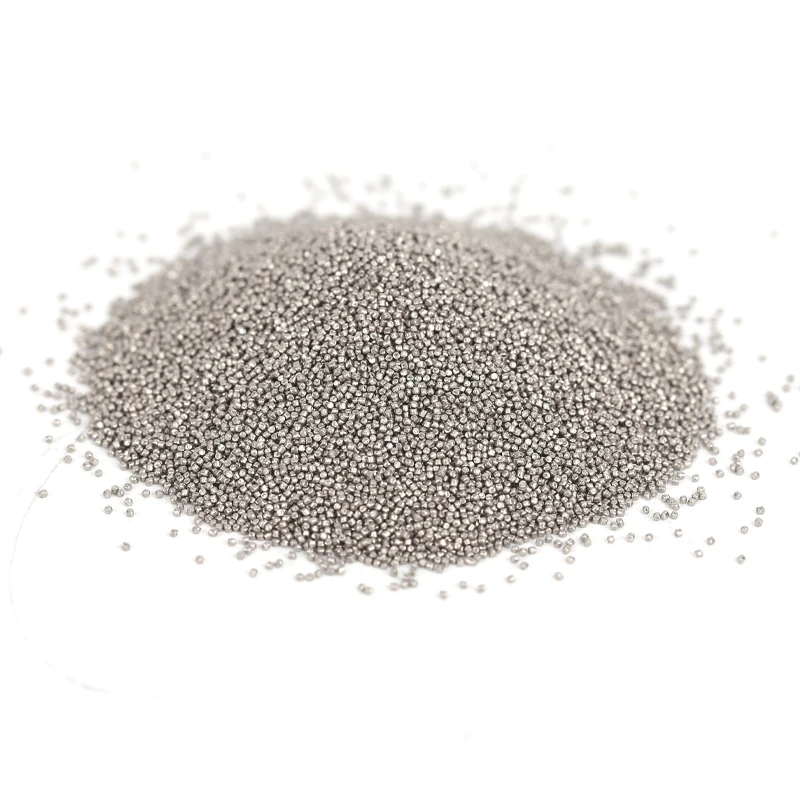
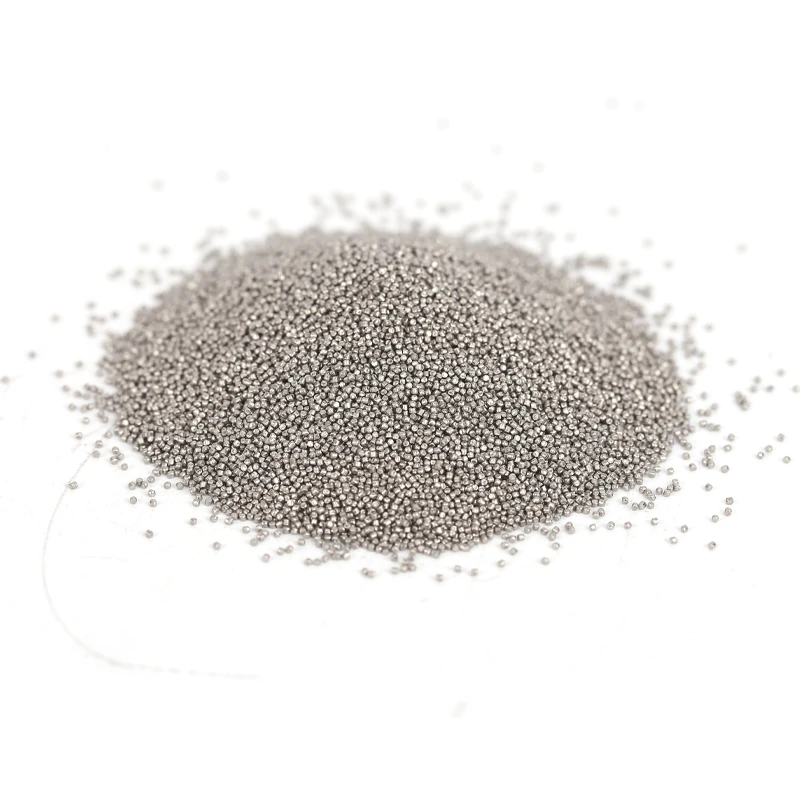
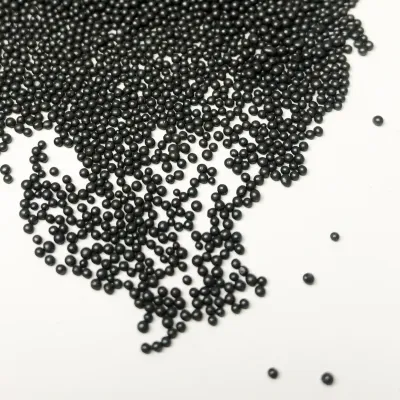
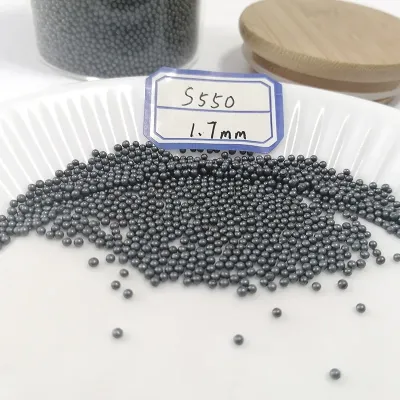
Cleaning, rust removal and oxide removal are identified uses, while irregular and irregular-circle descriptions qualify the particle shape. If the application requires a spherical steel ball or a controlled peening medium, confirm the actual form and acceptance criteria before approving 410 shot.
A 410 abrasive trial should use the agreed composition, grading and hardness requirement on representative parts. Sample support is indicated, making a precise specification and a practical finish check useful next steps before committing to a production supply.