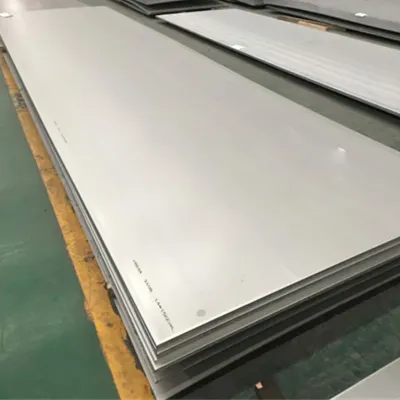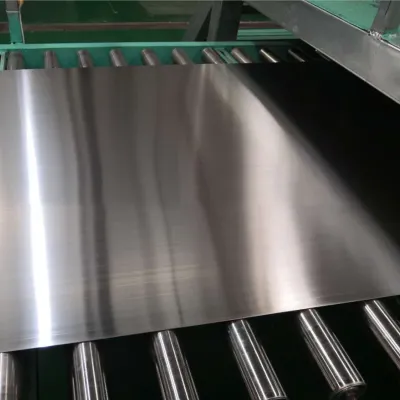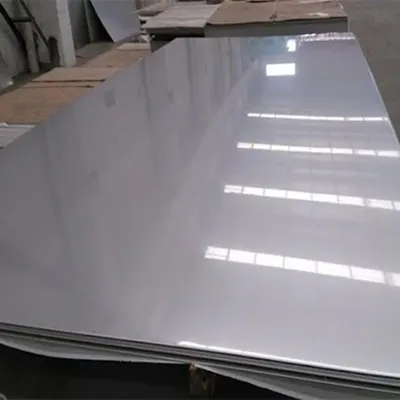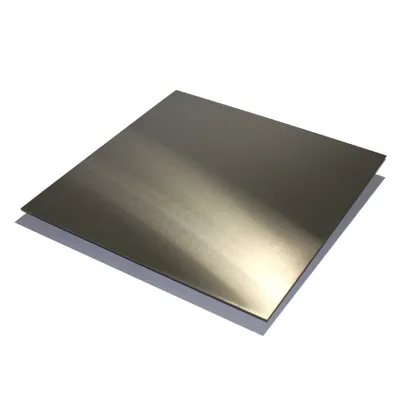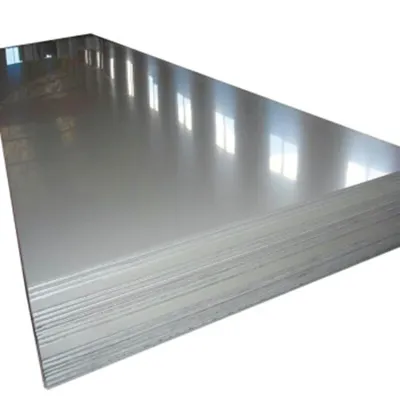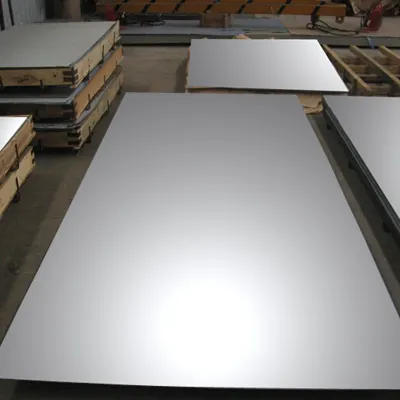
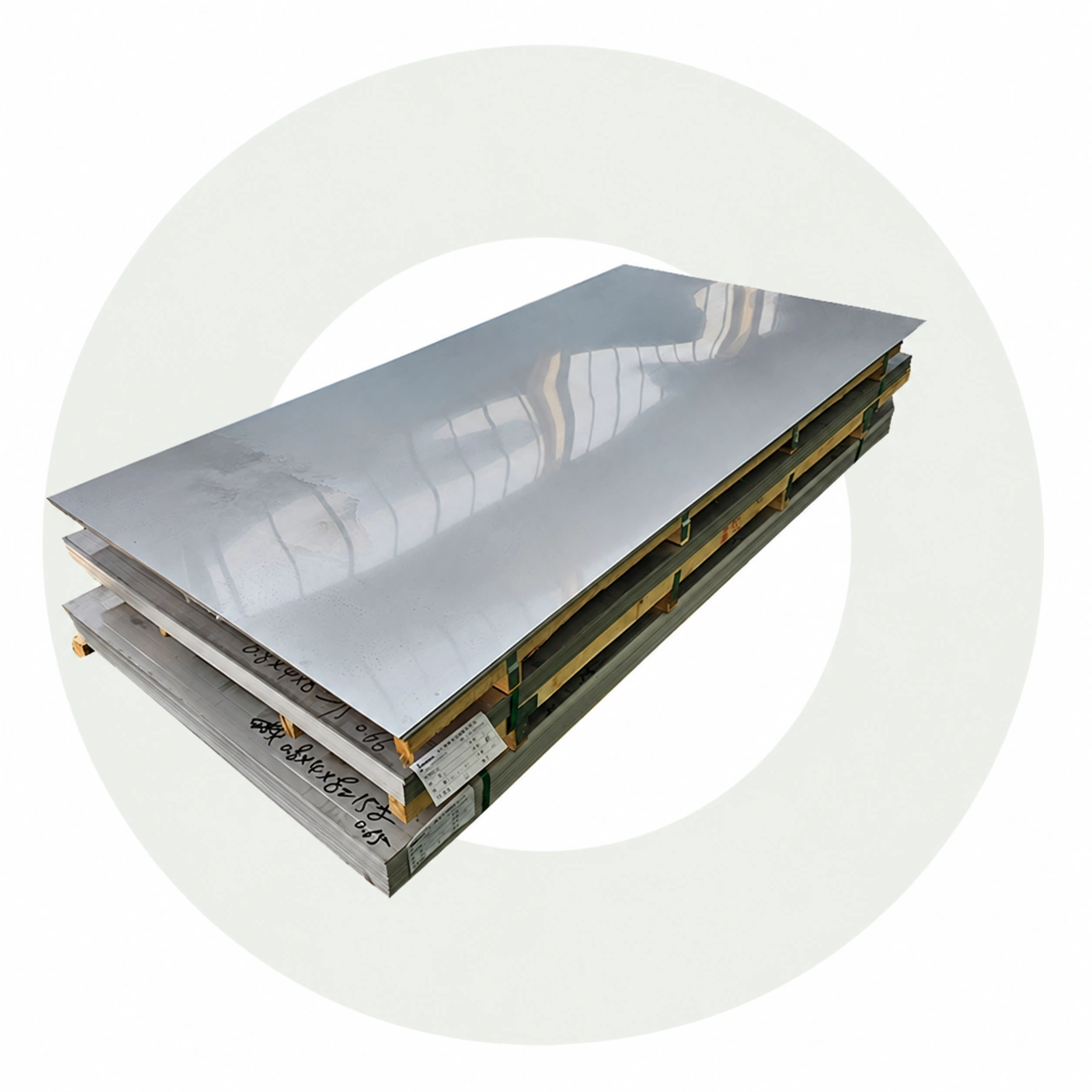
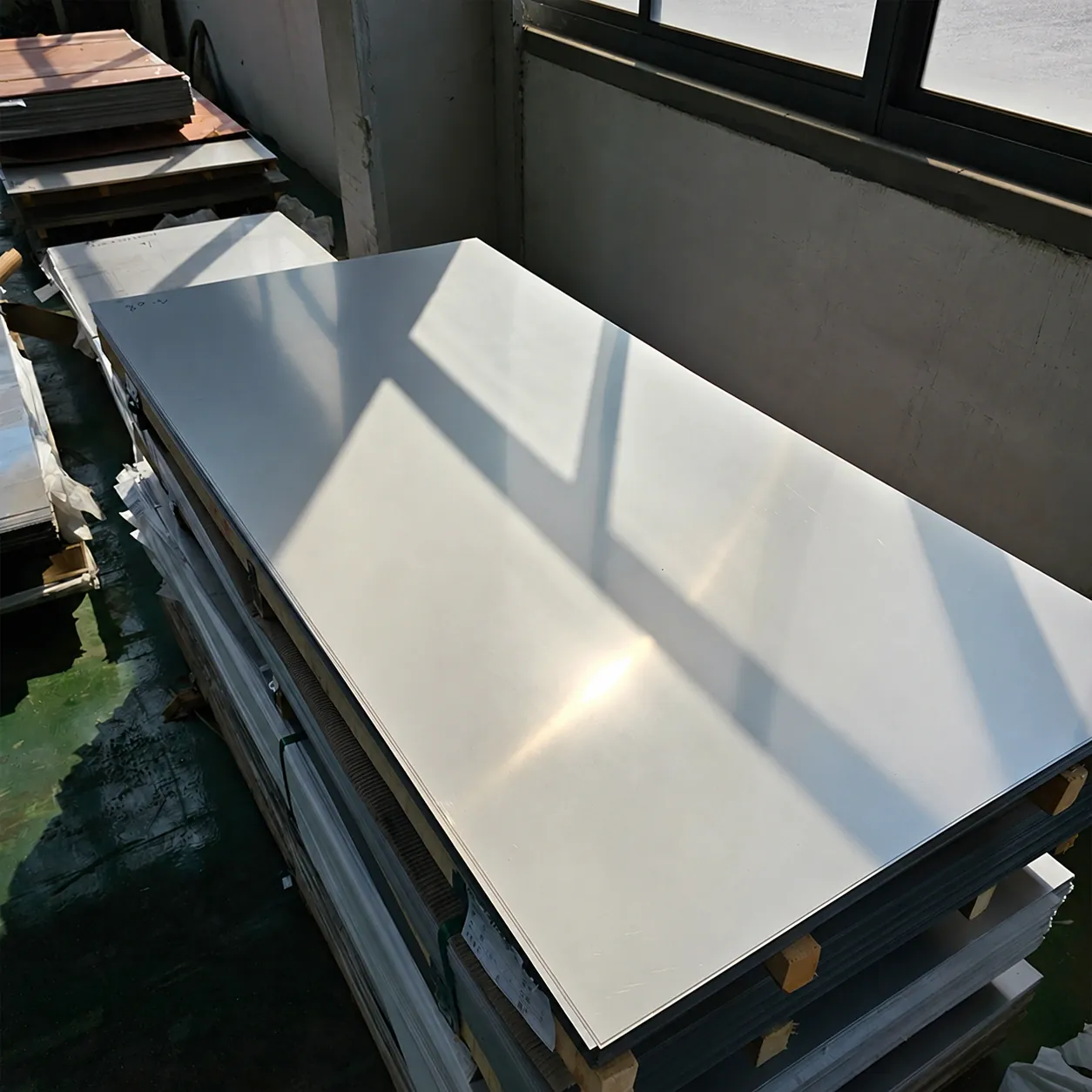
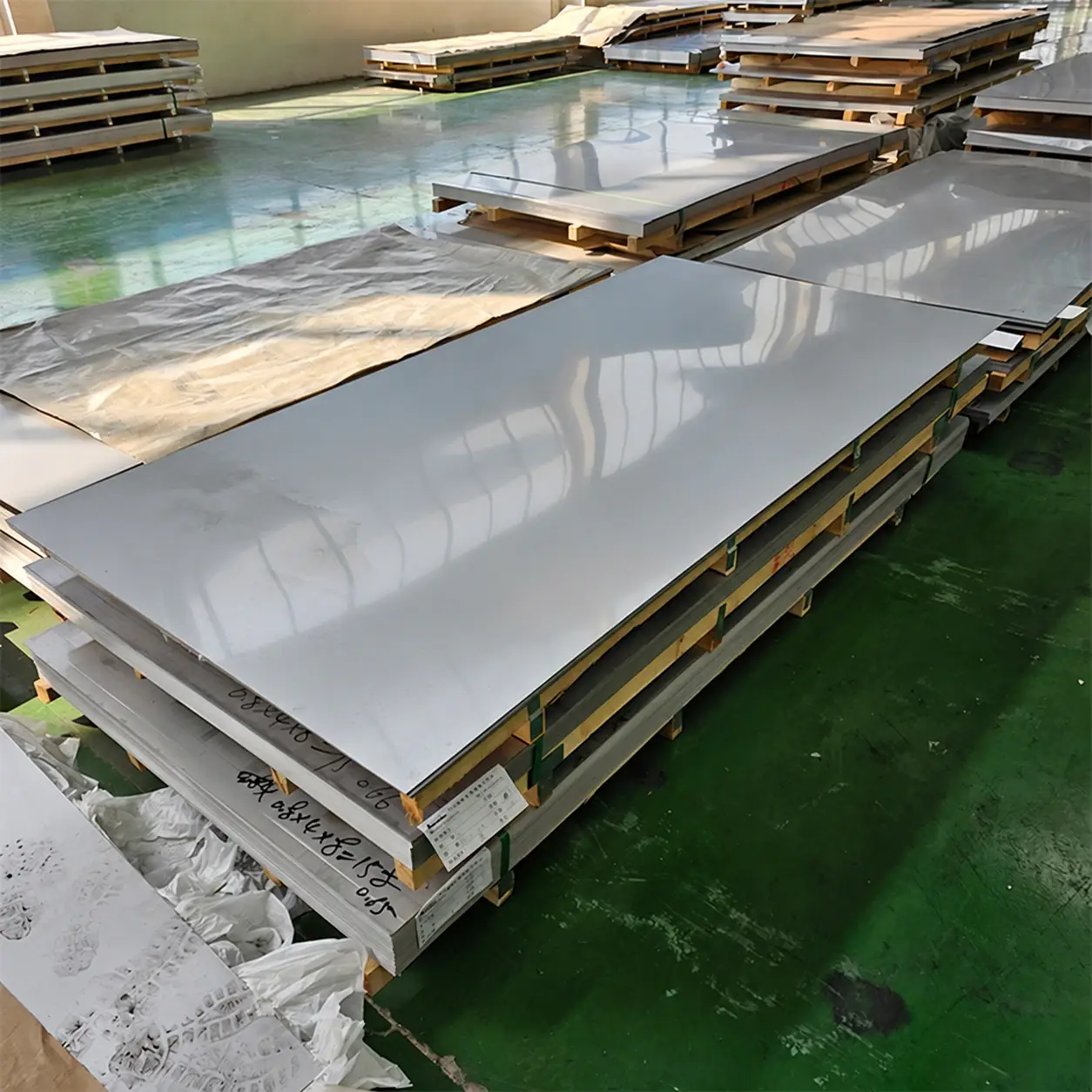
301 304 316 Stainless Steel Thick Plate Enquiries, 16–20 mm and No.1 Surface Requirements
-
Grade300 SeriesStandardAISI
-
Steel Grade301, 410, 316L, 316, 321, 314, 347, 430, 304, 439, 436, 304L, 405, 429Surface Finish2B
-
Thickness0.5-3mmTolerance±1%
-
Model Numberstainless steel platesApplicationIndustry, architecture, decoration
-
Delivery Time8 ~ 14 daysProcessing ServiceBending, Welding, Decoiling, Punching, Cutting
-
TypePlateLengthcustomized
-
Widthas requestProduct namestainless steel sheet
-
TechniqueCold Rolled Hot RolledKeywordNo.1 Surface
-
ColorSilverShapeFlat.sheet.plate
-
MOQ1 TonsMaterialStainless Steel Seires
-
Payment Term30%T/T Advance + 70% BalancePrice TermFOB CIF CFR EX-WORK
-
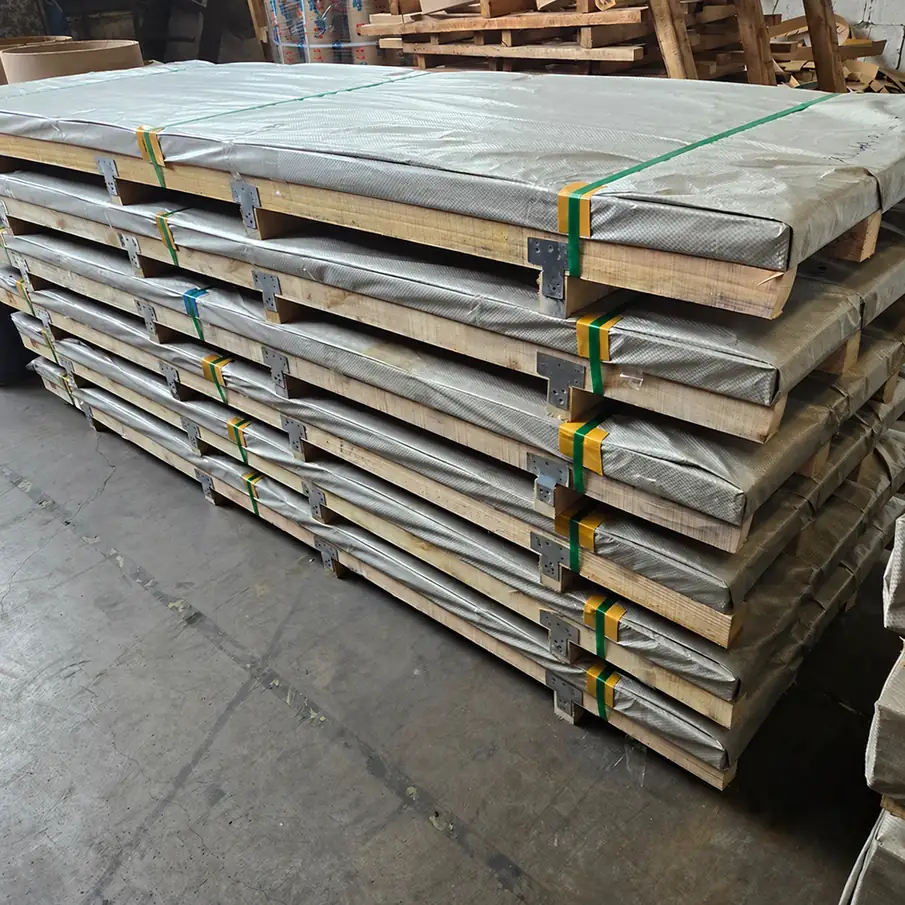
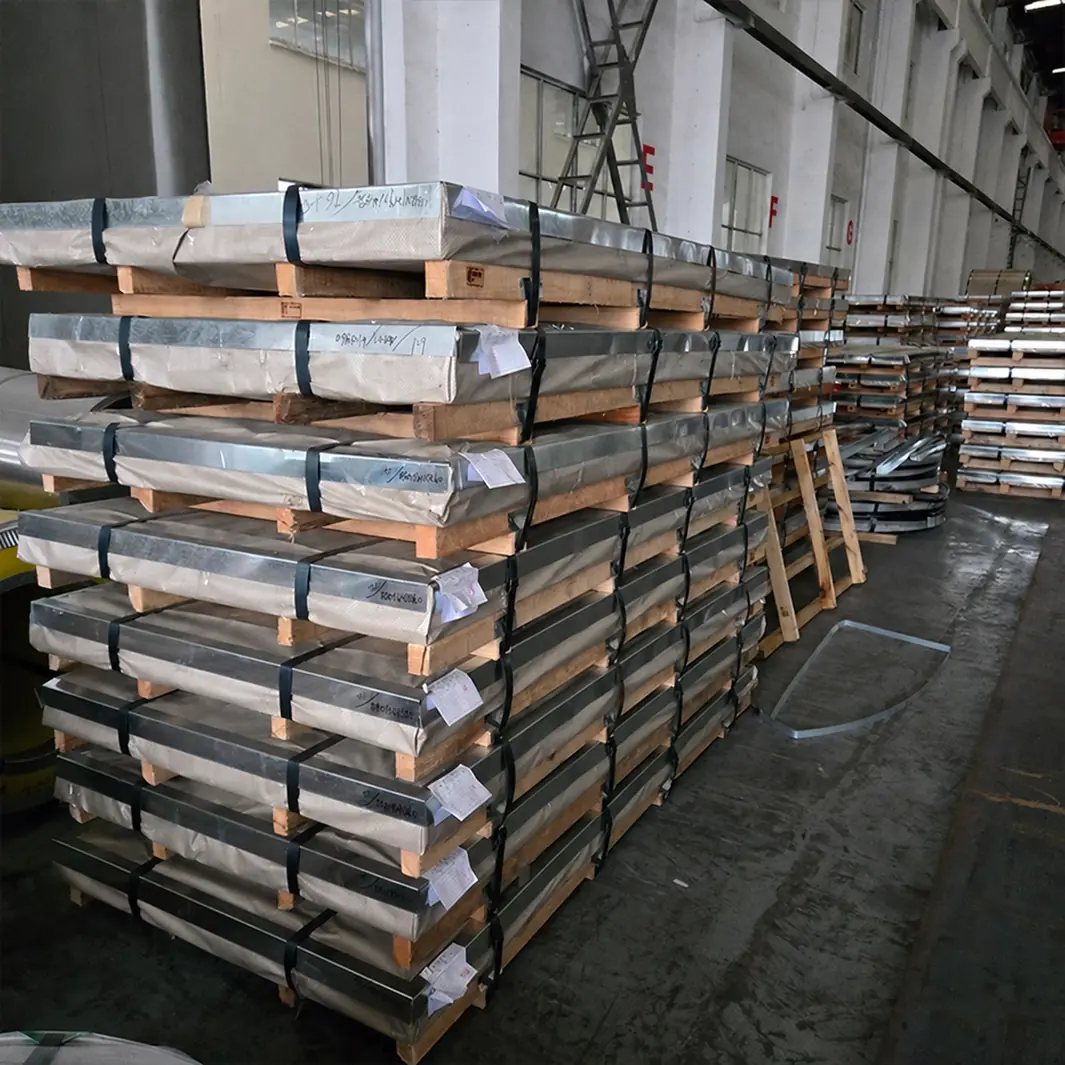
PackingStandard Sea-worthy Packing
A thick stainless steel plate enquiry should define the alloy, section and surface as one requirement. For a 16, 18 or 20 mm project, send the required dimensions and obtain confirmation of the actual plate offered before planning fabrication.
Make the plate thickness explicit
State 16, 18 or 20 mm on the plate drawing rather than relying on a general thick-plate description. Ask for the proposed supplied thickness and dimensions to be confirmed against that drawing.
- Identify the required 301, 304, 316 or other specified alloy.
- Give the finished plate length and width.
- State the exact thickness needed for each piece.
- Describe the required No.1 surface condition.
- Include cutting, punching or bending requirements where relevant.
Agree the visible surface and material
For a stainless plate requiring a No.1 surface, name the finish explicitly in the enquiry. Confirm the grade and surface of the proposed supply together; alternative stainless designations should not be treated as interchangeable.
Send the fabrication requirement with the sizes
A custom plate drawing helps identify which processing operation is relevant. Discuss the proposed dimensions and supplied condition before using the plate for an industrial, architectural or decorative component.