Nickel Alloy Pipe for Specified Chemical-Process Projects
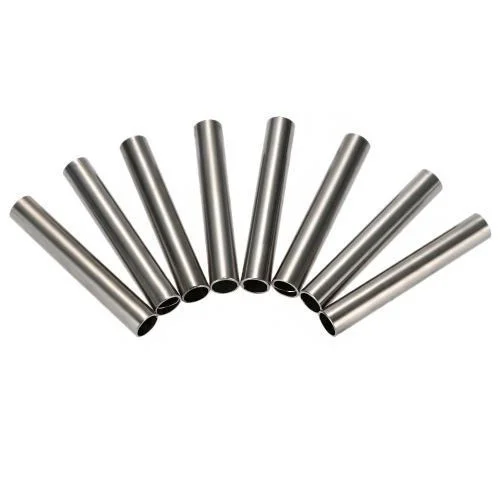
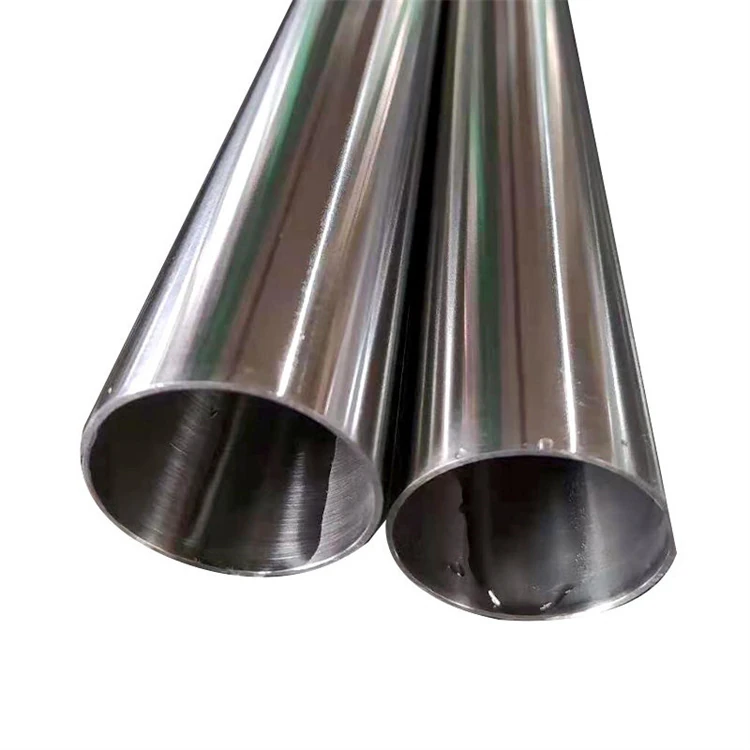
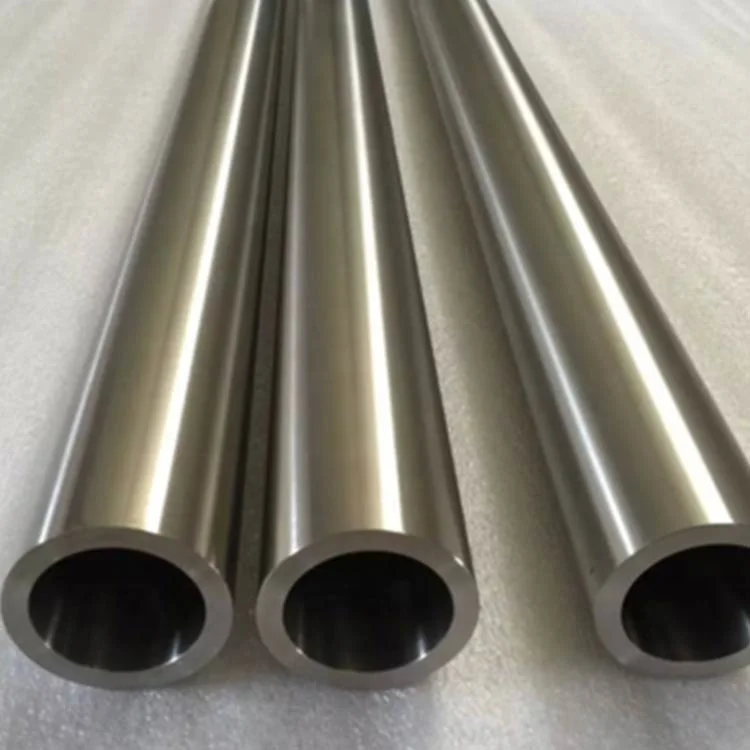
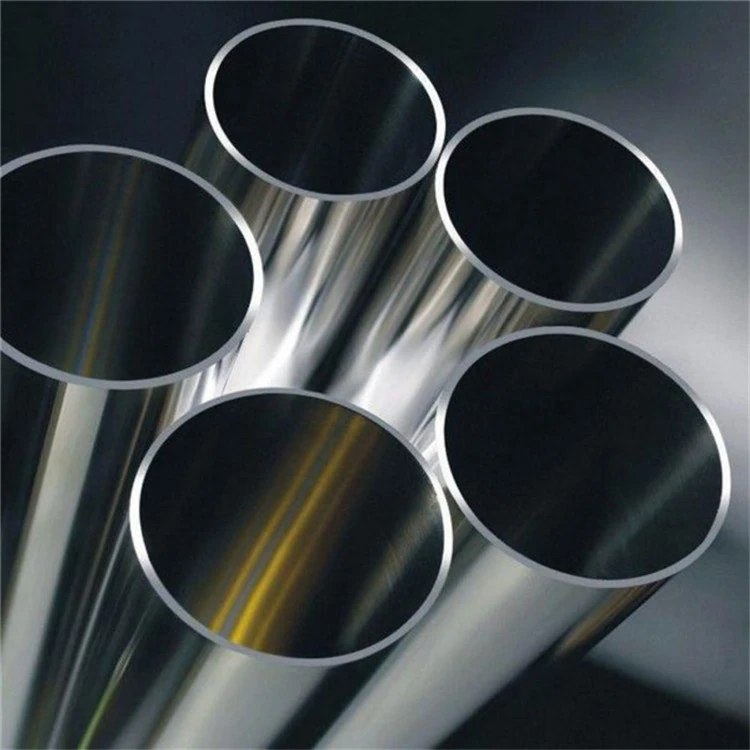
Quote nickel-alloy pipe against the project’s selected alloy, product standard, dimensions and inspection scope. Our catalogue includes a C276 tube candidate. A requirement for C276 or alloy 625 must identify one actual material per line; availability of another alloy and any proposed substitution need separate confirmation and project approval.
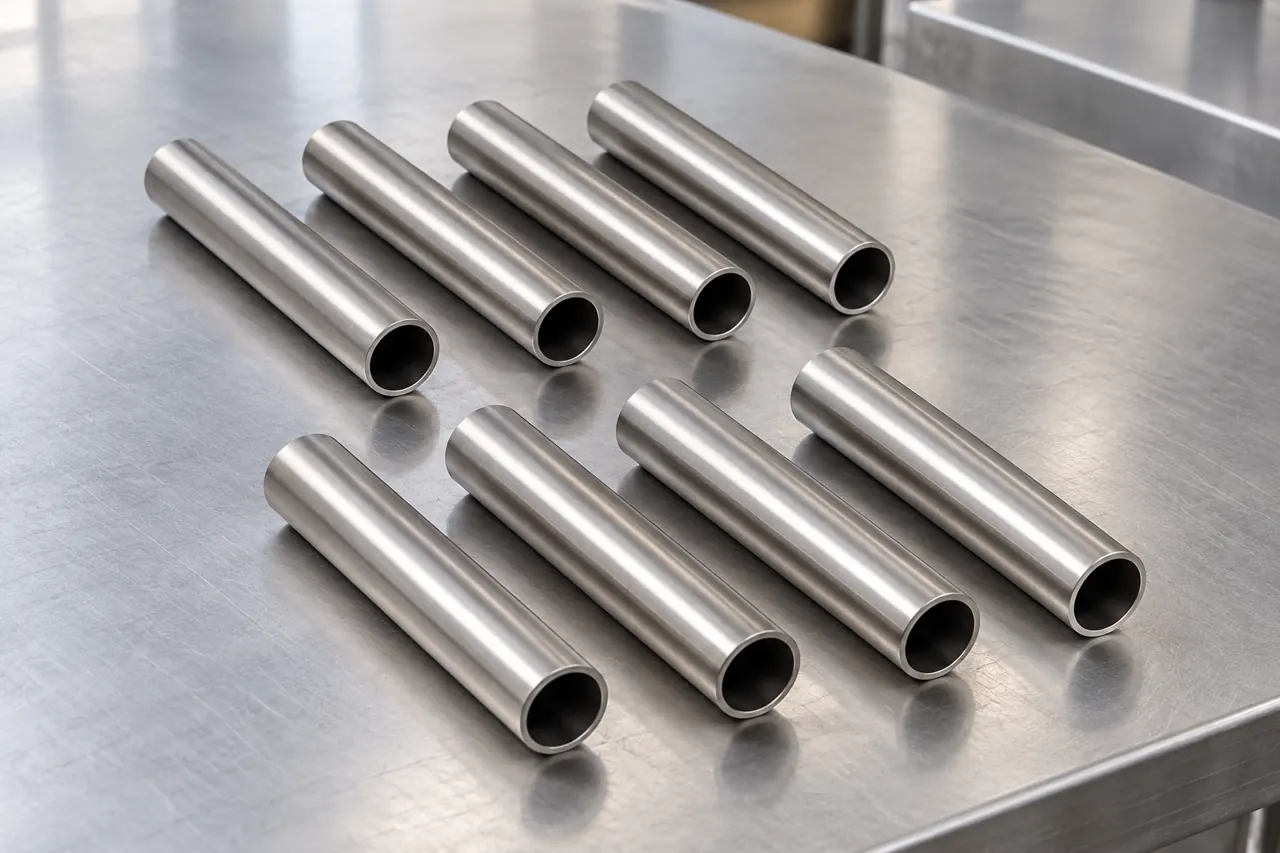
Keep the alloy and product standard precise
Carry the complete material designation, applicable product standard and delivered condition into the pipe schedule. Separate alloy 625, C276 and any other alternatives. A shared nickel-alloy family description does not establish equivalent chemistry or service suitability, and a title containing several references is not a single material specification.
Resolve pipe and tube size conventions
State the required outside diameter and wall thickness, or the project’s specified nominal-size system with its full definition. Include length and tolerance requirements. Do not compare an unexplained nominal size with a measured outside diameter as if they are automatically the same product or connection interface.
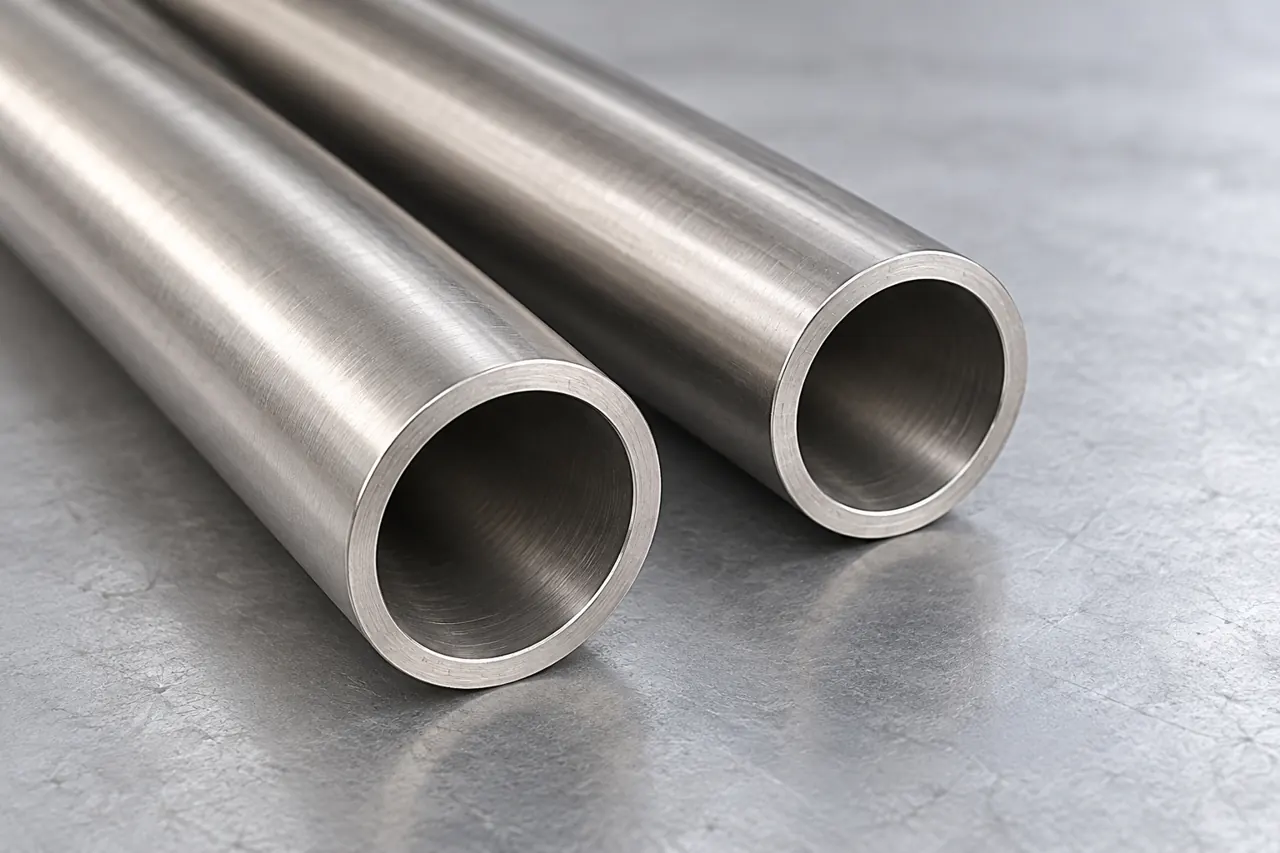
Confirm the manufacturing form and end condition
Identify whether the project requires seamless or welded material and the actual supplied condition. State the required ends and any preparation that affects fabrication. The selected record describes a seamless-tube candidate; it does not establish every pipe form, end preparation or alloy alternative requested by a broader project schedule.
Request heat-linked material documentation
Define the project material-certificate content and the required inspection or test scope. Ask how each supplied length or bundle is linked to its heat or lot. A document example or a result from another product can help a format discussion, but it cannot serve as acceptance evidence for this delivery.
Agree inspection before ordering the pipe
List the required dimensional, surface and additional examination requirements with their applicable methods and acceptance basis. Confirm who performs, witnesses and reviews them. Avoid adding a test acronym without a scope; the inspection plan must apply to the actual product and project requirement rather than an unrelated catalogue claim.
Keep service selection with the authorized reviewer
Supply documents establish the proposed material and inspection results; the project’s engineering team evaluates chemical-process suitability. Provide the service and fabrication information that team requires. A corrosion-resistant description does not establish a safe temperature, pressure, lifetime or universal resistance to the actual process environment.
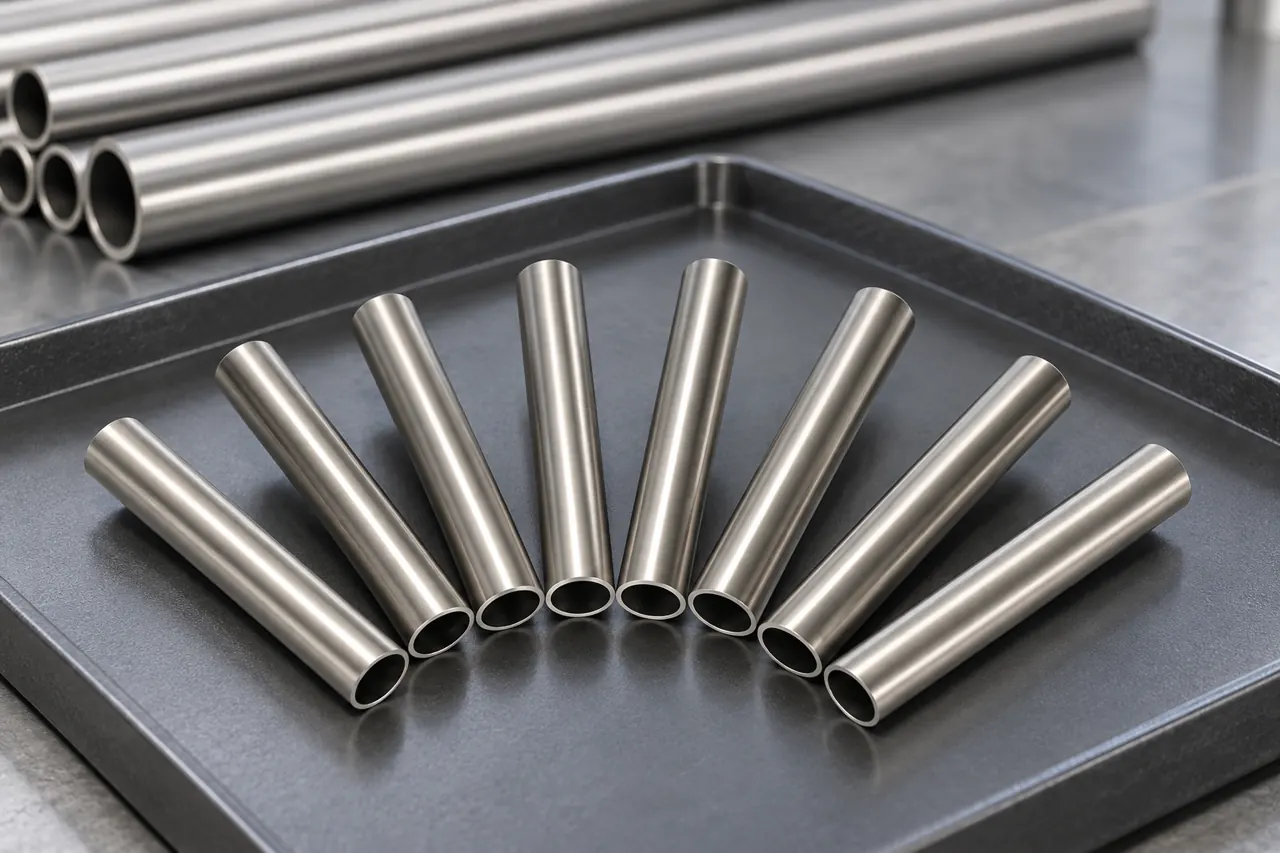
Control substitutions and cutting identity
List any different alloy, form, condition or dimension as a deviation before purchase. If material is cut, agree the identification-transfer record and marking requirements. The project approval must remain connected to the delivered pieces; a correct parent-material certificate is insufficient when that link has been lost.
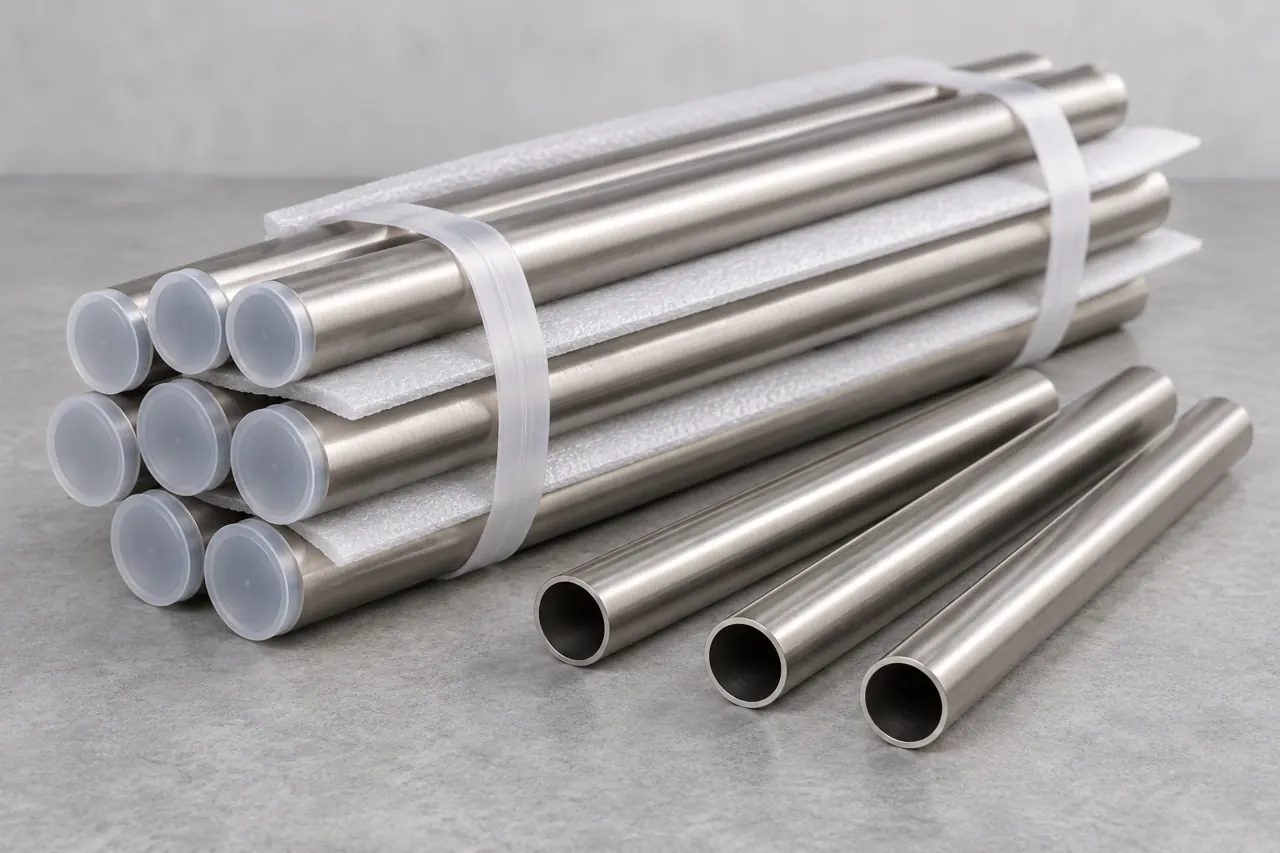
Protect the agreed pipe condition for delivery
Specify end protection, surface protection and package identification for the destination. Keep alloys, sizes and heats separated in the packing list. Confirm actual bundle limits and receiving constraints in the offer, together with the material source and any external processing responsibility relevant to the order.
Send a chemical-project pipe schedule
Share the selected alloy and standard, form, size basis, wall thickness, length and end requirements. Add heat records, inspection scope, approved substitution rules and delivery lots. We can discuss the catalogue candidate and confirm the actual material and commercial scope for your project reviewers to evaluate before acceptance.