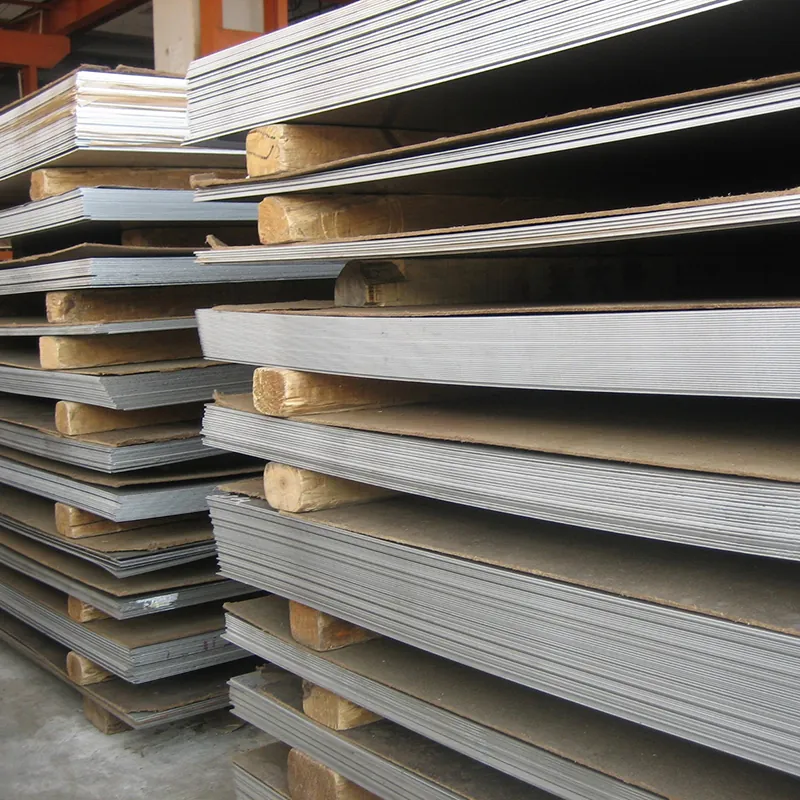
Stainless Sheet for Industrial Equipment Housings
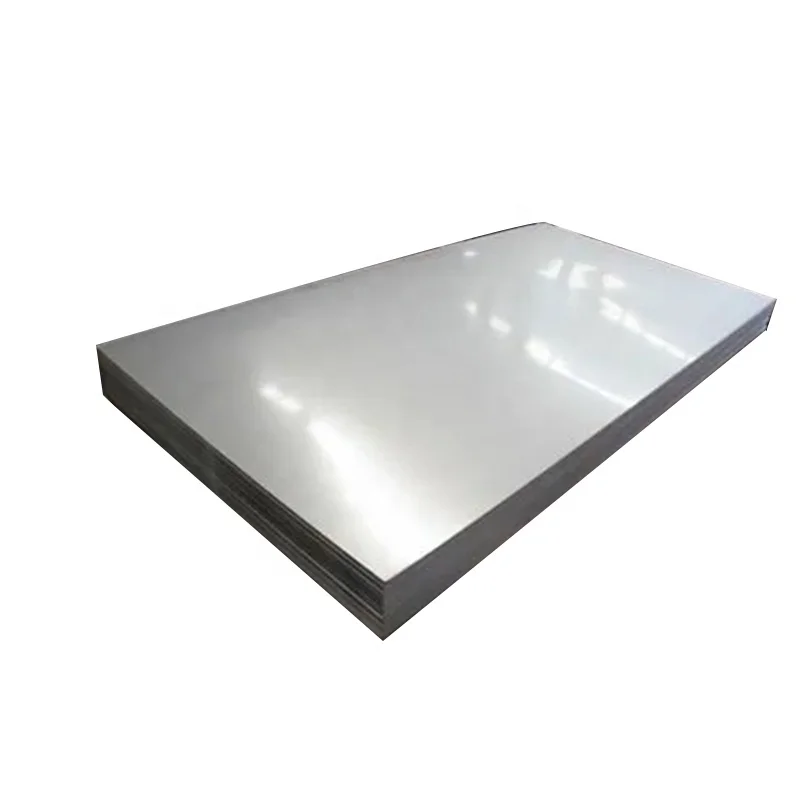
Equipment-housing sheet should match the drawing’s material, dimensions and visible finish before fabrication begins. We list stainless flat-product candidates, including 304 and 316L enquiries. Send the housing application and surface acceptance reference so we can confirm a specific sheet offer without treating similar-looking stainless grades as interchangeable.
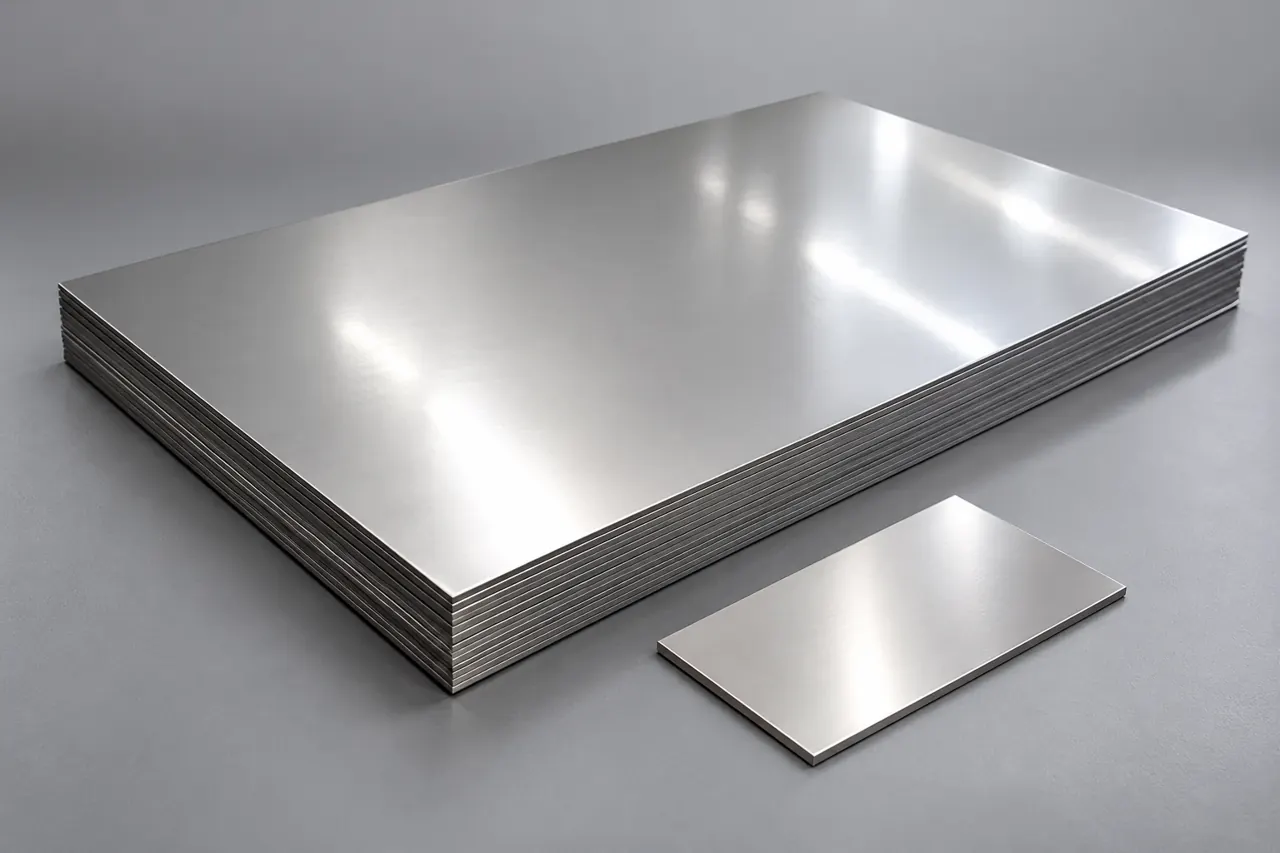
The housing drawing separates functional and visible requirements
Identify the material designation, exposure and fabrication route required by the design. Mark visible faces and dimensions that need particular attention. The buyer’s engineering team should resolve material selection; a general stainless description cannot establish suitability for a chemical environment or the final equipment’s compliance requirements.
Finish names need a physical acceptance reference
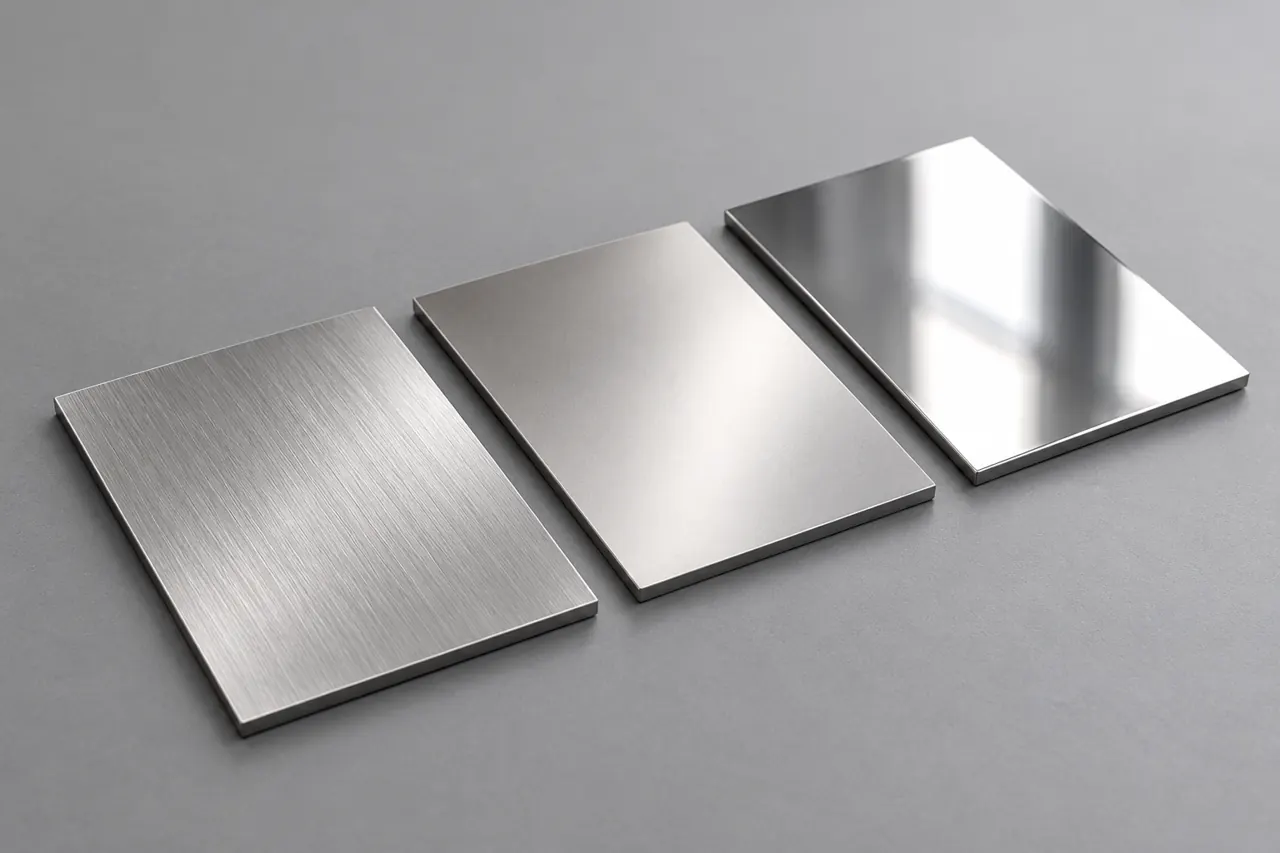
Confirm the actual surface finish proposed for the selected sheet and compare a sample under agreed viewing conditions. Where appearance matters, specify direction and permitted marks rather than relying on a general polished description. Keep a finish sample distinct from proof of the alloy or dimensional tolerance.
Thickness and material identity need different records
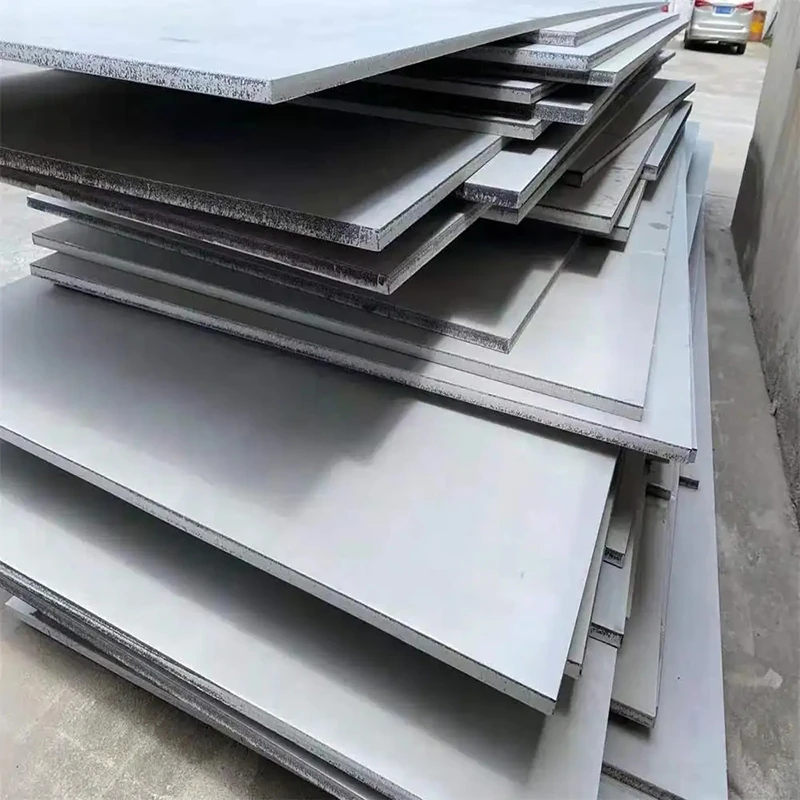
Define nominal thickness, tolerance, measurement location and sheet dimensions in the request. Ask for the material record applicable to the offered grade and lot. A satisfactory thickness reading does not verify alloy identity, while a material certificate does not establish the condition of every visible sheet surface.
A fabrication trial should include the visible face
Use representative samples for the intended forming and joining operations. Inspect both the functional geometry and the appearance required after fabrication. Record the sheet reference, protective-film condition and handling during the trial, because a surface result may depend on more than the supplied finish.
Protective film should be specified as part of supply
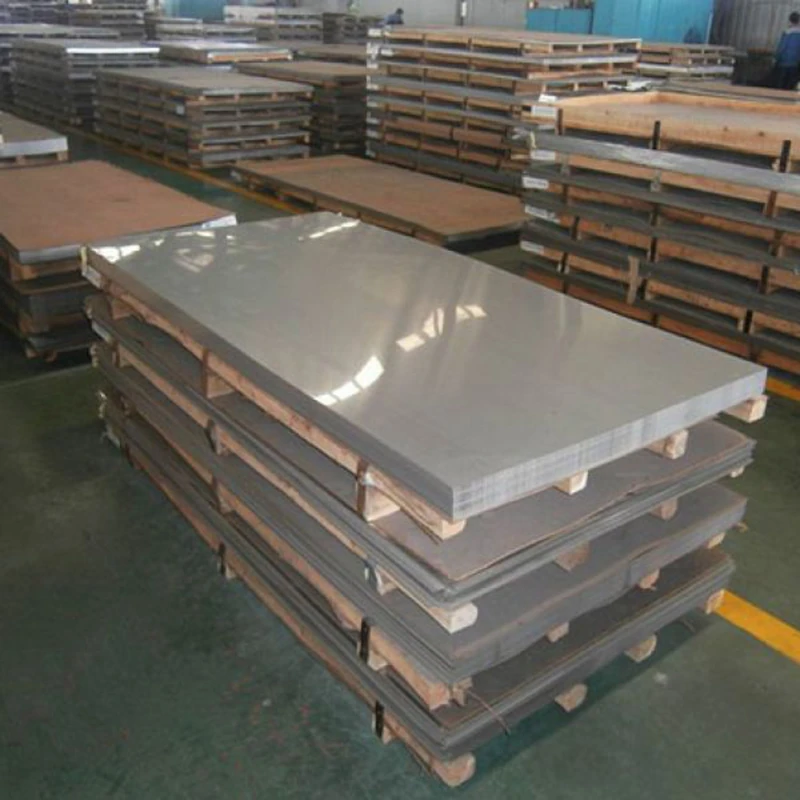
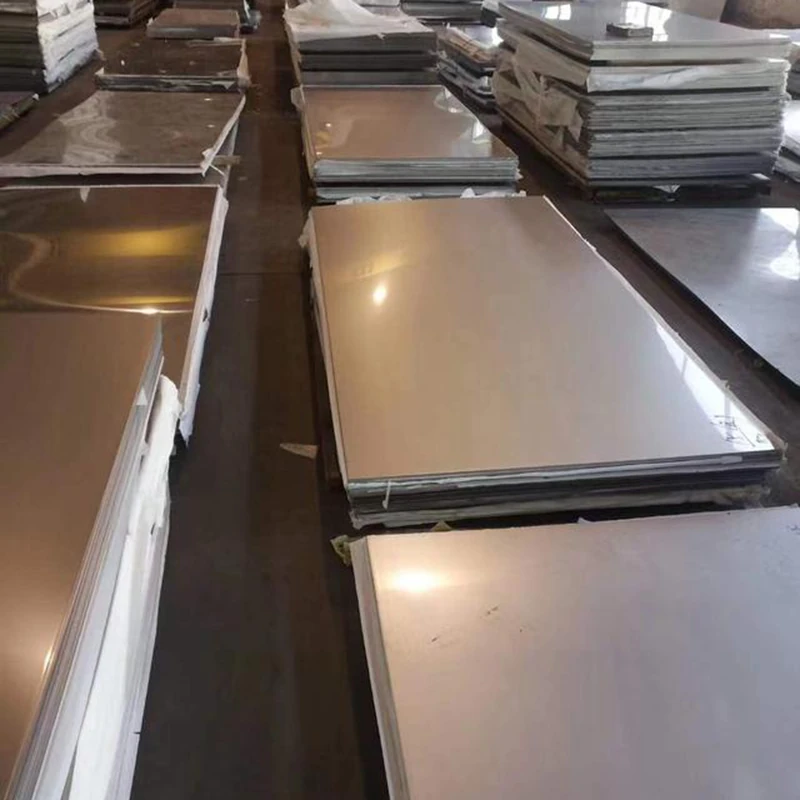
State the required film coverage, identification and removal conditions that matter to your workflow, then confirm what the offer includes. Keep exposed edges and interleaving needs visible in the packing brief. Protection reduces handling risks only within its agreed scope; it is not a guarantee against every transit or fabrication mark.

Supply responsibility should match the requested operations
Confirm whether the enquiry is for standard sheets, cut dimensions or further processing, and identify the actual supply relationship for each operation. Our catalogue’s material range does not establish every fabrication service as in-house. Request the relevant records and inspection scope for the finished supply you are buying.
Receiving photographs should preserve the surface context
If a visible surface arrives damaged or inconsistent, record the package, film and affected sheet before further handling. Photograph the defect under comparable lighting and preserve identification. This makes a review more useful than a cropped reflection that cannot show which face, package or material lot was involved.

Repeat orders should retain the finish and film brief
Carry the drawing revision, selected finish reference and protection requirement into replenishment orders. Keep any acceptable appearance variation explicit, and review proposed material or finish changes before release. Confirm quantity, packing and timing for the actual order rather than assuming a previous sample arrangement defines production supply.
Send the housing material and finish schedule
Provide the required grade, thickness tolerance, sheet or blank dimensions and visible-face reference. Add fabrication needs, film and packing requirements, document scope and destination. We can review the listed stainless options and confirm a specific offer for your material and appearance approval.