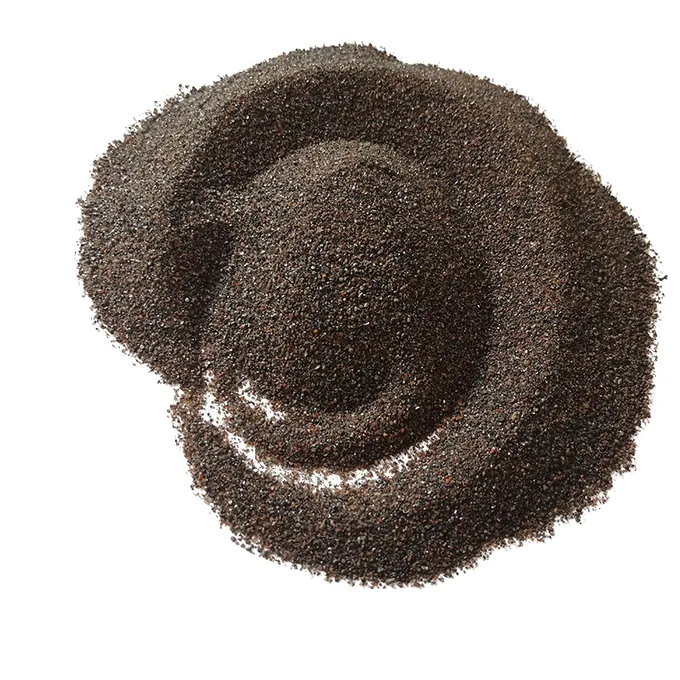
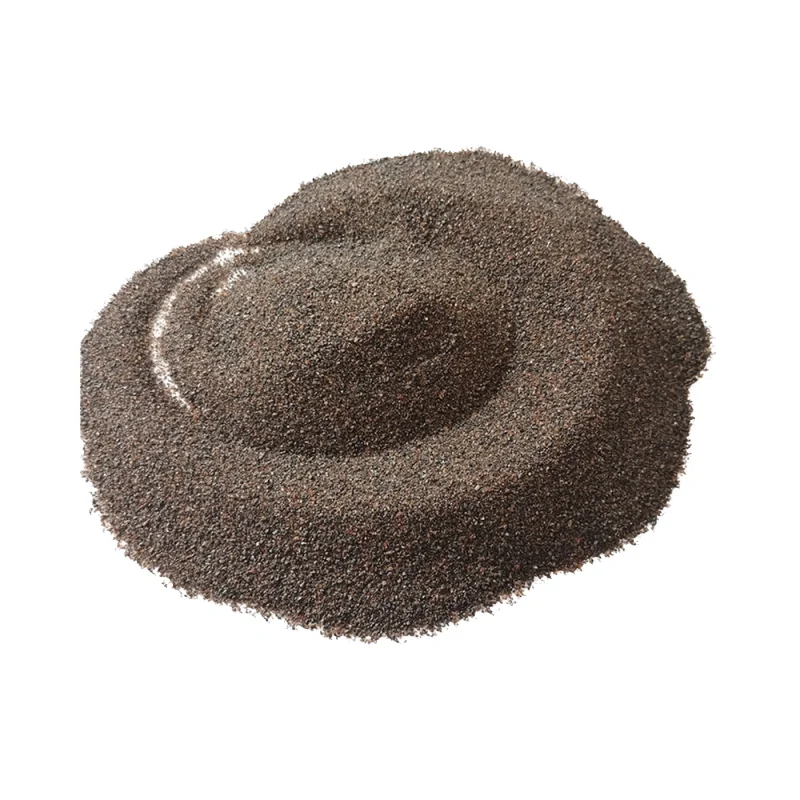
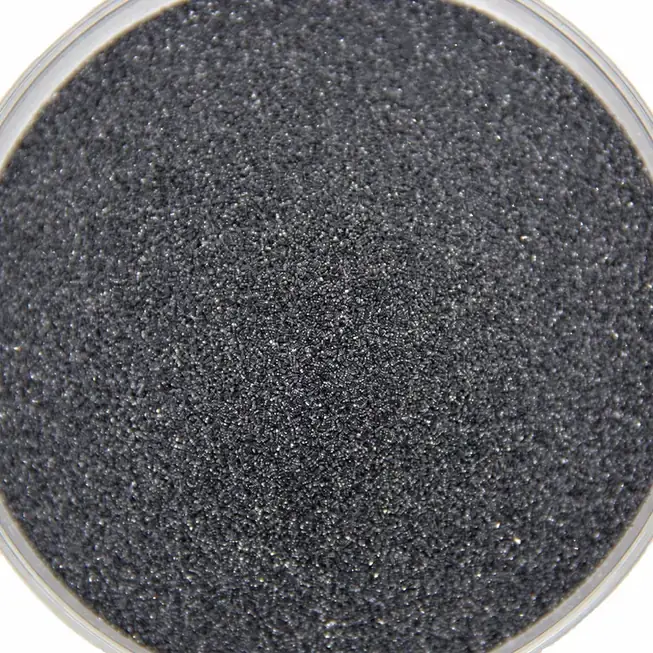
Blasting Media Replacement for Forging Scale Removal
A change of abrasive source should begin with the descaling result you need to preserve or improve. We supply steel-shot and grit options for industrial enquiries. Share the current media, forging condition and blast-line setup so we can discuss a candidate and a meaningful comparison before you commit to a replacement order.
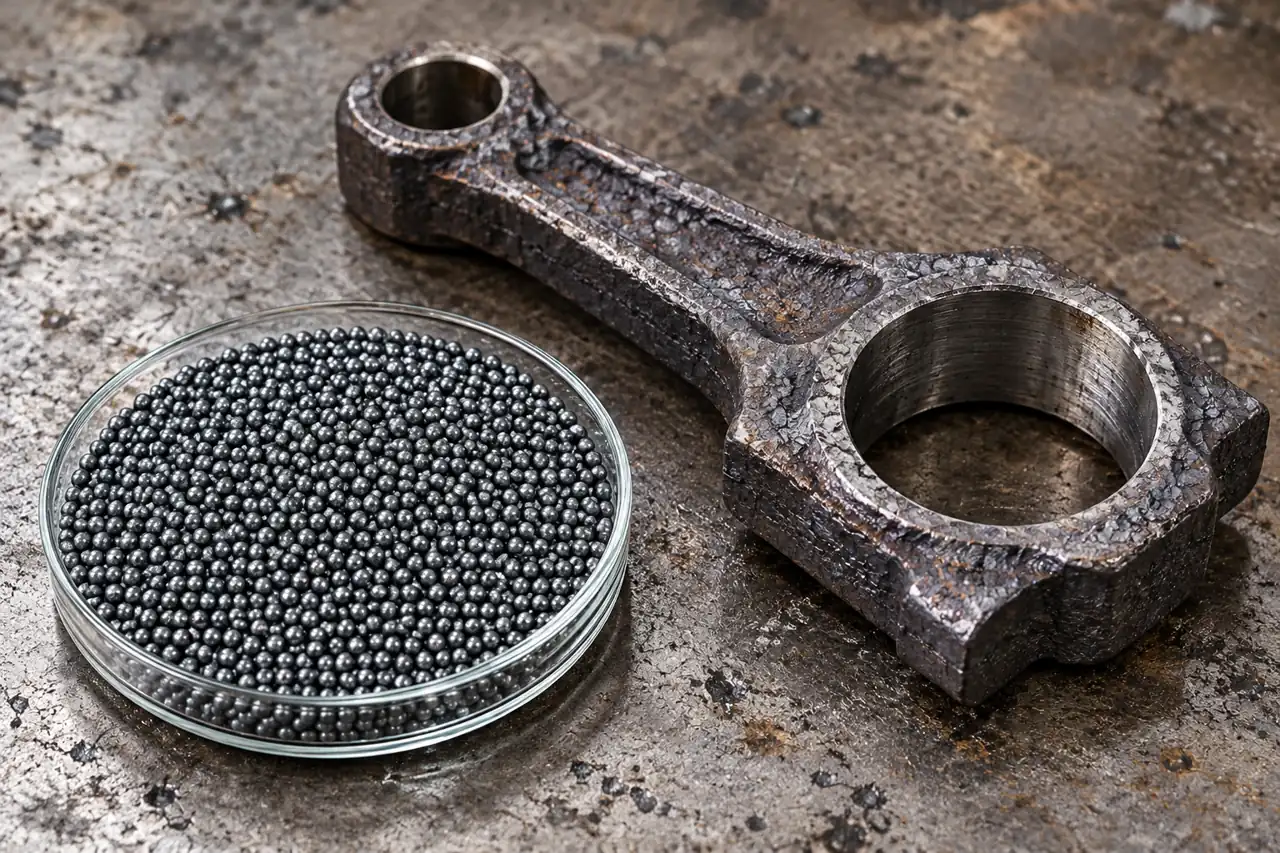
The current process gives the comparison a baseline
Record the problem before changing the material. Include the forging family, incoming scale, batch loading and current operating settings. Keep any recent equipment or production change visible. This prevents a new abrasive trial from being judged against a baseline that changed at the same time.
Shot and grit offers need distinct identities
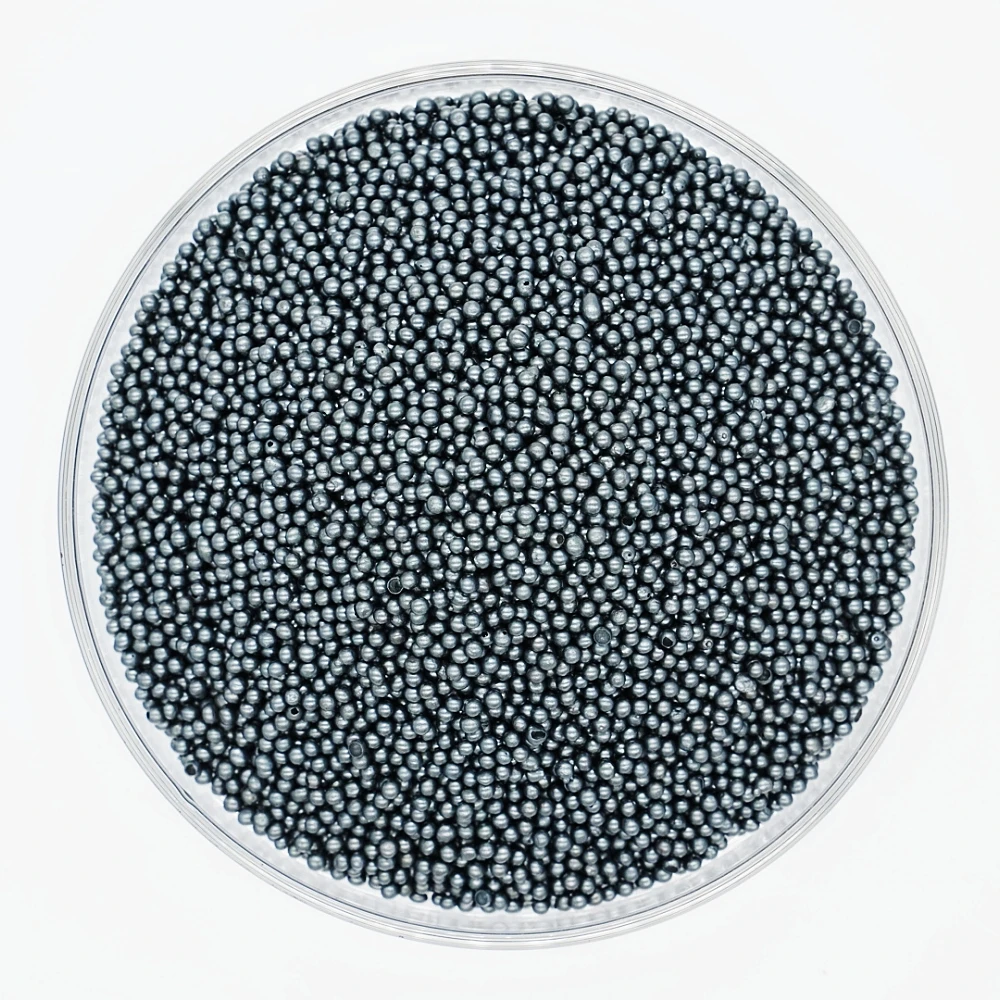
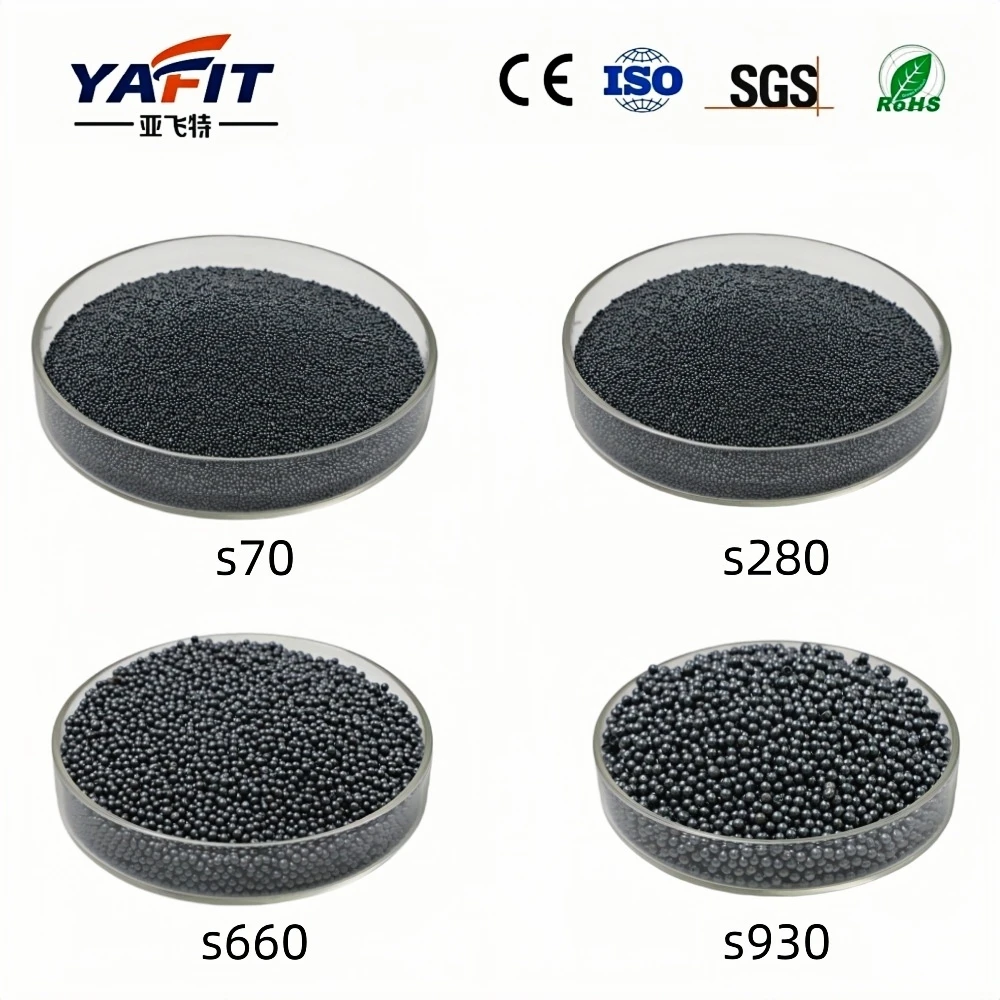
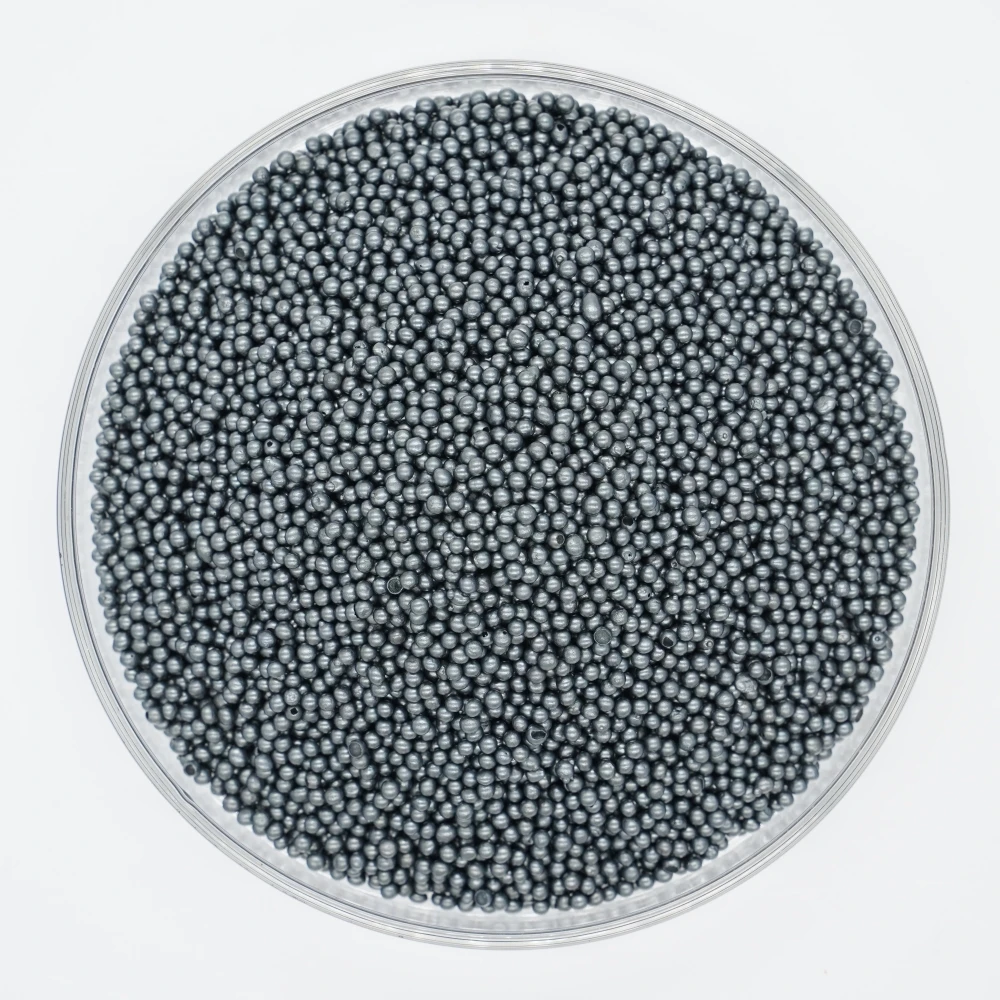
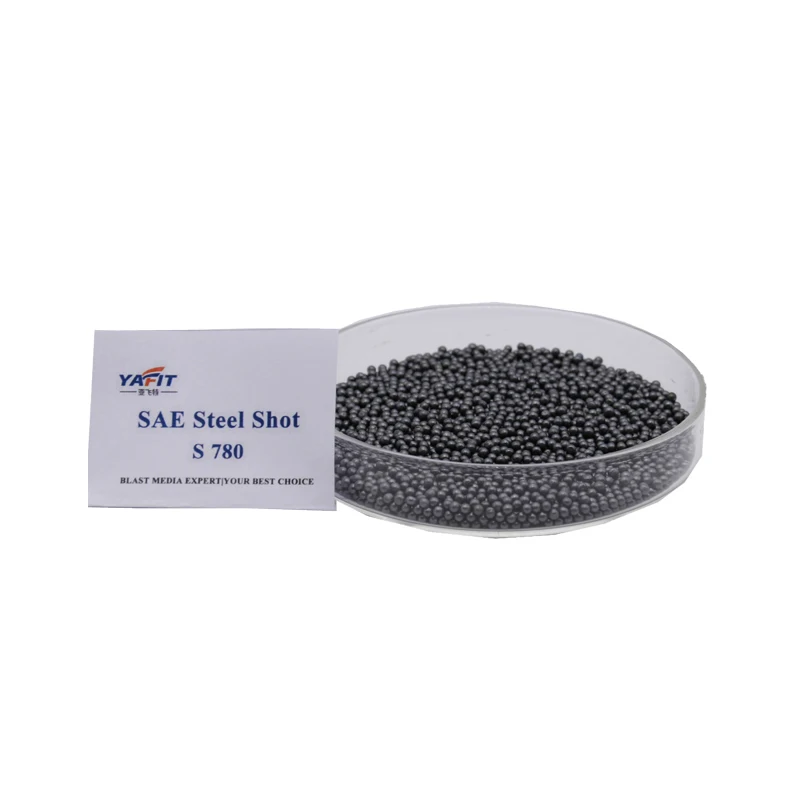
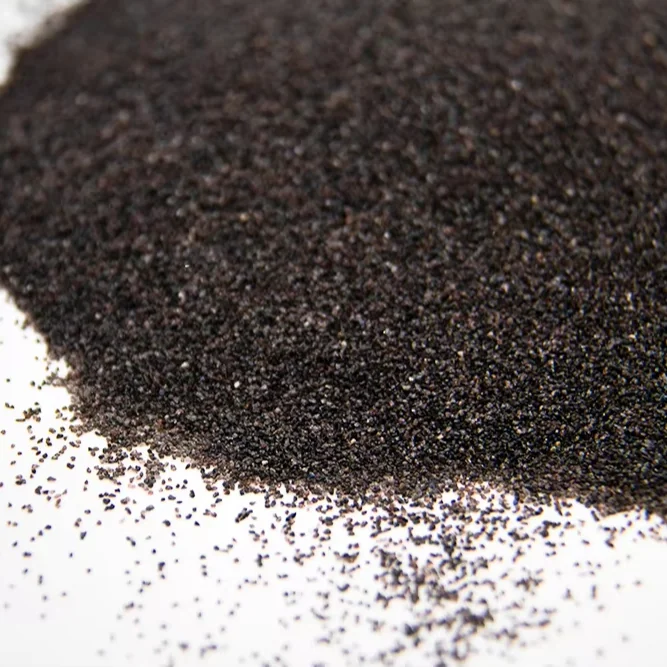
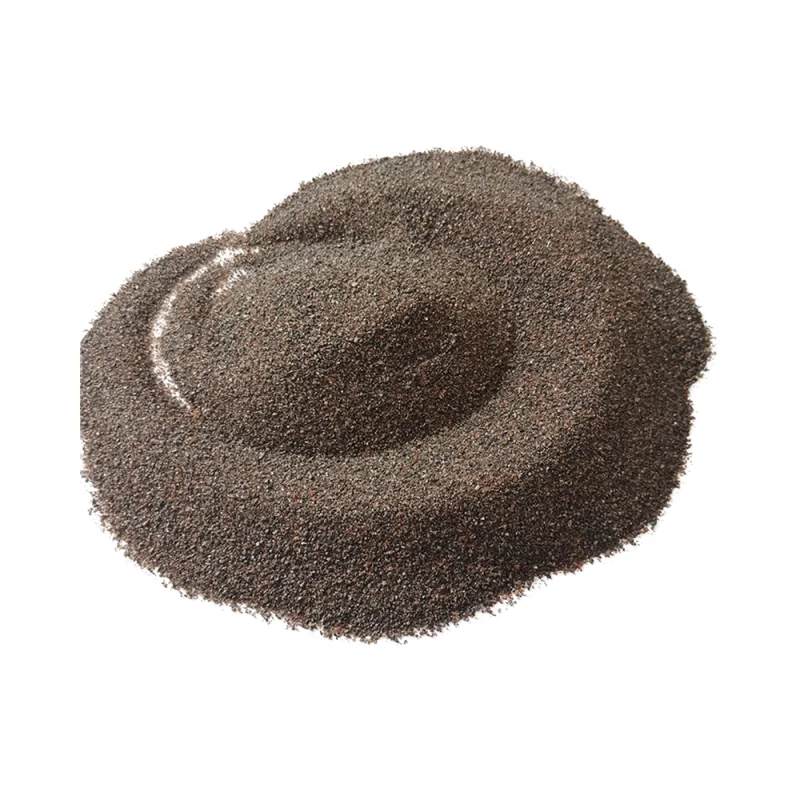
Rounded steel shot and angular steel grit are different supplied forms. If both are being considered, keep each candidate's grading, hardness and form separate in the comparison. We can discuss the listed ranges with you; the appropriate candidate depends on your equipment and the required surface outcome.
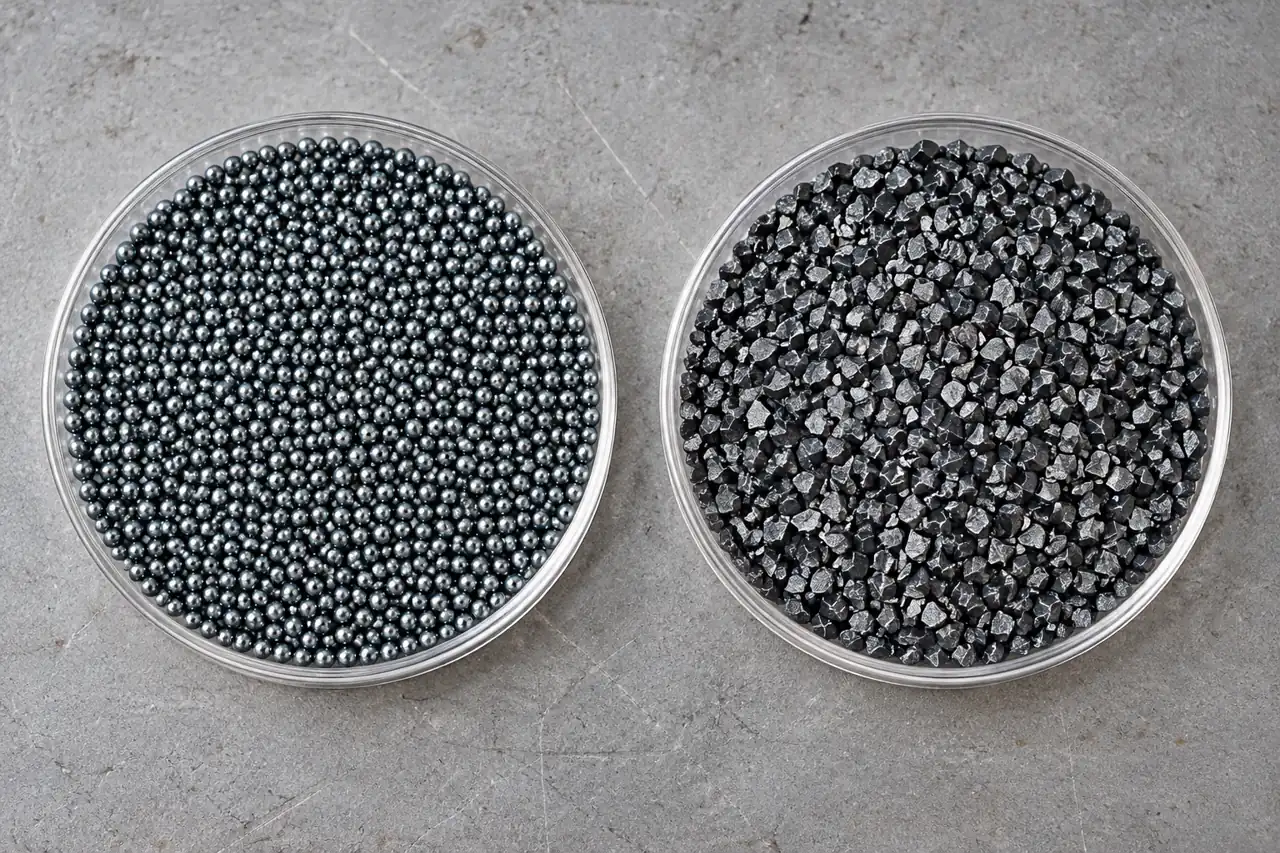
The replacement brief should expose the differences
Put the current and proposed specifications side by side. Identify which characteristics must match and which are deliberate changes. A matching product name is not enough to establish equivalence, and a lower unit price does not explain a different grading, hardness or packing proposal.
A controlled trial makes the result interpretable
Agree the trial conditions and acceptance criteria before loading the candidate. Use a representative forging load and record the settings, exposure and inspection method. If a condition changes during the run, record it with the result rather than treating the trial as a direct comparison without qualification.
Cleaning and surface condition need separate records
A part can look cleaner while still missing another surface requirement. Record residual scale, surface condition and any feature damage against the agreed criteria. Add the inspection method to the trial record. We can discuss the media reference alongside those observations without turning a photograph into a performance guarantee.
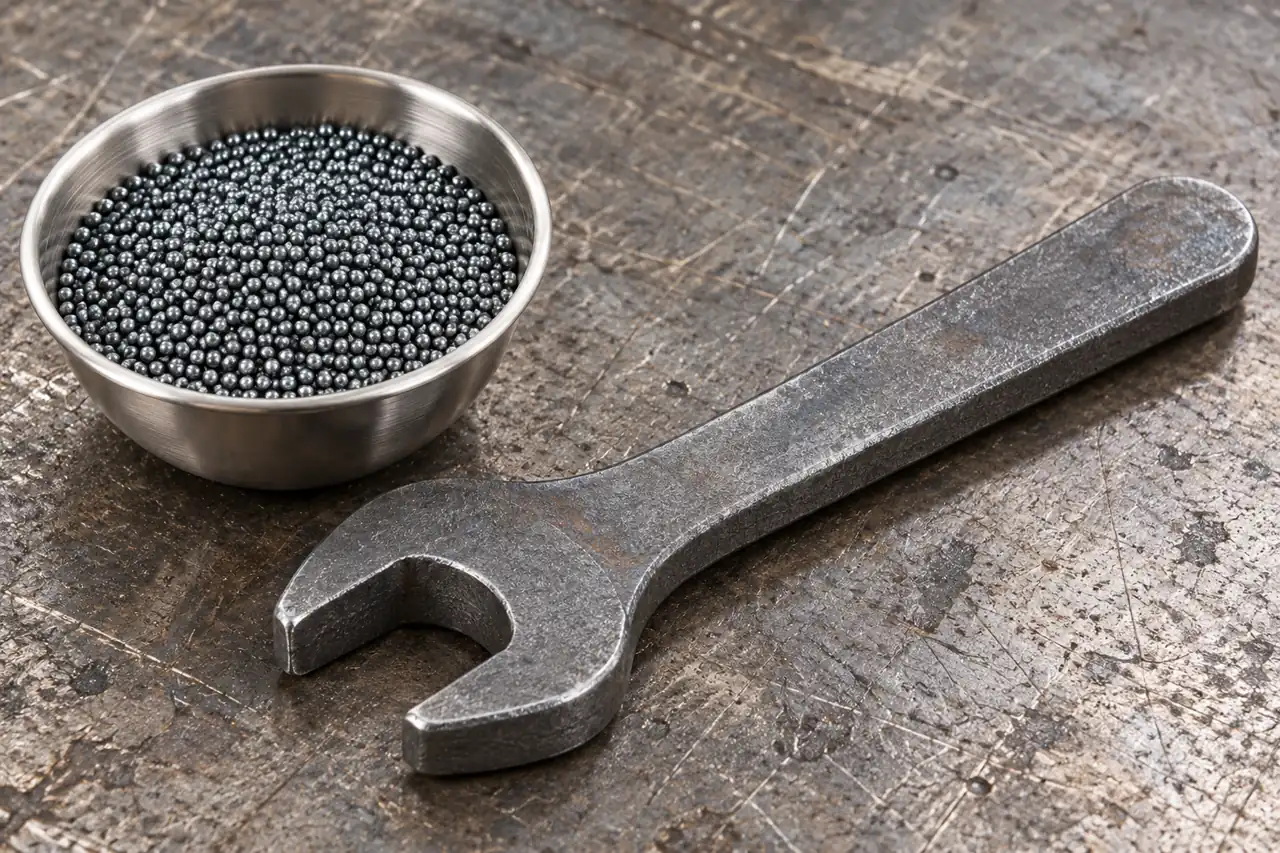
Cost comparisons should follow accepted production
Keep media additions, cleaning time, rework and the number of accepted parts visible in the review. These observations can help your team compare the candidate with the current process. Use your recorded data for the calculation; a purchase price alone cannot establish a lower operating cost.
A disputed result needs a traceable sample
If the trial shows an unexpected deviation, keep the material reference, retained sample and process records together. Photograph the affected feature and identify the batch. Share that information with us so the technical discussion can distinguish the supplied abrasive from the equipment and workpiece conditions involved.
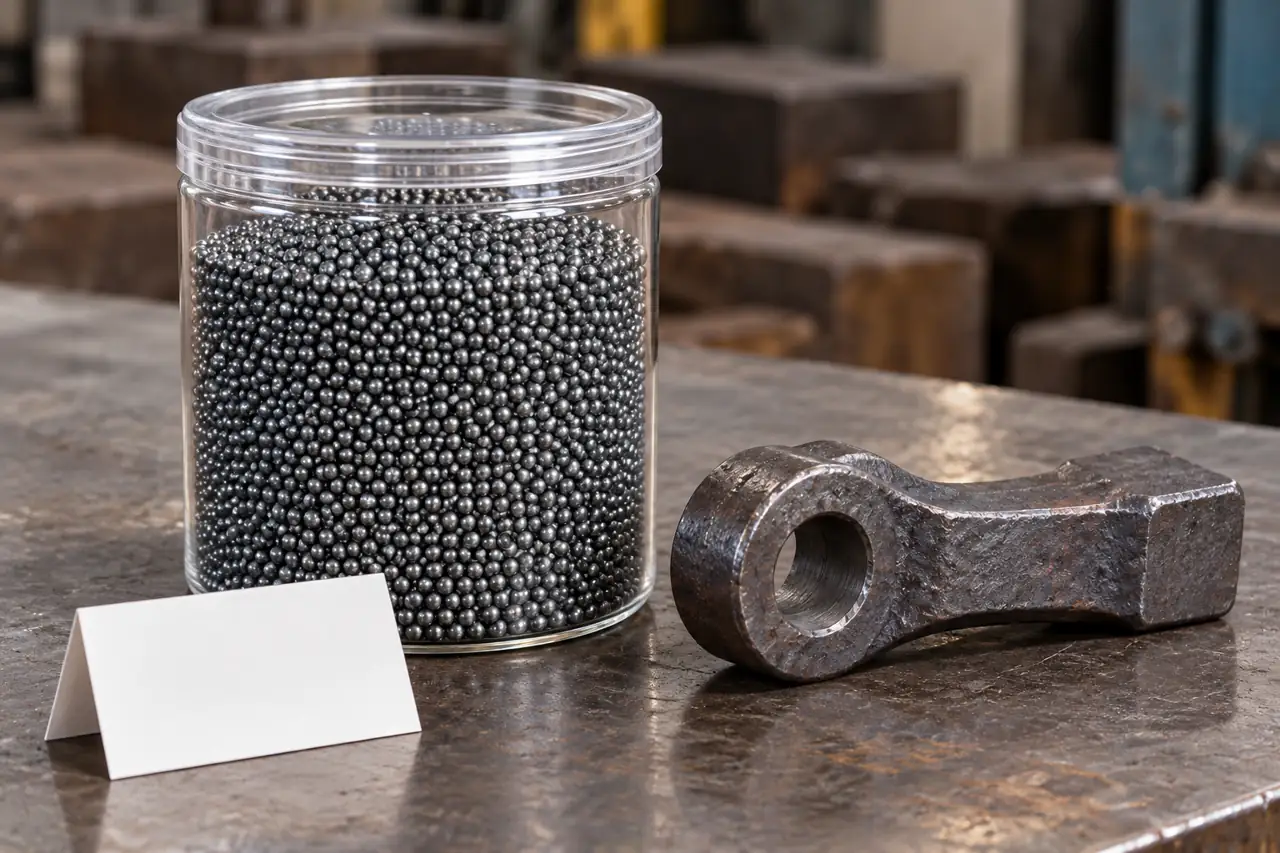
Approval should state the limit of the switch
Record the forging family, machine conditions and media specification covered by acceptance. Keep any unresolved issue visible before changing the routine supply. Once approved, use the same specification and order reference for replenishment, with a review when the part mix or process requirement changes.
Share a replacement brief built around the line
Send the current media specification, reason for the change, forging details and blast equipment constraints. Add the trial quantity, acceptance criteria, document requirements and destination. Our team can discuss the listed abrasive options and confirm a specific material offer and sample arrangement for your review.