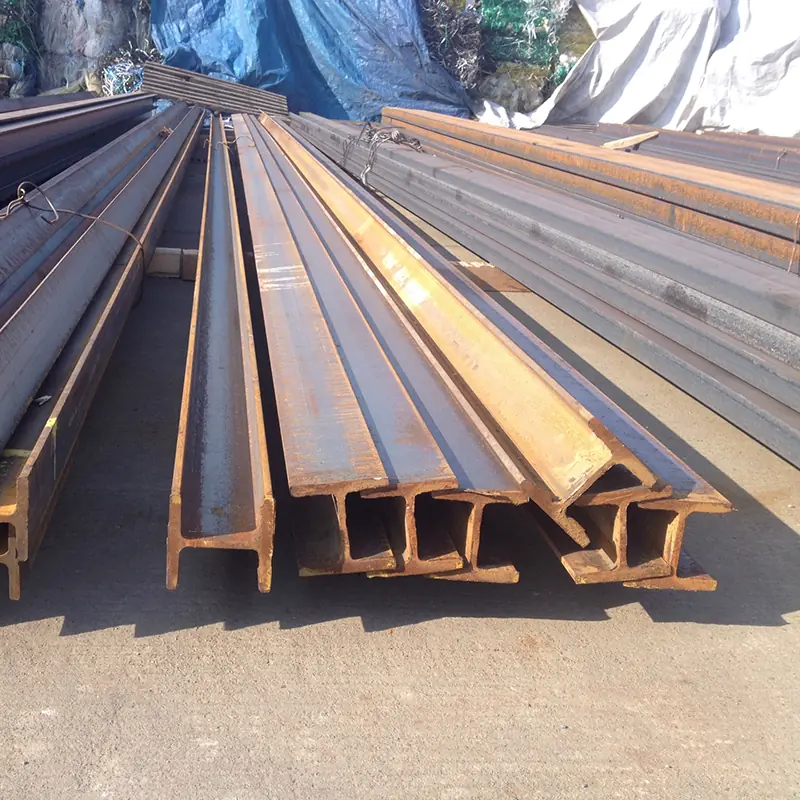
H-Beam Procurement Against Structural Steel Schedules
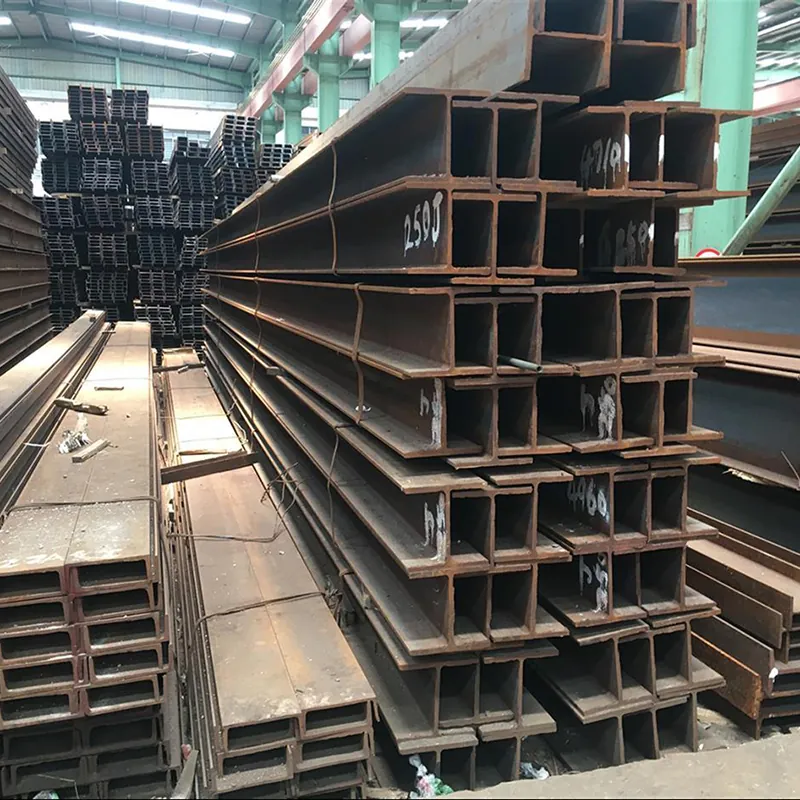
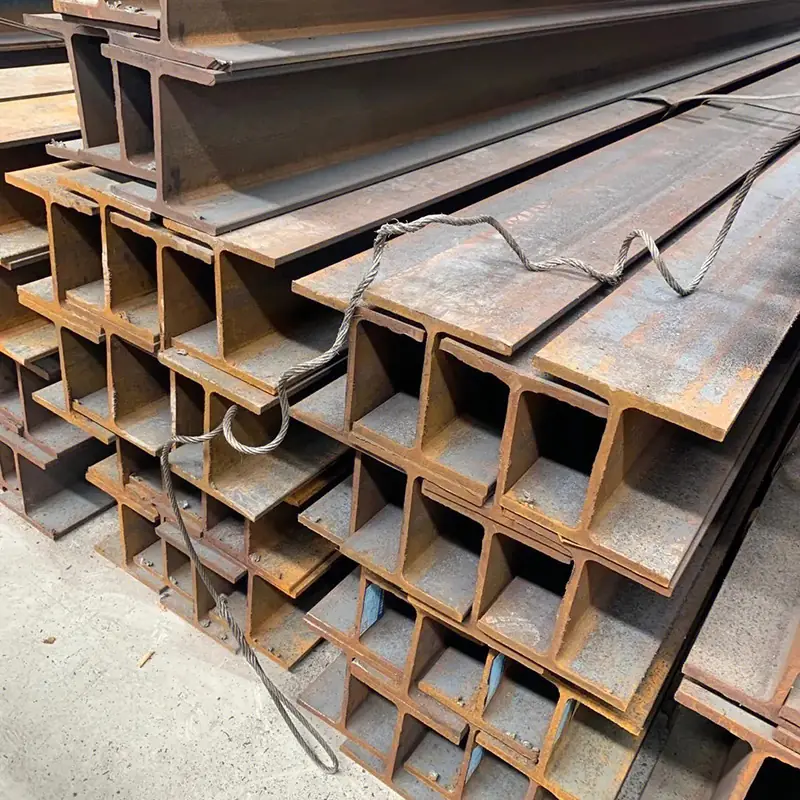
Quote H-beams against the approved structural-steel schedule, including section standard, material grade, lengths and quantities. Our catalogue includes beam-family candidates. Confirm the actual section geometry and material offer before treating a familiar section name or similar depth as an approved match for the project.
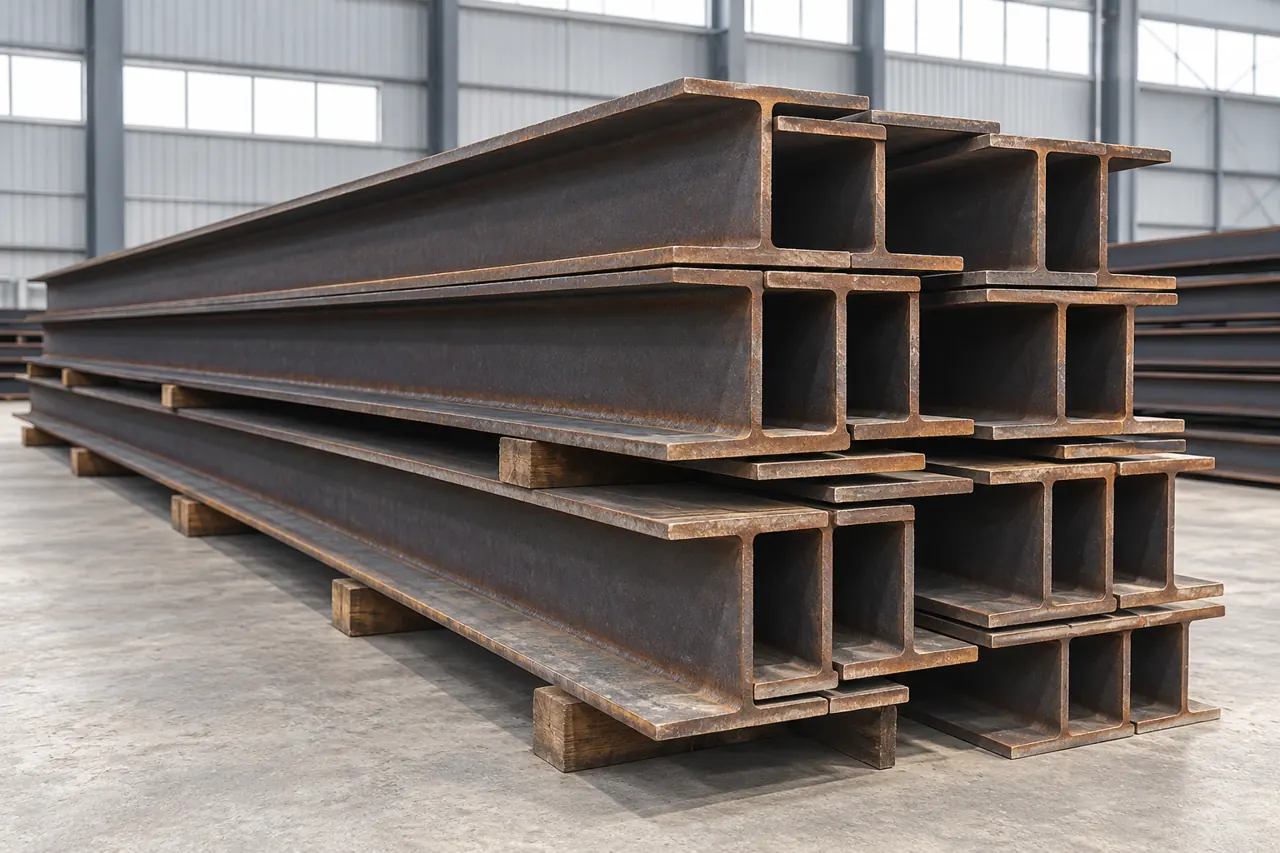
Preserve the design schedule line by line
Send the current material schedule with its drawing revision and project specification. Keep each section, grade and length on a separate line with its quantity. A total tonnage without the controlled section list makes it difficult to compare offers or identify which material a supplier has actually proposed.
Resolve section naming through actual dimensions
Different section families and standards can use similar names. Confirm the exact designation and dimensional drawing, including the dimensions relevant to the project’s connections. Do not treat H, I, HEA, HEB or IPE references in a broad listing as automatic equivalents merely because the nominal depth is close.
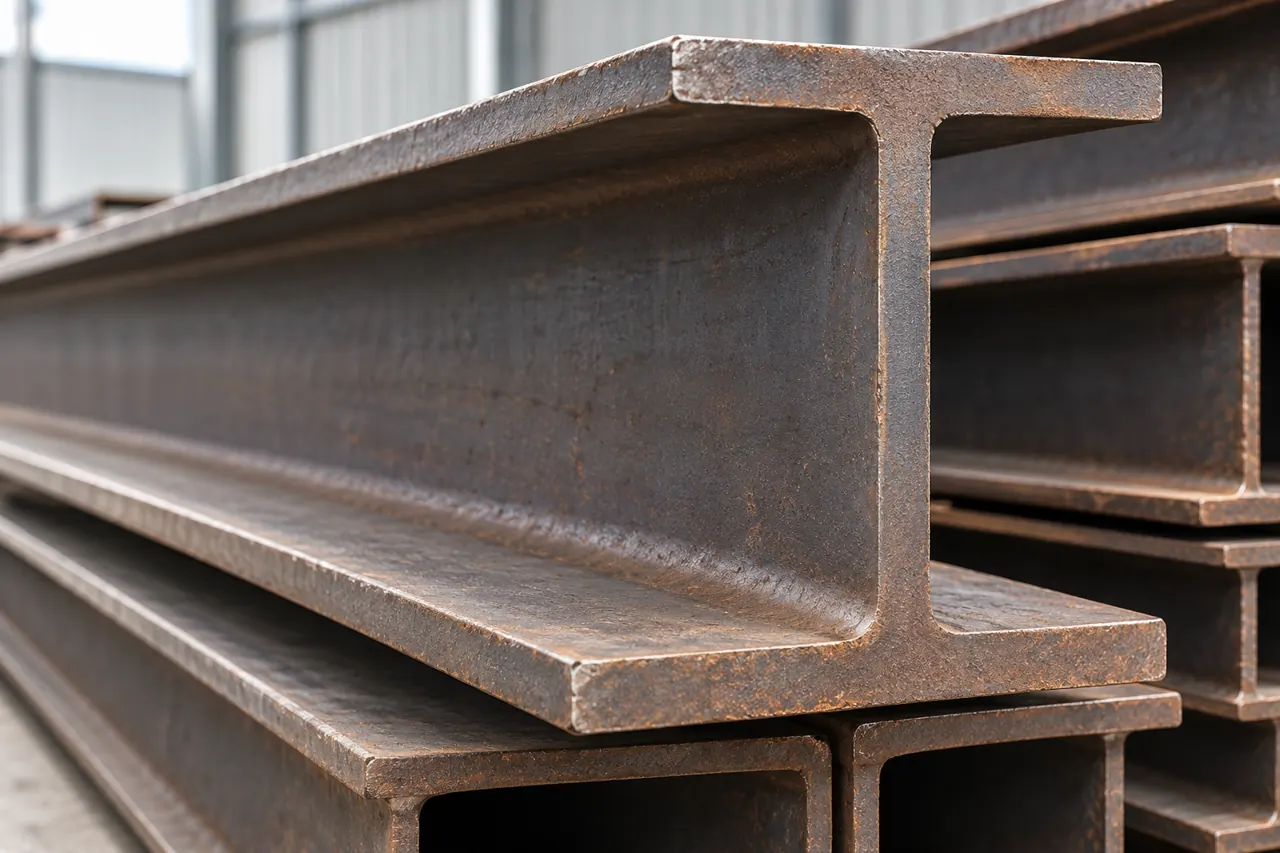
Keep grade separate from the section designation
State the required material standard and grade independently of the beam size. Ask the supplier to identify the proposed grade in the offer and supporting records. The section shape cannot prove chemistry or mechanical properties, and a catalogue’s list of grade names is not one common material approval.
Review heat identity and inspection scope
Define the material documents and dimensional or surface checks required by the project. Ask how the delivered beams will remain linked to their heat or batch records. Where witness or independent inspection is specified, agree its timing and responsibility before order release instead of assuming it can be added later.
Separate stock lengths from fabricated members
Clarify whether the order is for stock beams, cut lengths or further processed members. Define the actual cutting and end requirements if processing is included. A stock section listing does not establish hole-making, welding, design or connection-fabrication scope; each requested operation needs a confirmed provider and acceptance basis.
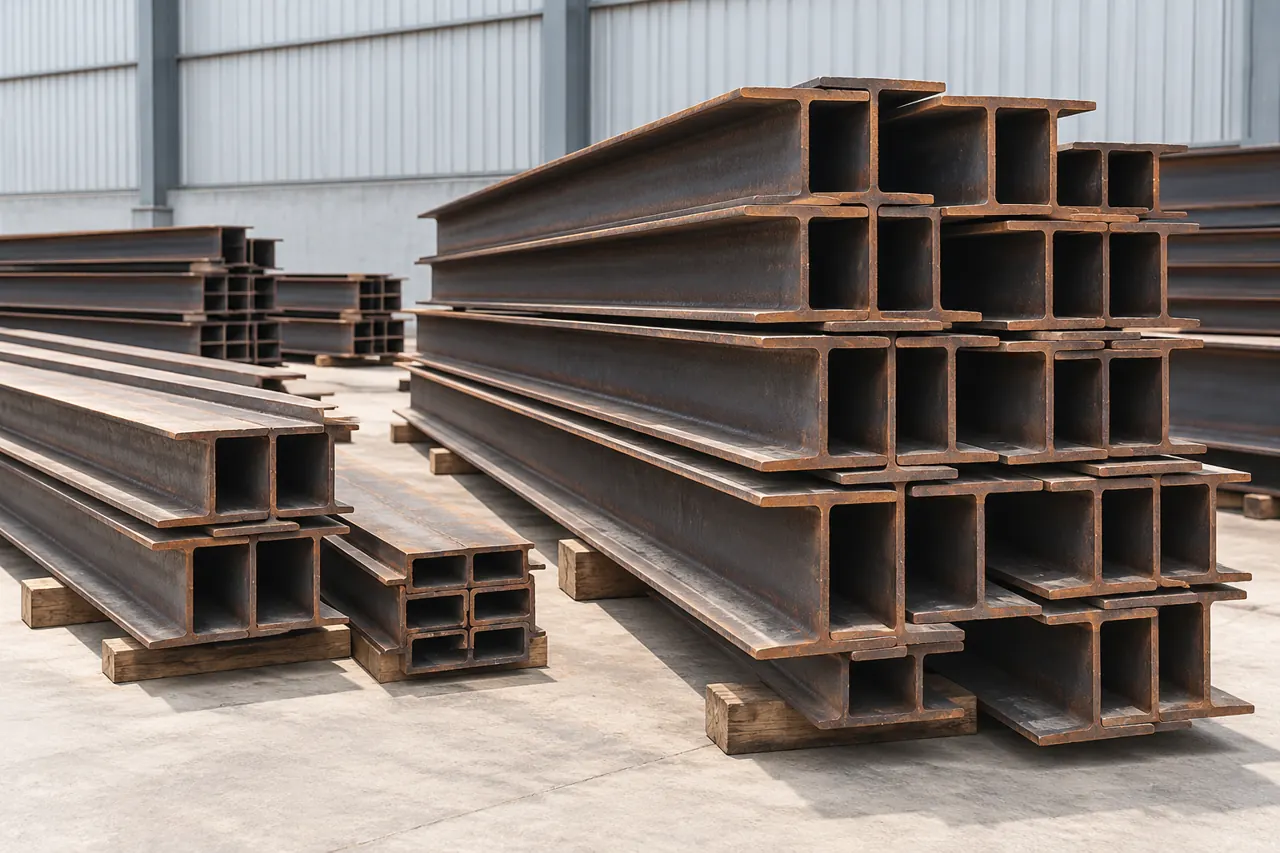
Require approval for a proposed substitute
List every deviation from the project schedule in the quotation response, including grade, section and length. The authorized project team decides whether an alternative is acceptable. Do not allow a supplier’s statement of similarity to bypass that review, even when the alternative is easier to obtain.
Plan bundle marking for the receiving sequence
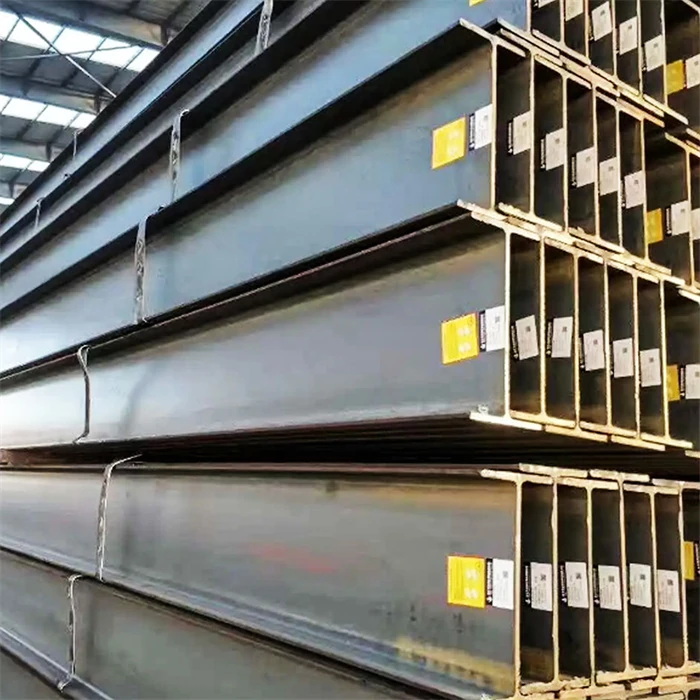
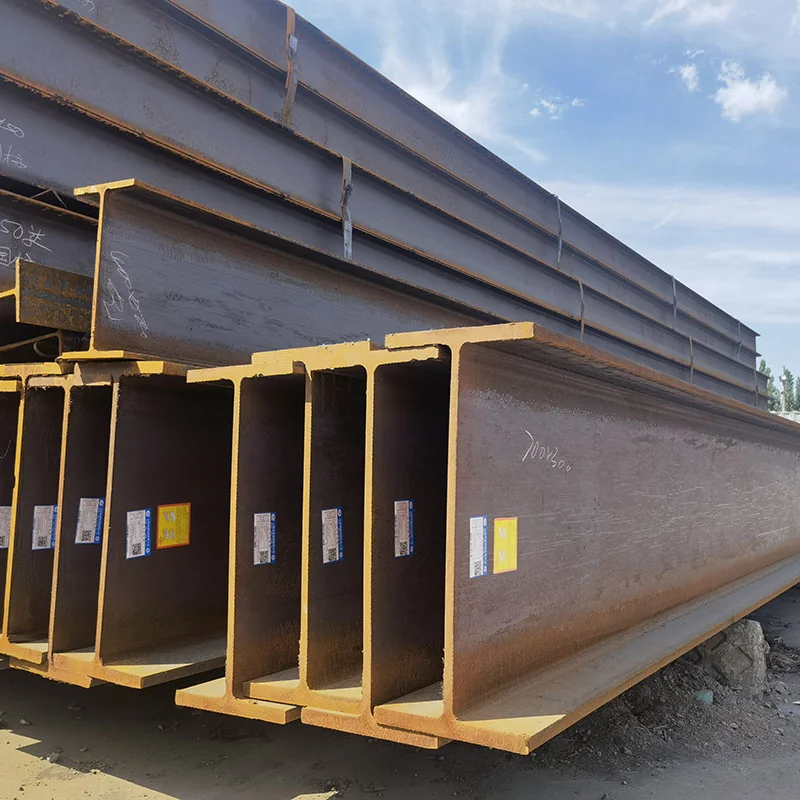
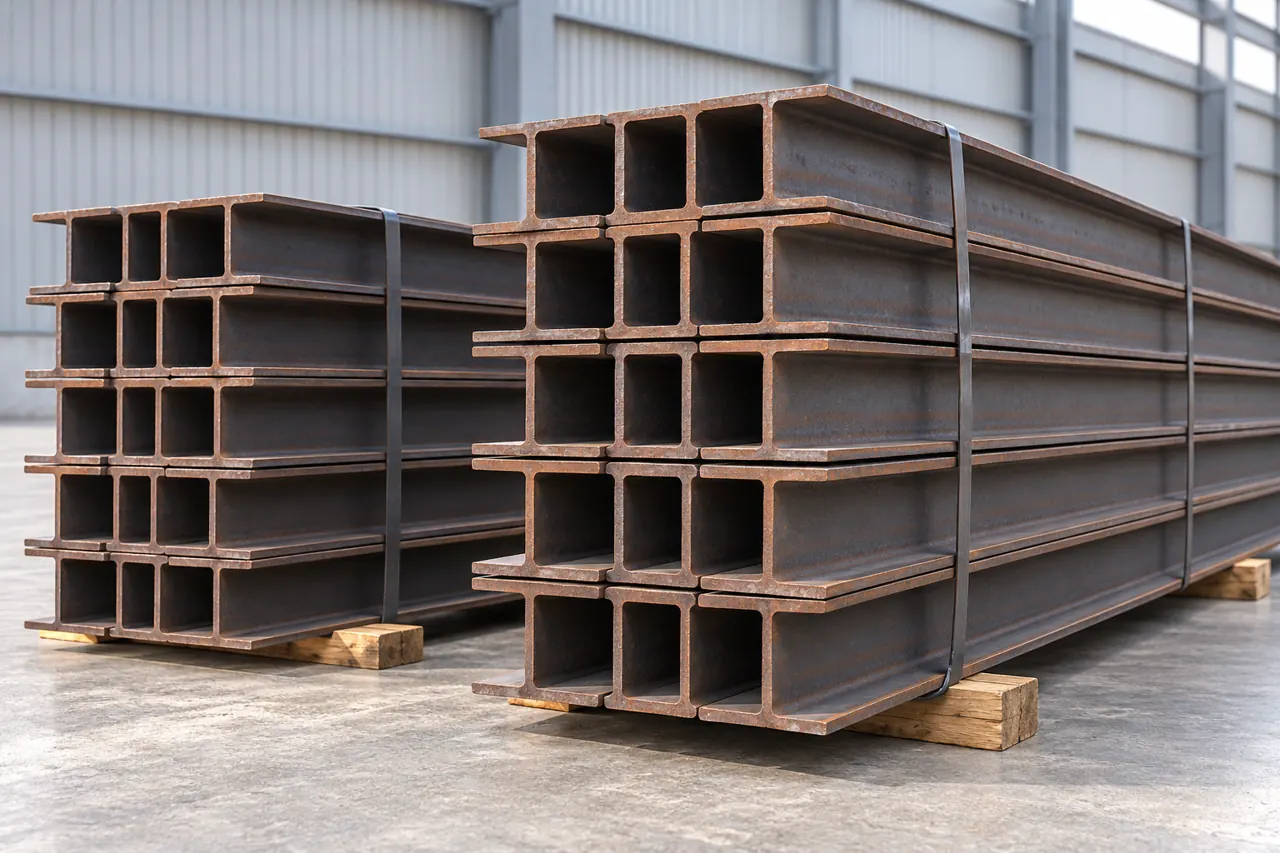
Specify how the project wants section lines, lengths and material identity shown on bundles and packing lists. Coordinate the actual bundle envelope and weight with receiving constraints. Preserve identification when bundles are opened, so individual stock can still be matched to the accepted material records.
Compare the complete project supply scope
Use the same section schedule, material basis, inspection requirements and delivery destination when comparing prices. Clarify the weight basis, any processing charge and the treatment of staged deliveries. Available quantities and scheduling need an actual supplier response rather than a general catalogue delivery claim.
Send a structural-beam enquiry
Share the approved beam schedule, selected section standards, material grades and length tolerances. Add drawing revisions, required documents and delivery sequence. We can discuss the catalogue candidate and confirm the actual offered scope for project review; structural suitability and substitutions remain with the authorized design and approval team.