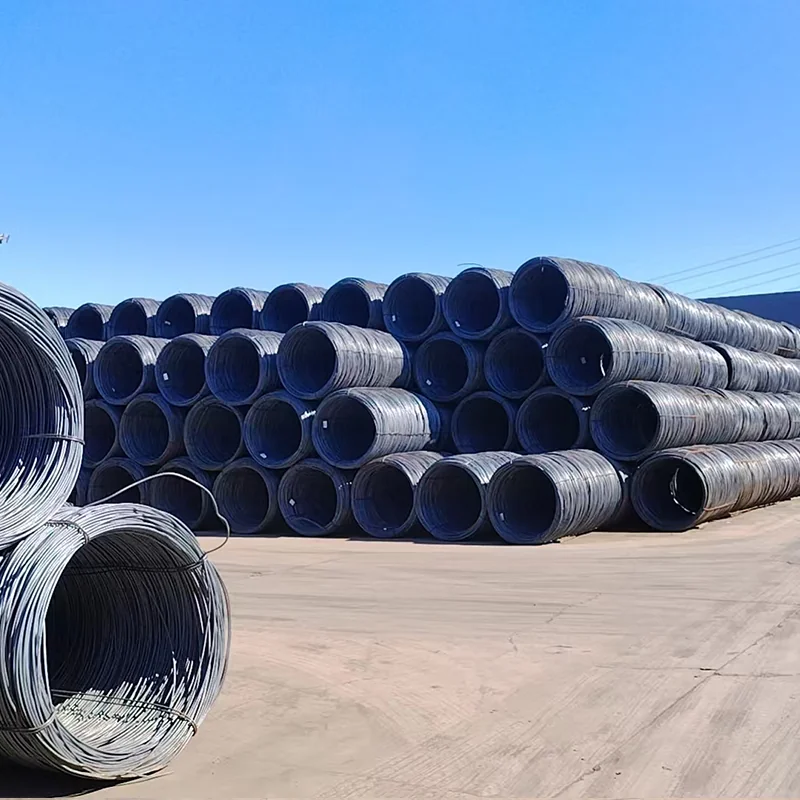
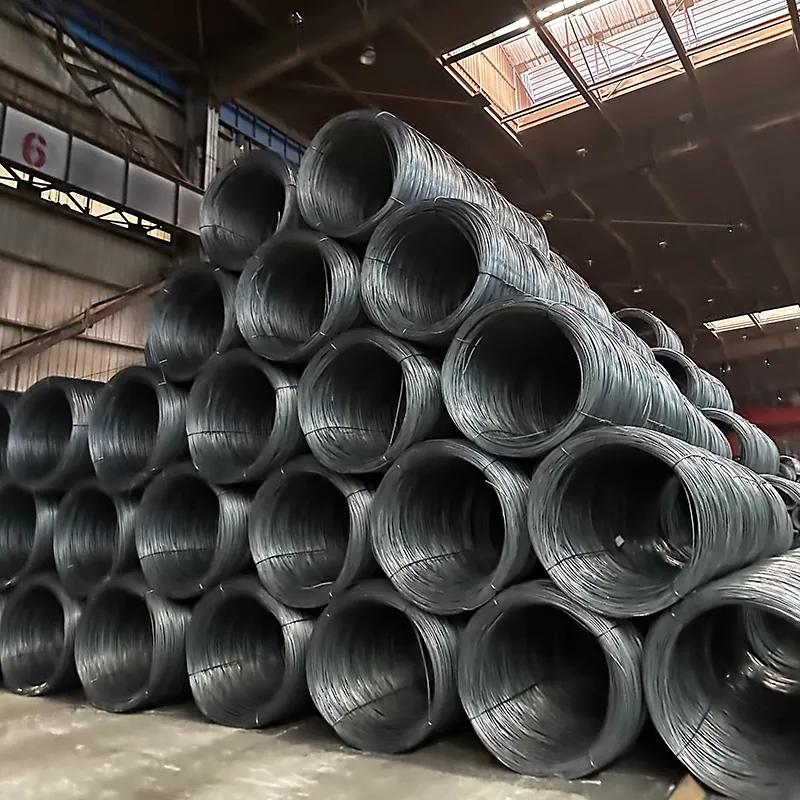
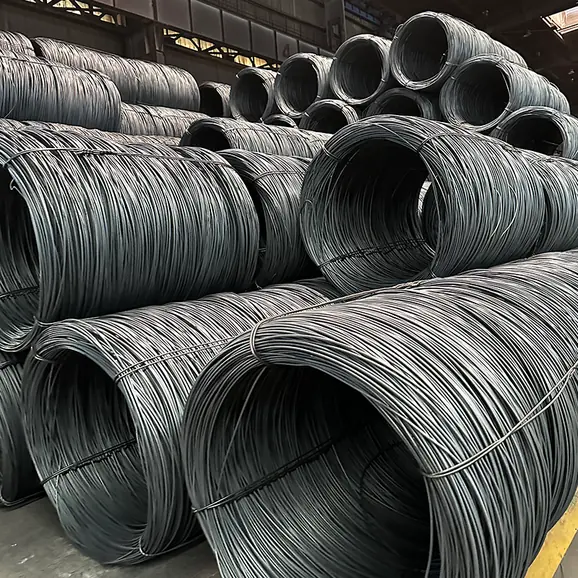
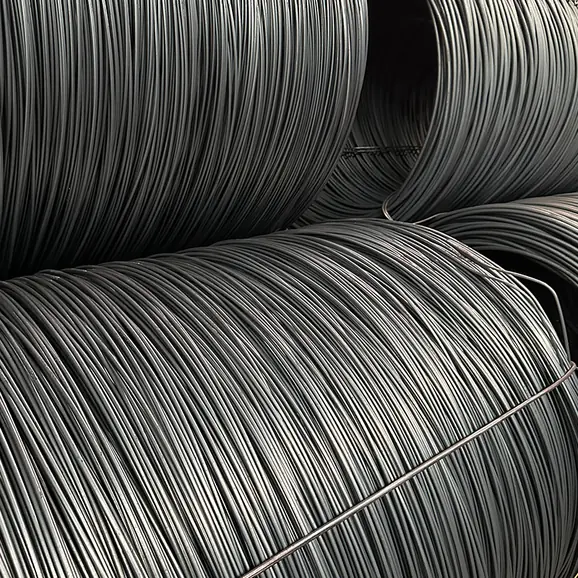
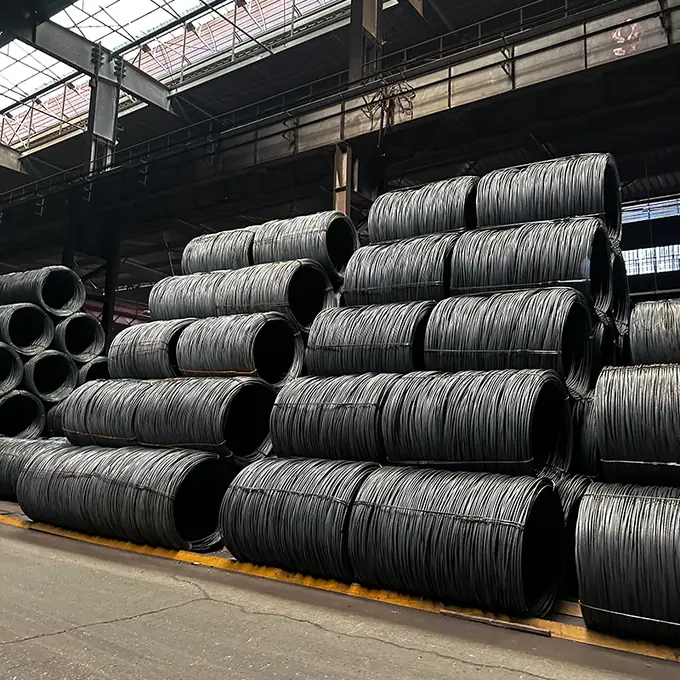
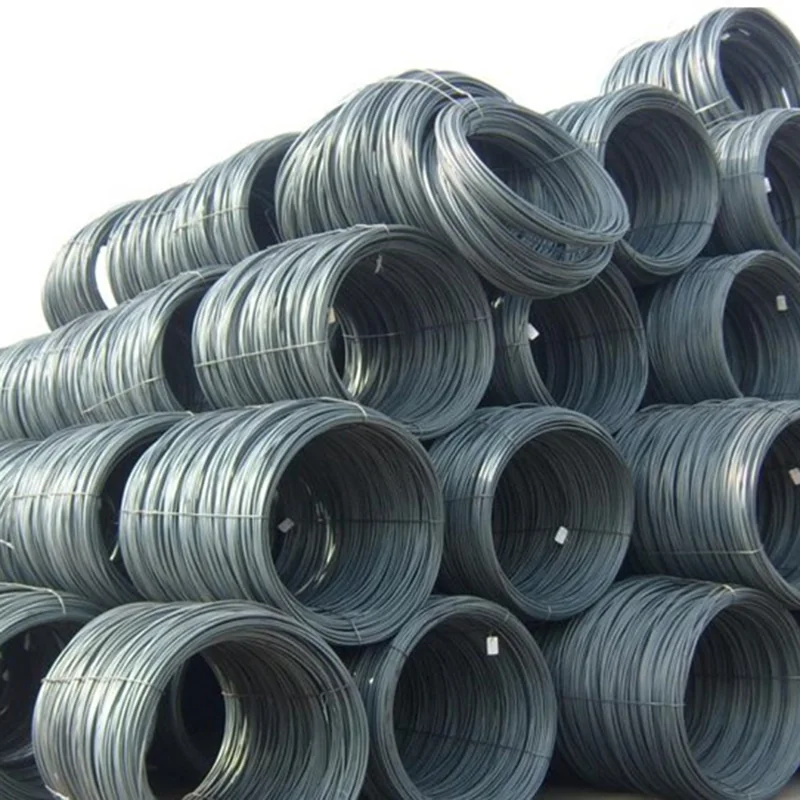
Finished Low-Carbon Wire for Nail-Making Machines
For a nail factory without a drawing line, specify finished wire at the diameter and condition your nail machine will receive. We list drawn low-carbon wire candidates for nail-making enquiries. Confirm the actual supply state and payoff package; a raw wire-rod offer is not the same purchase as ready-to-feed finished wire.
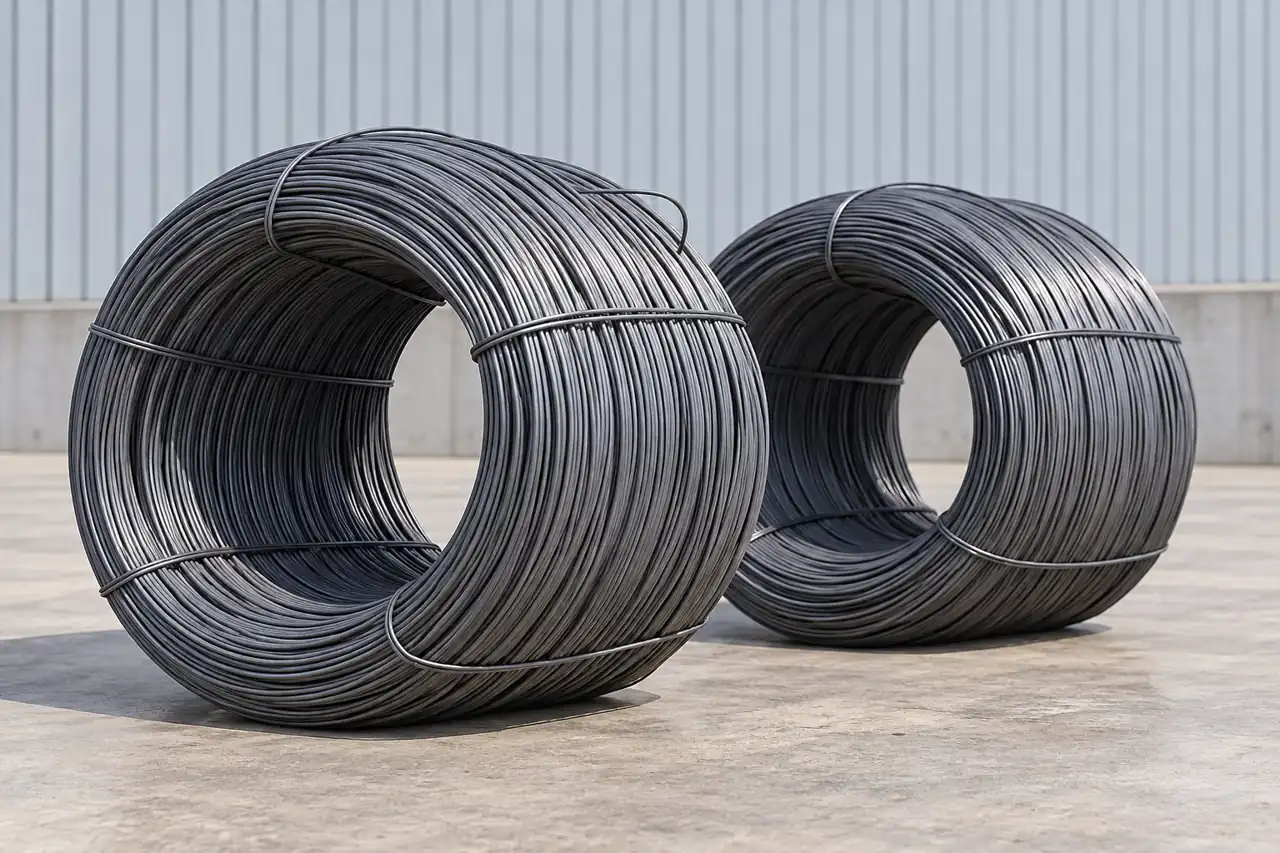
State that no further drawing is planned
Tell the supplier that the wire must arrive at the finished feed diameter and accepted condition. Identify any operations your factory will still perform. This prevents an offer intended for a buyer with drawing equipment from being mistaken for material that can be loaded directly into your nail-making process.
Define diameter by the machine and nail schedule
Provide the required wire diameter and tolerance alongside the nail drawing or schedule. Keep the wire feed size separate from the finished nail dimensions. A product page’s broad diameter range does not establish that each size is currently available or that a proposed wire will feed correctly in your machine.
Confirm the delivered material condition
Ask the supplier to identify the low-carbon material and actual drawn or treated state in the offer. State relevant surface and forming requirements for your process. A grade reference alone cannot establish how the wire will behave during feeding, heading and cutting, so keep the accepted condition connected to the trial.
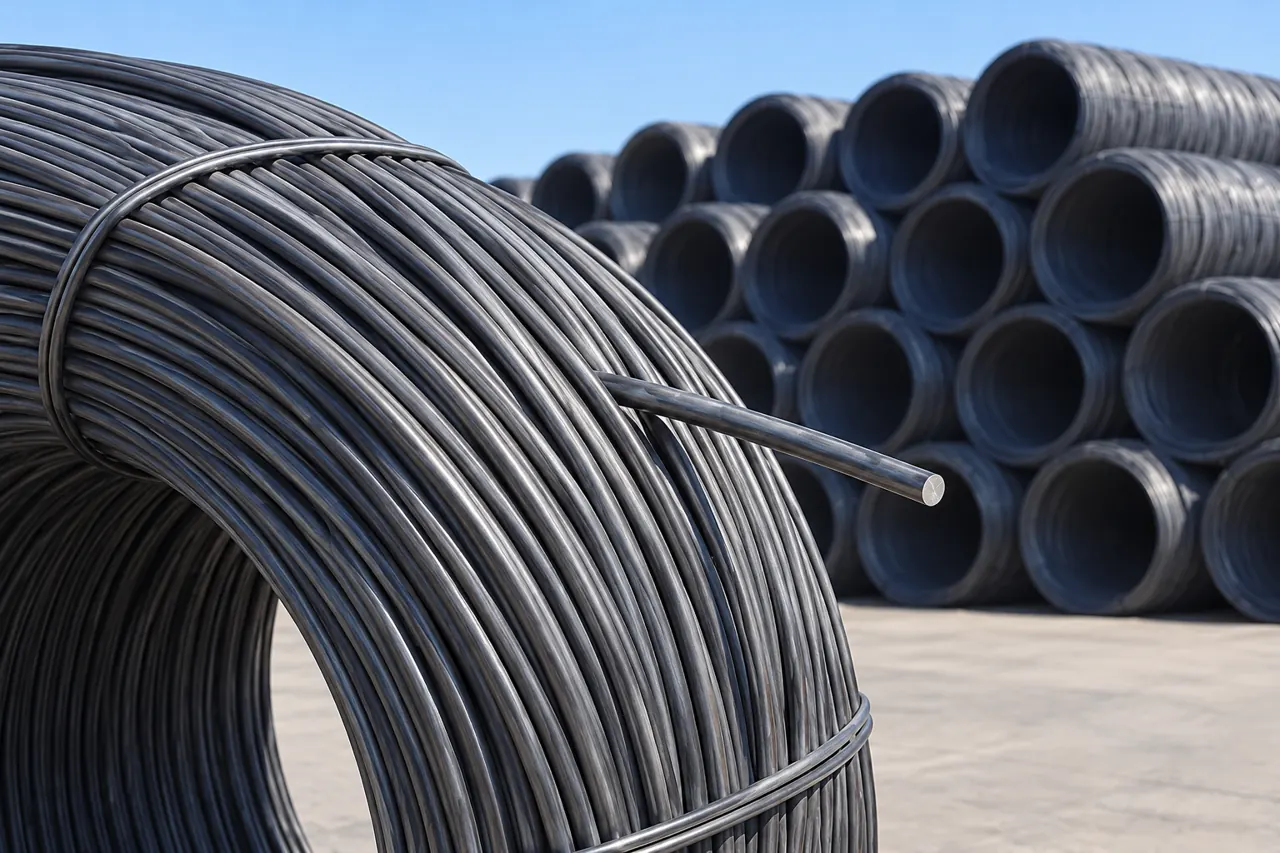
Match the coil to the payoff system
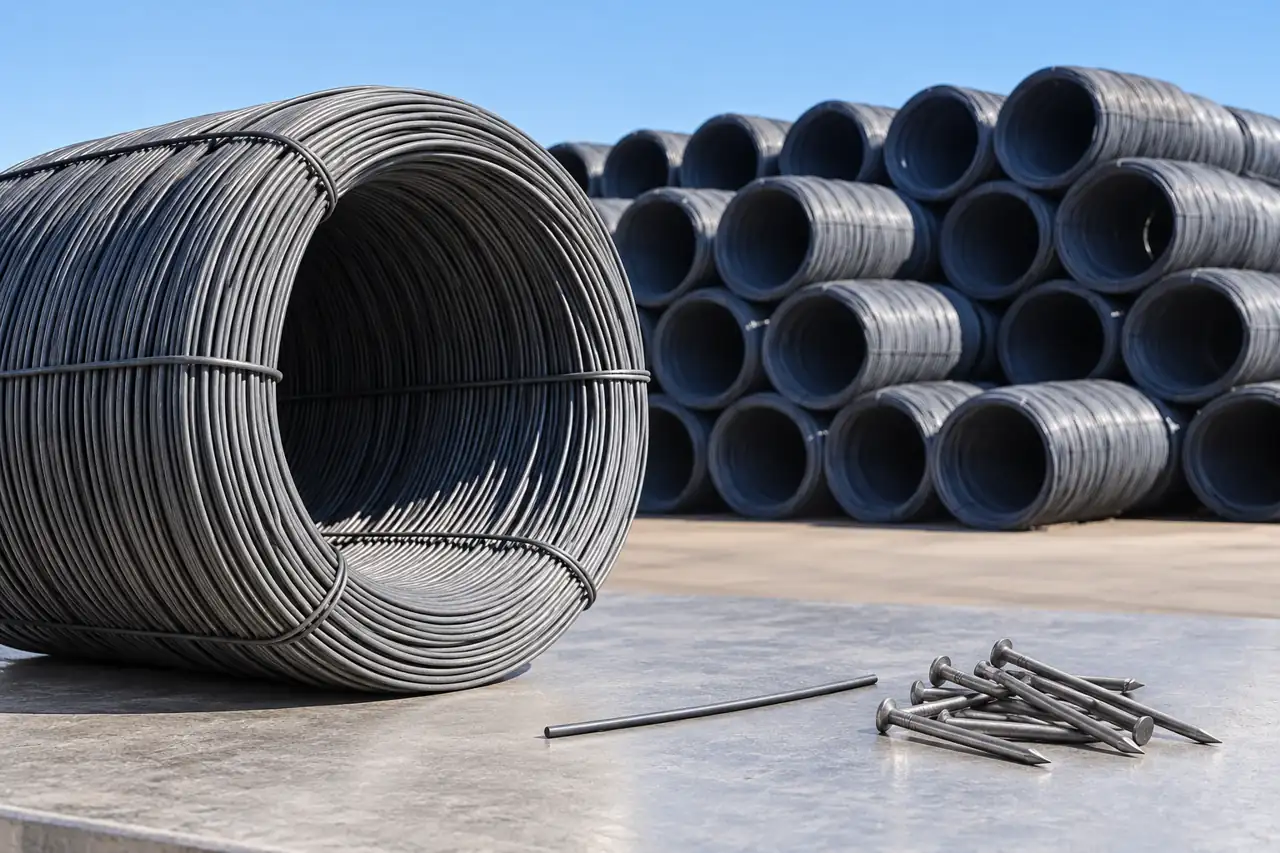
Provide the accepted coil weight, opening, outside envelope, winding and tie arrangement. Include free-end access and any handling limits. A wire can meet diameter requirements and still interrupt production when its coil format does not match the factory’s payoff and feed arrangement.
Trial wire through the real nail-making route
Use representative sample wire in the intended equipment and record the sample identity and machine conditions. Inspect the produced nails against the approved drawing, including the features your process must control. A short length that bends easily by hand cannot replace a trial of the actual feeding and forming route.
Connect wire inspection with nail acceptance
Agree the incoming wire checks and the finished-nail criteria before the trial. Keep both records together, with any process adjustments clearly noted. This helps separate an unacceptable wire condition from a machine or tooling issue and defines which exact supplied wire was accepted for the intended production route.
Protect feed condition through receiving
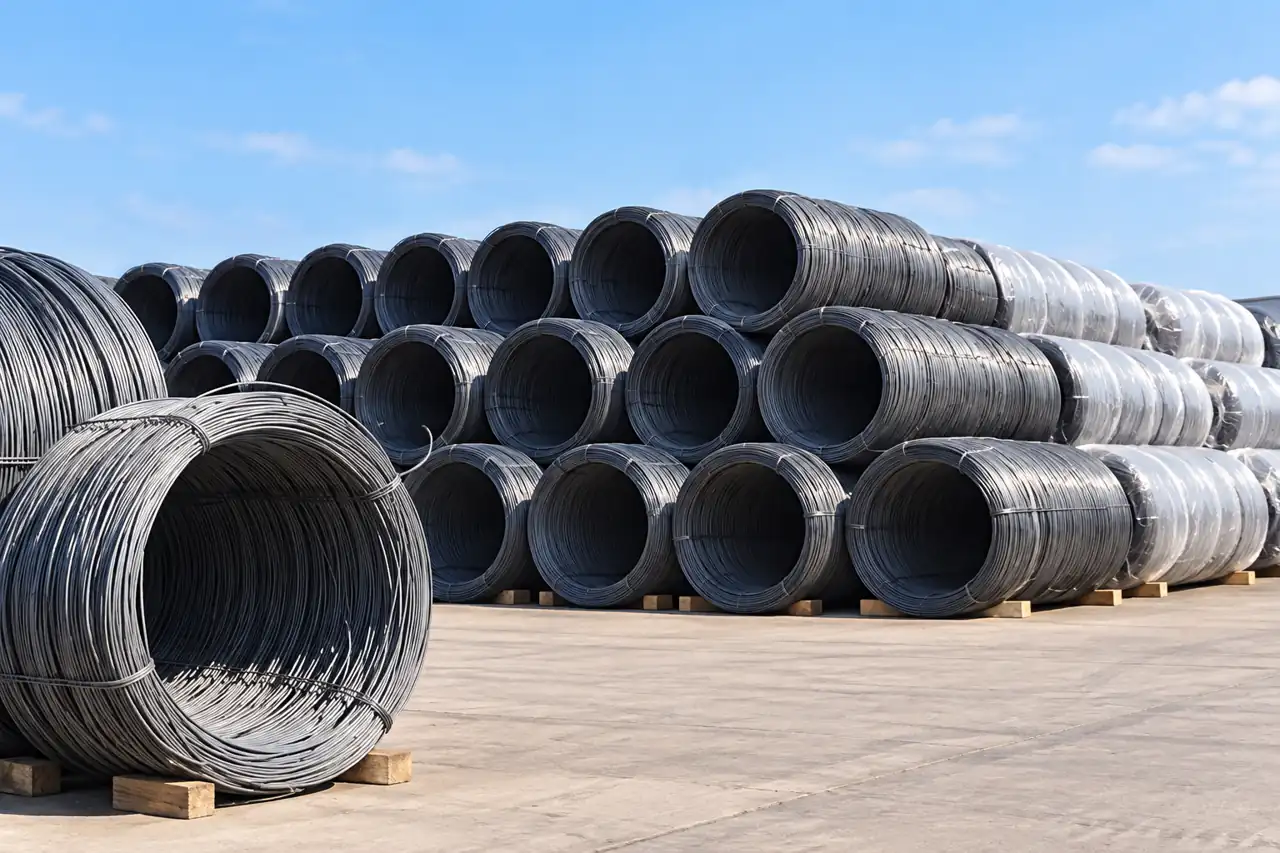
Confirm the actual wrapping, coil securing and identification for the route and storage period. Keep wire sizes and lots distinguishable after delivery. The receiving process should catch damaged coils and uncertain identity before wire reaches the machine, rather than relying on appearance or a generic coil description.
Quote finished wire on a complete basis
Request quantities by finished diameter and coil format. Compare the supplied condition, inspection evidence and package alongside price. Confirm sample terms, minimum quantities and scheduling in the actual offer; our catalogue’s nail-making reference does not establish a universal ready-to-run specification for every machine.
Send a ready-to-feed wire enquiry
Share the machine details, feed diameter, nail schedule and accepted material condition. Add coil limits, trial quantity, inspection needs and destination. We can discuss the drawn-wire catalogue candidate and confirm the actual offer before your factory evaluates it through the intended nail-making process.