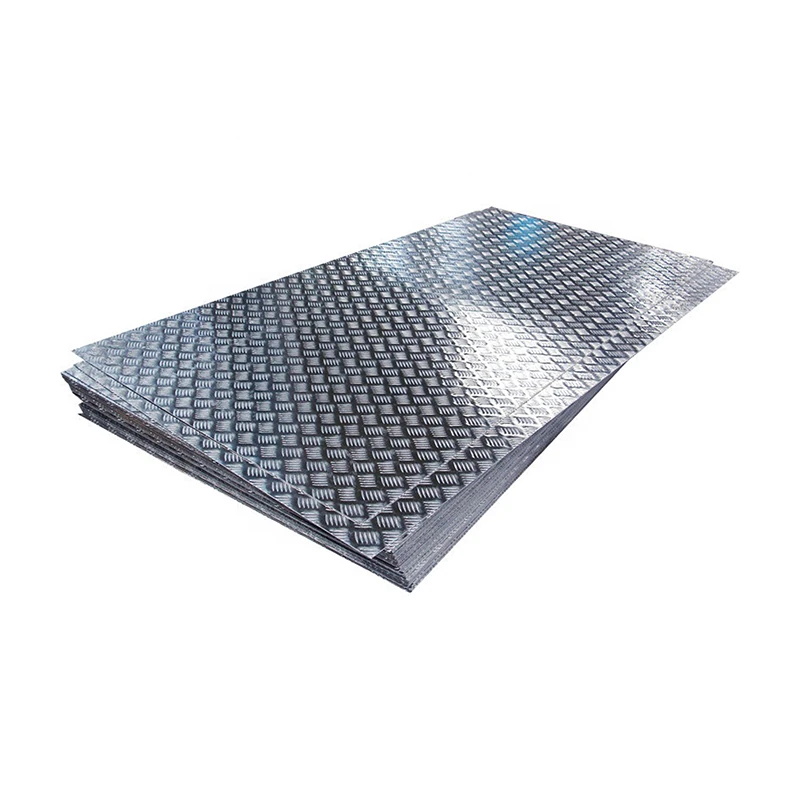
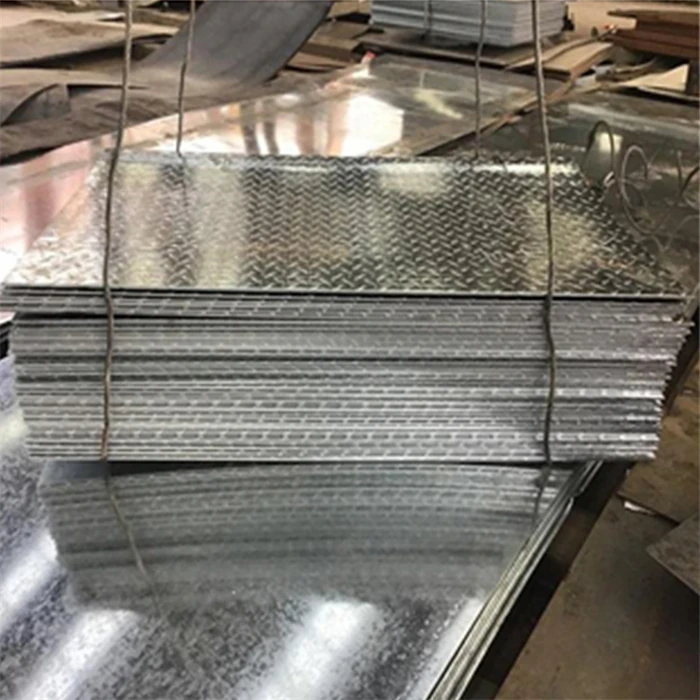
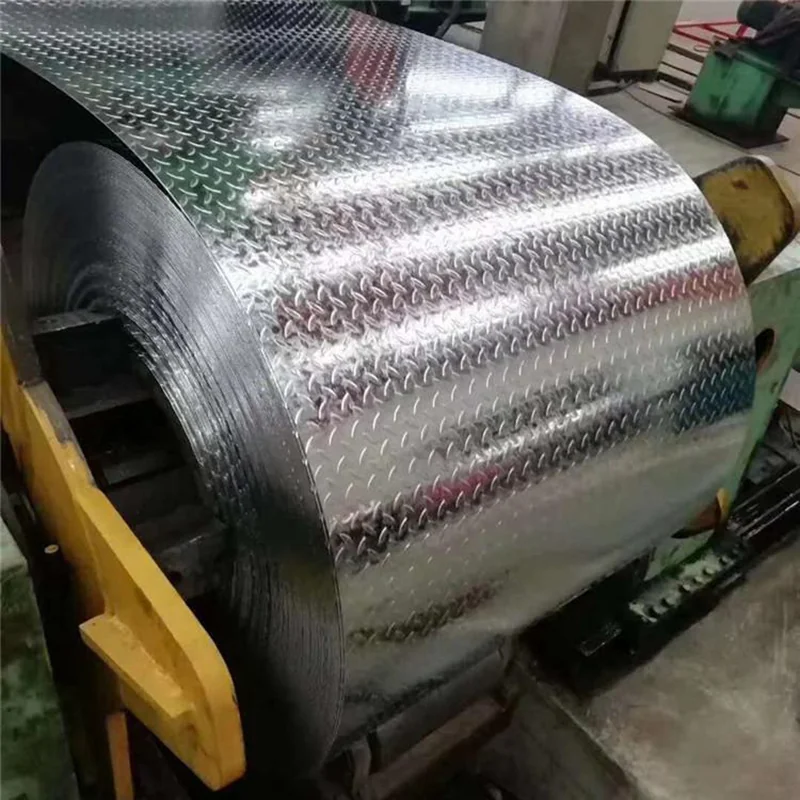
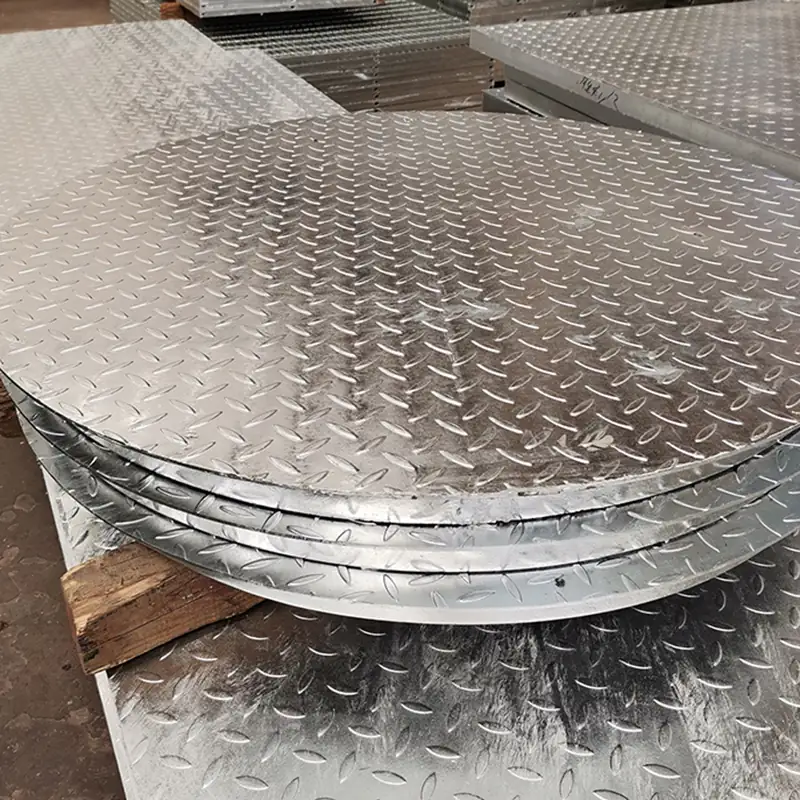
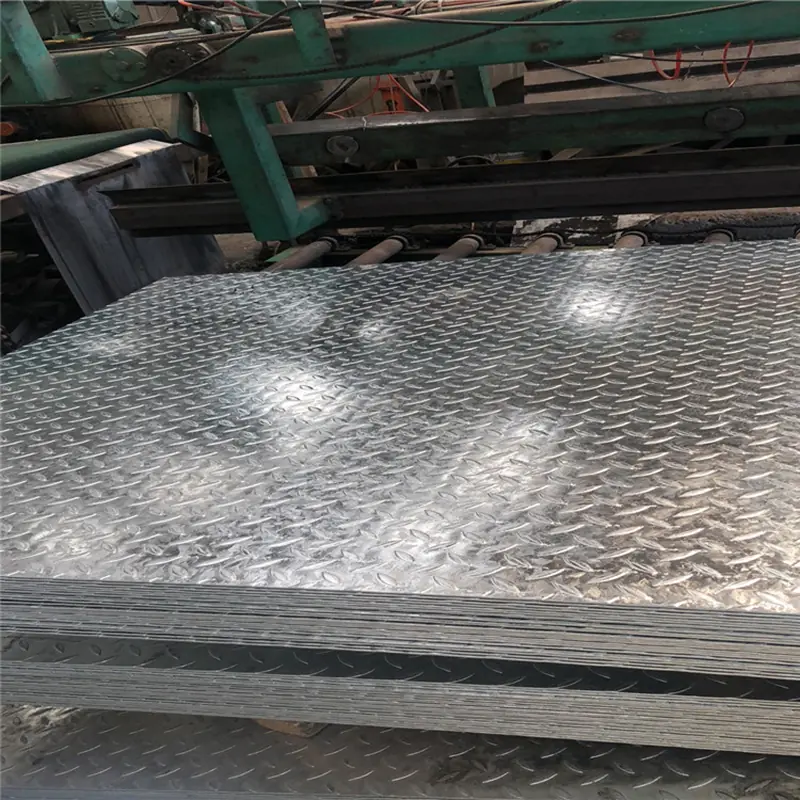
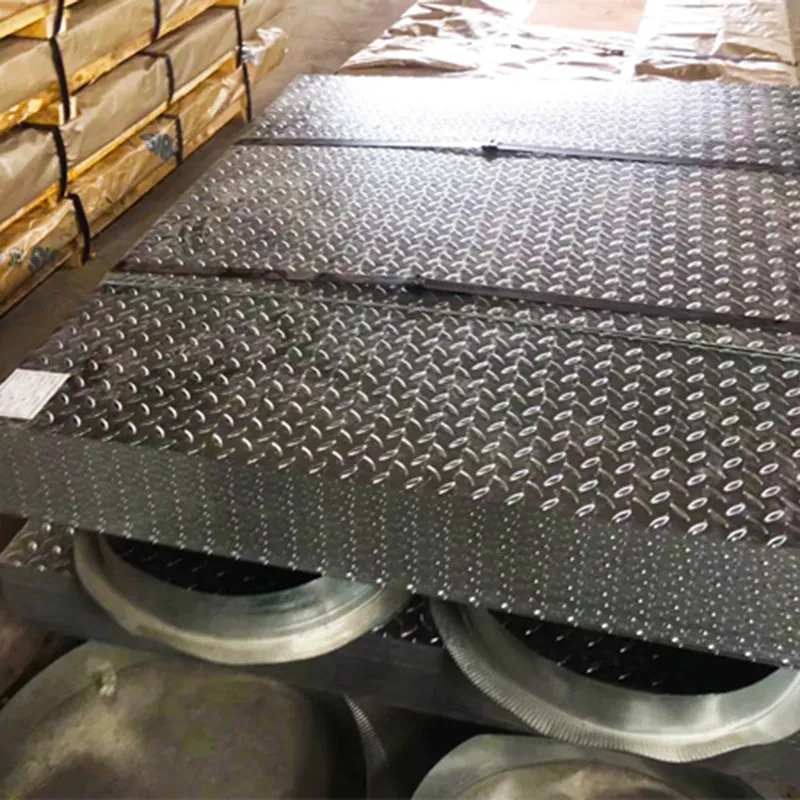
Chequered Steel Plate for Platforms and Stair Treads
For platform and tread material, specify chequered plate by base thickness, pattern and material identity against the project drawing. We list checker-plate enquiry options. Send the engineer-approved requirements and supply dimensions so an offer can be assessed without treating a raised pattern as proof of load capacity or slip performance.
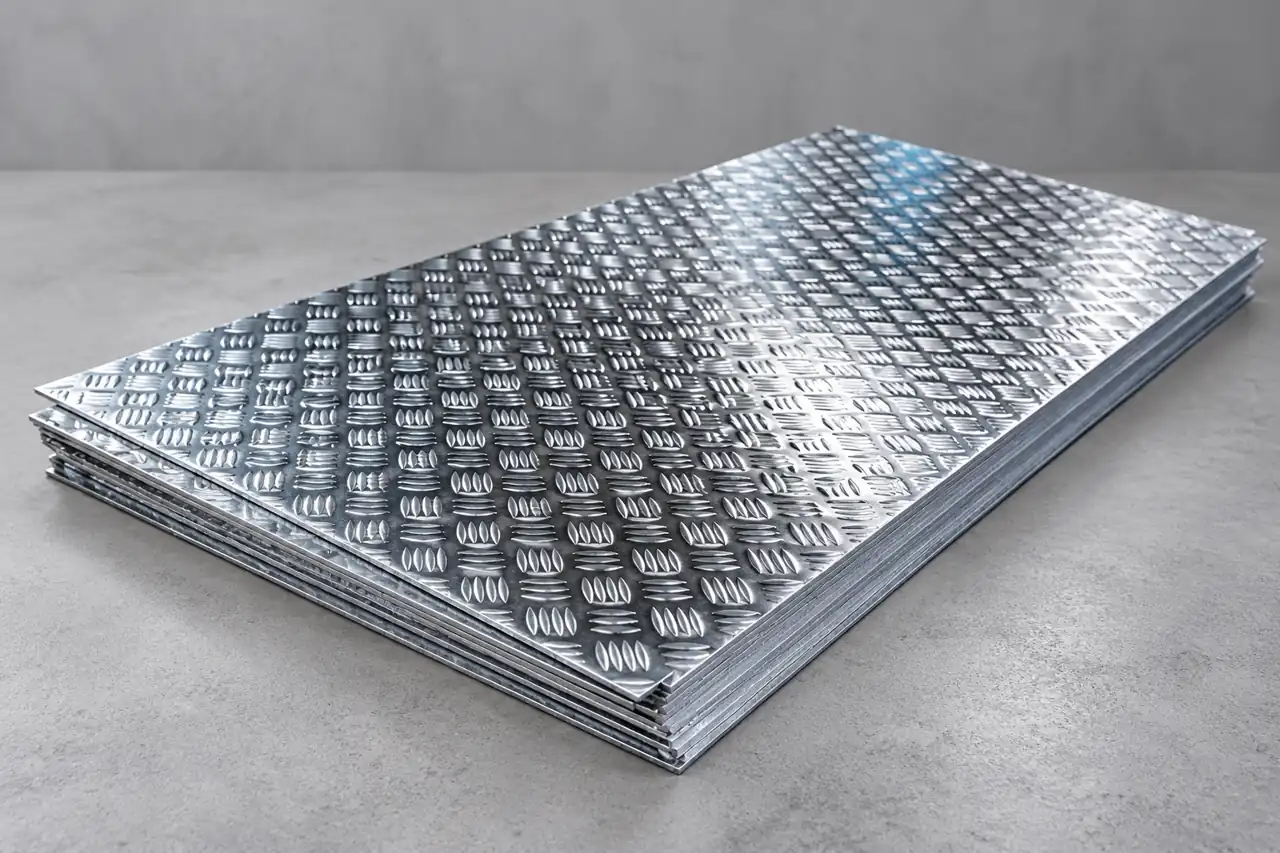
The project design defines the plate requirement
Identify the drawing revision, component location and material schedule before requesting a quotation. Keep structural design, support spacing and any slip-performance criteria with the responsible designer. This article concerns material procurement; the presence of a chequered surface does not establish that a platform or tread assembly is approved.
Base thickness and raised pattern need separate descriptions
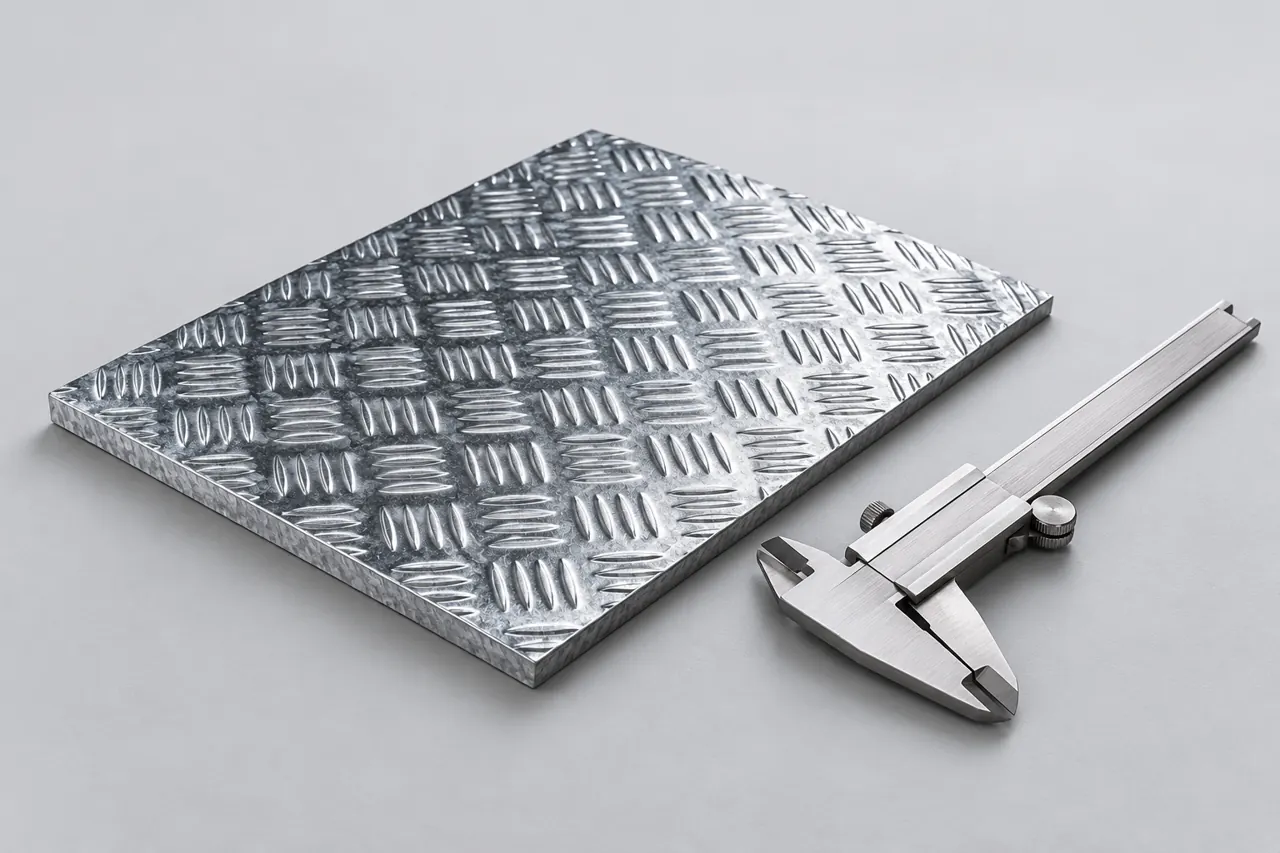
Write the thickness reference explicitly and describe the required raised pattern separately. Add the measurement method and tolerance where the project specifies them. A total reading over the pattern can be mistaken for the plate base, so buyer and supplier need the same dimensional basis before comparing offers.
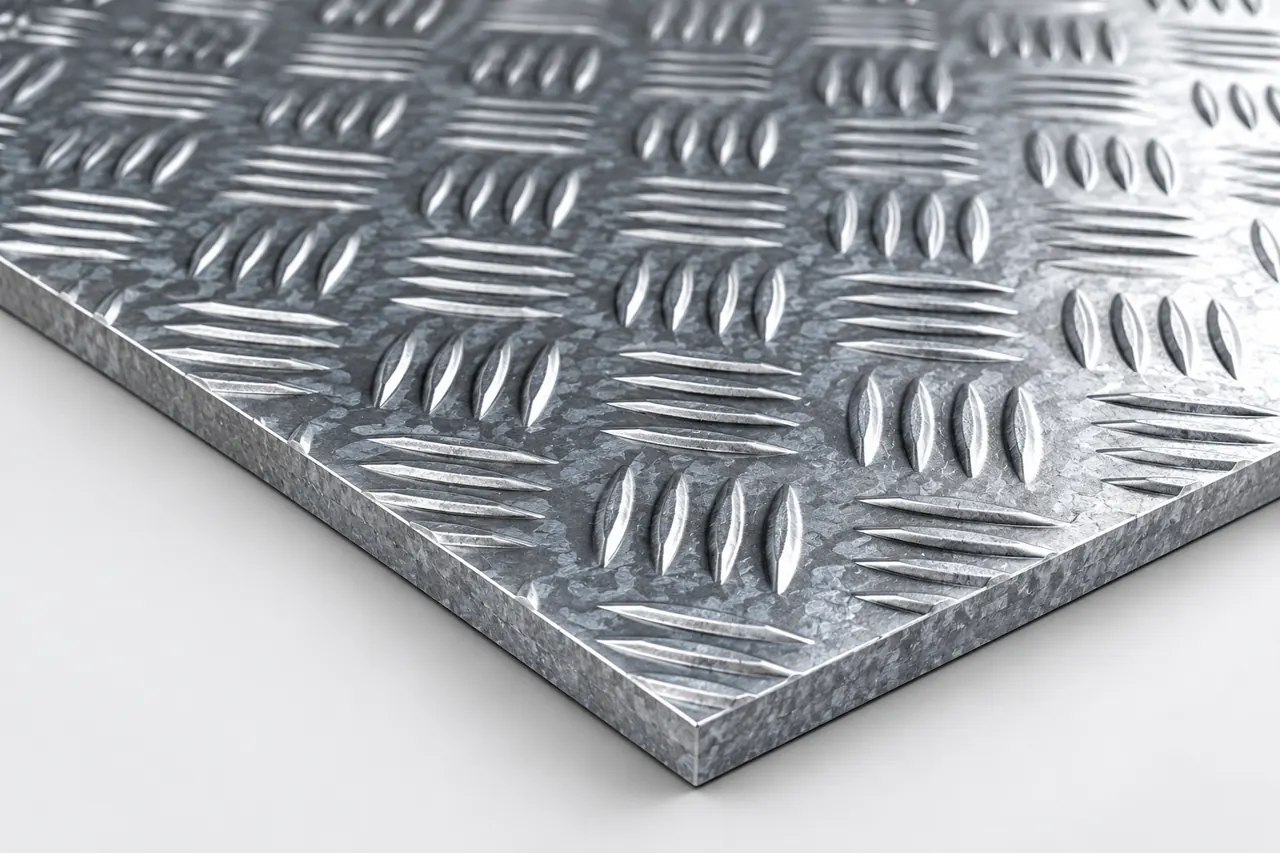
The sample should show the actual pattern and edge
Request a representative plate sample or clear product confirmation showing the offered surface and supply condition. Use the edge to discuss thickness and the face to discuss pattern. Keep material records separate from that visual review; a photograph cannot verify the grade or the project’s mechanical requirements.
Sheet dimensions and blank dimensions are different scopes
State whether you need full sheets or drawing-based pieces. For blanks, include length, width, shape and any hole or edge requirements, and ask which processing is included. Do not assume a material listing includes cutting, drilling, bending or installation simply because the intended application is a stair tread.
Acceptance should compare material and geometry independently
Check the supplied material identity and available batch records against the order. Inspect dimensions and pattern using the agreed methods. If the project requires further performance evidence, ask for the relevant test or design document rather than using a neat raised pattern as the acceptance criterion.
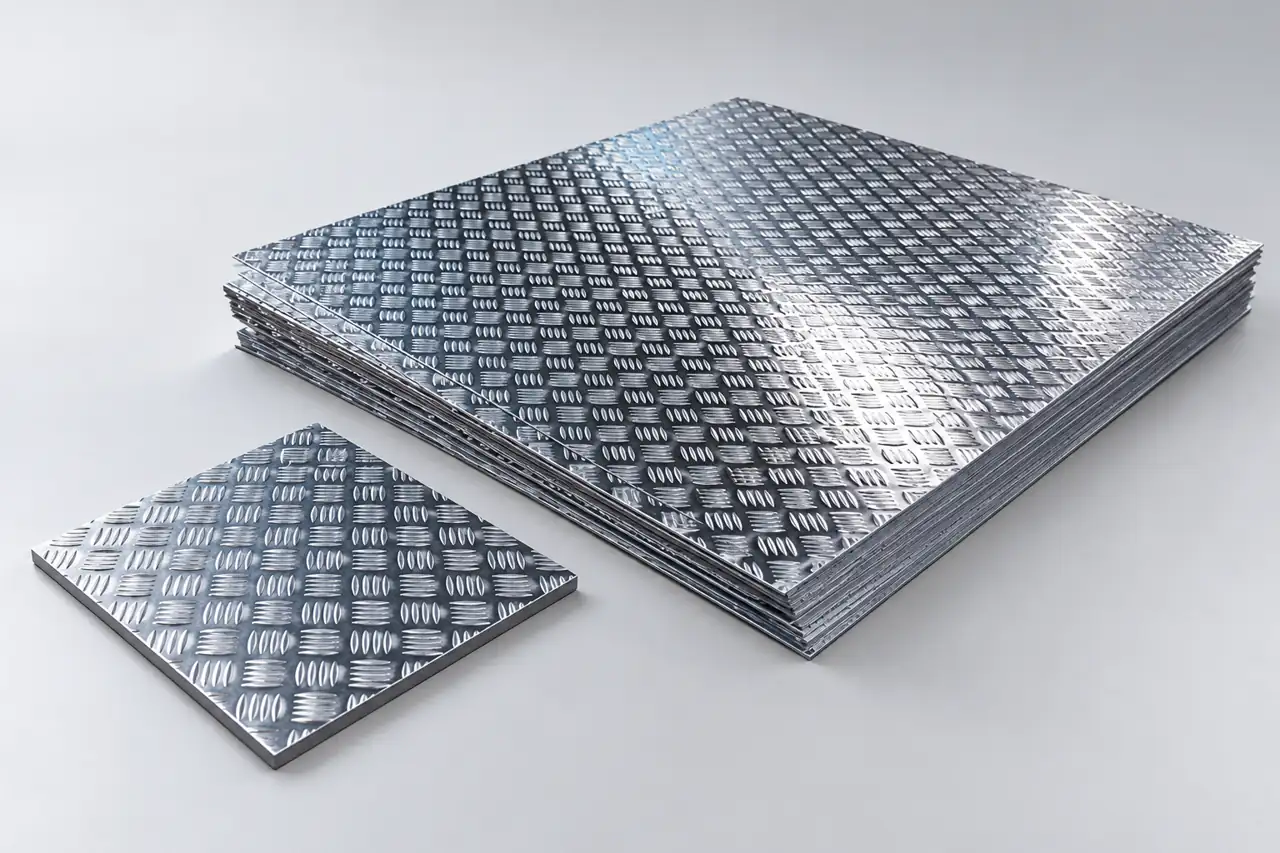
The supplier review should define the delivery item
Confirm the actual material offer, manufacturing or sourcing relationship and inspection records available for it. Our wider catalogue provides industrial material candidates; project-specific fabrication needs separate scope confirmation. Make the delivered item clear enough that the site team knows whether it is receiving sheets, numbered blanks or finished components.
Packing should preserve piece identification
For a project schedule, agree the mark needed to match each sheet or blank to the packing list. Separate different thicknesses or materials and confirm edge protection and bundle arrangement. State quantity in the purchase unit used by the project, with any mass-based comparison kept on the same specification basis.
A discrepancy record should retain the thickness basis
If the received plate differs from the order, record the measured location, method and unit along with the piece identification. Preserve photographs of both the pattern and the edge. This prevents a complaint based on one thickness definition from being compared with an offer based on another.
Send the approved plate schedule for quotation
Provide the material designation, base-thickness definition, pattern and supply dimensions. Add the drawing revision, piece quantities, processing needs and required records. We can discuss the listed checker-plate option and confirm the material and delivery scope for your project’s purchasing review.