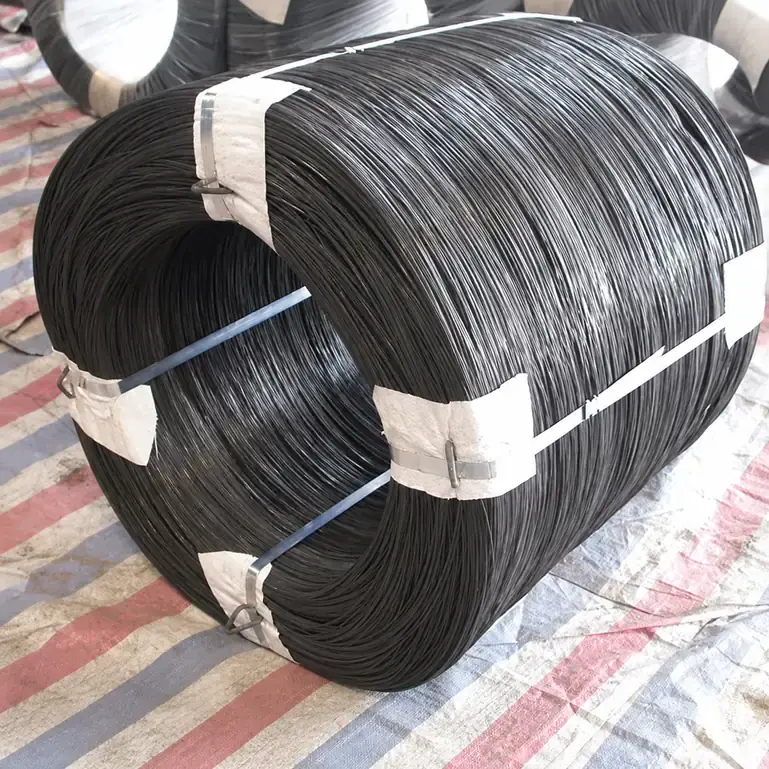
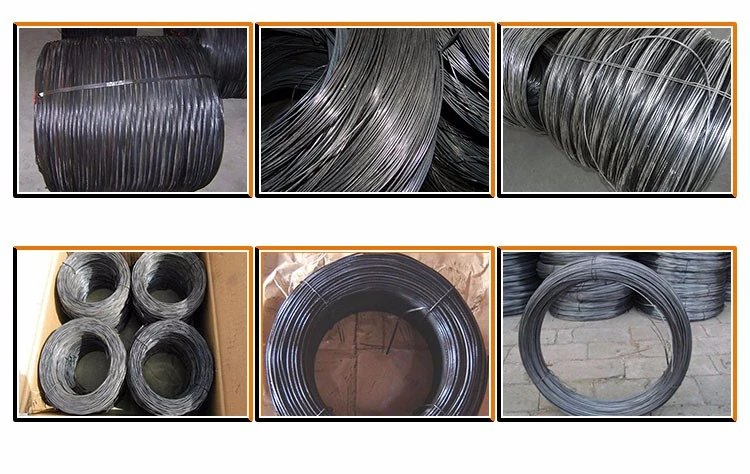
Wire Straightening and Cut-to-Length Enquiries for Forming Shops
Straight cut lengths can simplify feeding and handling in a forming operation, but length alone does not define the job. Send us the wire material, diameter, straightness requirement and end condition. We can review the enquiry against our wire catalogue and confirm the proposed material and processing responsibilities before an offer is agreed.
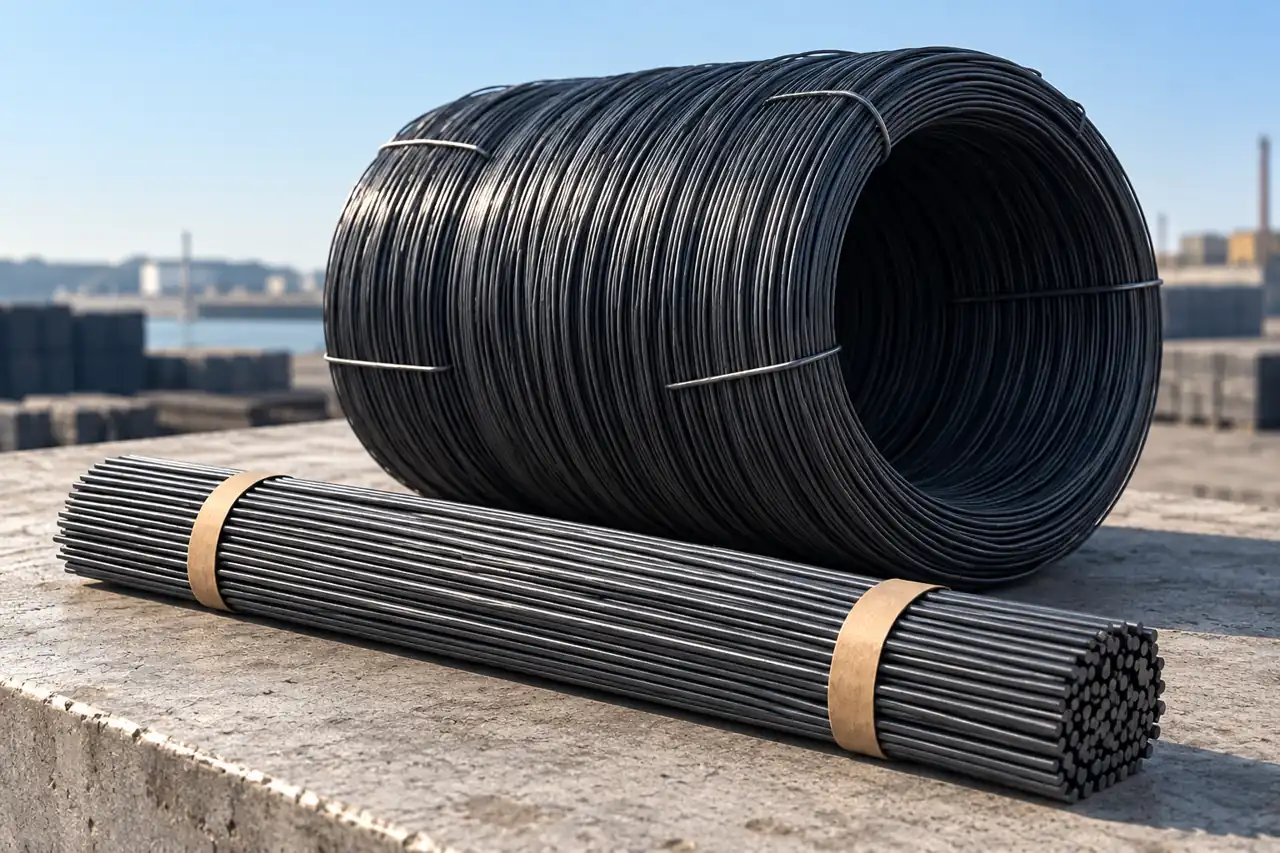
Set the material responsibility at the start
Tell us whether you want finished straight lengths supplied with the material, or processing of wire you already own. Those are different purchasing arrangements. The enquiry should identify who supplies and checks the incoming wire, who performs the work and who handles any material found unsuitable before processing.
Length and straightness need separate acceptance criteria
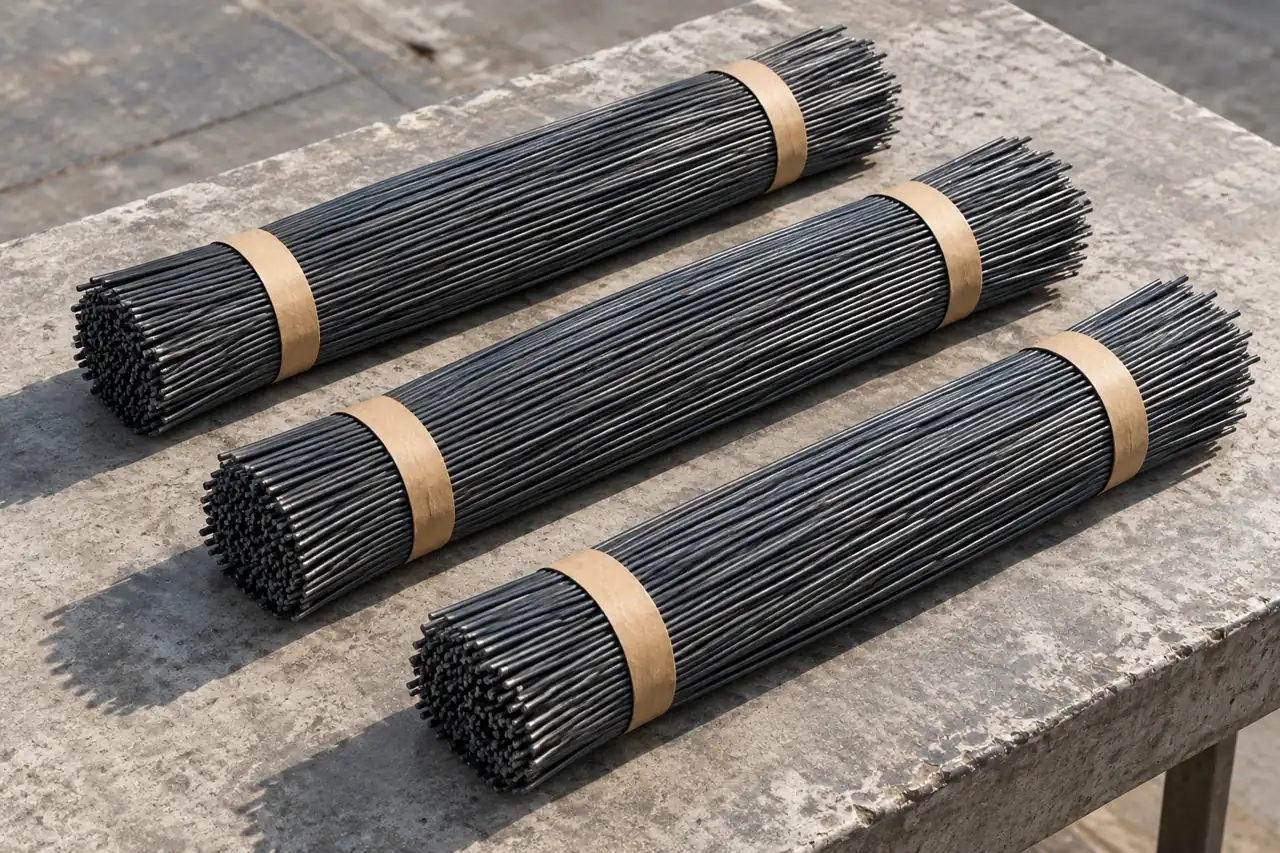
Describe the finished length, permitted variation and the way straightness will be assessed. Include the support or reference surface used during inspection. A bundle with aligned ends can still contain curved lengths, so the agreed check should reflect the way the wire enters your next operation.
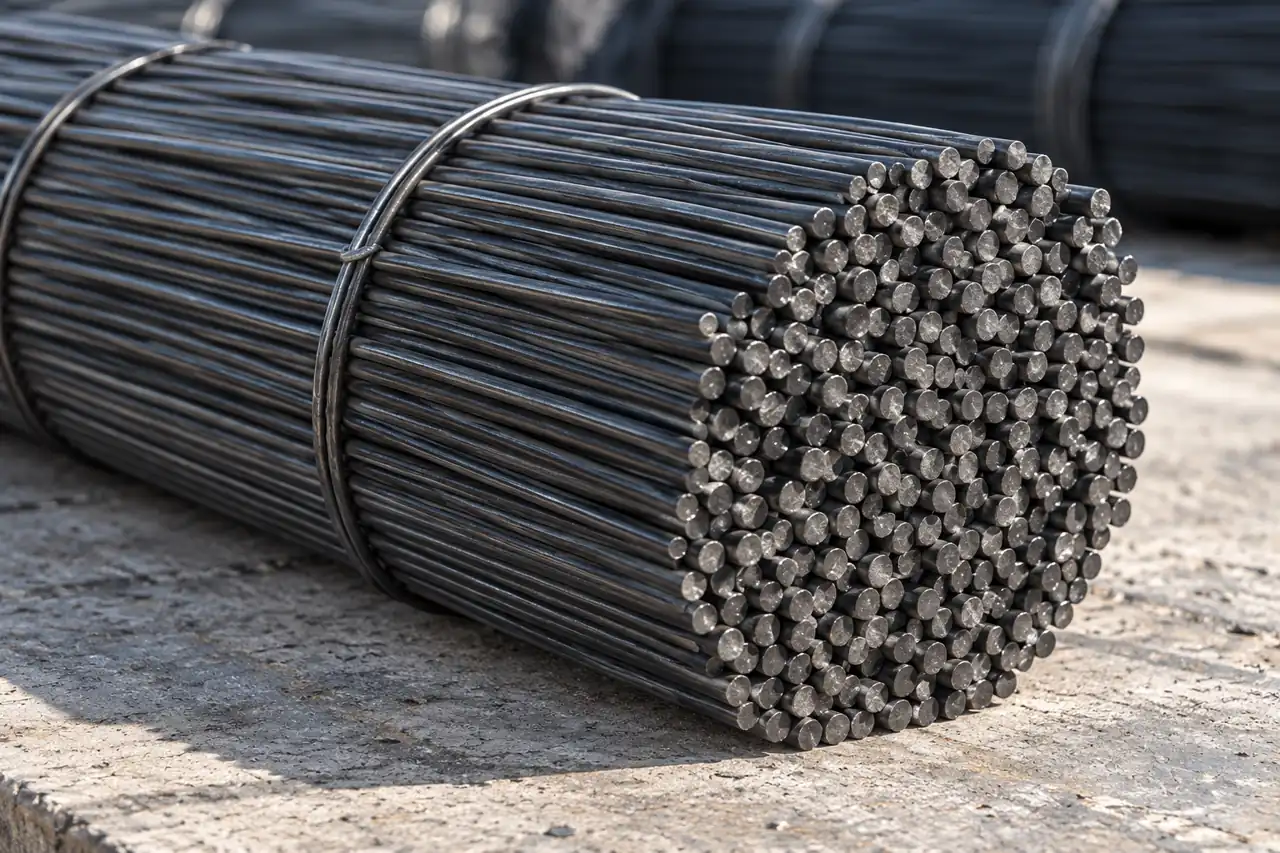
Wire condition influences the processing discussion
Provide the grade, diameter, surface condition and incoming coil information with the request. Note any coating or surface that must be protected. We should connect the processing proposal to the actual wire, rather than treating every material with the same diameter as an interchangeable straightening job.
End condition should suit the next operation
Tell us whether the ends will be fed, welded, bent or handled directly after delivery. Describe burr, deformation or surface restrictions that matter to that operation. Any additional end preparation belongs in the enquiry as its own requirement, with a method and acceptance basis to be confirmed.
Approve a representative first sample
A sample review should use the intended material and the same acceptance method planned for the batch. Record the sample identity, length checks, straightness observations and relevant end-condition findings. Keep that approval with the processing brief so a later material or method change is visible before further work.
Yield and rejected lengths belong in the agreement
For buyer-owned material, discuss how input quantity, finished output, rejected lengths and remaining wire will be recorded. Include handling of damaged incoming material and any proposed rework. A clear material account helps both teams assess the finished supply without leaving loss and scrap responsibility to the end.
Bundle protection carries the result to your receiving area
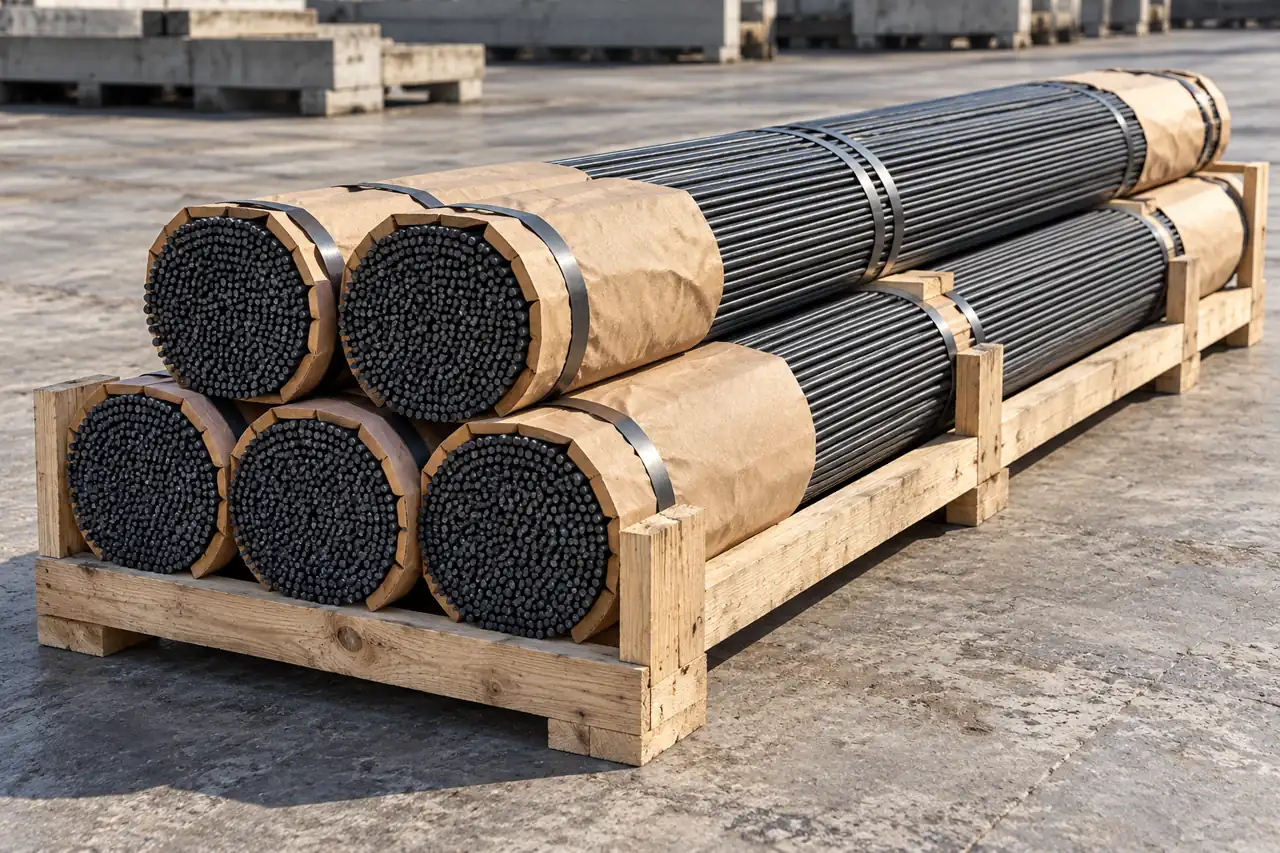
Specify the bundle arrangement, identification and support needed during handling and transport. Long pieces may need protection against bending; surfaces and cut ends may need separate attention. Discuss the packing with the finished length and destination so the receiving team can preserve the condition that was approved.
Compare quotations on the same finished scope
Keep material supply, processing, inspection, packing and any extra end preparation visible in the quotation. Confirm the quantity basis and the responsibilities attached to buyer-supplied wire. We can discuss these requirements with you; a coil or binding-wire listing alone does not establish an available customer-material processing service.
Send the finished-length brief with the wire reference
Send the product link or material specification, diameter, finished length, quantity and destination. Add the straightness check, end-condition requirements and your material-supply preference. Our team can review the request and confirm the relevant product, processing role and acceptance information needed for a specific offer.