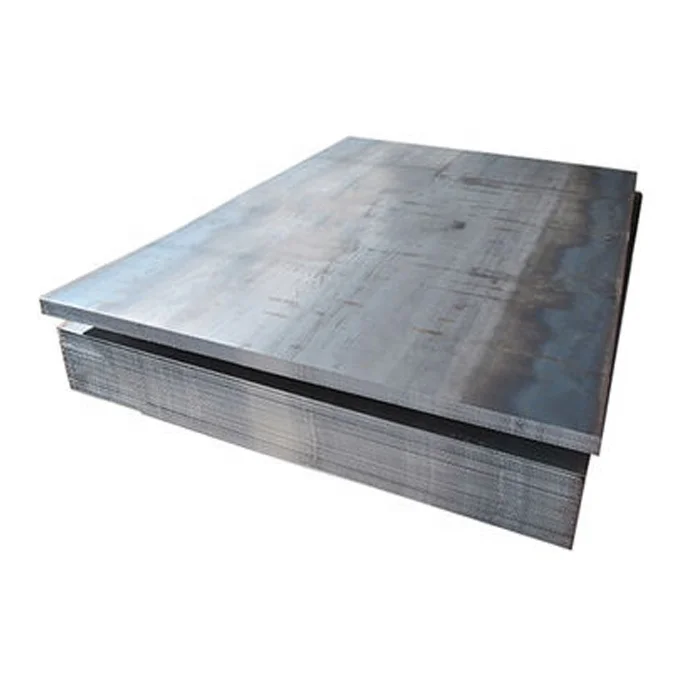
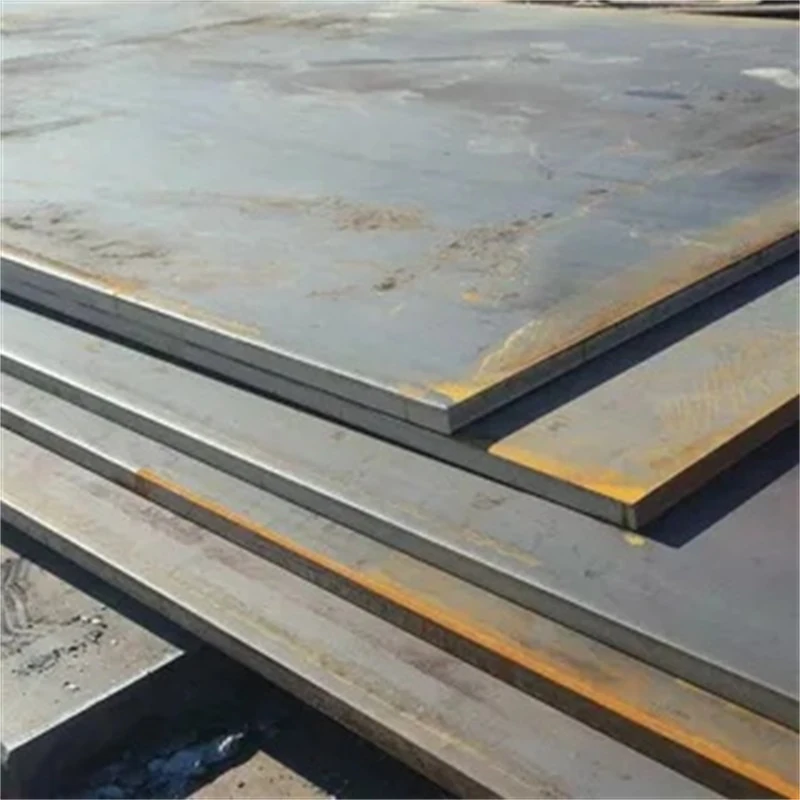
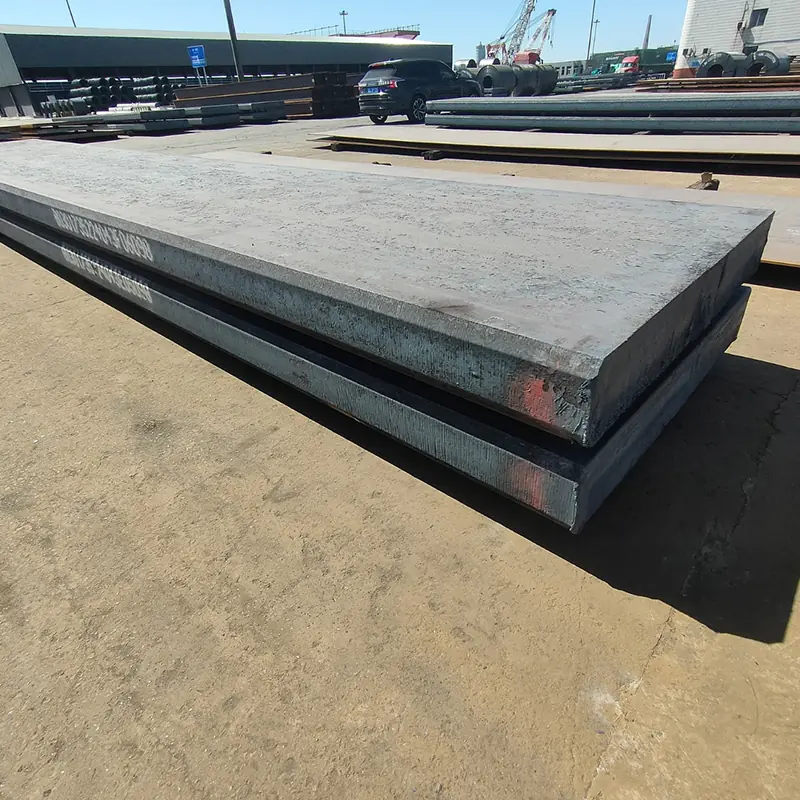
Steel Plate Supply with Drawing-Based Blank Cutting
Buying plate as cut blanks brings the material and the first processing step into one procurement brief. Send us the blank drawing, grade, thickness and quantity, together with the condition required for your next operation. We can review the plate enquiry and confirm the actual material-supply and cutting scope before a quotation is agreed.
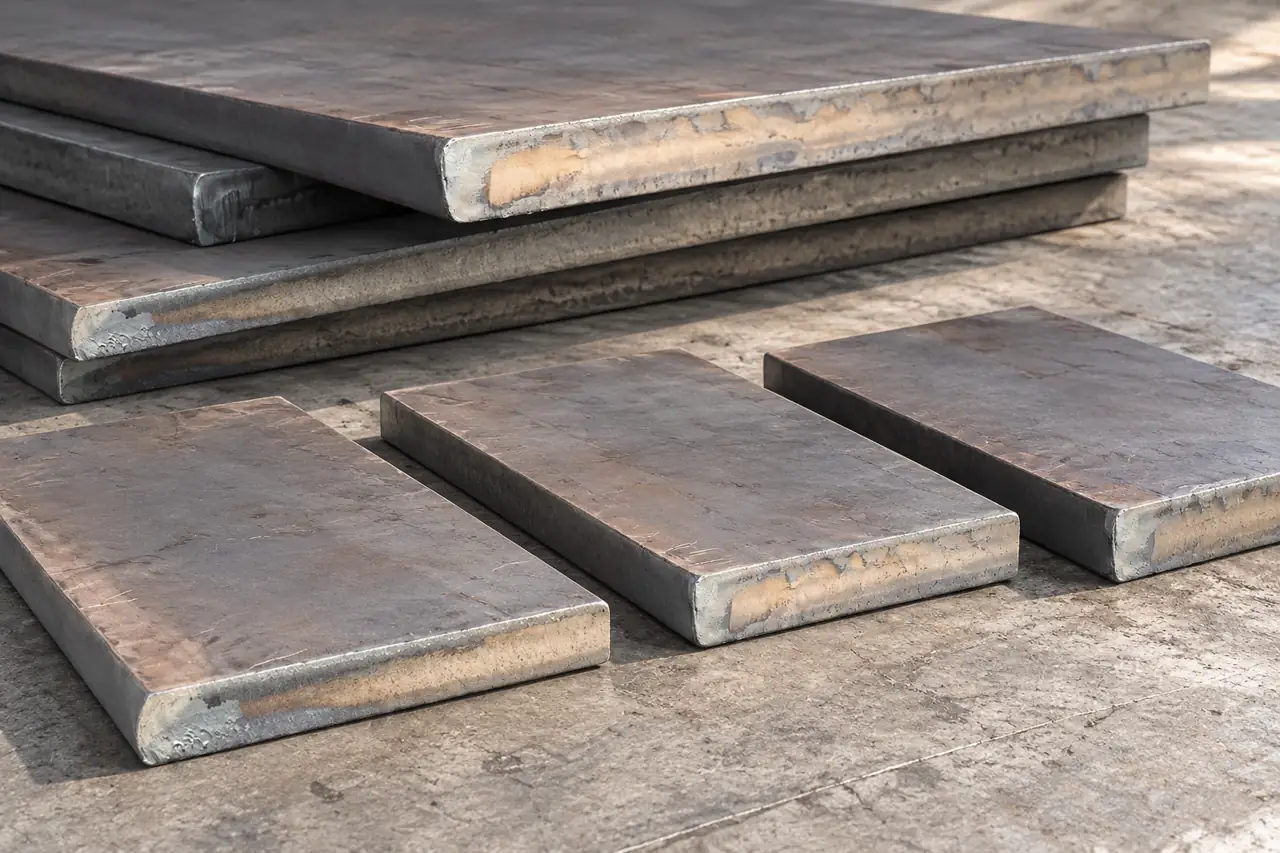
Separate the blank dimensions from the finished part
State whether the drawing describes the delivered blank or a part that will be machined afterward. Identify any required machining allowance and the surfaces it applies to. The cutting enquiry should have its own accepted dimensions, rather than leaving the supplier to infer the blank from a finished-component drawing.
Material identity stays with the cutting request
Give the plate grade, standard or specification, thickness and supplied condition, together with any document requirements. Keep proposed material alternatives separate. If one order covers several materials, identify them by blank reference so a similar rectangle does not lose its material identity during handling or packing.
The cut edge must suit the next operation
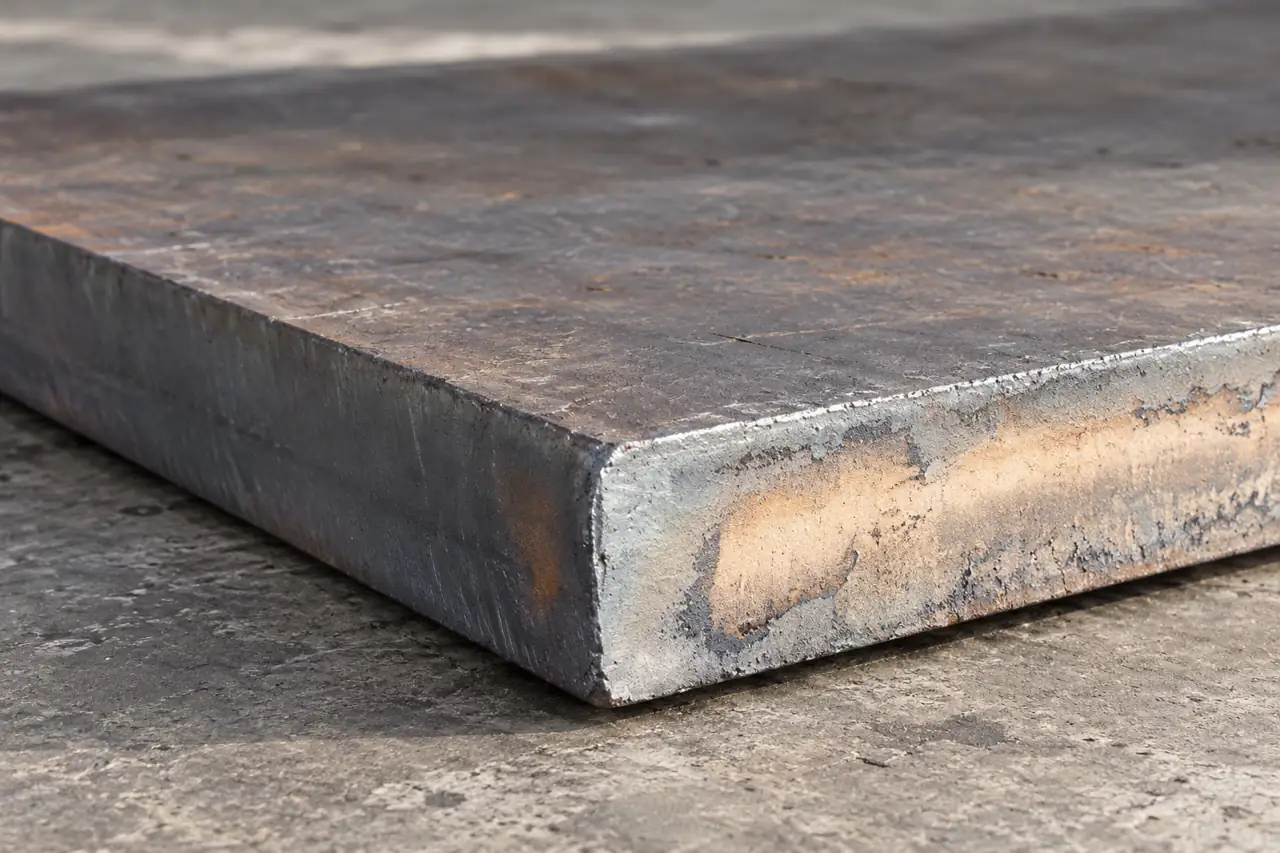
Describe the edge condition your machining, welding or assembly process needs. Include relevant restrictions on burr, dross, distortion or heat-affected material. Discuss the proposed cutting method against those requirements, with any extra edge work identified separately instead of assumed to be part of a general plate price.
Dimensional checks belong to a defined blank
Specify the dimensions, shape and flatness characteristics that control acceptance, along with the way they will be assessed. Include the drawing revision and the condition in which the blank is checked. A nominal plate thickness or an approximate weight is not a substitute for the delivered blank's agreed acceptance criteria.
A first blank can settle the inspection approach
Where a first-piece review is agreed, use it to check the actual blank against the proposed material and cutting requirements. Record any accepted deviation before the remaining quantity is released. Keep the approval with the blank reference, so both teams can distinguish a confirmed change from an unnoticed difference.
Traceability connects the source plate to the blanks
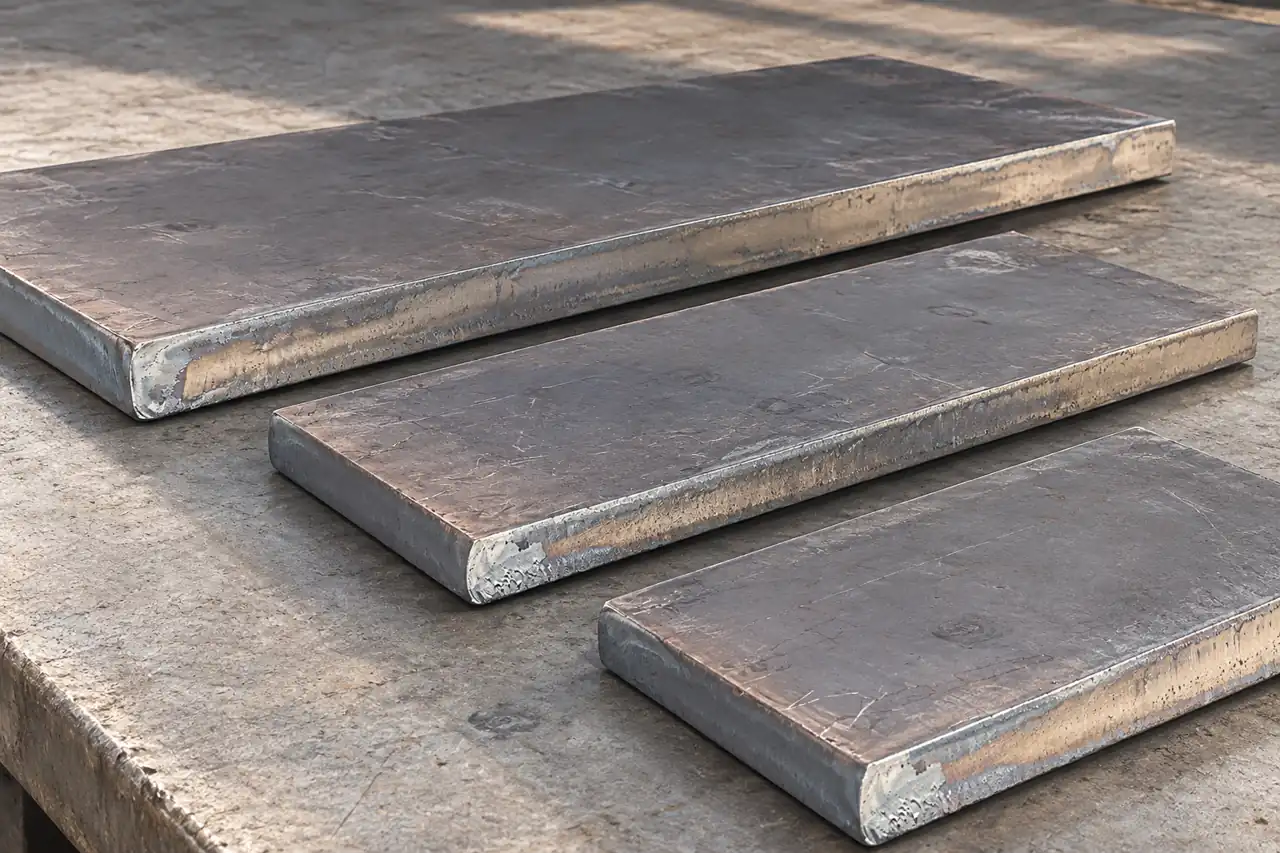
Define the identification needed to connect each blank or bundle to the material records required by your order. Agree how identity will be transferred after cutting and maintained through packing. For mixed-grade or mixed-thickness work, that relationship matters more than simply keeping all of the pieces together on one pallet.
Packing should support weight and identification
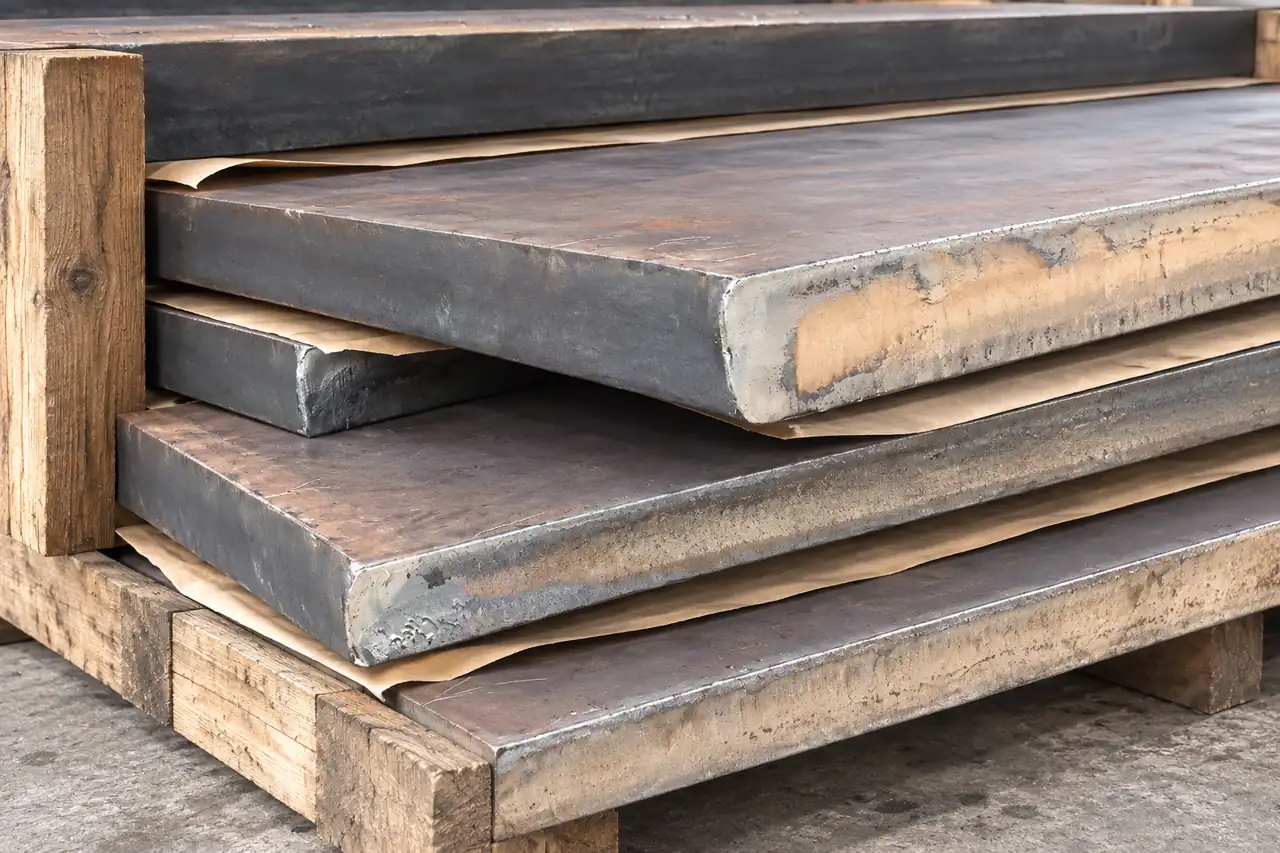
Share unloading and handling constraints with the quantity and destination. Discuss suitable support, separation and identification for the proposed blanks, including protection of any sensitive face or edge. A clear packing list helps your receiving team distinguish visually similar items and check the shipment against the order.
Review material and processing as one commercial scope
Keep plate supply, cutting, inspection, any added edge work and packing visible in the offer. Confirm the actual manufacturing or supply role and how remaining material is treated where relevant. Our plate catalogue supports a material discussion; the cutting method, availability and responsibilities must be confirmed for the specific enquiry.
Send the material and blank requirements together
Send the blank drawing, material specification, thickness, quantities and destination. Add machining allowance, edge condition, inspection records and identification requirements. Our team can work through the request with you and confirm the actual supply and processing arrangement needed for a defined plate-blank quotation.