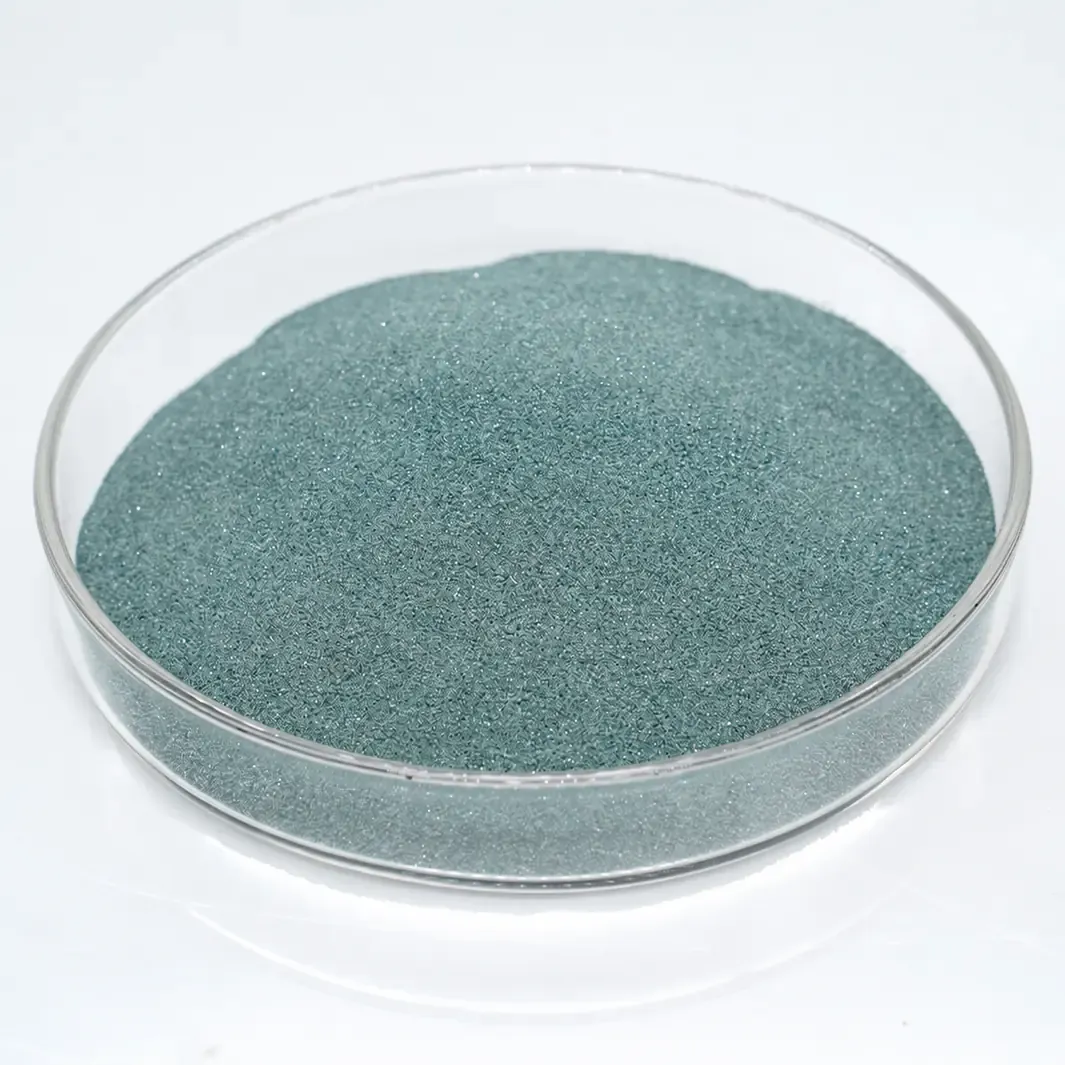
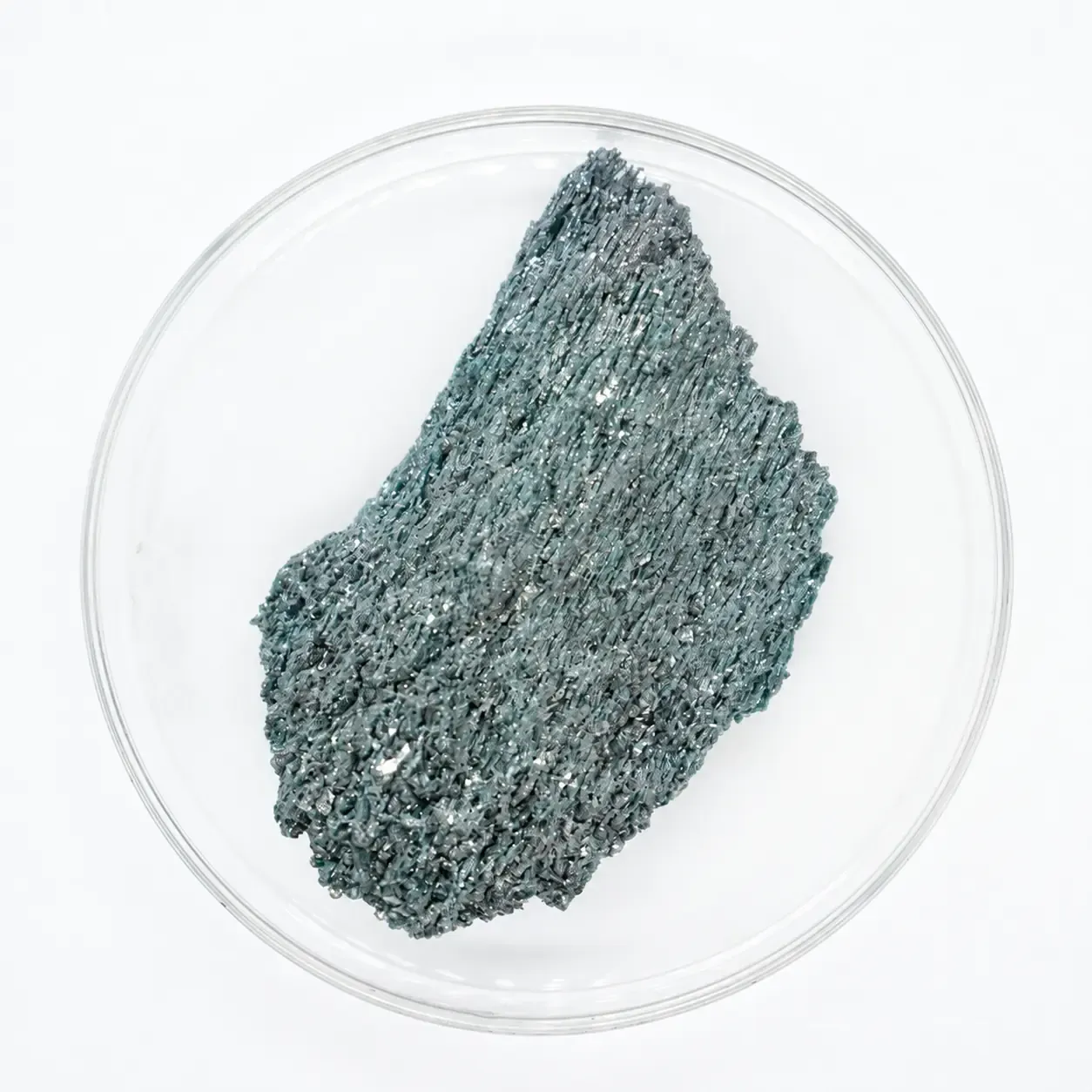
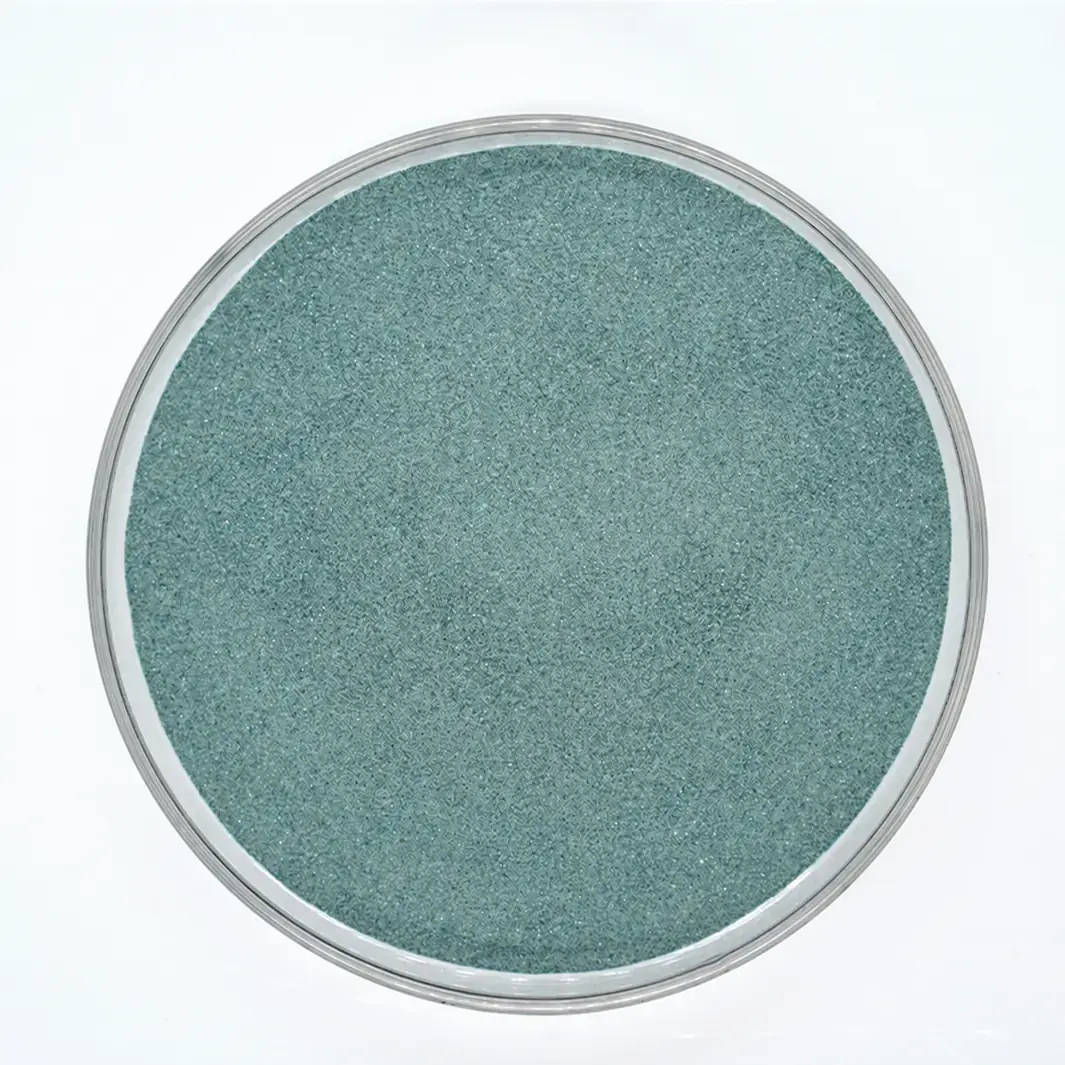
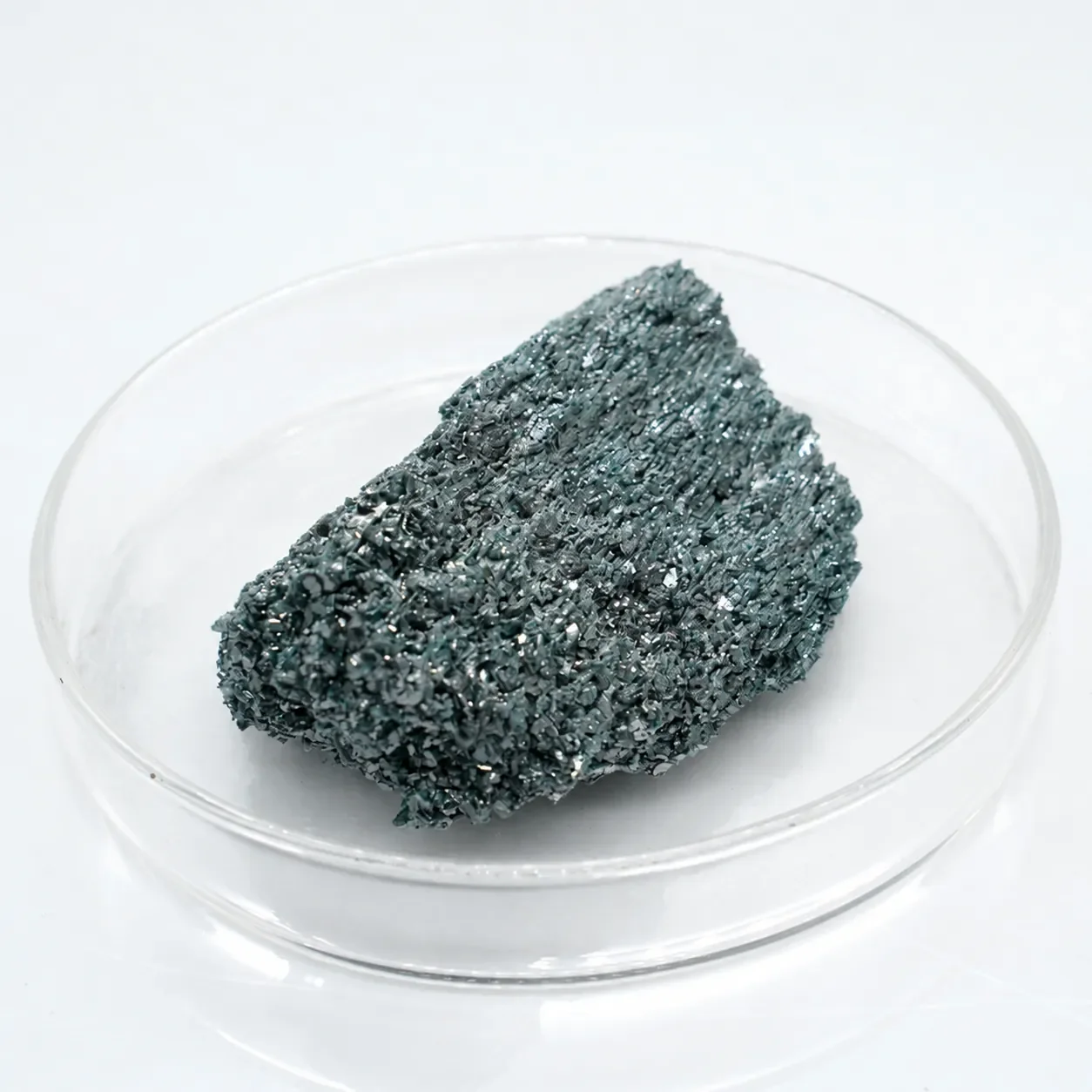
Silicon Carbide Abrasive Trials for Hard and Brittle Materials
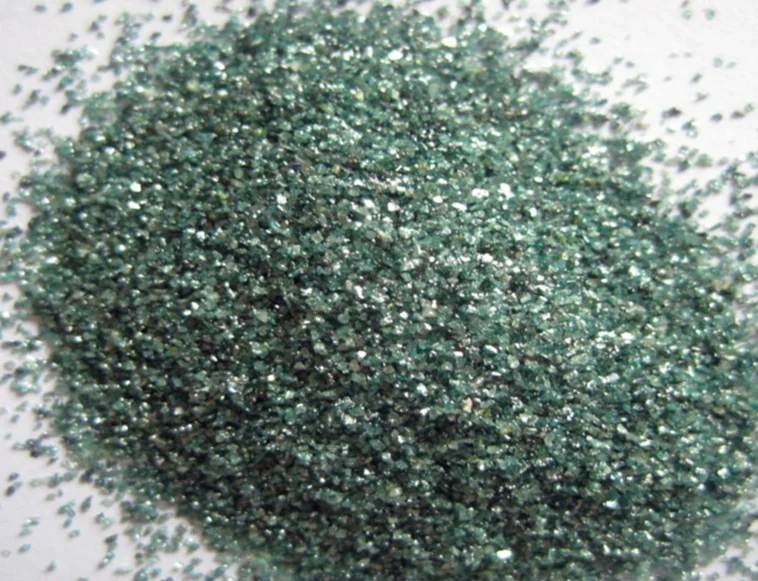
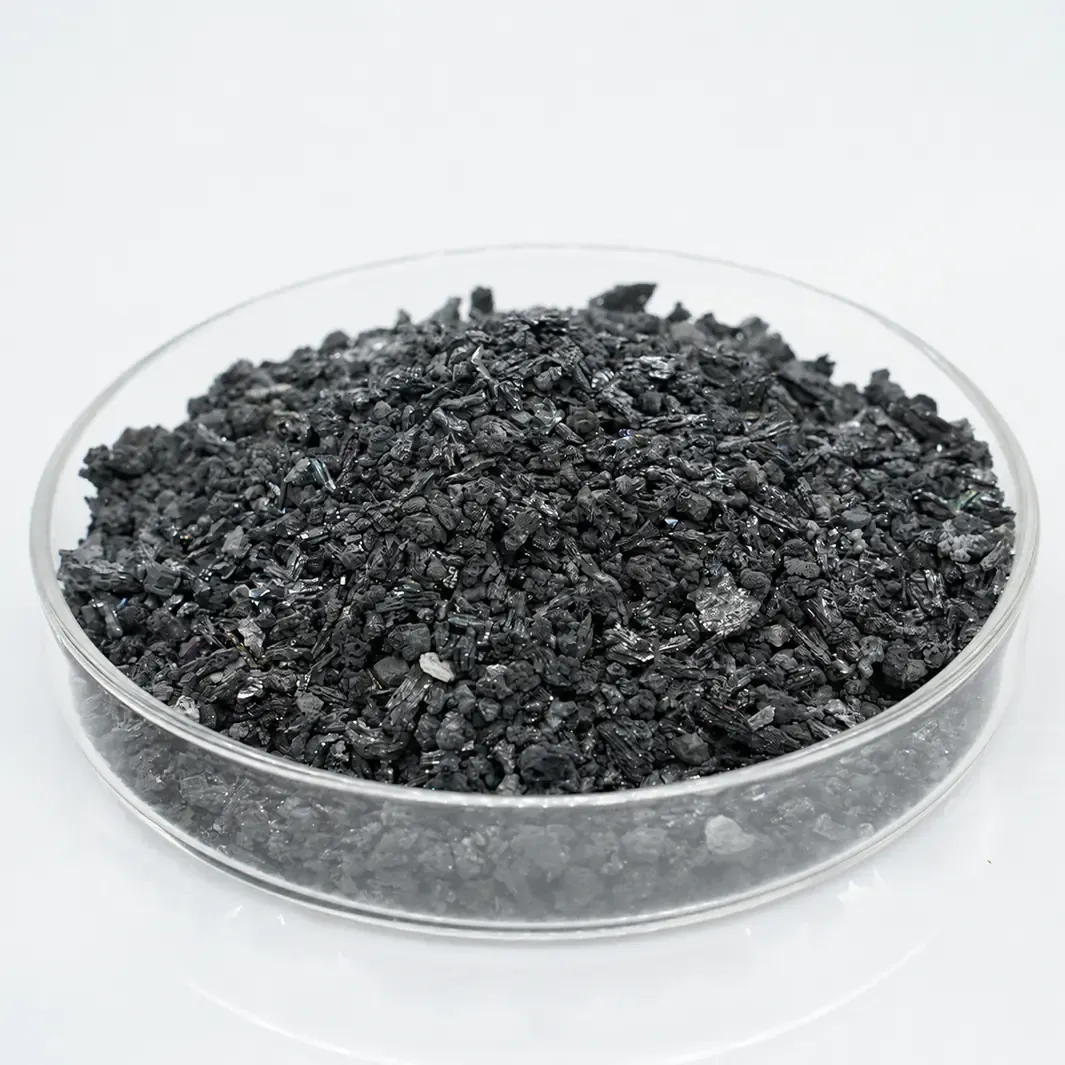
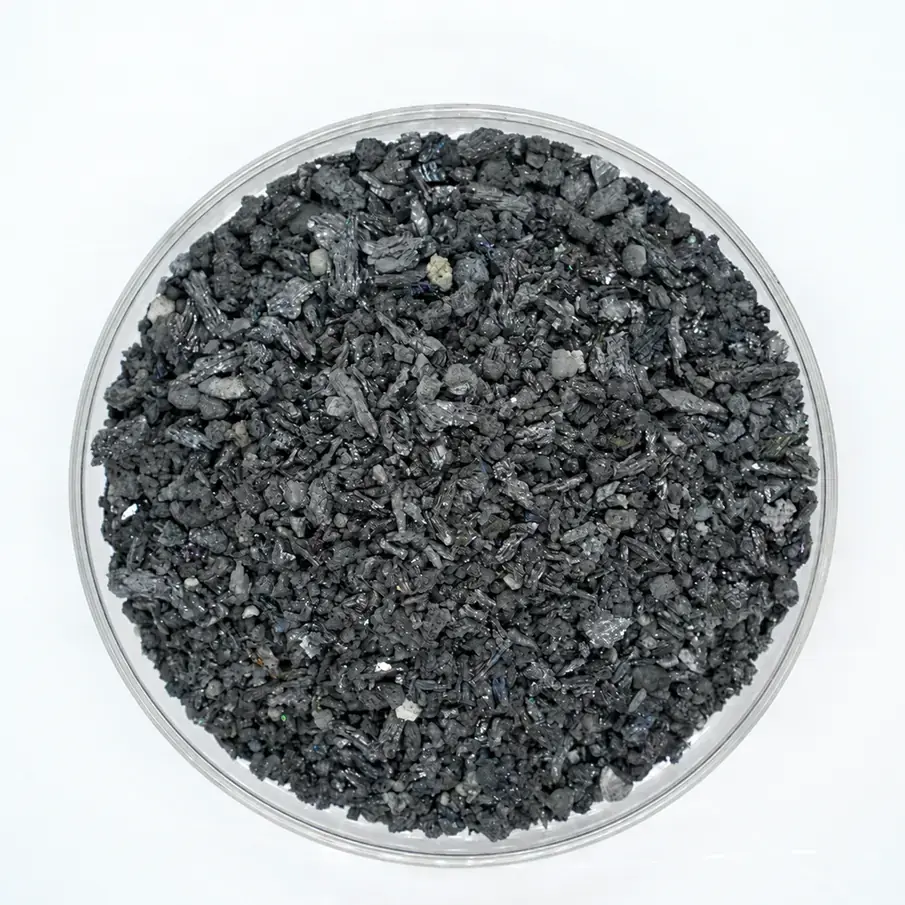
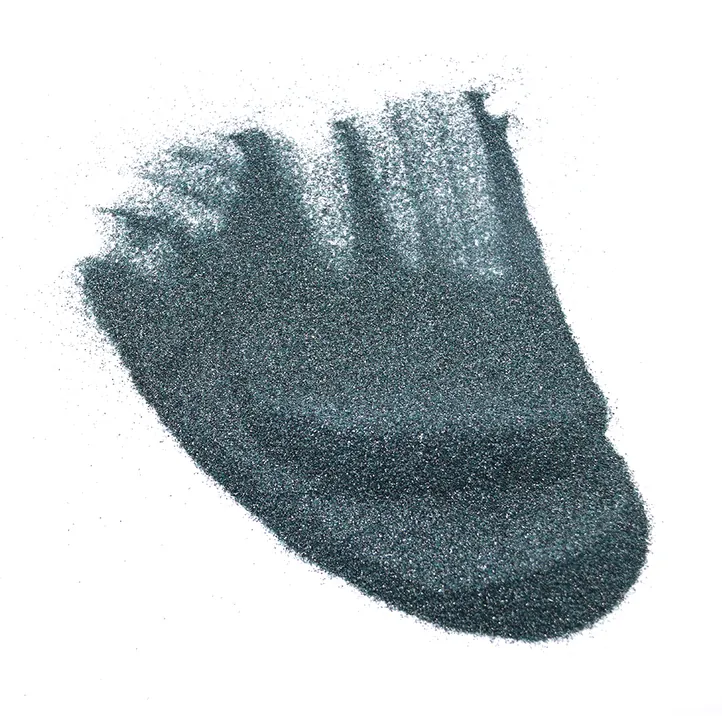
Choose a silicon-carbide abrasive through a trial that represents your work material and finishing operation. We list green and black SiC candidates, but colour and a grit label do not establish the right cut or finish. Define particle grading, contamination limits and the surface defects that the trial must detect.
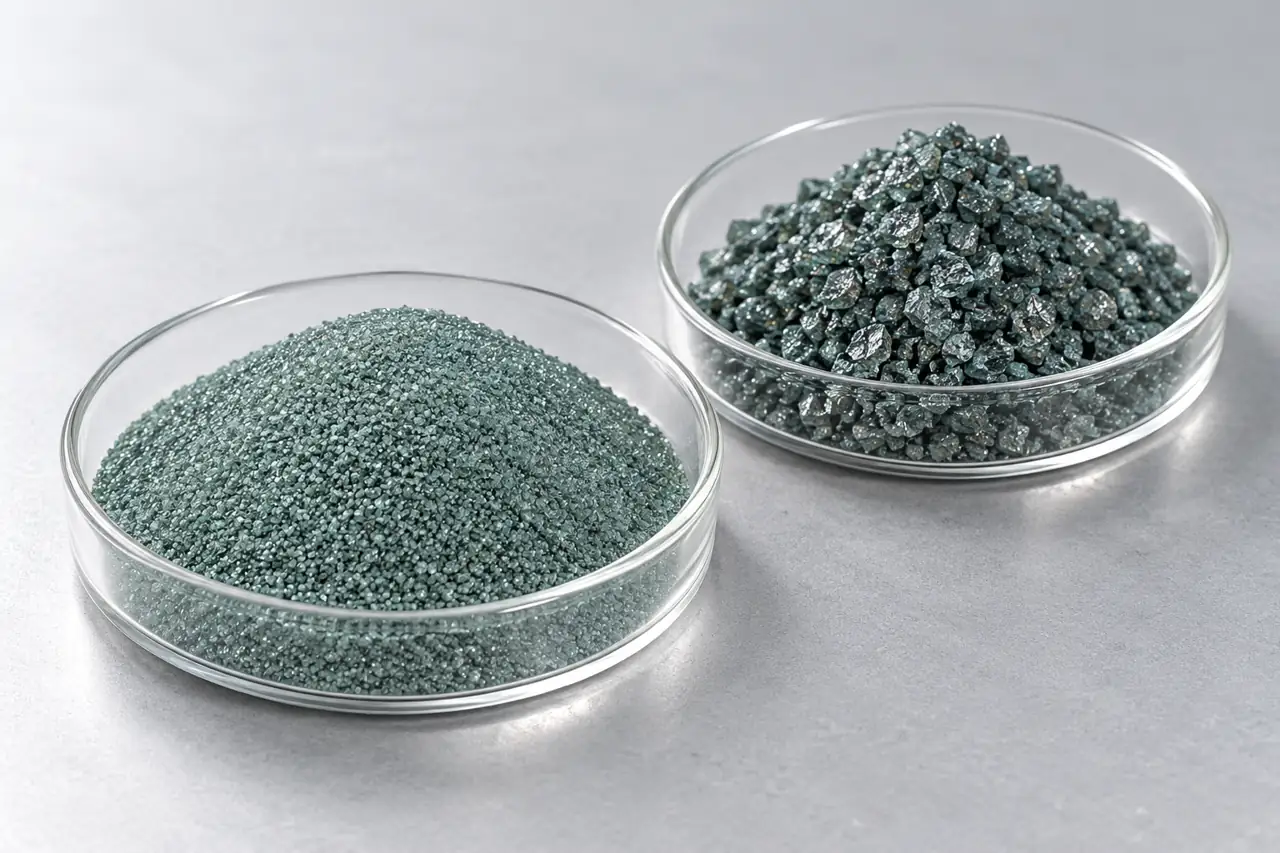
Describe the workpiece and finishing route
Identify the actual work material, its starting surface and whether you are grinding, lapping or polishing. Include the carrier or tool system used by your process. These details give the supplier a meaningful selection brief; a request for abrasive for hard material leaves too many different operations grouped together.
Keep green and black candidates separately named
Request the identity and specification of each proposed SiC material. Green and black catalogue descriptions are starting categories rather than interchangeable approvals. Review the actual product records and available inspection information, then trial the selected candidate against your application instead of assuming one colour must be better for every part.
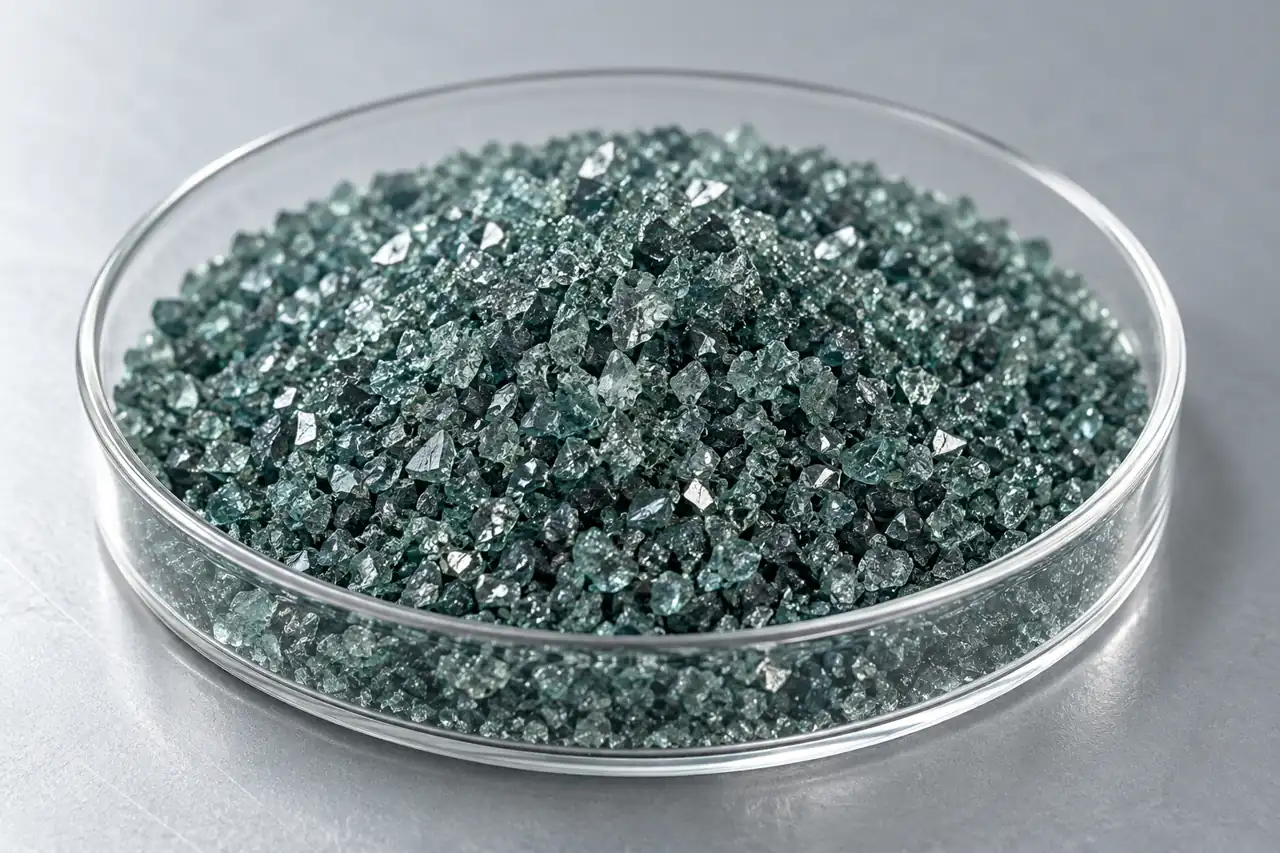
Specify the particle grading system
Put the required grading system and actual range in the enquiry. Ask how the supplier identifies the proposed material and controls the relevant distribution. Do not compare an unexplained mesh name, abrasive grade code and micron value as if they describe identical particles or the same distribution limits.
Define cleanliness around the finished-part risk
State the contamination or foreign-particle concerns that matter to the part and the next process. Agree the required evidence and acceptance method. A visually uniform powder can still need inspection beyond appearance, and a generic purity entry does not describe every possible contaminant relevant to precision finishing.
Trial representative hard or brittle parts
Use the intended workpiece material and realistic starting condition for the trial. Record abrasive identity and the relevant machine or process settings. Inspect the result for the agreed surface finish, scratches, chips and dimensional change. A fast initial cut is not sufficient if the finished component fails its acceptance criteria.
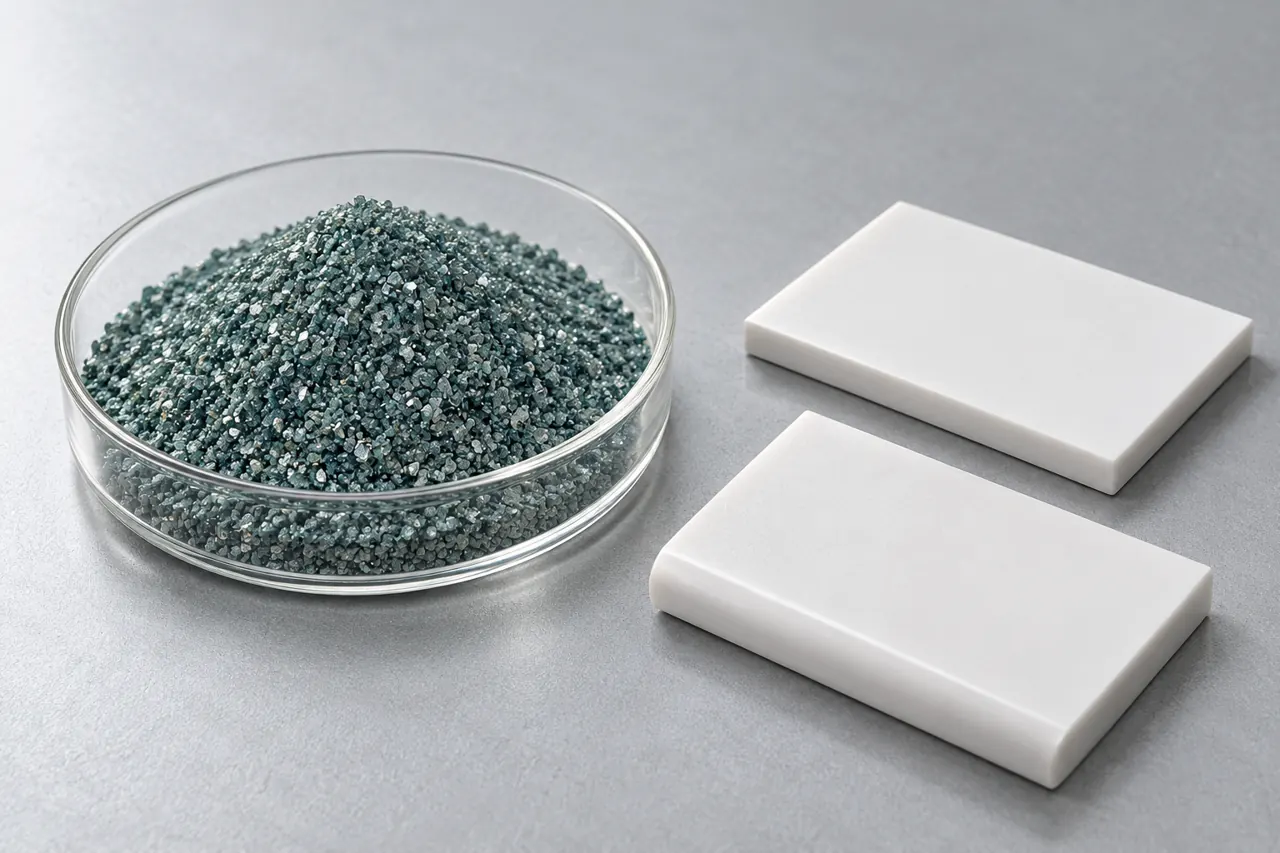
Compare the complete finishing outcome
Evaluate the trial using the measurements your process needs, with the same inspection method for each candidate. Keep rework and rejected-part observations in the record when they are relevant. Do not substitute a supplier’s unverified efficiency statement for your own defined comparison of acceptable finished work.
Keep grades separated from sample to production
Identify each sample container and preserve the link to the proposed abrasive specification. Confirm the actual volume packing and storage instructions before ordering. Fine materials and different grades should not become indistinguishable at receiving or at the finishing station, where a mistaken addition can invalidate the approved process.
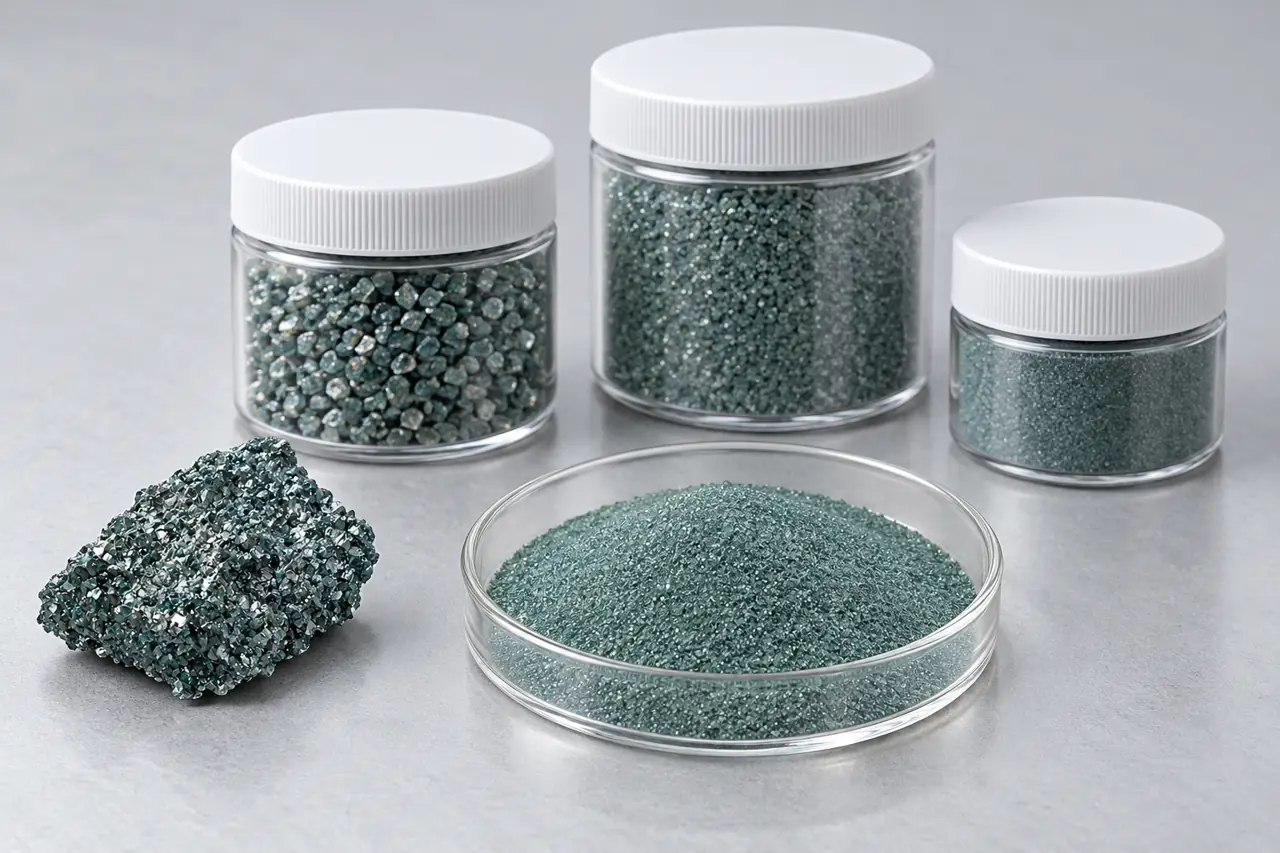
Retain an approval scope that can be repeated
Record the selected material, grading basis, inspection requirements and application trial together. Specify the scope of any approved alternative. If the production offer changes the grade, distribution or supply form, review it against the retained record rather than relying on the same broad silicon-carbide product name.
Send a process-specific SiC enquiry
Share the work material, operation, current abrasive and required grading system. Add finish acceptance, defect concerns, trial quantity and preferred packing. We can discuss the relevant catalogue candidate and confirm the actual sample, inspection and commercial scope for review against your finishing process.