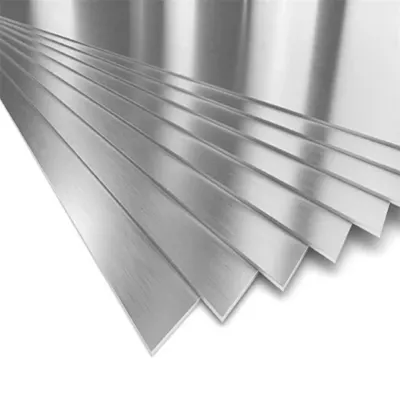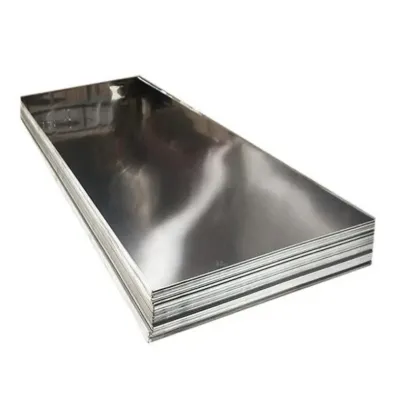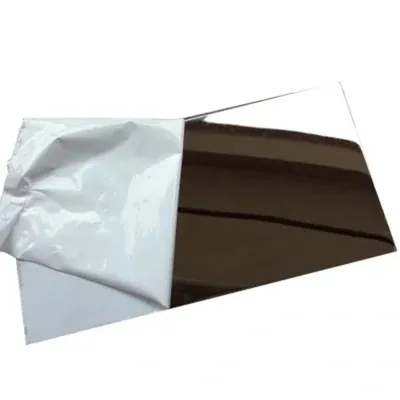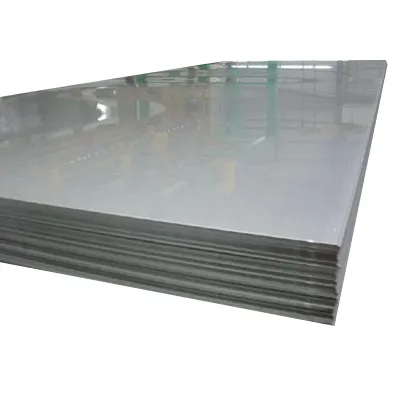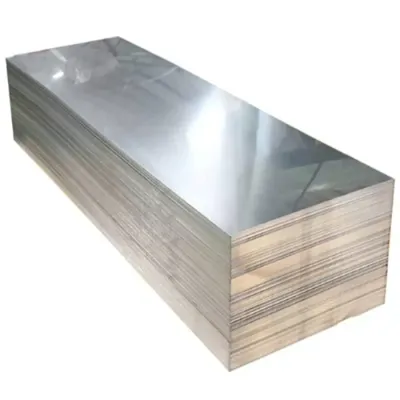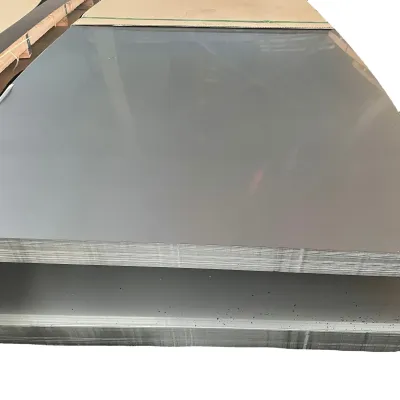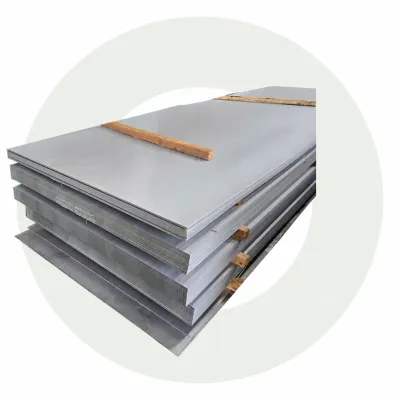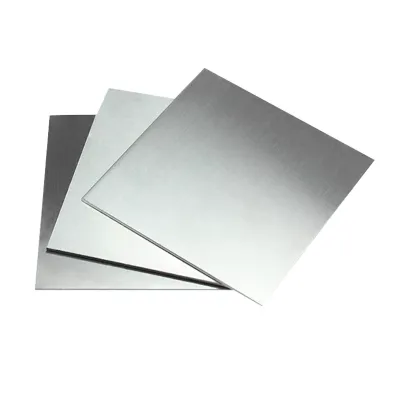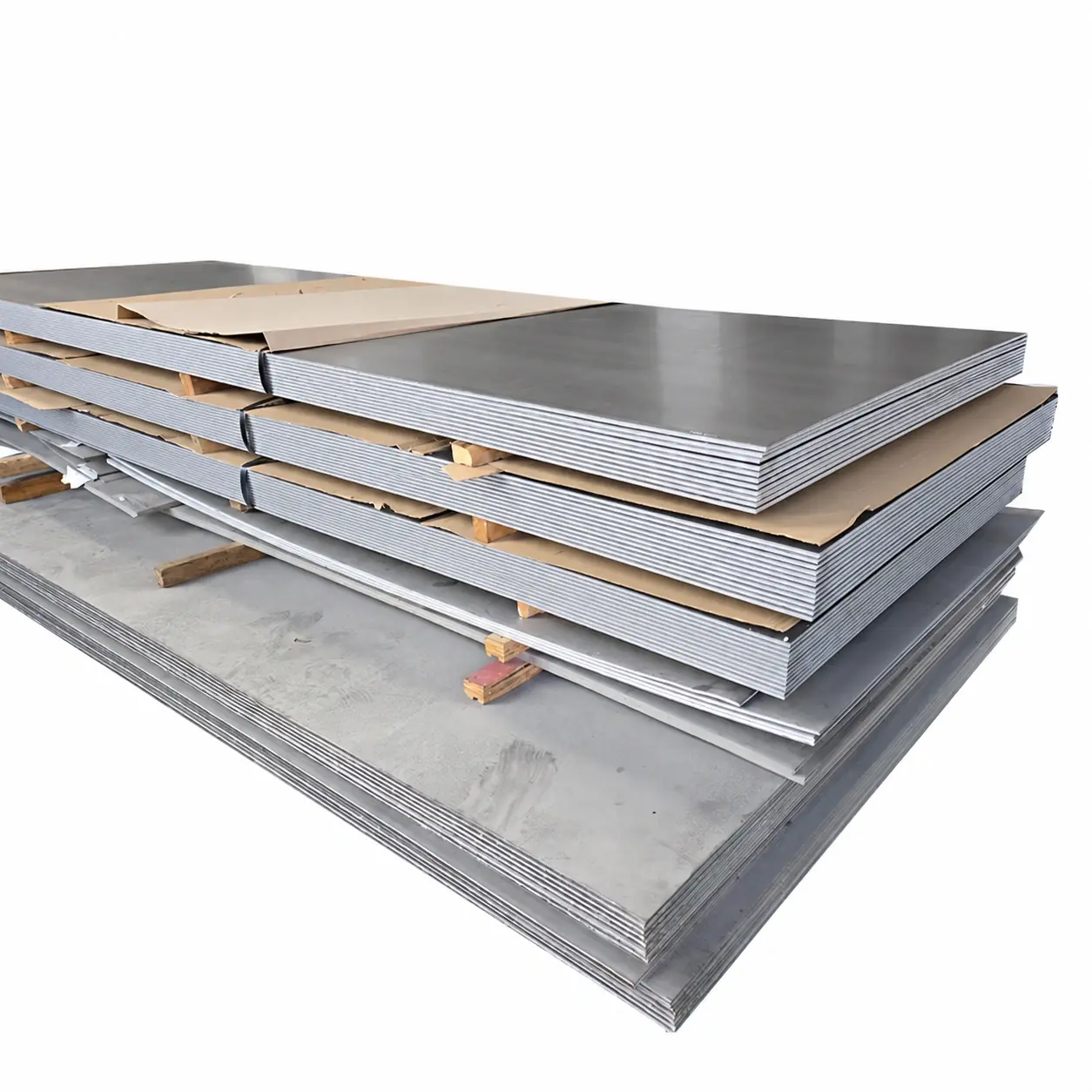
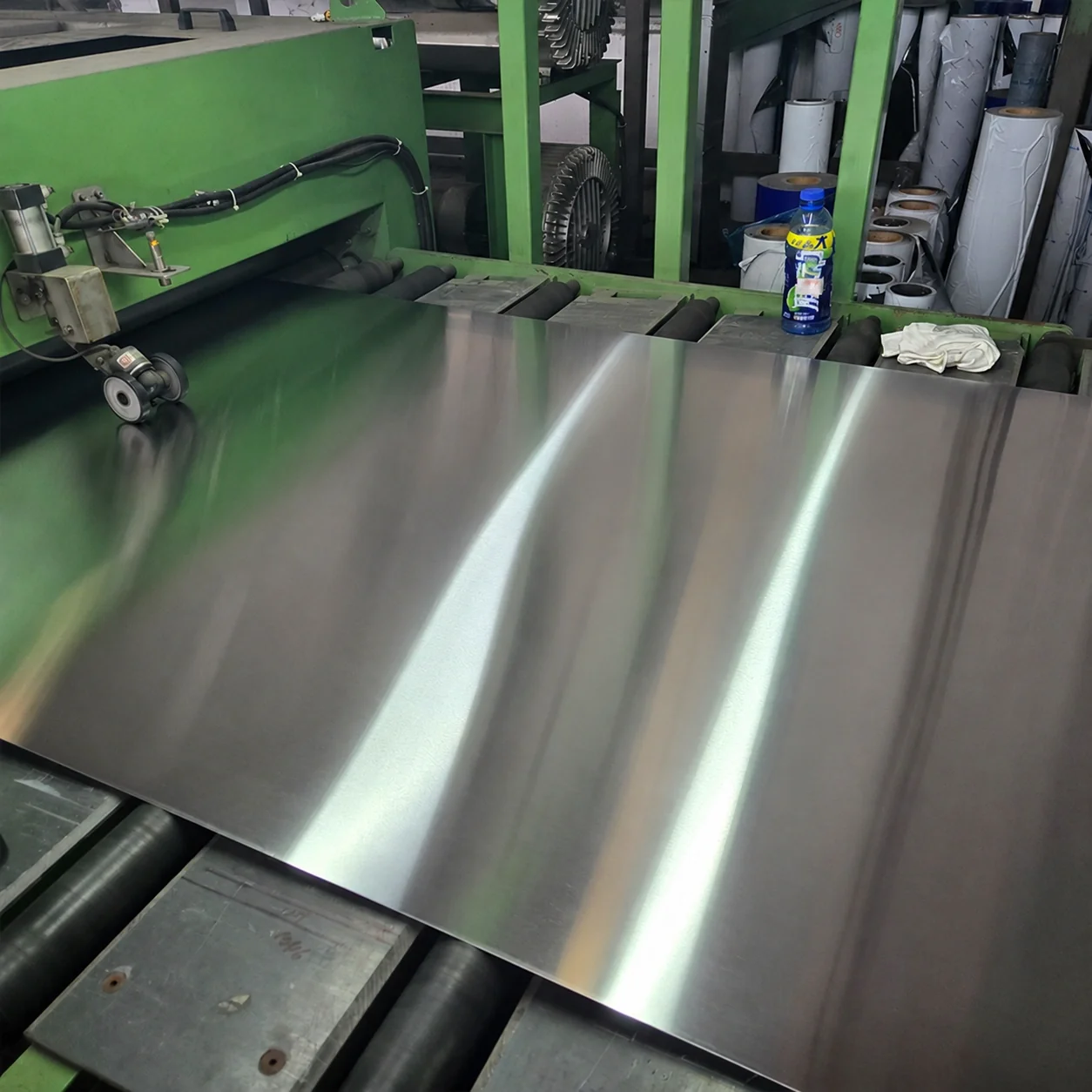
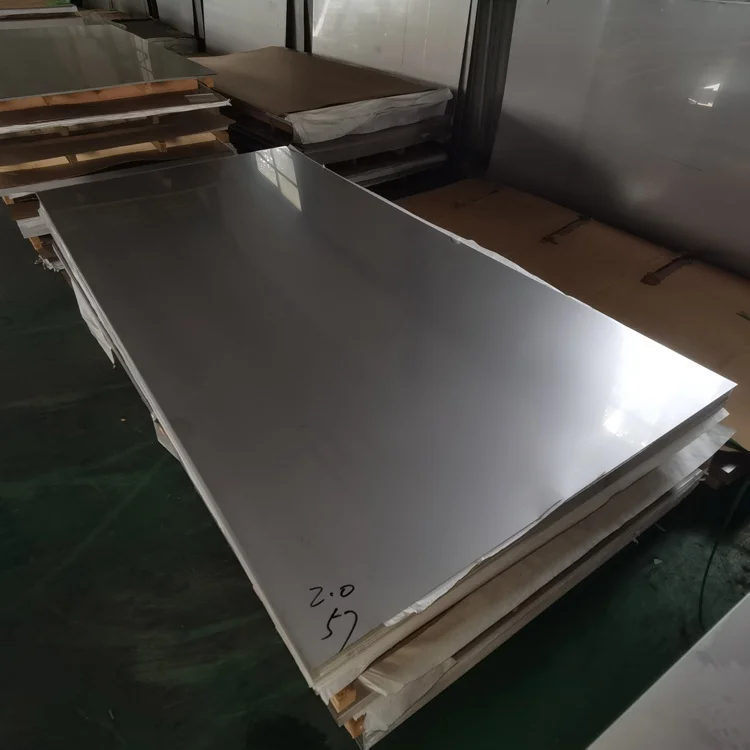
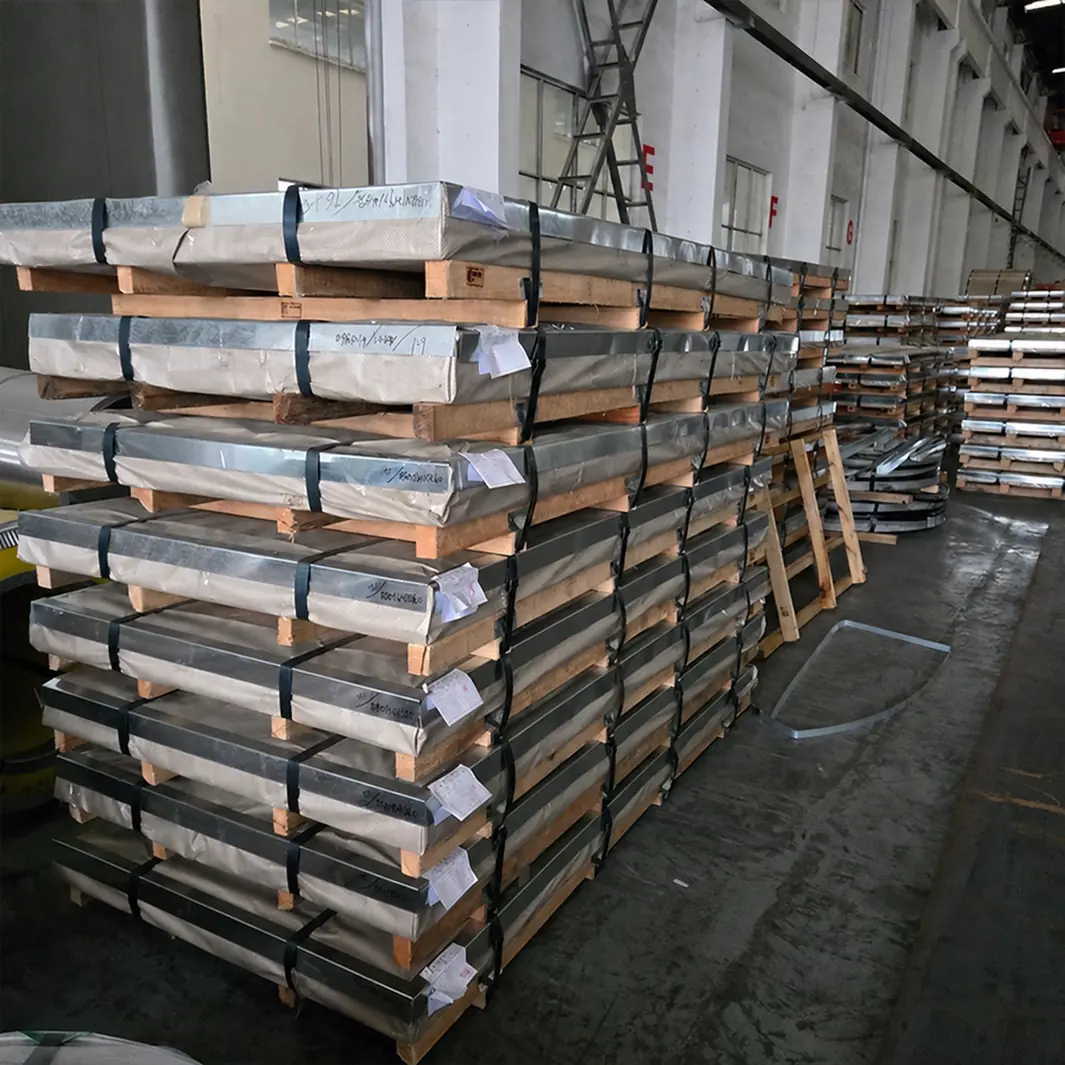
304 304L 316L Stainless Steel Light-Gauge Sheet, 0.3–2.0 mm Thickness Enquiries
-
Grade300 SeriesStandardASTM
-
Steel Grade301, 410, 316L, 316, 321, 436L, 314, 347, 430, 304, 439, 436, 304L, 405, 370, 429Surface FinishBA
-
Thickness0.5-50mmTolerance±1%
-
Model Numberstainless steel platesApplicationIndustry, architecture, decoration
-
Delivery Time5-14 daysProcessing ServiceBending, Welding, Decoiling, Punching, Cutting
-
TypePlateLengthcustomized
-
Widthas requestProduct nameStainless Steel Sheet
-
TechniqueCold Rolled / Hot RolledKeywordstainless steel plate
-
ColorNatural ColorShapeFlat.sheet.plate
-
MOQ1 TonMaterialStainless Steel Seires
-
Payment Term30%T/T Advance + 70% BalancePrice TermFOB CIF CFR EX-WORK
-
PackingStandard Sea-worthy Packing
Light-gauge stainless sheet selection starts with the exact thickness required by the part. For a 304, 304L or 316L enquiry, send the intended gauge and finished dimensions and confirm the proposed material before ordering.
Name the thin-sheet thickness explicitly
Write the required value, such as 0.3, 0.5, 1 or 2 mm, on the drawing. Obtain confirmation of the offered sheet thickness rather than assuming every headline gauge is an available configuration.
- Specify the required 304, 304L or 316L alloy designation.
- Give the exact light-gauge thickness needed for each piece.
- Provide the finished sheet width and length.
- Identify the visible surface and requested appearance.
- Include bends, cut outlines or hole patterns where applicable.
Connect surface choice to the component
For an architectural or decorative piece, state which face will be visible after fabrication. Agree the stainless sheet surface with the proposed supply instead of relying on a general brightness description.
Check the supplied condition before fabrication
If the thin sheet will be bent, welded, punched or cut, discuss the specific operation against the drawing. Confirm the grade, thickness and delivered condition together before using the sheet in the intended assembly.