Contract Laser-Cutting RFQs for Drawing-Based Sheet Parts
When you need finished sheet parts, start with the controlled drawing and the condition required on delivery. Send us the material, thickness, quantities and first-article criteria. We can review the enquiry and clarify the actual supply or processing role; our catalogue equipment records do not by themselves establish an in-house contract-cutting service.
Give the quotation one controlled drawing revision
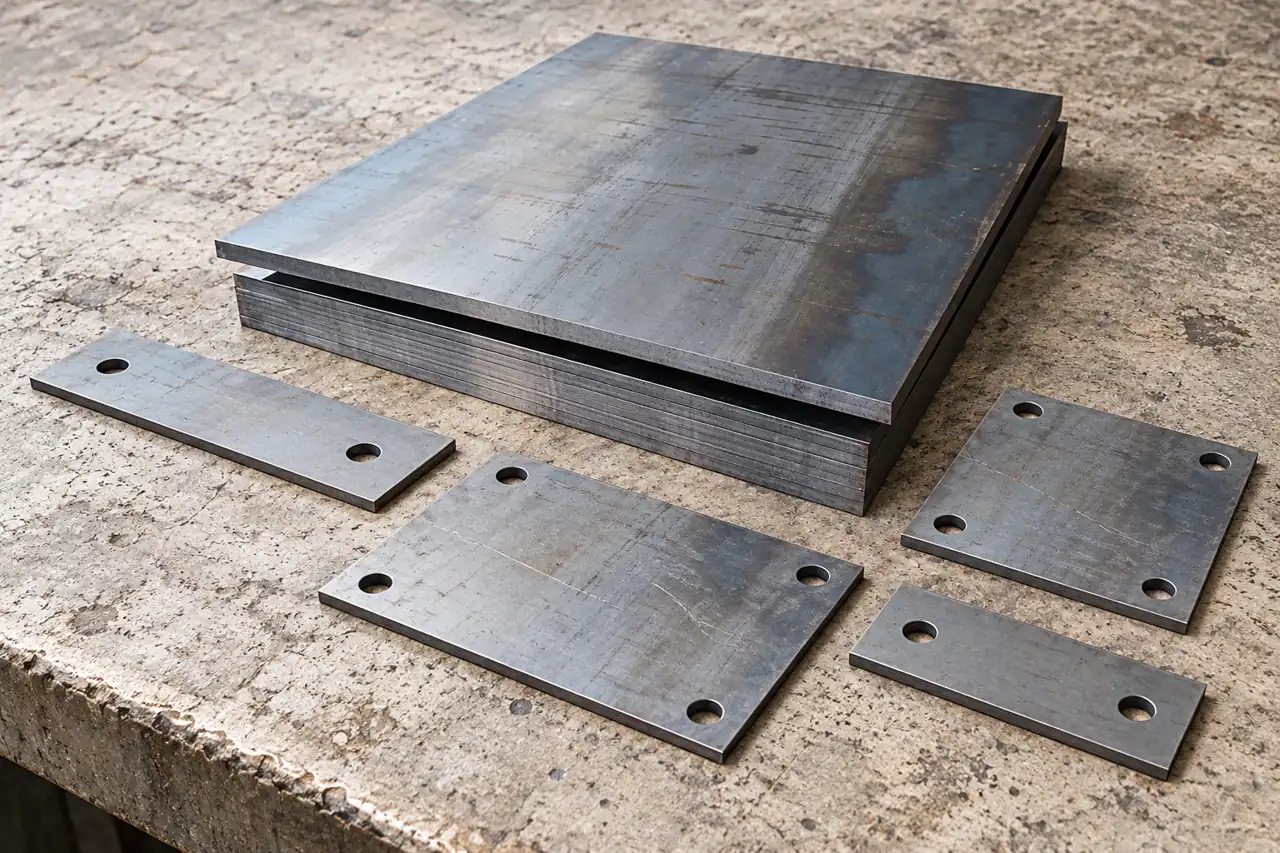
Keep the drawing, part list and any cutting file on the same revision. State the unit system and identify the drawing that controls acceptance. Highlight any difference between a profile file and the finished-part requirement, so the quotation is based on one coherent description rather than conflicting attachments.
Define the sheet before discussing the cutting price
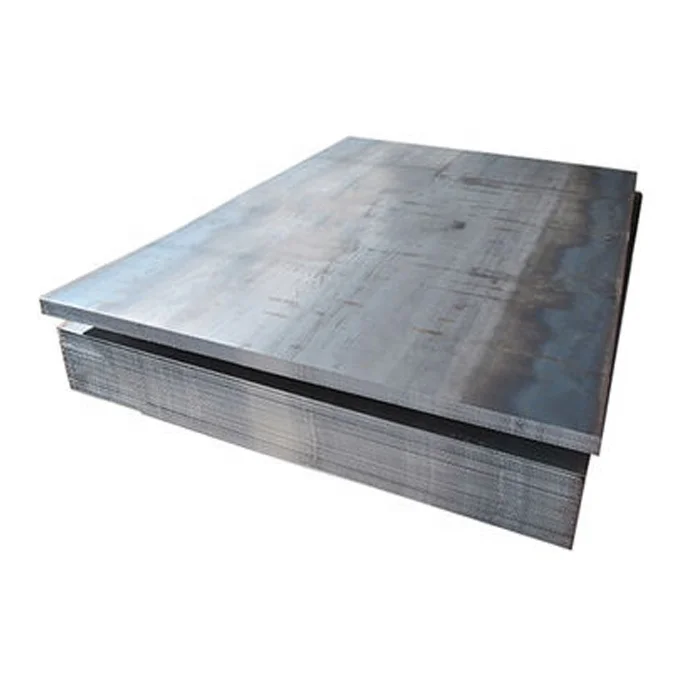
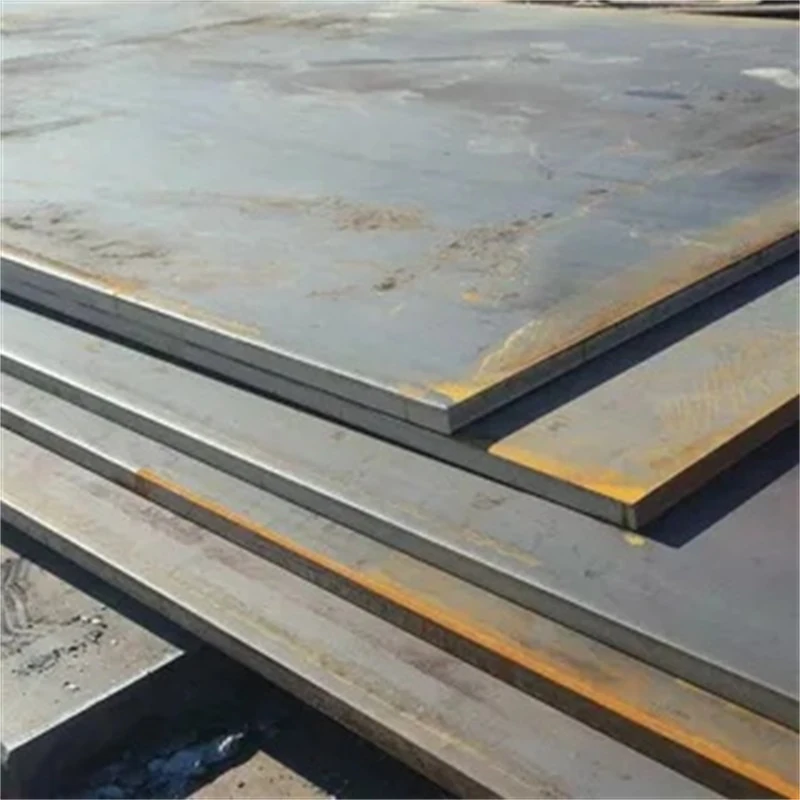
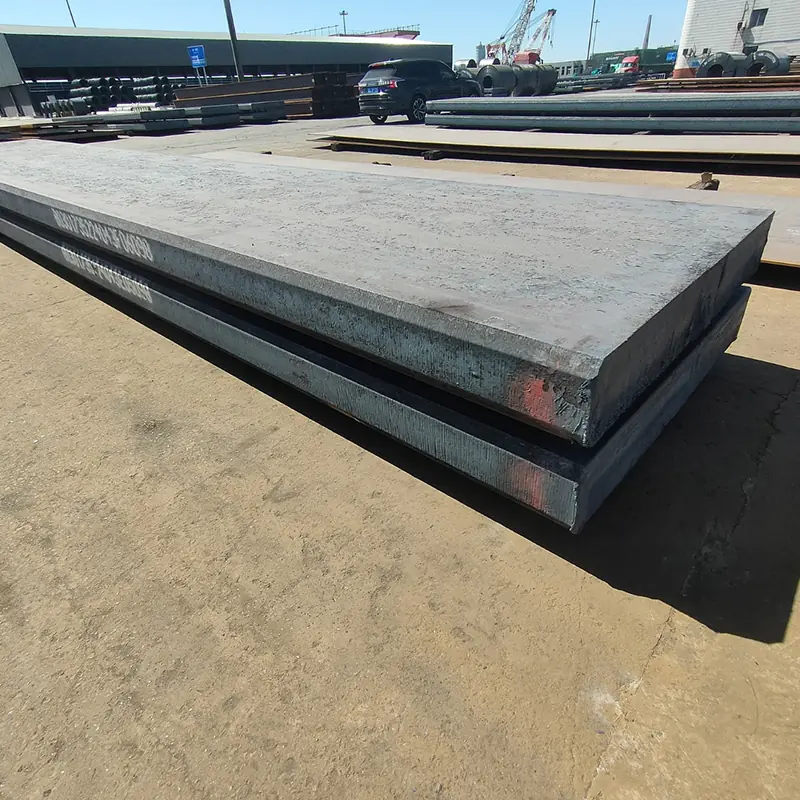
Specify the material grade, thickness, supplied condition and surface requirements. Tell us whether you provide the sheet or request material with the parts. A change of material or condition can change the manufacturing discussion, so proposed substitutions should be reviewed separately from the accepted part definition.
Part function determines the critical features
Identify the holes, slots, edges and mating features that affect assembly. State which dimensions need particular attention and the finished condition expected at each edge. Keep a flat cutting requirement separate from bending, tapping, welding or coating, unless those operations are explicitly included in the proposed supply.
Edge acceptance belongs beside the profile
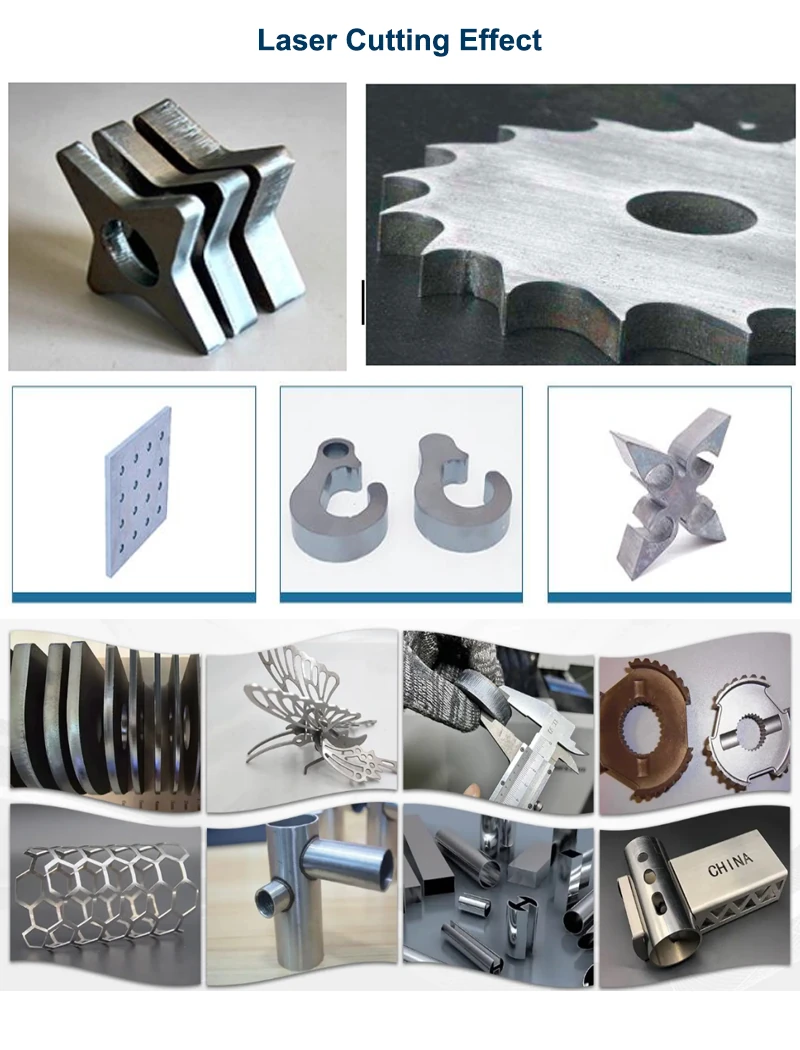
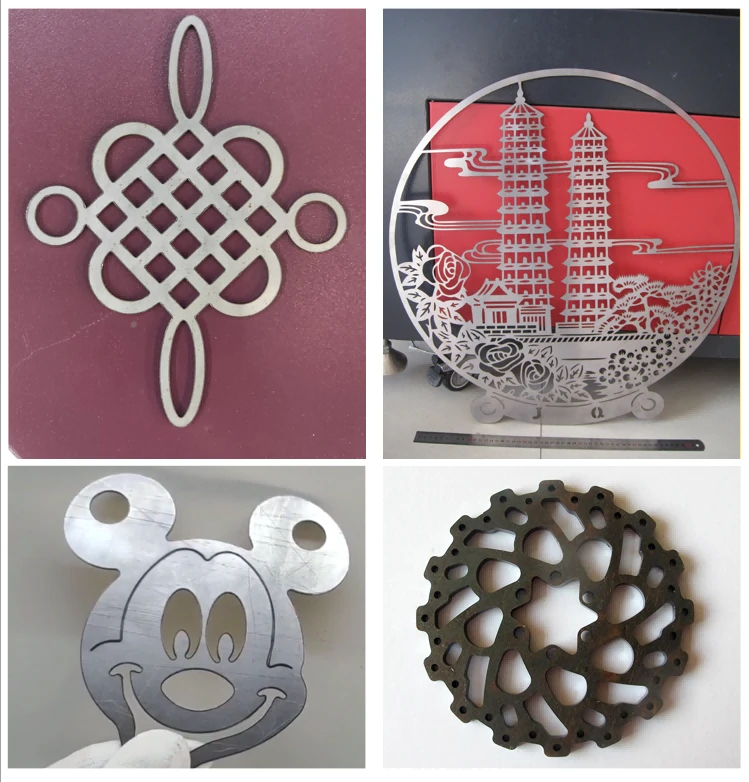
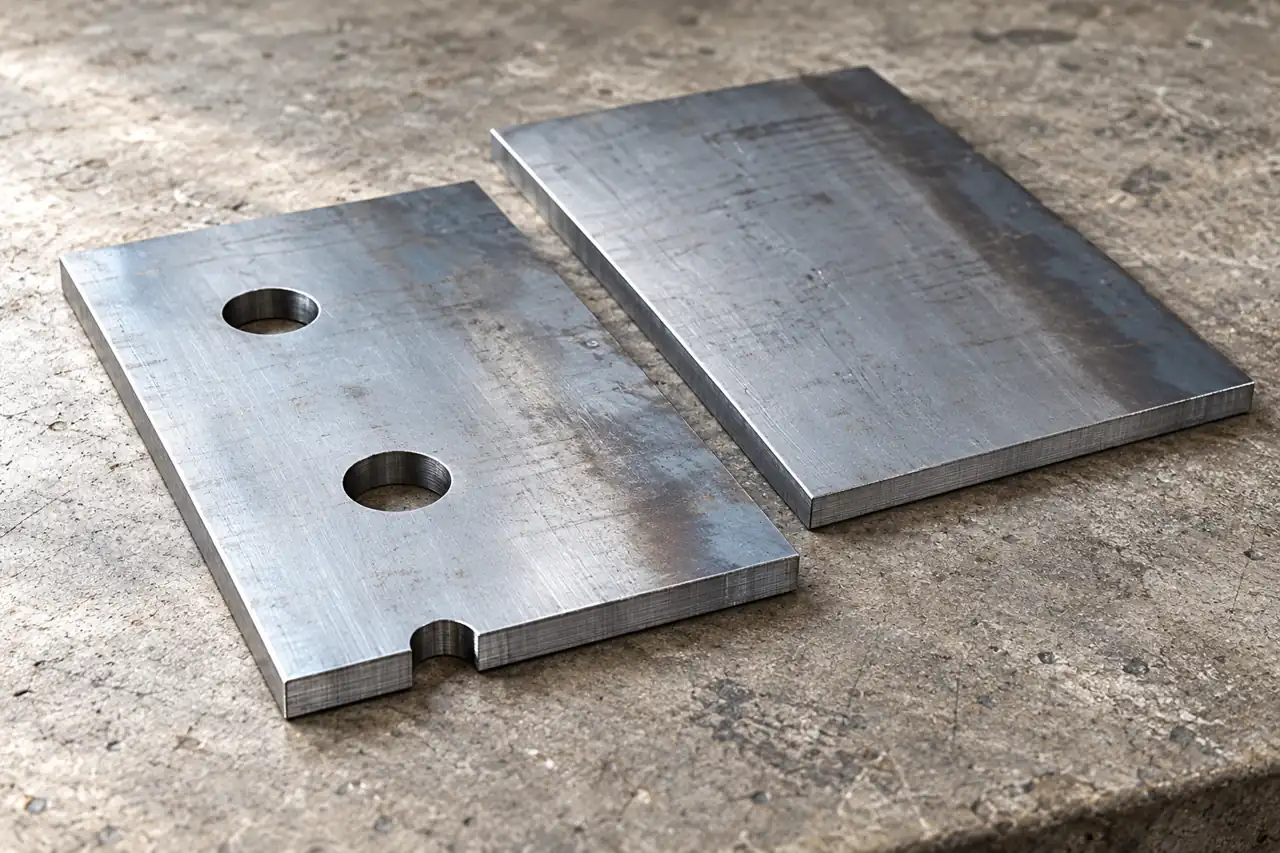
Describe the acceptable edge condition and any cleaning or deburring requirement. Include restrictions on heat effects, dross or appearance where relevant to your use. The first article should be assessed against those agreed requirements; an attractive outline photograph cannot establish that the part is ready for your assembly.
Confirm the actual processing scope
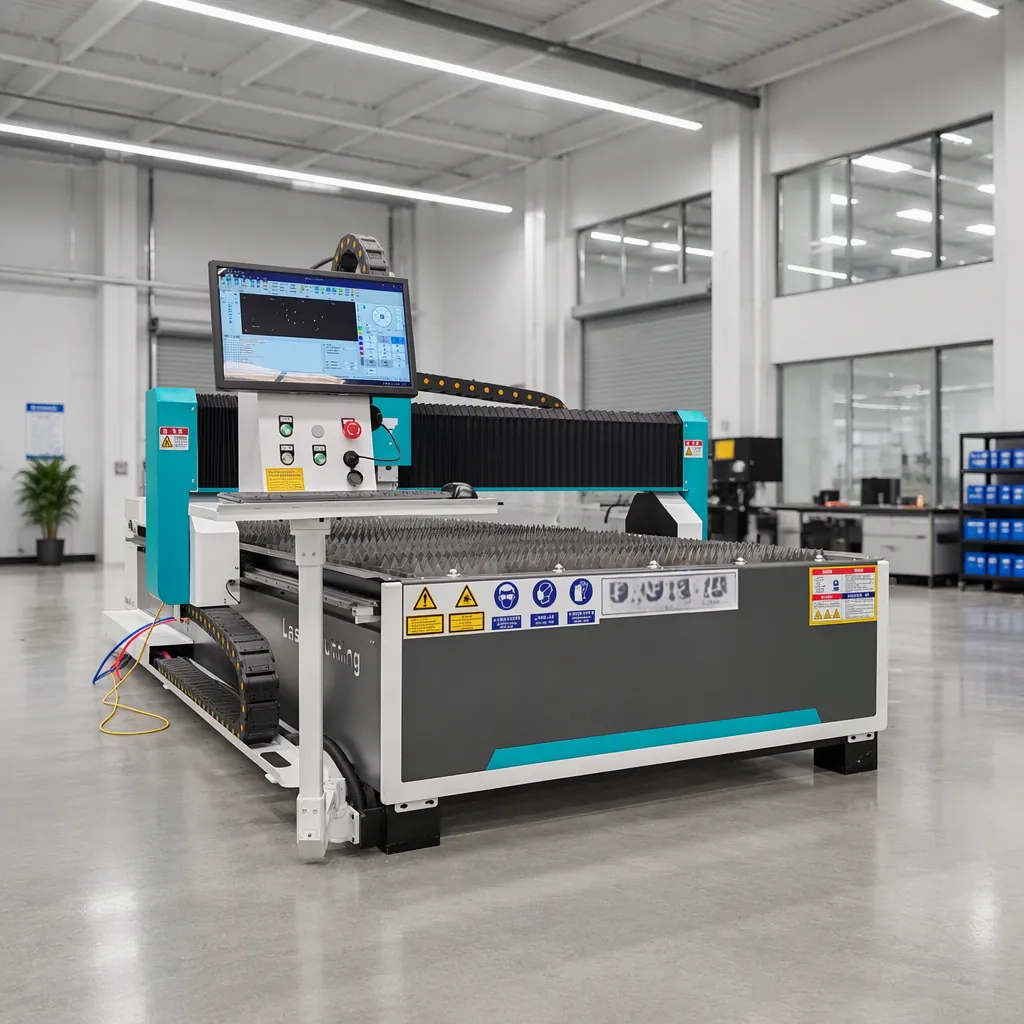
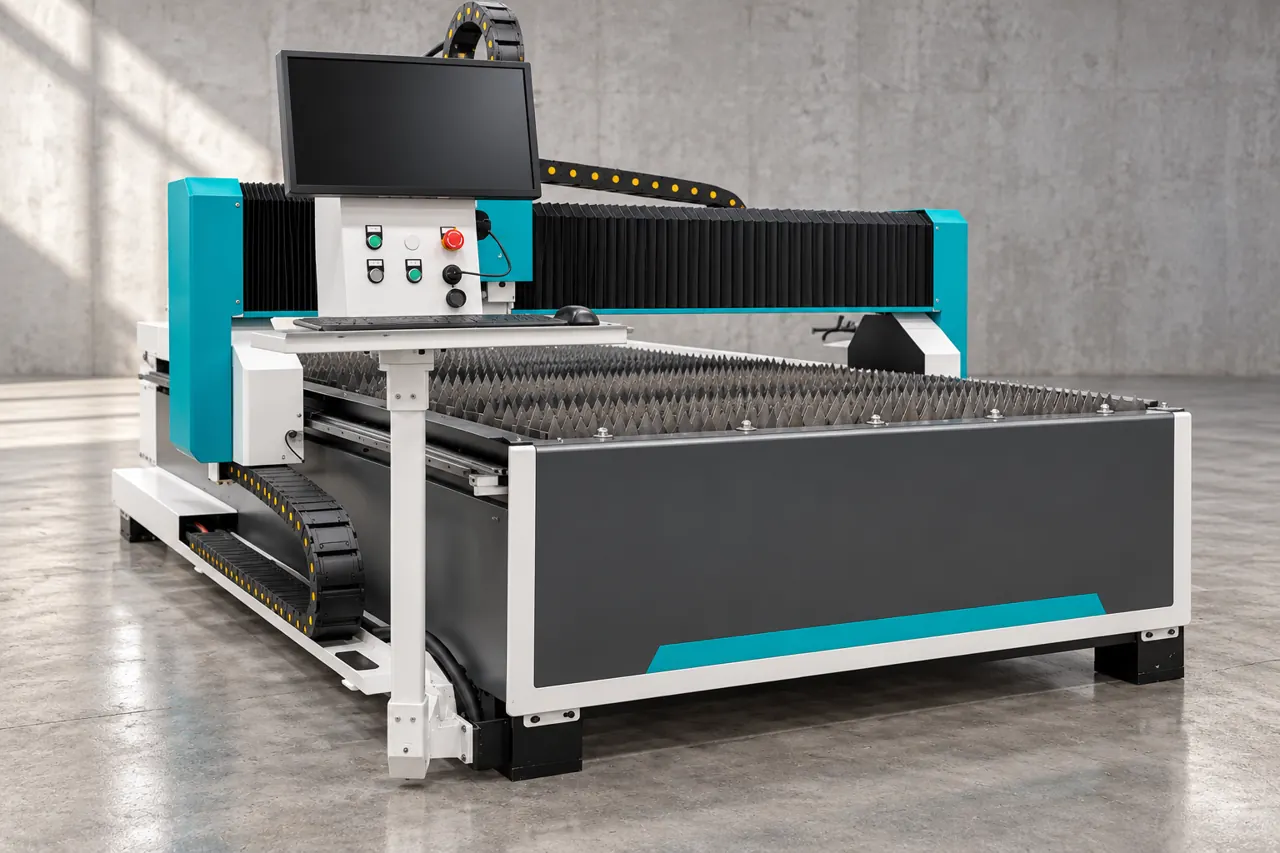
Discuss the material and thickness range, part envelope and work to be included with the specific offer. If equipment selection is also under consideration, our catalogue gives a separate route for that discussion. Purchasing a cutting machine and outsourcing finished sheet parts are different decisions with different acceptance requirements.
First-article approval controls the release to batch work
Agree which part numbers need a first article, the inspection characteristics and how approval will be recorded. Keep the approved revision and any accepted deviation with the order. If material, geometry or the processing proposal changes afterward, review the effect before releasing the remaining batch.
Packing preserves the part identity and edge condition
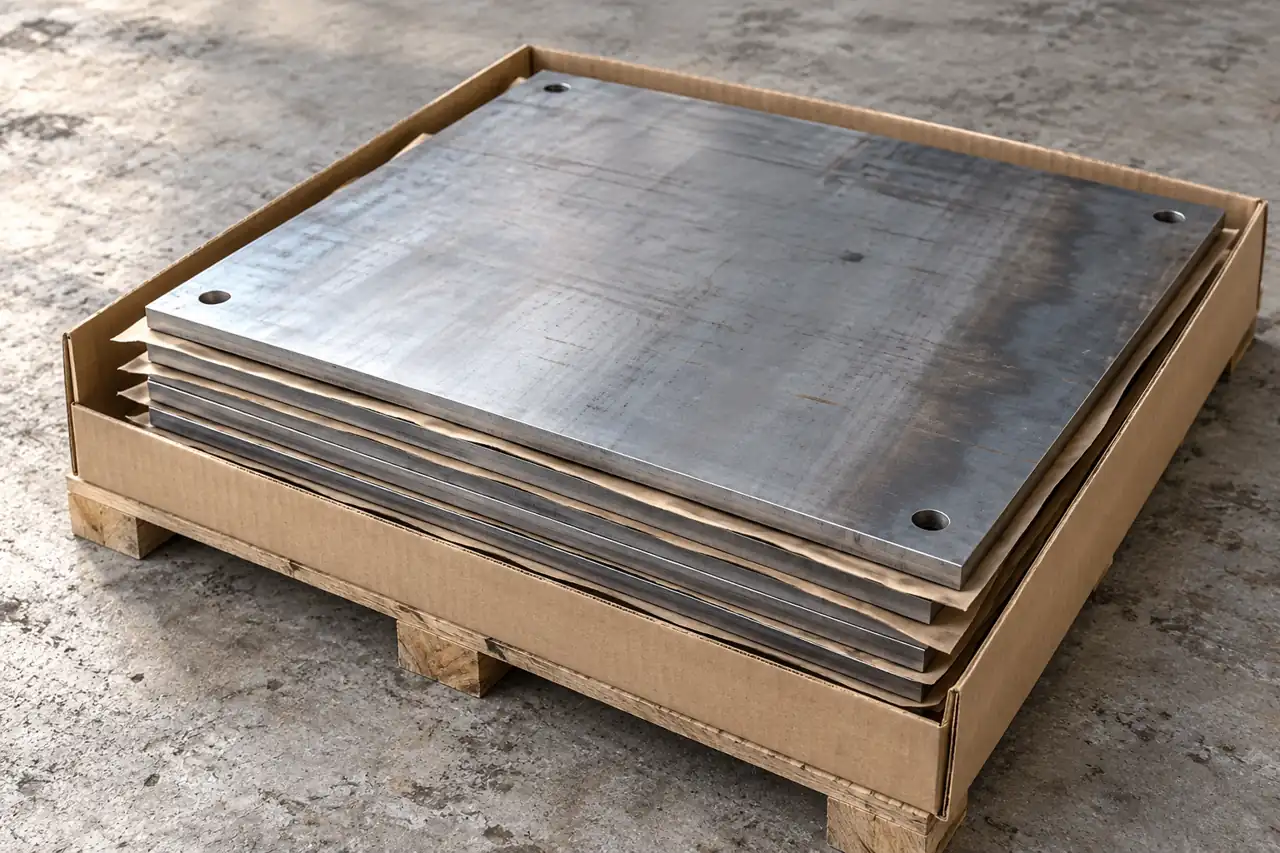
Describe how each part number should be separated, identified and protected. Thin flat parts can be affected by poor support or contact during transport. Bring the packing plan together with the quantity and destination so your receiving team can recognize the parts and check them without unnecessary sorting.
Keep commercial comparisons tied to the same deliverable
Compare offers against the same material responsibility, drawing revision, quantities, inspection and finishing scope. Record exclusions and proposed alternatives clearly. We can work through that brief with you and confirm the actual processing arrangement before any commercial commitment, rather than allowing an equipment listing to stand in for a service proposal.
Send one complete sheet-part enquiry package
Send the drawings and part list together with material, thickness, quantities and destination. Add edge, surface and first-article requirements, plus any operation needed after cutting. Our team can review the requested deliverable and confirm the role, technical information and acceptance basis required for a specific quotation.