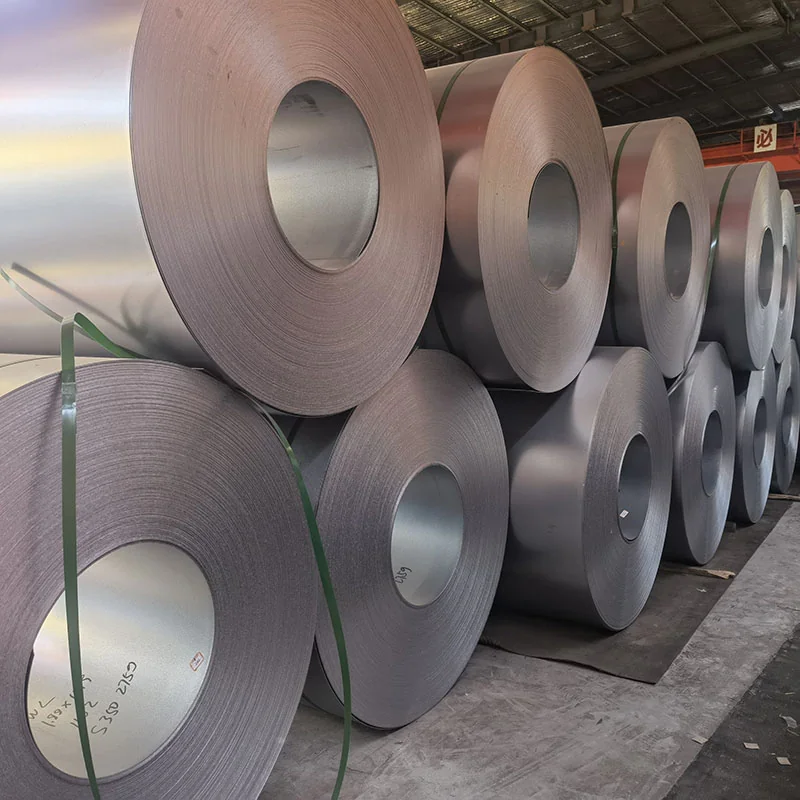
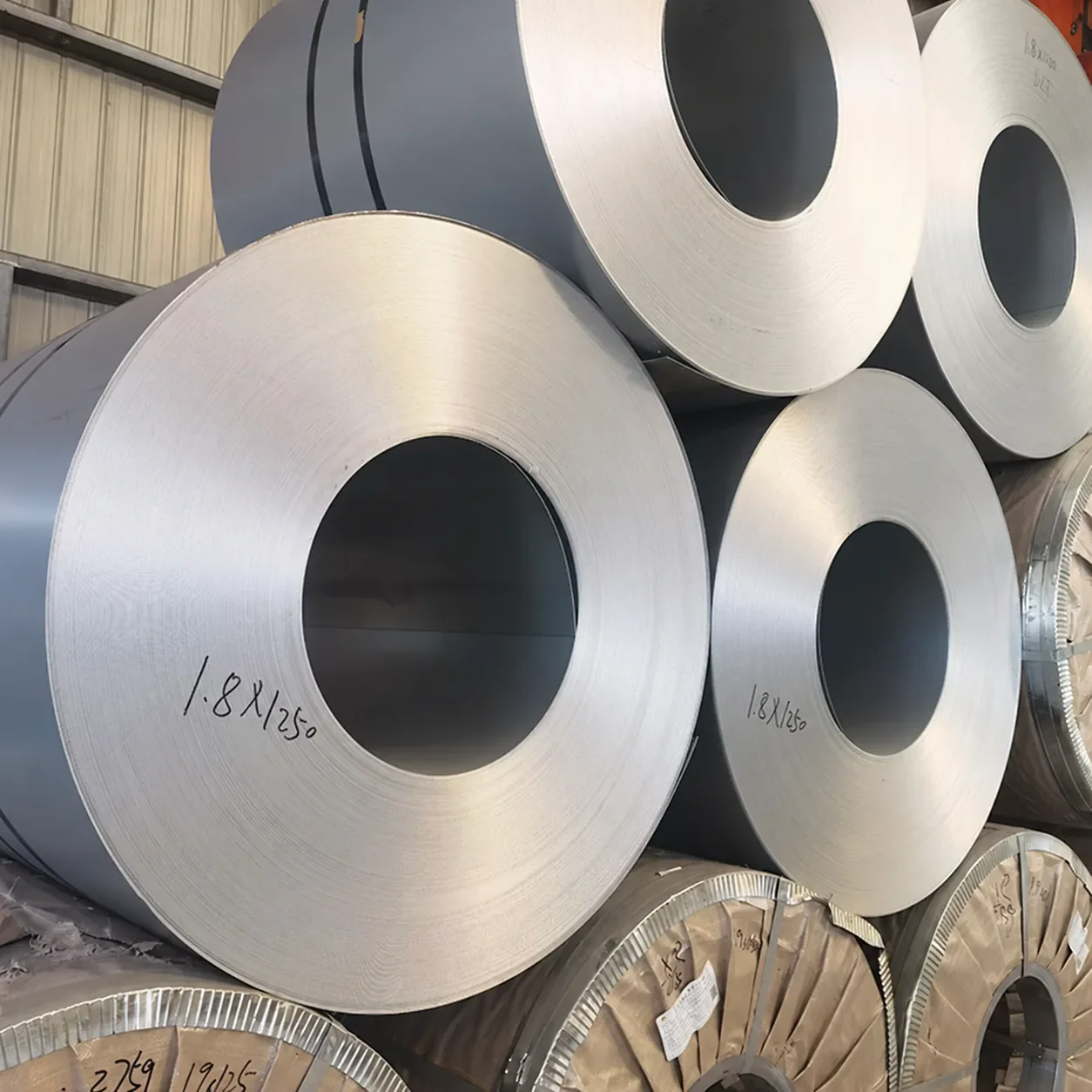
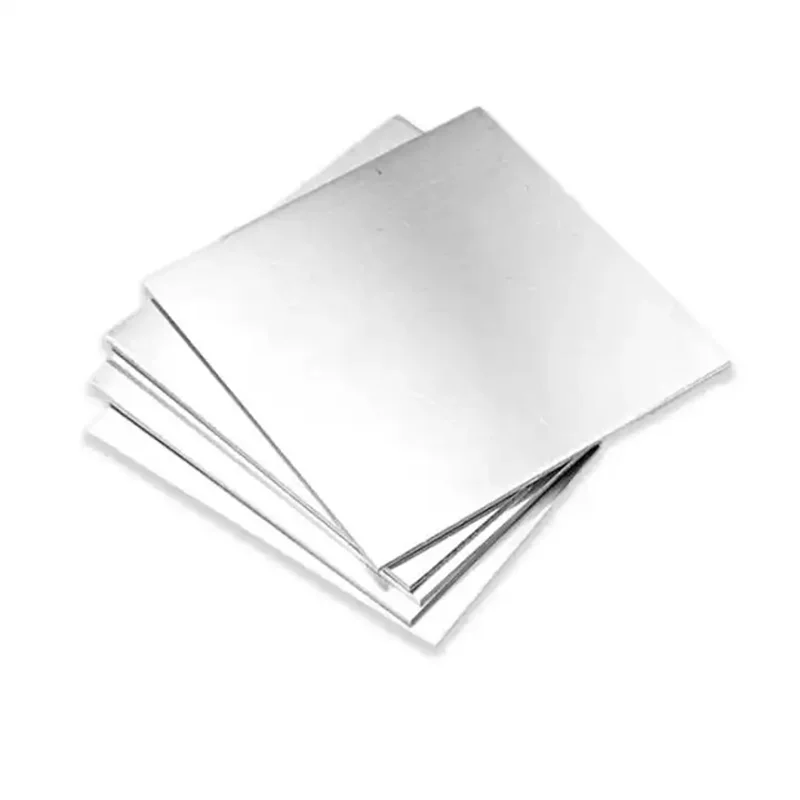
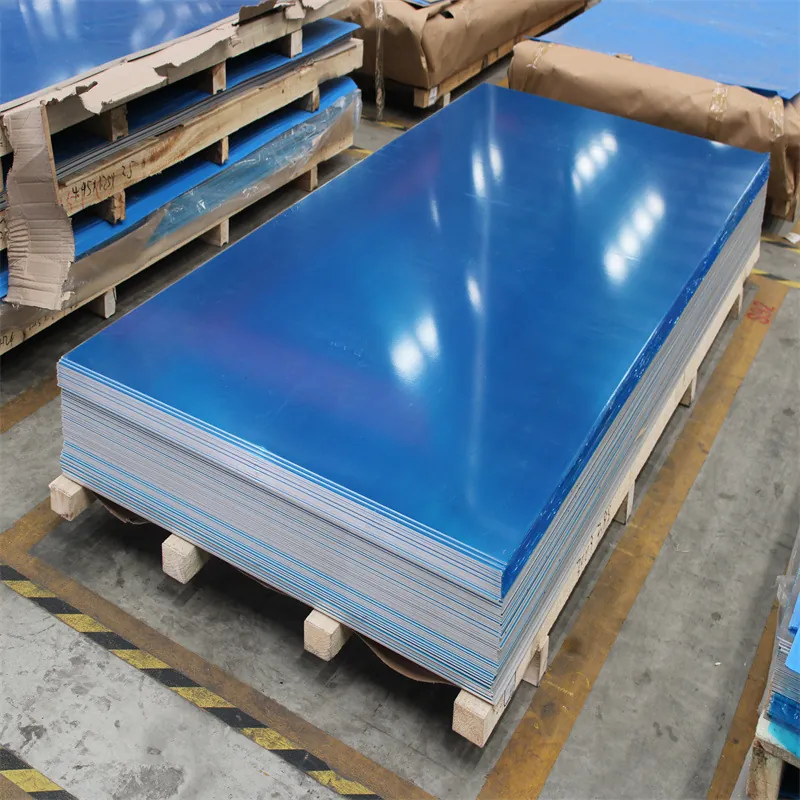
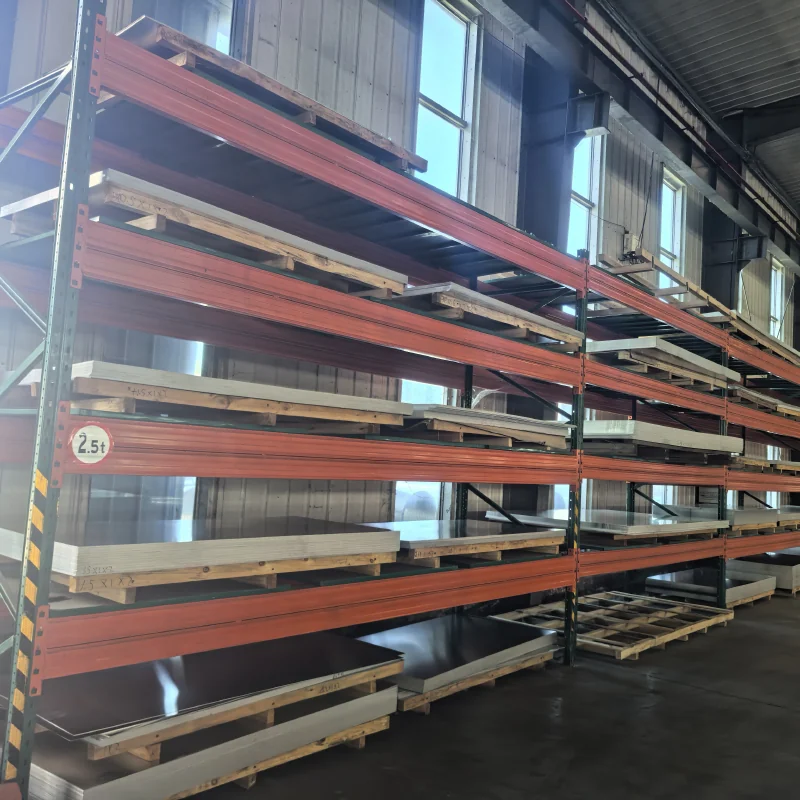
Aluminium sheet for drawing-based bending and welding
Specify aluminium sheet by the drawing, alloy and temper, then approve material through your actual bending and welding route. The catalogue includes 5083 among broader aluminium options; a requested 5052 alternative needs separate confirmation. We can review the material enquiry, while your fabrication team defines process suitability and acceptance.
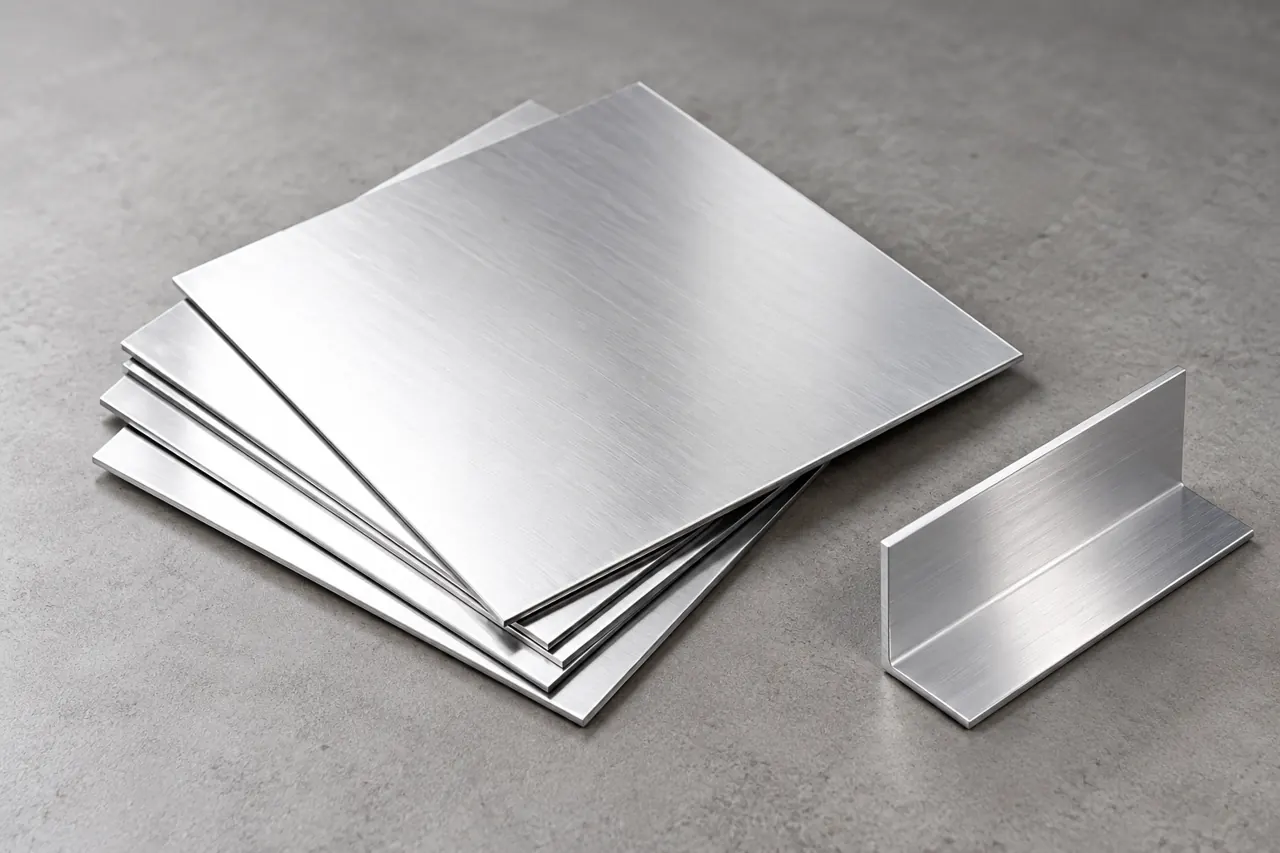
Read the bend and weld requirements together
Provide the drawing revision, finished dimensions and the surfaces that matter after fabrication. Identify bends, welded joints and any later machining or finishing. Material selection should reflect the complete route. An alloy name that suits one operation does not on its own approve the finished part or its fabrication procedure.
Confirm alloy and temper as separate fields
State the exact alloy required and the supplied temper rather than allowing one to stand for the other. Request the relevant material record for the proposed sheet. Review any alternative explicitly with your technical team; similar catalogue wording should not be treated as permission to substitute a different material condition.
Examine dimensions and surface condition
Thickness, width and length limits belong in the order, together with flatness or surface requirements relevant to your drawing. Describe acceptable handling marks and any protective film requirement. Review how dimensions are measured so the incoming inspection and quotation use the same basis, particularly where a later bend depends on the blank size.
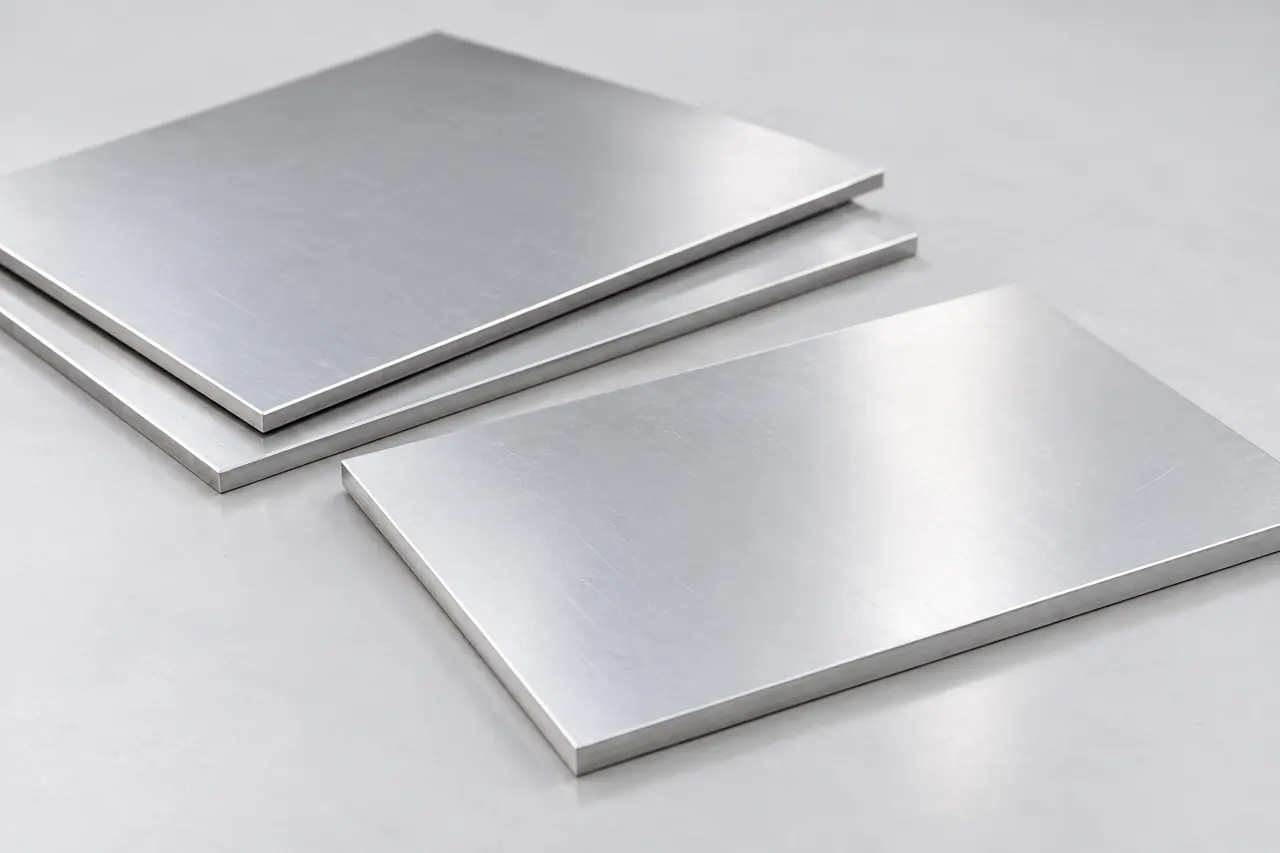
Plan a fabrication trial using the proposed condition
Use material representative of the volume supply, with samples linked to their alloy, temper and lot. Your fabrication team should set bend and welding procedures and the required observations. Keep the resulting dimensions and joint checks in the approval file. A successful unrelated coupon does not establish conformity of your drawing-based part.
Protect the face intended for the finished part
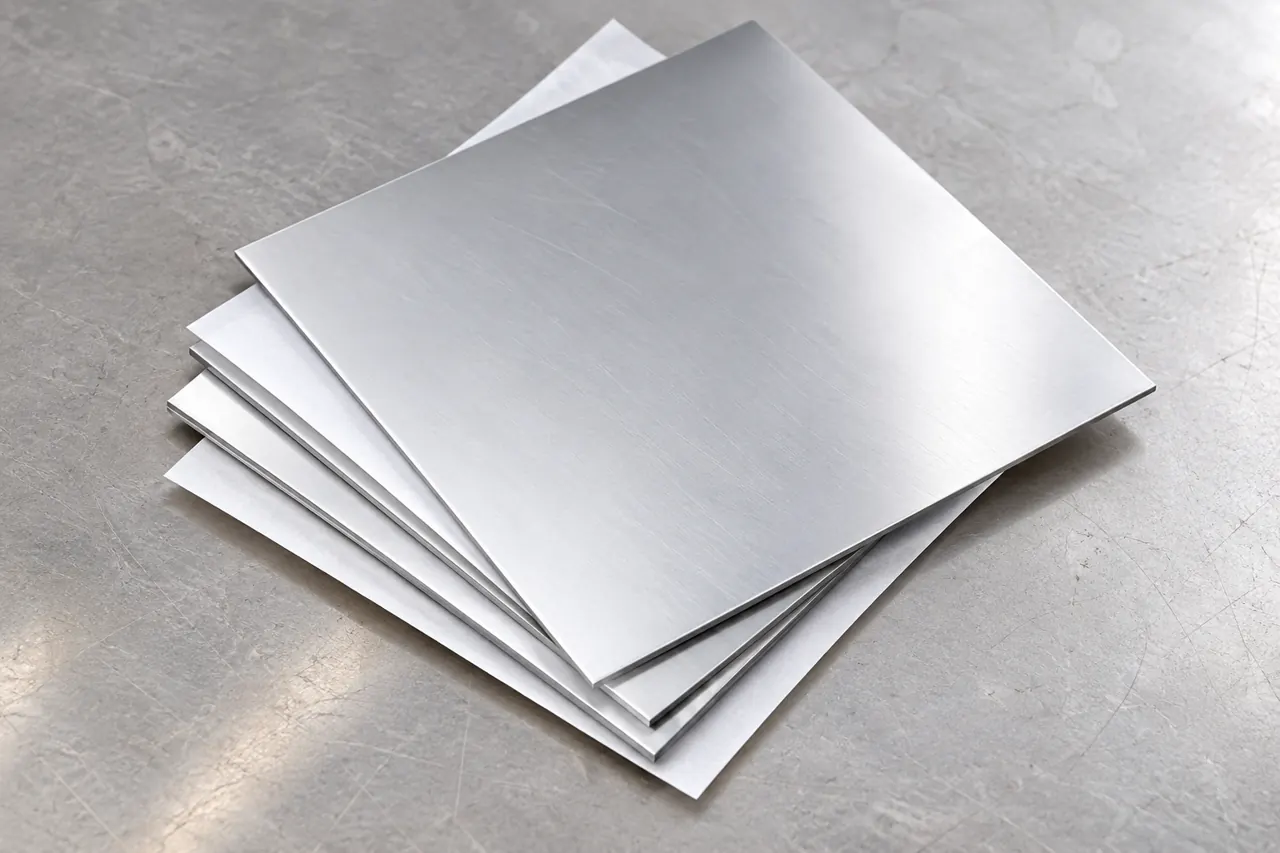
If one sheet face remains visible, mark that requirement in the packing and fabrication brief. Keep surfaces separated during handling and ask which protective arrangement is included in the offer. The goal is to preserve the agreed supplied condition until fabrication; an illustration of clean sheet is not a measured surface acceptance record.
Separate material supply from fabrication services
This enquiry can begin with our aluminium materials catalogue. Confirm the producer and supply responsibility for the actual sheet proposal. Cutting, bending, welding or finished-part inspection should be listed separately and confirmed if requested. The presence of materials and equipment listings does not demonstrate that every processing service is available in-house.
Specify receiving evidence before ordering
Agree which material records, lot identifiers and dimensional checks accompany the shipment. At receipt, inspect package damage and match sheets to their documents before releasing them for cutting. Record any deviation while the original identification is intact; a later fabricated part may no longer retain the markings needed to investigate its material source.
Preserve the approved material through repeat orders
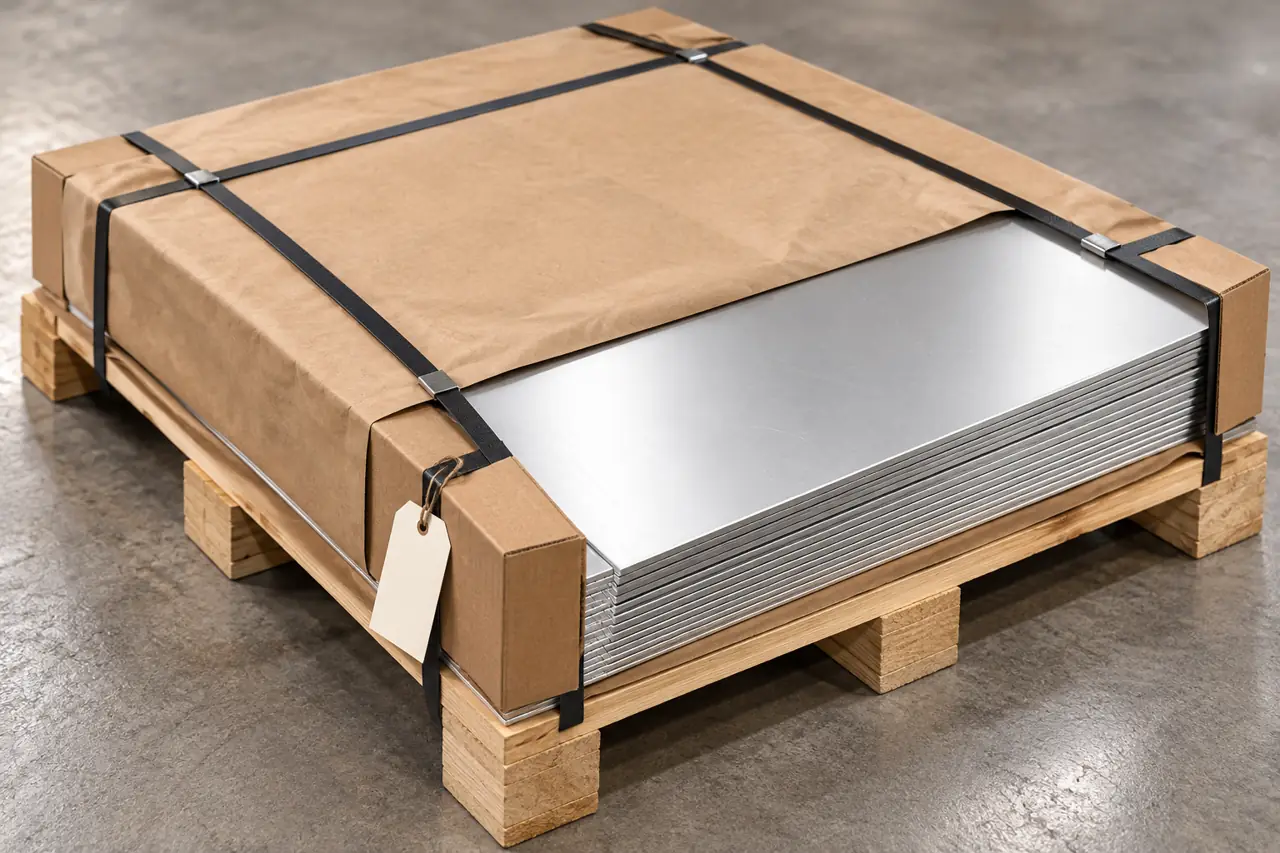
Retain the accepted sheet specification and fabrication-trial results together. Keep bundles protected and separately identified until use. When ordering again, reference that approval and review any proposed alloy, temper or source change first. A repeat order should reproduce the approved material requirement rather than rely on the same general aluminium description.
Send the fabrication drawing and material brief
Share the drawing, alloy and temper requirement, sheet dimensions and surface acceptance. Add the intended bend and weld route, material-document needs, sample quantity and destination. We can review the catalogue candidates and confirm the actual supply proposal and any requested additional scope before you approve a fabrication trial.